
Popularnonaukowe i akademickie
The Riddle of the Sands Level 5 Oxford Bookworms Library
Childers, Erskine
A level 5 Oxford Bookworms Library graded reader. Retold for Learners of English by Peter Hawkins When Carruthers joins his friend Arthur Davies on his yacht Dulcibella, he is expecting a pleasant sailing holiday in the Baltic Sea. But the holiday turns into an adventure of a different kind. He and Davies soon find themselves sailing in the stormy waters of the North Sea, exploring the channels and sandbanks around the German Frisian Islands, and looking for a secret - a secret that could mean great danger for England. Erskine Childers' novel, published in 1903, was the first great modern spy story, and is still as exciting to read today as it was a hundred years ago.
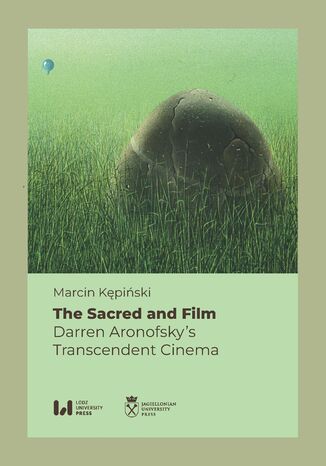
The Sacred and Film. Darren Aronofsky\'s Transcendent Cinema
Marcin Kępiński
The book about the transcendent cinema of Darren Aronofsky takes the reader on a journey through the selected filmography of this outstanding American director. A monograph devoted entirely to his extraordinary work, which among film experts and film audiences has both a group of devoted admirers and critics. A strong, even anarchist accent falls here on the type of film hero presented, living on the margins of society and consciously rejecting its normative structures. The films, as well as the literature to which the book refers, are an expression of a critical attitude towards symbolic violence and the imposition of creatively limiting cultural norms on the individual, requiring such ordering such and no other understanding and experiencing the surrounding world. An astute observer of Darren Aronofsky's work will notice the existence of metaphysical problems in it, sometimes directly directed towards religious issues. We can call this kind of cinema transcendent. This cinema is only seemingly pessimistic in its meaning. It is worth looking for mythical stories to try to hear and understand what they have to offer us. It is worth turning to transcendence and trying to express the inexpressible, also in the art of film, as does Darren Aronofsky, who wants to be a trustee of great mythical narratives. These features, so characteristic of the director, can be seen, to a greater or lesser extent, in all his films, especially those referred to in this monograph. It will be interesting for the reader who expects from contemporary cinema something more than unsophisticated entertainment and wants to go beyond its ludic dimension.
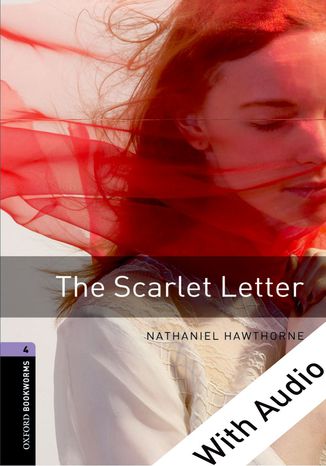
The Scarlet Letter - With Audio Level 4 Oxford Bookworms Library
Hawthorne, Nathaniel
A level 4 Oxford Bookworms Library graded reader. This version includes an audio book: listen to the story as you read. Written for Learners of English by John Escott. Scarlet is the colour of sin, and the letter 'A' stands for 'Adultery'. In the 1600s, in Boston, Massachusetts, love was allowed only between a husband and a wife. A child born outside marriage was a child of sin. Hester Prynne must wear the scarlet letter on her dress for the rest of her life. How can she ever escape from this public shame? What will happen to her child, growing up in the shadow of the scarlet letter? The future holds no joy for Hester Prynne. And what will happen to her sinful lover - the father of her child?
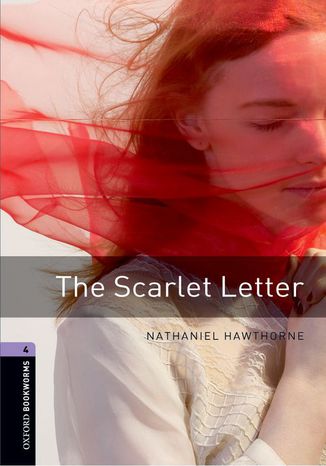
The Scarlet Letter Level 4 Oxford Bookworms Library
Hawthorne, Nathaniel
A level 4 Oxford Bookworms Library graded reader. Written for Learners of English by John Escott Scarlet is the colour of sin, and the letter 'A' stands for 'Adultery'. In the 1600s, in Boston, Massachusetts, love was allowed only between a husband and a wife. A child born outside marriage was a child of sin. Hester Prynne must wear the scarlet letter on her dress for the rest of her life. How can she ever escape from this public shame? What will happen to her child, growing up in the shadow of the scarlet letter? The future holds no joy for Hester Prynne. And what will happen to her sinful lover - the father of her child?
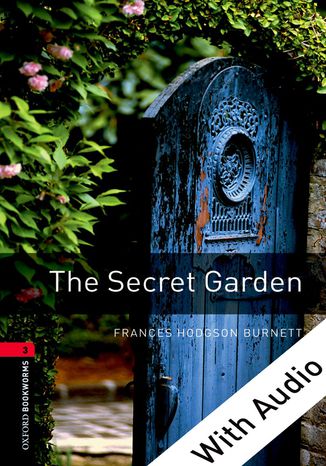
The Secret Garden - With Audio Level 3 Oxford Bookworms Library
Hodgson Burnett, Frances
A level 3 Oxford Bookworms Library graded reader. This version includes an audio book: listen to the story as you read. Retold for Learners of English by Clare West. Little Mary Lennox is a bad-tempered, disagreeable child. When her parents die in India, she is sent back to England to live with her uncle in a big, lonely, old house. There is nothing to do all day except walk in the gardens - and watch the robin flying over the high walls of the secret garden . . . which has been locked for ten years. And no one has the key.
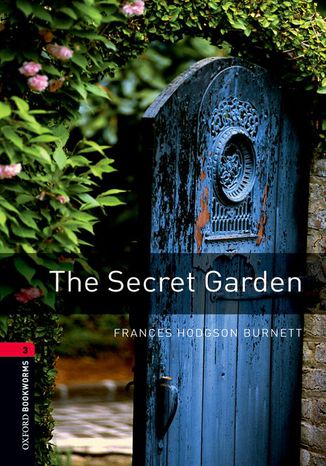
The Secret Garden Level 3 Oxford Bookworms Library
Hodgson Burnett, Frances
A level 3 Oxford Bookworms Library graded reader. Retold for Learners of English by Clare West Little Mary Lennox is a bad-tempered, disagreeable child. When her parents die in India, she is sent back to England to live with her uncle in a big, lonely, old house. There is nothing to do all day except walk in the gardens - and watch the robin flying over the high walls of the secret garden . . . which has been locked for ten years. And no one has the key.
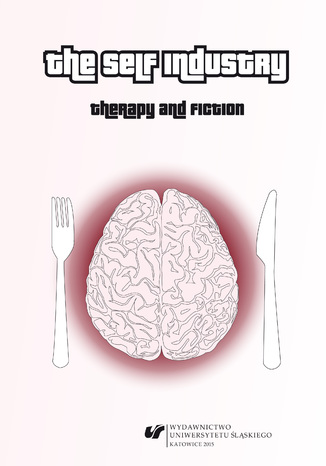
The Self Industry: Therapy and Fiction
red. Jarosław Szurman, Agnieszka Woźniakowska, Krzysztof Kowalczyk-Twarowski
Publikacja dotyczy problemów powstałych na styku literatury i psychologii, w szczególności terapeutycznej funkcji tekstów, zarówno w odniesieniu do ich autorów, jaki i do czytelników. Autorzy poszczególnych artykułów poddają analizie różnorodne teksty kultury powstałe w dziewiętnastym i w dwudziestym wieku, pokazując, że nie tylko psychologia dostarcza narzędzi do odczytania (niekiedy na nowo) tekstów literackich, ale i literatura pomaga w zrozumieniu problemów z dziedziny psychologii.
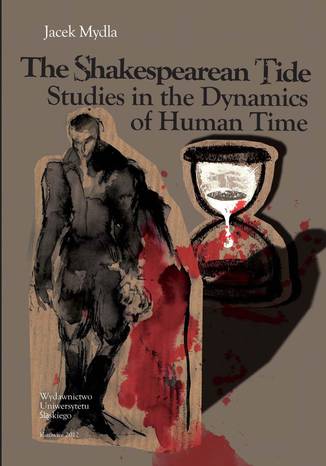
The Shakespearean Tide. Studies in the Dynamics of Human Time
Jacek Mydla
Książka przybliża czytelnikowi problematykę czasu jako tkanki utworu dramatycznego na przykładzie wybranych sztuk Williama Szekspira, tych, w których czas pełni szczególnie istotną funkcję. Przedmiotem rozważań były sztuki o bardzo różnym charakterze, od komedii romantycznej poprzez dramat historyczny i tragedię po późne „romanse”. Każdy z rozdziałów był próbą syntetyzującego wniknięcia w tekst sztuki, który traktowano jako fundament świata literacko wykreowanego, z nastawieniem na ukazanie doniosłego znaczenia czasu, nie tylko jako elementu budującego konkretną czasoprzestrzeń („kalendarz” świata przedstawionego), lecz także jako swoiście ulotnego bytu, nieuchwytnego a jednak warunkującego dynamikę ludzkiej egzystencji (postawy, decyzje, plany, intrygi, itd.). Szczególną uwagę poświęcono tzw. przekleństwu narodzin, tj. osobliwej postawie życiowej zwróconej przeciwko czasowi organicznemu i retoryce ją wyrażającej. Przekleństwo narodzin, jak to sugeruje autor książki, jest charakterystyczne dla tragicznej wizji ludzkiej egzystencji. Okazuje się, iż w swej późnej twórczości Szekspir usiłuje przezwyciężyć ciążące na wielkich tragediach przekonanie o bezsensowności („próżności”) prokreacji i wypracowuje dynamiczną retorykę dramaturgiczną umożliwiającą wyrażenie afirmacji biologicznej strony życia, w tym szczególnie związków między członkami rodziny jako przejawów owej „biologii”, które w tragediach wydają się skażone. Książka pozwala czytelnikowi na zetknięcie się z pulsującym życiem, ale również dramaturgią specyficznie ludzkiego istnienia, tekstem literackim. Namacalny staje się kunszt, z jakim dramaturg wydobywa na jaw to, co istotne w niestałym świecie ludzkich postaw i dążeń, które zawsze i w sposób zasadniczy odniesione zostają do czasu. Skupienie analiz wokół zagadnienia czasu staje się zatem okazją do ponownego przemyślenia – bez groźby osunięcia się w drętwy filozoficzny dyskurs – zasadniczych dla człowieka, „egzystencjalnych”, problemów i dylematów.