
Popularnonaukowe i akademickie
Kategoria "Popularnonaukowe i akademickie" w księgarni Ebookpoint.pl to skarbnica wiedzy dla wszystkich, którzy pragną poszerzać swoje horyzonty i zgłębiać tajemnice świata. Znajdziesz tutaj publikacje z różnych dziedzin nauki, od psychologii i tajemnic ludzkiego umysłu, przez ekonomię, matematykę, aż po kosmologię i zagadnienia Wszechświata. Starannie dobrane ebooki, audiobooki i książki, które w przystępny sposób tlumaczą zachodzące w świecie procesy - nie musisz być związany ze światem nauki, by zrozumieć treść publikowanych tu książek.
The Self Industry: Therapy and Fiction
red. Jarosław Szurman, Agnieszka Woźniakowska, Krzysztof Kowalczyk-Twarowski
Publikacja dotyczy problemów powstałych na styku literatury i psychologii, w szczególności terapeutycznej funkcji tekstów, zarówno w odniesieniu do ich autorów, jaki i do czytelników. Autorzy poszczególnych artykułów poddają analizie różnorodne teksty kultury powstałe w dziewiętnastym i w dwudziestym wieku, pokazując, że nie tylko psychologia dostarcza narzędzi do odczytania (niekiedy na nowo) tekstów literackich, ale i literatura pomaga w zrozumieniu problemów z dziedziny psychologii.
The Shakespearean Tide. Studies in the Dynamics of Human Time
Jacek Mydla
Książka przybliża czytelnikowi problematykę czasu jako tkanki utworu dramatycznego na przykładzie wybranych sztuk Williama Szekspira, tych, w których czas pełni szczególnie istotną funkcję. Przedmiotem rozważań były sztuki o bardzo różnym charakterze, od komedii romantycznej poprzez dramat historyczny i tragedię po późne „romanse”. Każdy z rozdziałów był próbą syntetyzującego wniknięcia w tekst sztuki, który traktowano jako fundament świata literacko wykreowanego, z nastawieniem na ukazanie doniosłego znaczenia czasu, nie tylko jako elementu budującego konkretną czasoprzestrzeń („kalendarz” świata przedstawionego), lecz także jako swoiście ulotnego bytu, nieuchwytnego a jednak warunkującego dynamikę ludzkiej egzystencji (postawy, decyzje, plany, intrygi, itd.). Szczególną uwagę poświęcono tzw. przekleństwu narodzin, tj. osobliwej postawie życiowej zwróconej przeciwko czasowi organicznemu i retoryce ją wyrażającej. Przekleństwo narodzin, jak to sugeruje autor książki, jest charakterystyczne dla tragicznej wizji ludzkiej egzystencji. Okazuje się, iż w swej późnej twórczości Szekspir usiłuje przezwyciężyć ciążące na wielkich tragediach przekonanie o bezsensowności („próżności”) prokreacji i wypracowuje dynamiczną retorykę dramaturgiczną umożliwiającą wyrażenie afirmacji biologicznej strony życia, w tym szczególnie związków między członkami rodziny jako przejawów owej „biologii”, które w tragediach wydają się skażone. Książka pozwala czytelnikowi na zetknięcie się z pulsującym życiem, ale również dramaturgią specyficznie ludzkiego istnienia, tekstem literackim. Namacalny staje się kunszt, z jakim dramaturg wydobywa na jaw to, co istotne w niestałym świecie ludzkich postaw i dążeń, które zawsze i w sposób zasadniczy odniesione zostają do czasu. Skupienie analiz wokół zagadnienia czasu staje się zatem okazją do ponownego przemyślenia – bez groźby osunięcia się w drętwy filozoficzny dyskurs – zasadniczych dla człowieka, „egzystencjalnych”, problemów i dylematów.
Łukasz Pigoński
When the emperor Valentinian III murdered the general Flavius Aetius, it has been observed that he had 'cut his right hand with his left', and the story of the fall of the 'last Roman' has been put in the greater context of the subsequent dissolution of the Roman Empire in the West. However, a similar deed committed by the emperor Leo in the East in 471, when he ordered the killing of the general Aspar, certainly did not gain such a legendary status. The underappreciated story of the survival of the Eastern Roman Empire in the turmoil of the fifth century is however no less dramatic, and the role that powerful military leaders played in those events was certainly paramount. This publication aims to reconstruct the involvement of the Eastern Roman military elite in various matters of the state on the wider background of political history marked by the reigns of the emperors Theodosius II (408-450), Marcian (450-457), and Leo I (457-474). On its pages, the author presents the history of the numerous wars in which the Empire found itself entangled in during that uneasy time, as well as the periods of conflict and cooperation between the generals and the emperors. The focus is not only on the military elite as a group, but also on outstanding individuals, such as generals Plintha, Flavius Zeno, Aspar or Zeno-Tarasikodissa, the aforementioned emperors and their civilian advisors. The result is a comprehensive study and a novel interpretation of the nearly seven decades of turmoil that, contrary to what happened in the West, curiously did not result in the collapse of the Eastern Roman state; perhaps, as the author argues, in no small part due to those military leaders, who were serving and protecting it.
The Star Zoo Level 3 Oxford Bookworms Library
Gilbert, Harry
A level 3 Oxford Bookworms Library graded readers. Written for Learners of English by Harry Gilbert In our world today a hummingbird is a small, brilliantly coloured bird that lives in the tall trees of tropical forests. In the far distant future, Hummingbird (Hummy for short) is a girl of sixteen who lives somewhere in the Galaxy, on a planet called Just Like Home. She has the name 'Hummingbird' in big letters on all her clothes, but she has never seen a real hummingbird. She has never seen any living animal or bird at all. The Book of Remembering says that there were once many animals on a planet called Earth, but that was before the Burning, a long, long time ago . . .
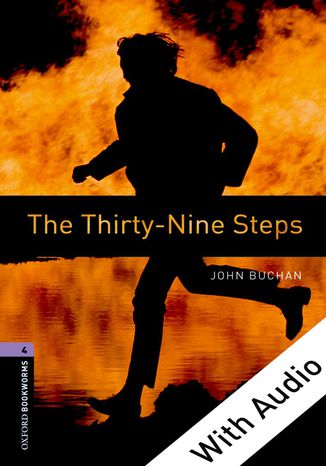
The Thirty-Nine Steps - With Audio Level 4 Oxford Bookworms Library
Buchan, John
A level 4 Oxford Bookworms Library graded reader. This version includes an audio book: listen to the story as you read. Retold for Learners of English by Nick Bullard. 'I turned on the light, but there was nobody there. Then I saw something in the corner that made my blood turn cold. Scudder was lying on his back. There was a long knife through his heart, pinning him to the floor.' Soon Richard Hannay is running to his life across the hills of Scotland. The police are chasing him for a murder he did not do, and another, more dangerous enemy is chasing him as well - the mysterious 'Black Stone'. Who are these people? And why do they want Hannay dead?
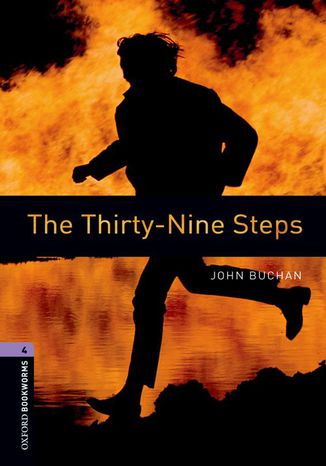
The Thirty-Nine Steps Level 4 Oxford Bookworms Library
Buchan, John
A level 4 Oxford Bookworms Library graded reader. Retold for Learners of English by Nick Bullard 'I turned on the light, but there was nobody there. Then I saw something in the corner that made my blood turn cold. Scudder was lying on his back. There was a long knife through his heart, pinning him to the floor.' Soon Richard Hannay is running to his life across the hills of Scotland. The police are chasing him for a murder he did not do, and another, more dangerous enemy is chasing him as well - the mysterious 'Black Stone'. Who are these people? And why do they want Hannay dead?
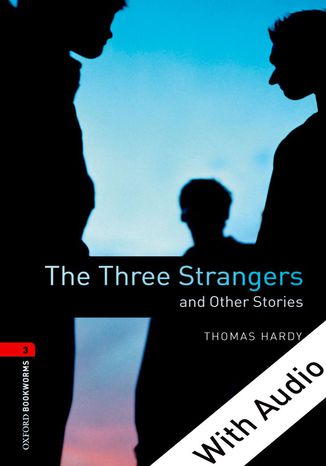
The Three Strangers and Other Stories - With Audio Level 3 Oxford Bookworms Library
Hardy, Thomas
A level 3 Oxford Bookworms Library graded reader. This version includes an audio book: listen to the story as you read. Retold for Learners of English by Clare West. On a stormy winter night, a stranger knocks at the door of a shepherd's cottage. He is cold and hungry, and wants to get out of the rain. He is welcomed inside, but he does not give his name or his business. Who is he, and where has he come from? And he is only the first visitor to call at the cottage that night . . . In these three short stories, Thomas Hardy gives us pictures of the lives of shepherds and hangmen, dukes and teachers. But rich or poor, young or old, they all have the same feelings of fear, hope, love, jealousy . . .
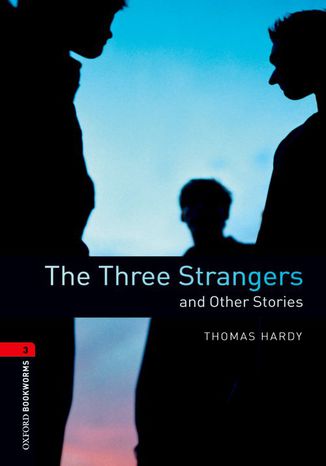
The Three Strangers and Other Stories Level 3 Oxford Bookworms Library
Hardy, Thomas
A level 3 Oxford Bookworms Library graded readers. Retold for Learners of English by Clare West On a stormy winter night, a stranger knocks at the door of a shepherd's cottage. He is cold and hungry, and wants to get out of the rain. He is welcomed inside, but he does not give his name or his business. Who is he, and where has he come from? And he is only the first visitor to call at the cottage that night . . . In these three short stories, Thomas Hardy gives us pictures of the lives of shepherds and hangmen, dukes and teachers. But rich or poor, young or old, they all have the same feelings of fear, hope, love, jealousy . . .