
Zarządzanie
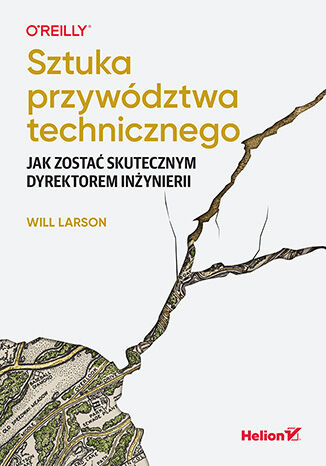
Sztuka przywództwa technicznego. Jak zostać skutecznym dyrektorem inżynierii
Will Larson
Jako menedżer działu inżynierii oprogramowania wiesz już wszystko. Uznajesz, że czas pomyśleć o wyższym stanowisku. Tak, chcesz spróbować swoich sił jako dyrektor! Zacznij jednak od chwili namysłu. Jeśli uważnie przyjrzysz się karierom świeżo upieczonych dyrektorów, zauważysz, że wielu z nich rozpoczyna pracę na tym stanowisku z entuzjazmem tylko po to, by w ciągu 18 miesięcy odejść sfrustrowanym. Jak nie podzielić ich losu? Tego dowiesz z tej książki! Jej autor pokaże Ci, czego potrzebujesz, by zdobyć pracę na stanowisku dyrektora inżynierii oprogramowania, a także zapozna Cię ze sposobami na szybkie wdrożenie się w obowiązki. Następnie przedstawi sytuacje, które zapewne będą dla Ciebie nowością: pomiar wydajności zespołów przeprowadzany na potrzeby inżynierów, jak również dyrektora generalnego, planowanie zatrudnienia w skali całej firmy czy też skuteczna komunikacja w rozwijającej się organizacji. Ponadto zrozumiesz, czym jest strategia technologiczna, i otrzymasz mnóstwo praktycznych wskazówek, które przydadzą się do skutecznego rozwiązywania problemów w obliczu wielu różnych wyzwań. Na koniec dowiesz się, jak rozpoznać moment, w którym należy... odejść z pracy, by zdobyć lepsze, ciekawsze i korzystniejsze stanowisko. To książka pełna przystępnych i praktycznych porad do natychmiastowego zastosowania! Michael Lopp, starszy kierownik do spraw inżynierii

Jacek Kotarbiński
Kim jest rynkolog? Osobnikiem zawodowo tworzącym rynki i zarządzającym nimi. Tworzącym na tych rynkach wartość, z punktu widzenia klienta, właściciela firmy i pracownika. Aby zostać w pełni wykształconym Rynkologiem, trzeba rozumieć i akceptować fakt, że marketing nie służy oszukiwaniu innych ludzi. Jego celem jest budowa realnych wartości, bo dziś to staje się to kluczem do budowania pozytywnych relacji w biznesie... (z bloga autora) Nie obawiaj się o to, „co powie rynek” - stwórz własny! Świat nieco zmienił nam się w ostatnich latach. Jeśli chodzi o biznes i ekonomię, można wręcz rzec, że przeszła rewolucja. Ze społeczeństwa przemysłowego staliśmy się społeczeństwem informacyjnym. Jako konsumenci nie jesteśmy już biernymi odbiorcami przekazu marketingowego. Mamy siłę tworzenia i obalania marek, nasza opinia się liczy, nasz głos ma (niemałą) wagę. Trzeba zrozumieć nasze potrzeby, słuchać naszych słów, prowadzić z nami dialog. Nie warto próbować wmawiać nam, że coś jest świetne, jeśli tak nie jest, albo że coś jest naturalne, jeśli aż świeci się od chemii. Nie warto obrażać się na nas, jeśli słusznie krytykujemy jakość oferowanych nam produktów i usług. Niestety, wciąż wiele firm, organizacji, polityków tego nie rozumie. Ta książka nie jest o marketingu. I równocześnie jest o nowej tożsamości marketingu. Nie jest, jeśli rozumiesz marketing na sposób XX-wieczny, jako narzędzie do tego, by za wszelką cenę coś sprzedać. Jeśli chcesz zarobić na produkcie, usłudze, idei, a równocześnie zdajesz sobie sprawę, że to, co oferujesz, nie jest warte swojej ceny - ta książka nie jest dla Ciebie i nie pomoże Twojemu biznesowi. Jeśli jednak wiesz, że oferujesz wartość, i chcesz stworzyć dla niej rynek: zdobyć grono potrzebujących jej klientów, ulepszać ją dzięki dwustronnej komunikacji, słowem - jeśli rozumiesz marketing na sposób XXI-wieczny, ta książka jest dla Ciebie i powinna stać się Twoją lekturą obowiązkową! Przeczytaj, jeśli chcesz zrozumieć rynkologię - sztukę kreowania wartościowych rynków i zarządzania nimi. PS: Jeśli macie ochotę podyskutować o treściach zawartych w książce, zapraszamy na prowadzony przez Autora facebookowy fanpage facebook.com/sztukarynkologii. Zarówno Autor jak i zespół wydawnictwa będzie wdzięczny na wszelkie uwagi :) Jacek Kotarbiński - uznany autorytet świata marketingu. Laureat konkursu Blog Roku 2012 Onet.pl, w kategorii „Blogi profesjonalne i firmowe”. Bloger „Harvard Business Review Polska”. Od 23 lat praktycznie wspiera firmy w zakresie rozwoju ich konkurencyjności, innowacji i marketingu. Trener biznesu, coach i konsultant zarządów. Jego e-book „Sztuka marketingu” już po czterech miesiącach znalazł się na drugim miejscu iTunes w kategorii „Biznes i Finanse”. Studiował w Niemczech, Austrii i Polsce. Doktorant Uniwersytetu Gdańskiego. Wykładowca Questus/Chartered Institute of Marketing, Akademii Leona Koźmińskiego, Wyższej Szkoły Bankowej, Uniwersytetu Gdańskiego. Autor publikacji w „Marketingu w Praktyce” i „Marketer Plus”. Pomysłodawca fanpage\'a Bareizmy Wiecznie Żywe (101 tys. fanów). Autor bloga kotarbinski.com. Z pewnością wszyscy, którzy zajmują się marketingiem, lubią to, co robią. I wolą to robić, niż o tym czytać. Jednak „Sztuką rynkologii” Jacka Kotarbińskiego niewątpliwie będą zafascynowani. Nie tylko oni zresztą - książka spodoba się również tym, którzy o marketingu nie wiedzą zbyt wiele. prof. dr hab. LECHOSŁAW GARBARSKI, Akademia Leona Koźmińskiego Czytając świetnie napisaną (a właściwie - uroczo wypowiedzianą) autorską analizę marketingu, przestałem się śmiać z żargonu marketerów. Facet wie, co chce powiedzieć, i stosuje oryginalne metody prezentacji swoich przemyśleń. Objaśnianie świata w wykonaniu Kotarbińskiego zbliża się do stanu iluminacji: uwodzi emocjonalnie i przekonuje merytorycznie. prof. dr hab. WIESŁAW GODZIC, Szkoła Wyższa Psychologii Społecznej Wykwintne danie z prostych składników, podlane soczystym humorem. Z sensem, na temat i bez zadęcia. Dekonstrukcja i reaktywacja marketingu w jednym. Można się nie zgadzać, ale koniecznie trzeba przeczytać. dr JOLANTA TKACZYK, Akademia Leona Koźmińskiego Jacek podejmuje się dość trudnej próby zdjęcia z marketingu piętna quasi-nauki, sztuki manipulacji i pejoratywnego zabarwienia. Wykorzystując lekką formę opowieści przeplataną metaforami, w intrygujący sposób wciąga czytelnika w dialog i zmusza do intelektualnej refleksji. dr hab. ROBERT KOZIELSKI, questus, CIM, Chartered Marketer, prof. Uniwersytetu Łódzkiego Książka Jacka Kotarbińskiego odbiega od klasycznych podręczników marketingu. Napisana lekko, z humorem, zawiera dogłębne analizy sytuacji rynkowych, które pozwolą zgłębić arkana sztuki rynkologii. Opisy studiów przypadków, bazujące na głębokiej wiedzy popartej obserwacją i praktyką, czynią z tej książki beletrystyczną opowieść o marketingu, którą rekomenduję. dr BARTŁOMIEJ WALAS, Polska Organizacja Turystyczna Rewelacyjna merytorycznie, rzeczowa i bardzo współczesna książka, dzięki której marketing ma szansę odzyskać swoje dobre imię oraz zasłużone miejsce w biznesie. Podczas lektury czytelnik będzie się świetnie bawił, ponieważ jak przystało na Jacka Kotarbińskiego, język, którym książka została napisana, to często Stanisław Bareja w czystej postaci. BARBARA ŻBIK, Mobility First Książka, która zaskoczyła mnie swoją autentycznością. O jej wyjątkowości decydują poczucie humoru i odwaga w wyrażaniu swoich opinii. Szczególnie spodobało mi się zdanie: „Otóż tak naprawdę to nie marketing oszukuje ludzi, ale ludzie oszukują innych, używając narzędzi marketingu”. Polecam! MAGDALENA CZAJA, San Markos Świeże podejście do marketingu, zmuszające do spojrzenia z zupełnie innej perspektywy na działania marketingowe. Porządkuje wiele pojęć i zjawisk. KAROLINA LIBERKA, Marketing w Praktyce Na początku lat 90. mieszkaniec Słupska otworzył firmę i zawiesił nad jej drzwiami szyld: „Rajstopy MARCETING”. Po ponad dwóch dekadach istnienia wolnego rynku wielu polskich przedsiębiorców wciąż nie ma pojęcia o tym, czym jest marketing. Szkoda, że ta książka powstała dopiero teraz, bo na odczarowanie marketingu - jako klient polskiego biznesu - czekam od dawna. VADIM MAKARENKO, dziennikarz „Gazety Wyborczej” Rzetelna i merytoryczna, a jednocześnie wciągająca i pasjonująca opowieść o marketingu. Książka Jacka Kotarbińskiego to przykład na doskonałe zrozumienie specyfiki świata polskiej „rynkologii”. Pozwala poznać jego fascynującą głębię oraz odkryć odcienie relacji: rynek - marki - konsument - marketing. Polecam! Udany i obfity połów. MAREK STANISZEWSKI, Grupa Havas Worldwide Polska Nie będę ukrywał, że słowo „marketing” kojarzy mi się jak najgorzej. Być może dlatego, że większość parających się nim ludzi najwyraźniej nie uważało na lekcjach. A może chodzi o to, że „Sztuka rynkologii” wychodzi dopiero teraz? MARCIN KĘDRYNA, publicysta
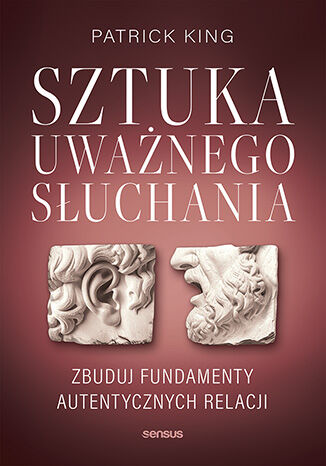
Sztuka uważnego słuchania. Zbuduj fundamenty autentycznych relacji
Patrick King
Dobra rozmowa jest jak mecz tenisowy ― jeśli uwaga, niczym odbijana przez grających piłeczka, przeskakuje symetrycznie pomiędzy uczestnikami. Jeśli jeden z rozmówców koncentruje się tylko na sobie, to dialog zmienia się nagle w monolog lub dwa równolegle wygłaszane monologi. W efekcie obie strony czują się niewysłuchane. Wielu ludzi chce, aby ich słyszano i brano pod uwagę, więc umiejętność sprawiania, aby tak się właśnie poczuli, może się okazać Twoją prawdziwą supermocą. Dzięki tej przystępnej i świetnie napisanej książce dowiesz się, jak rozwijać umiejętność głębokiego, uważnego słuchania. Sprawdzisz, czy nie jesteś konwersacyjnym narcyzem, i sprawisz, że ludzie będą się chętnie przed Tobą otwierali. Już wkrótce się przekonasz, że szczera rozmowa bardzo ułatwia nawiązywanie autentycznych i trwałych relacji. Zorientujesz się, jak bardzo możesz poprawić swoją komunikację poprzez uważne słuchanie, zrozumienie emocji i zwiększenie swojej inteligencji emocjonalnej. Nie tylko lepiej zrozumiesz innych, ale także będziesz łatwiej zdobywać ich zaufanie. W książce znajdziesz też zestaw praktycznych narzędzi, które pomogą Ci w skuteczniejszym porozumiewaniu się zarówno w życiu zawodowym, jak i osobistym. Teraz Ty będziesz sprawiać, że każdy w Twoim towarzystwie poczuje się usłyszany i doceniony! Czy ty w ogóle mnie słuchasz?

Szukając klienta. Jak rozpoznać potencjalnego nabywcę i nie wpadać w pułapkę sprzedawania wszystkim
Arkadiusz Bednarski, Kinga Religa
W całkiem niedawnych, a jednak już zamierzchłych czasach życie zawodowe było prostsze - dział marketingu kreował i realizował koncepty reklamowe, dział handlowy aktywnie poszukiwał i pozyskiwał klientów, dział obsługi zajmował się kontaktami posprzedażowymi. Potencjalnemu klientowi wysyłano listy, dzwoniono do niego, spotykano go na targach, konferencjach i w innych miejscach, w których koncentrowało się życie danej branży... A potem to życie przeniosło się do internetu. Granice między tym, co określamy mianem marketingu, a tym, co definiujemy jako sprzedaż, rozmyły się, a środek ciężkości zdjęto ze sprzedaży, przesuwając go w stronę "jakości doświadczania marki". Czy zatem w przyszłości rolę i zadania handlowców przejmą działy marketingu i obsługi klienta? Czy praca sprzedawcy zdigitalizuje się, zautomatyzuje i straci rację bytu? Otóż nie - handlowcy zawsze będą potrzebni, wszak handlowanie to najstarsze zajęcie na świecie! Jednak także i ta profesja musi się dostosować do wymogów dnia dzisiejszego współczesności. Jakich zatem kompetencji będzie potrzebował współczesny (i przyszły) handlowiec, aby skutecznie funkcjonować na nowoczesnym rynku? Czy w obecnych czasach handlowiec może działać efektywnie bez wiedzy i umiejętności z dziedziny marketingu? A jeżeli ich potrzebuje, to jakich i jak szerokich? Ta książka jest próbą znalezienia odpowiedzi na te pytania. Porusza zagadnienia, które wchodzą w zakres zarówno sprzedaży, jak i marketingu. Przesuwa granicę istniejącej definicji sprzedaży w obszar marketingu. Łączy sprzedaż i marketing w takim stopniu, jaki jest potrzebny sprzedawcom, którzy chcą odnosić sukcesy na nowoczesnym rynku. Z tej książki dowiesz się między innymi: Jakie naprawdę mamy potrzeby i jak podejmujemy decyzję? Kim jest trudny klient i jak sobie z nim radzić. Na czym polega segmentacja i jakie są modele podziału rynku. Kto kupuje markę a kto produkt. Jak zdywersyfikować poszukiwania klientów. Czym jest komunikacja w ujęciu marketingowym. Czy i w jaki sposób wykorzystać reklamę w sprzedaży.

Ścieżka kariery inżyniera technicznego. Zostań współtwórcą swojego rozwoju i podążaj za zmianą
Tanya Reilly
Jak powinna wyglądać Twoja kariera? Najczęściej awans oznacza przywództwo i ścieżkę menedżera. Oczywiście, nie jest to łatwa droga, ale przynajmniej wiadomo, czego można się na niej spodziewać i dokąd mniej więcej prowadzi. Jednak nie dla każdego inżyniera jest to dobry kierunek. To oczywiste - choćby był mistrzem w swoim fachu, nie musi być dobrym przełożonym. W jaki sposób więc inżynier, który nie chce bezpośrednio zarządzać ludźmi, może kształtować swoją karierę i awansować? Ta książka objaśnia, na czym polega istota ścieżki technicznej - z zaznaczeniem, że umiejętność dostosowania aspiracji konkretnej osoby do potrzeb organizacji jest sztuką, szczególnie w wypadku inżynierów, którzy mają wnieść istotny wkład na wysokim poziomie. Dzięki lekturze zrozumiesz swoją rolę w firmie, rozwiniesz myślenie strategiczne i nauczysz się wyznaczać standardy pracy technicznej. Przekonasz się, że możesz się stać liderem bez bezpośredniego zarządzania, dowiesz się, jak planować z wyprzedzeniem i podejmować właściwe decyzje techniczne, a także jak się rozwijać jako ekspert w swojej dziedzinie. Zrozumiesz znaczenie szerokiej, strategicznej perspektywy, przyswoisz taktyki prowadzenia projektów i określisz, co oznacza pojęcie dobrej inżynierii w Twojej organizacji. Ta książka jest jak brakujący instruktaż odnoszący się do całej mojej kariery. Titus Winters, główny naukowiec w Adobe i współautor książki Inżynieria oprogramowania według Google

Jarosław Ropęga
Celem pracy było wyodrębnienie składowych mających wpływ na wystąpienie zdarzeń powodujących wejście firmy na ścieżki niepowodzenia gospodarczego, identyfikacja przebiegu tych ścieżek oraz zaproponowanie sposobów ograniczenia zagrożenia niepowodzeniem dla małych firm. Podjęta w niej problematyka ma duże znaczenie dla teorii i praktyki zarządzania. Książka zawiera wiele interesujących elementów oraz nowatorskich ujęć. Obejmuje obszerną, wielowymiarową analizę zjawiska niepowodzenia gospodarczego w małej firmie, uwzględniającą zarówno czynniki sprawcze, cykle przebiegu niepowodzeń i porażek biznesowych, jak i strategie ich eliminowania. Może być z powodzeniem adresowana do szerokiego kręgu czytelników - zaczynając od środowisk przedsiębiorców, kadr kierowniczych w MŚP, poprzez urzędników kreujących otoczenie regulacyjne, po badaczy i analityków z zakresu zarządzania ryzykiem i zarządzania strategicznego, środowiska akademickie i studentów. Zawiera opis dotyczący przebiegu niepowodzeń w badanych firmach. Przedstawiony schemat przeprowadzenia badań jakościowych jest modelowy. Lektura pogłębi naszą wiedzę i doświadczenia w zakresie sprawności małych firm oraz ich reaktywności na kryzys i niepowodzenia.

Świadomość Kultury Biznesowej (BCA) Polska vs. Kazachstan
Michał Nowakowski, Małgorzata Grudzińska
Praktyczny przewodnik po współpracy międzykulturowej W świecie, w którym współpraca międzynarodowa staje się codziennością, różnice kulturowe przestają być ciekawostką a zaczynają realnie wpływać na efektywność projektów, negocjacji i relacji biznesowych. Ten eBook to kompleksowy przewodnik, który pomaga zrozumieć i świadomie zarządzać różnicami między kulturą biznesową Polski i Kazachstanu. Powstał na bazie autorskiego modelu BCA (Business Culture Awareness), doświadczeń praktycznych oraz analizy realnych sytuacji biznesowych. Co znajdziesz w środku? - porównanie stylów komunikacji, podejmowania decyzji i zarządzania czasem - różnice w budowaniu relacji i zaufania w biznesie - praktyczne wskazówki dotyczące negocjacji i współpracy - konkretne przykłady i interpretacje zachowań w środowisku pracy - etykietę biznesową w praktyce (spotkania, komunikacja, relacje) Dlaczego warto? Zrozumienie różnic kulturowych pozwala: - unikać nieporozumień i błędów komunikacyjnych - skuteczniej negocjować i budować partnerstwa - przyspieszyć procesy decyzyjne - zwiększyć efektywność współpracy międzynarodowej Dla kogo jest ten eBook? - menedżerów i liderów zespołów międzynarodowych - przedsiębiorców rozwijających współpracę z Kazachstanem - wszystkich pracujących w środowisku międzykulturowym Co wyróżnia ten materiał? To nie jest zbiór stereotypów. To praktyczne, oparte na doświadczeniu spojrzenie na realne różnice kulturowe przedstawione w sposób, który można od razu zastosować w pracy.
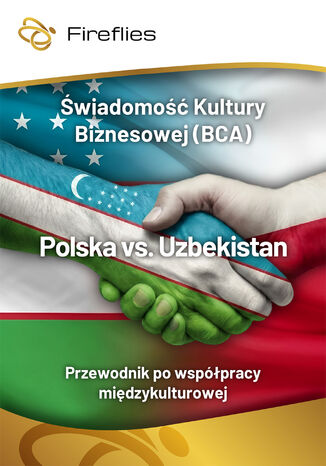
Świadomość Kultury Biznesowej (BCA) Polska vs. Uzbekistan
Michał Nowakowski, Małgorzata Grudzińska
Praktyczny przewodnik po współpracy międzykulturowej W świecie, w którym współpraca międzynarodowa staje się codziennością, różnice kulturowe przestają być ciekawostką a zaczynają realnie wpływać na efektywność projektów, negocjacji i relacji biznesowych. Ten eBook to kompleksowy przewodnik, który pomaga zrozumieć i świadomie zarządzać różnicami między kulturą biznesową Polski i Uzbekistanu. Powstał na bazie autorskiego modelu BCA (Business Culture Awareness), doświadczeń praktycznych oraz analizy realnych sytuacji biznesowych. Co znajdziesz w środku? porównanie stylów komunikacji, podejmowania decyzji i zarządzania czasem różnice w budowaniu relacji i zaufania w biznesie praktyczne wskazówki dotyczące negocjacji i współpracy konkretne przykłady i interpretacje zachowań w środowisku pracy etykietę biznesową w praktyce (spotkania, komunikacja, relacje) Dlaczego warto? Zrozumienie różnic kulturowych pozwala: unikać nieporozumień i błędów komunikacyjnych skuteczniej negocjować i budować partnerstwa przyspieszyć procesy decyzyjne zwiększyć efektywność współpracy międzynarodowej Dla kogo jest ten eBook? menedżerów i liderów zespołów międzynarodowych przedsiębiorców rozwijających współpracę z Uzbekistanem wszystkich pracujących w środowisku międzykulturowym Co wyróżnia ten materiał? To nie jest zbiór stereotypów. To praktyczne, oparte na doświadczeniu spojrzenie na realne różnice kulturowe przedstawione w sposób, który można od razu zastosować w pracy.
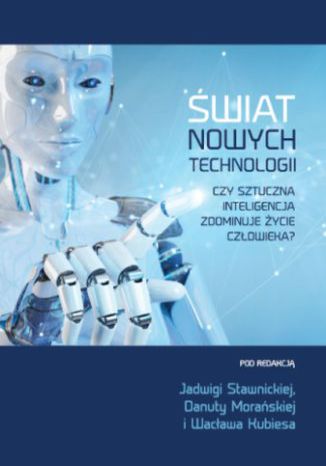
Świat nowych technologii. Czy sztuczna inteligencja zdominuje życie człowieka?
Jadwiga Stawnicka, Danuta Morańska, Wacław Kubies (red.)
Od wielu lat nasze codzienne funkcjonowanie we współczesnym świecie wspierane jest nowymi technologiami. Najnowsze odkrycia uczonych nie pozostają w laboratoriach naukowych, ale z dnia na dzień stają się częścią naszego codziennego życia. Czy jest ktoś, kto obecnie potrafi wyobrazić sobie funkcjonowanie bez dostępu do sieci, komputera czy smartfona? Jeżeli nawet tak, to osoba ta musi liczyć się z tym, że będzie jej trudniej komunikować się ze znajomymi, podróżować, kształcić się, a nawet znaleźć pracę. Powiedzenie, które mówi: Jeżeli nie ma cię w sieci, to nie istniejesz, pokazuje, jak nowe technologie i sztuczna inteligencja kształtuje nasze codzienne funkcjonowanie – czy się na to godzimy czy nie. Obecnie na rynek pracy wchodzi pokolenie, które w swojej książce Jean Twege określa jako pokolenie Igen. Są to osoby, które urodziły się po roku 1995. Czyli takie, które nie pamiętają czasu, gdy Internet nie istniał, nie było Facebooka, Instagrama czy innych platform komunikacyjnych. To właśnie te osoby dzisiaj mają wpływ na kreowanie „cyberświata”. W związku z tym należy zadać sobie pytanie: czy świat nowych technologii i sztuczna inteligencja zdominuje życie człowieka? W książce autorzy poruszają wiele istotnych kwestii związanych z rozwojem nowych technologii i sztucznej inteligencji. Niewątpliwie ich rozwój będzie się przyczyniał do rozwoju naszego kraju i świata. Należy pamiętać, że rozwój to nie tylko korzyści, ale i zagrożenia. Mamy nadzieję, że książka ta skłoni czytelnika do refleksji i odpowiedzi na pytanie, czy nowe technologie i sztuczna inteligencja zdominują życie człowieka.

Tachografy i czas pracy kierowców. Awarie tachografu i karty kierowcy
Adam Janus
E-book "Tachografy i czas pracy kierowców. Awarie tachografu i karty kierowcy" to praktyczne wsparcie dla kierowców i przewoźników w sytuacjach, gdy urządzenie rejestrujące czas pracy działa nieprawidłowo. Publikacja wyjaśnia, jak rozpoznać błędne wskazania tachografu, jakie kroki podjąć w razie awarii oraz jak prawidłowo wykonać wymagane wydruki. Czytelnik dowie się również, jak postępować przy uszkodzeniu karty kierowcy lub tachografu podczas realizacji przewozu.

Tachografy i czas pracy kierowców. Przejazd na potrzeby własne i OUT
Adam Janus, Michał Dynerowicz
E-book "Tachografy i czas pracy kierowców. Przejazd na potrzeby własne i OUT" to praktyczny przewodnik dla kierowców oraz firm transportowych, które wykonują przewozy inne niż klasyczny transport zarobkowy. Publikacja wyjaśnia zasady sprowadzania pojazdów z naczepą, zakupu sprzętu transportowego za granicą oraz realizacji przejazdów prywatnych ciągnikiem. Czytelnik znajdzie odpowiedzi na pytania dotyczące dokumentowania przewozów i wystawiania faktur przy przewozach na potrzeby własne.
Jason Erdreich
Discover the user-friendly interface and versatility of Tinkercad and find out how it’s revolutionizing digital creation. This comprehensive guide explores Tinkercad’s 3D design features, equipping you with the skills to harness its full potential for advanced projects and creations. Written by a patented inventor and Tinkercad expert with over a decade of experience in technology education, this book offers an accessible, yet thorough approach to mastering Tinkercad for users of all levels.You'll enhance your 3D design skills as you delve into professional modeling topics and techniques in Tinkercad. As you progress, you’ll build your skills by mastering essential tools for 3D modeling, such as technical drawings and measurement methods, paving the way for efficient constructive solid geometry abilities. Advanced Tinkercad modeling techniques, including ruler and workplane tools, patterns, and shape generators, will guide you in bringing your designs to life through 3D printing. You'll also learn about advanced concepts such as tolerances, dimensions, material choice, and practical applications with step-by-step guides for creating items like threaded containers, puzzles, phone cases, and more.By the end of the book, you’ll be proficient in crafting intricate designs ready for successful production through 3D printing.

Taktyki sił zbrojnych w życiu i biznesie. Skuteczność - reputacja - wpływ
Ewa Wilmanowicz, płk Krzysztof Leszczyński
Polska Armia uczy - odpowiedzialność -> ZOBACZ Dowodzenia (w biznesie) ucz się od najlepszych! Kto stoi na czele organizacji i stara się skutecznie nią kierować, doskonale wie, że wiąże się to z koniecznością pokonywania różnego rodzaju wyzwań. Szefowanie nigdy nie było łatwe, jednak szczególnie ostatnie lata, w których doświadczyliśmy pandemii, wojny, kryzysu energetycznego, masowych zmian w światowej polityce i gospodarce, stały się dla przedsiębiorców i menedżerów prawdziwym poligonem doświadczalnym. W trudnych momentach biznes chętnie sięga po wiedzę i taktyki, jakimi dysponują wojskowi. Doświadczeni dowódcy są więc zatrudniani jako konsultanci i szkoleniowcy w firmach, które stają w obliczu przełomu. Z takimi sytuacjami bowiem wojskowi potrafią sobie radzić, wszak na tym polega ich praca ― nie tylko na polu bitwy, ale też przy usuwaniu skutków klęsk żywiołowych, wypadków, awarii. Ten poradnik stanowi efekt kilkuletniej współpracy szkoleniowej i doradczej dwojga autorów: związanej z biznesem Ewy Wilmanowicz i żołnierza sił zbrojnych, pułkownika Krzysztofa Leszczyńskiego. Zgromadzona przez nich wiedza dotycząca taktyk wojskowych i możliwości zastosowania ich w biznesie przyda się zarówno freelancerom, jak i właścicielom mniejszych i większych firm, a także międzynarodowych korporacji. Mamy nadzieję, że opisane przez nas narzędzia, techniki i instrukcje pomogą Ci podnieść wyniki, wypracować nowe rozwiązania, a także budować wartość nazwiska i marki firmy poprzez realne odpowiadanie na potrzeby Twoich interesariuszy.

Andrzej Szromnik, Jacek Bazarnik, Adam Figiel, Iryna...
Strategia marketingowa organizacji pomijająca jej uczestnictwo w targach jest strategią ułomną. Pozbawiona jest bowiem podstawowego środka komunikowania się środowiska branżowego, a także strategicznego źródła informacji o partnerach, sprzymierzeńcach, konkurentach, a nawet potencjalnych przeciwnikach. Niniejsza praca ma w zamierzeniu jej Autorów nie tylko przybliżyć idee, cele i koncepcje przedsięwzięć targowych, ale głównie dostarczyć informacji niezbędnych do oceny szans sukcesu przedsiębiorstwa na targach. Książka składa się z dwóch części. Część pierwsza, teoretyczno-opisowa, oparta jest na publikacjach krajowych i zagranicznych na temat targów. Zawiera ona uporządkowany przegląd poglądów dotyczących ich istoty, funkcji i typów. Szczególną uwagę poświęcono charakterystyce uczestników rynku targowego oraz długofalowym kierunkom przemian tego rynku. Zaproponowano system mierników wielkości oraz rangi targów w skali mikro-, mezo- i makroekonomicznej. Druga część monografii zawiera unikatową analizę rzeczywistych struktur polskiego rynku targowego, analizę koncentracji tego rynku oraz hierarchię miejskich ośrodków targowych. Opracowanie jest efektem zainteresowań pracowników Katedry Handlu i Instytucji Rynkowych Uniwersytetu Ekonomicznego w Krakowie, w szczególności dwuletnich studiów oraz analiz w ramach programu badań statutowych UEK.
Chris Chinchilla
Effective documentation is key to the success of products in remote software development teams, facilitating clear instructions that benefit the entire development team. Technical Writing for Software Developers lays a solid foundation of essential grammar, providing language tips and explaining how precise writing enhances documentation, and walks you through the fundamental types and styles of documentation.Starting with an exploration of the current state of the tech writing industry and its significance in both the software and hardware realms, you’ll master the building blocks of technical writing, exploring tooling choices and style guides, and create dynamic multimedia-laden documentation. This book equips you with valuable insights into the writing and feedback process to ensure continuous improvement. Additionally, you’ll take a peek at the emerging trends and technologies, including AI tools, shaping the future of technical writing.By the end of this technical writing book, you’ll have developed the expertise you need to tackle documentation requests effectively, armed with the knowledge of the best approach for documenting any topic, encompassing text, media elements, structure, and appropriate tools. The skills acquired will enable you to achieve seamless teamwork, enhanced project efficiency, and successful software development.
Technologiczne i organizacyjne przeciwdziałanie wykluczeniom społecznym
Marta Skierniewska, Katarzyna Skroban
Celem niniejszego opracowania jest analiza wyzwań związanych z inkluzją społeczną oraz identyfikacja rozwiązań, które mogą przyczynić się do eliminacji barier. W szczególności praca koncentruje się na technologicznych i organizacyjnych sposobach wspierania grup zagrożonych wykluczeniem, takich jak tworzenie inkluzywnych przestrzeni cyfrowych, projektowanie dostępnych aplikacji czy organizowanie kampanii edukacyjnych. Ważnym elementem jest także zrozumienie roli symulacji barier społecznych i technologicznych jako narzędzia zwiększającego świadomość i empatię wśród projektantów i decydentów. Opracowanie ukazuje znaczenie współpracy między różnymi sektorami, w tym instytucjami publicznymi, prywatnymi firmami i organizacjami pozarządowymi, w budowaniu bardziej dostępnego i sprawiedliwego społeczeństwa. Podejście interdyscyplinarne, łączące innowacje technologiczne z praktycznymi rozwiązaniami organizacyjnymi, jest kluczem do efektywnego przeciwdziałania wykluczeniu społecznemu i cyfrowemu. Niniejsza praca ma na celu nie tylko wskazanie problemów, ale przede wszystkim zainspirowanie do działania i wdrażania zmian, które poprawią jakość życia osób najbardziej zagrożonych marginalizacją.