
Literatura
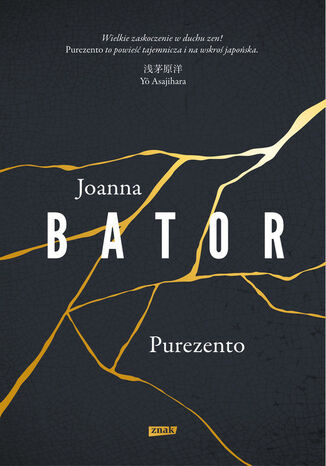
Joanna Bator
Kiedy drzwi zamknęły się za jej chłopakiem, nie wiedziała, że widzi go po raz ostatni. Kiedy zaczęła uczyć polskiego Panią Myko nie przypuszczała, że dzięki niej wyruszy w daleką podróż. Kiedy po raz pierwszy spotkała Mistrza My, nie sądziła, że jej życie na nowo nabierze sensu. Kiedy na jej drodze stanął mężczyzna ze znamieniem w kształcie oliwki na plecach, nie spodziewała się jak silna będzie miłość, która ich połączy. Podróżując wraz z główną bohaterką po Japonii, towarzysząc jej w sklejaniu rozbitych naczyń, czytelnik stopniowo wkracza w harmonijny świat zen, gdzie serce i umysł zapisuje się jednym znakiem kanji, a najpiękniejsze jest to, co niekompletne, przemijające i niedoskonałe. Metaforą ludzkiego losu jest tutaj kintsugi, pradawna sztuka naprawy ceramiki za pomocą złota. Purezento (czyli prezent) to powieść tajemnicza i na wskroś japońska. Poruszająca historia utraty i miłosnej odnowy. Rozgrywająca się w Tokio i Kamakurze opowieść ma słodko-słony smak umami. Joanna Bator pisarka. Autorka . "Wyspy łzy", "Roku Królika" i uhonorowanej Nagrodą Literacką Nike "Ciemno, prawie noc".
Talbot Mundy
Without exaggeration, a very good, rich, interesting event, an adventure and a historical novel in an epic style about the noble personality of the Tros of Samothrace. The page by page describes the incredible courage and dedication of the protagonist in the struggle for Greek freedom and independence while helping the British and Druids fight Julius Caesar.

Francine Rivers
"Purpurowa nić" to powieść o miłości i zdradzie, o zwątpieniu i nadziei, o rozstaniu i powrotach... Życie Sierry Madrid miało być sielanką. Wspaniały mąż. Cudowne dzieci. I pomyślne widoki na przyszłość. Ale czasami powracały we wspomnieniach Sierry słowa jej ojca: "Zobaczysz, że przez tego chłopaka będziesz jeszcze płakać!" Wtedy nie chciała w nie wierzyć, teraz zaś Alex, jej mąż, nie pozwalał o nich zapomnieć. Nagle ten doskonale poukładany świat, konstruowany z marzeń i snów, rozsypał się jak domek z kart... "Spotkanie z tą książką to dla mnie wielka odkrywcza przygoda polegająca na poznaniu wewnętrznej dynamiki małżeństwa i wewnętrznego rozwoju zarówno mężczyzny, jak i kobiety. Ten rozwój, ta progresja możliwe są tylko dzięki Chrystusowi. Polaryzacja egoizmów prowadzi do destrukcji. W miarę zbliżania się do Jezusa bohaterowie odkrywają w jakim stopniu sami dla siebie stają się przeszkodą w rozwoju." O. Jan Góra Francine Rivers, jedna z najpopularniejszych powieściopisarek amerykańskich. Autorka licznych bestsellerów, m.in. nagrodzonego wyróżnieniem Golden Medallion Award cyklu Mark of the Lion (Znamię Lwa), na który składają się trzy powieści: (Głos w wietrze, Echo w ciemności, Jak świt poranka), przenoszące czytelnika w świat starożytnego Rzymu. Poza tą trylogią, która zdobyła miliony czytelników w samych Stanach, znakomicie przyjęte przez krytyków zostały także powieści: "Szofar zabrzmiał", "Ostatni zjadacz grzechu" oraz "Dziecko pokuty".

Beata Majewska
Lęk przed stratą bywa tak samo bolesny jak strata... Nie wiadomo kiedy Alija z brzydkiego kaczątka zmieniła się w prawdziwą piękność. Wychowanka Karima Kasymowa spędza całe dnie w jego luksusowej willi jako pokojówka, ale przede wszystkim wierna przyjaciółka Fabiany, ukochanej Chana. Młoda muzułmanka coraz częściej odczuwa jednak samotność, a kiedy w rezydencji pojawia się nowy ogrodnik, przystojny Michał Chłodny, dociera do niej, że się zakochała i to z wzajemnością. Nie wie, że Michał skrywa mroczny sekret, który determinuje jego postępki. Tyko Radik, zastępca Karima, czuje niechęć do ogrodnika, ale nikt nie bierze na poważnie jego zastrzeżeń, a już na pewno nie zakochana po uszy dziewczyna. Niestety, oni wszyscy słono za to zapłacą. Alija i Fabiana padną ofiarą planów Polaka i trafią w sam środek piekła. Jaką rolę w dramacie odegra Ksenia, córka Dżamili? Kim naprawdę jest Michał Chłodny? I co sprawi, że Alija znajdzie się w miejscu, skąd nie ma żadnego wyjścia poza tym ostatecznym?

Pola Neska
Wisła połyskiwała w blasku wschodzącego słońca. Stolica budziła się do życia, a wraz z nią tysiące mieszkańców. Upalne lato dawało się we znaki wszystkim. Rozgrzane ciała spływały potem zmieszanym z najdroższymi perfumami. Ada czuła, jak jej ciało rozpala coś więcej niż gorący powiew wiatru. Nie spodziewała się, że jedna podróż metrem może doprowadzić ją na szczyt rozkoszy. A to dopiero początek... Zmysłowa opowieść o erotycznych doznaniach bohaterki skąpanej w warszawskim słońcu. Przygotuj się na dreszcze ekscytacji i ciepło rozlewające się po całym ciele.

Pola Neska
Ada i Zbigniew, mimo że są małżeństwem od kilku lat, wciąż pragną się tak, jak pierwszego dnia znajomości. W drugiej części opowieści lądujemy w ich wykwintnym apartamencie z lustrem nad łóżkiem, by następnie dowiedzieć się, jak zdołali się odnaleźć w tłumie przypadkowych ludzi. Już wówczas połączył ich zwierzęcy magnetyzm.
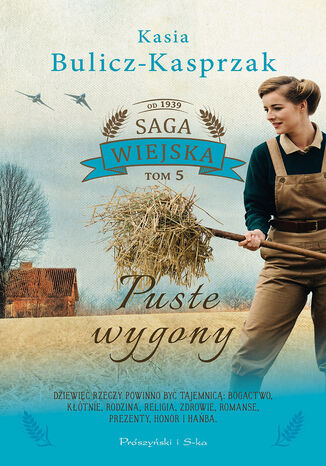
Kasia Bulicz-Kasprzak
Piąty tom porywającej wiejskiej sagi inspirowanej historią rodzinną autorki. Tynczyn zasnuły ponure chmury okupacji. W nowej rzeczywistości ludzie przekonują się, że tak, jak nie należy wracać do przeszłości, tak i o przyszłość lepiej nie pytać. Trzeba się skupić jedynie na tym, jak przetrwać. Każdego wieczoru pojawia się strach, czy nazajutrz znów uda się przeżyć. Kolejne dni są jak ochłapy wyrwane z zakrwawionych zębów losu. Młodzi mieszkańcy Tynczyna nie wiedzą jeszcze wszystkiego o sobie, a już muszą zdawać egzamin z dojrzałości, przyzwoitości, patriotyzmu. Codziennie tracą nadzieję i na nowo ją odzyskują. Wojna zmusza ich do podejmowania decyzji, których nigdy by nie podjęli, do wybierania dróg, którymi nigdy by nie poszli. Gdy wojenny kurz opadnie, będą musieli spojrzeć sobie w oczy i odpowiedzieć na pytanie, jakimi ludźmi są teraz. Kasia Bulicz-Kasprzak - choć dziś mieszka w mieście, od lat jest związana ze wsią; od pokoleń chłopka, właścicielka niewielkiego gospodarstwa na Zamojszczyźnie. Potrafi doić krowy, prowadzić ciągnik. Odróżnia zboża jare od ozimych i zna tajniki uprawy buraków cukrowych. Niezmiennie fascynuje ją polska wieś, jej specyficzny klimat i relacje między mieszkańcami. Pisarka, matka, gospodyni
Stendhal
Pełna intryg, napięcia i niedomówień opowieść o miłości. Główny bohater, Fabryc del Dongo, zostaje odrzucony i wydziedziczony przez własnego ojca z powodu odmiennych poglądów politycznych. Chłopak przyzwyczajony do wystawnego życia i kontaktu z ojcem czuje się zagubiony i nieszczęśliwy. Szuka pocieszenia wśród znanych sobie kobiet. Powieść idealnie oddaje klimat dworski przełomu XVIII i XIX wieku.

Stendhal
- Nie masz się co tak śpieszyć, żołnierzyku - rzekła markietanka, wzruszona bladością i ładnymi oczami Fabrycego. - Nie masz dość tęgiej garści na dzisiejszą młockę. Gdybyś jeszcze miał fuzję, nie mówię: mógłbyś z niej wygarnąć nie gorzej od innych. (Fragment)
Stendhal
Dzieje Fabrycego del Dongo – młodszego syna mediolańskiego arystokraty i bogacza, który odrzuca syna, ponieważ ten przejawia fascynację Napoleonem. Brak miłości ojcowskiej z nawiązką rekompensują Fabrycemu kobiety, od ukochanej ciotki, przez markietanki, aktorki i właściwie wszystkie, które spotyka na swej drodze. Stendhal cudownie plecie burzliwą historię miłości między Fabrycym, hrabiną Sanseverina i córką strażnika więzienia. Znajdziemy w tej opowieści mistrzowskie opisy uczuć, zawiłe intrygi i znakomite portrety psychologiczne. A także opis uroczego świata, którego dawno już nie ma.
Stendhal
“Pustelnia parmeńska” to powieść Stendhala, słynnego francuskiego pisarza epoki romantyzmu oraz prekursora realizmu w literaturze. W powieści tej Stendhal opowiada dzieje Fabrycego del Dongo - młodszego syna mediolańskiego arystokraty i bogacza. Fabrycy, nie mogąc znaleźć w rodzinnym domu szczęścia i miłości, ucieka z Italii i przyłącza się do armii Napoleona. Bierze udział w bitwie pod Waterloo.

Stendhal
Burzliwe losy Fabrycy'ego del Dongo, który mimo że młody, piękny i bogaty, przeżywa tragiczny konflikt. Jego ojciec nie potrafi zaakceptować uwielbienia, jakim syn darzy postać Napoleona - do tego stopnia, że wyrzeka się swojego potomka. Fabrycy rekompensuje sobie brak ojcowskiego zaangażowania poprzez wikłanie się w coraz to nowe relacje romantyczne i erotyczne. Kłopoty wytrawnego uwodziciela rozpoczynają się wtedy, gdy dopada go uczucie szczerej miłości. Wymyślne intrygi, skomplikowane charakterologicznie postaci i zaskakujące zwroty akcji! Nic dziwnego, że w 1948 r. powieść została przeniesiona na srebrny ekran przez Christiana-Jaque'a.
Stendhal
Pustelnia parmeńska Od tłumacza Wydając niedawno po polsku Czerwone i czarne Stendhala, poprzedziłem tę książkę krótkim życiorysem oraz charakterystyką pisarza; nie będę tedy powtarzał tych ogólnych rysów, dodam jedynie kilka słów odnoszących się do samej Pustelni parmeńskiej. Ukazała się ona drukiem w r. 1839, jako ostatni większy utwór Stendhala, pomyślana została jednakże już w r. 1832, tuż po Czerwonym i czarnym. I w istocie czuć, iż oba utwory wyrosły z jednej epoki duchowego życia pisarza, tyle odnajdujemy w nich wspólności. Wspólność — ale raczej wewnętrzna; na pozór znajdujemy się w zupełnie innym świecie. Tam Francja, tu Włochy; tam bohaterem powieści jest ambitny plebejusz, tu spieszczony arystokrata... Mimo to twórczość Stendhala jest — przy pozorach suchego obiektywizmu — tak osobista, iż znów trzeba nam w nim samym poszukać komentarza do tej Pustelni parmeńskiej. Przypomnijmy go sobie w r. 1800, kiedy jako siedemnastoletni chłopak pierwszy raz dosiada konia, aby w ślad za krewniakiem swym, Daru, podążyć do Włoch za armią Bonapartego. Młody Beyle dostaje się do Mediolanu, a siła tych pierwszych upojeń, które znalazł na ziemi włoskiej, jako jedna z żywych głosek wspaniałego rapsodu, który się tam rozgrywał, jest taka, iż w trzydzieści lat później wspomnienie ich starczy, aby mu podyktować karty rozpoczynające Pustelnię parmeńską, jedne z najgorętszych, najbardziej świeżych, jakie kiedy wyszły spod jego pióra. [...]StendhalUr. 23 stycznia 1783 w Grenoble Zm. 23 marca 1842 w Paryżu Najważniejsze dzieła: Czerwone i czarne, Lamiel, Pustelnia parmeńska, Kroniki włoskie, Pamiętnik egotysty Właśc. Marie-Henri Beyle. Powieściopisarz francuski doby romantyzmu, twórca realistycznych powieści łączących wątki psychologiczne, obyczajowe i romansowe oraz szkiców z zakresu historii sztuki i literatury. Służył w armii Napoleona I aż do odwrotu spod Moskwy; był żarliwym obrońcą pamięci Cesarza Francuzów. Serdecznie związany z Włochami i ich kulturą, napisał kilka szkiców na temat sztuki włoskiej (Historia malarstwa we Włoszech, 1817; przewodnik po Rzymie, Neapolu i Florencji), a na swym nagrobku kazał nazwać się ,,Mediolańczykiem".Kupując książkę wspierasz fundację Nowoczesna Polska, która propaguje ideę wolnej kultury. Wolne Lektury to biblioteka internetowa, rozwijana pod patronatem Ministerstwa Edukacji Narodowej. W jej zbiorach znajduje się kilka tysięcy utworów, w tym wiele lektur szkolnych zalecanych do użytku przez MEN, które trafiły już do domeny publicznej. Wszystkie dzieła są odpowiednio opracowane - opatrzone przypisami oraz motywami.
Pustelnia parmeńska. La Chartreuse de Parme
Stendhal
"Pustelnia parmeńska. La Chartreuse de Parme. Książka w dwóch wersjach językowych: polskiej i francuskiej. Version bilingue: polonaise et française W powieści tej Stendhal opowiada dzieje Fabrycego del Dongo - młodszego syna mediolańskiego arystokraty i bogacza. Fabrycy, nie mogąc znaleźć w rodzinnym domu szczęścia i miłości ucieka z Italii i przyłącza się do armii Napoleona (wątek autobiograficzny). Bierze udział w bitwie pod Waterloo. Po powrocie przybywa do swej ukochanej ciotki Giny Sanseverina, do Parmy i decyduje się na wybór kariery duchownej. Nie przeszkadza mu to utrzymywać miłosnych stosunków z aktorką Mariettą. Zazdrosny o nią, zabija jej admiratora i musi uciekać z Parmy. Przez jakiś czas przebywa w Bolonii, a kiedy w końcu w tajemnicy wraca do miasta, zostaje zdekonspirowany i uwięziony w wieży Farnese. Tam zakochuje się w Klelii Conti, córce komendanta więzienia. Ta pomaga mu w ucieczce, ale dręczona wyrzutami sumienia ślubuje Bogu, że już nigdy więcej go nie zobaczy, po czym wychodzi za innego. Fabrycy tymczasem zostaje arcybiskupem Parmy. Po latach tłumione uczucie pomiędzy nimi wybucha na nowo, jednak aby nie złamać przysięgi kochankowie spotykają się tylko nocą. Z tego burzliwego związku przychodzi na świat syn, który wkrótce umiera etc. etc. (https://pl.wikipedia.org/wiki/Pustelnia_parmeńska) Laction du roman commence Milan en 1796, par les confidences dun lieutenant français dénommé Robert, qui conte larrivée dans Milan des armées de la Révolution, menée par le jeune Bonaparte. Ces armées réveillent, dans un peuple lombard anesthésié par la tutelle autrichienne, un vieux fond héroque, et sont accueillies avec une gaieté folle par les Milanais dans leur majorité. Le marquis Del Dongo, farouche et grotesque réactionnaire, partisan de lAutriche, se voit contraint daccueillir les soldats français vainqueurs, dont le lieutenant Robert fait partie. mots couverts, le romancier suggre une idylle entre Robert et la jeune marquise Del Dongo, dont le fruit sera Fabrice. Celui-ci passe sa jeunesse dans la tourmente napoléonienne. Installé Grianta, sur le lac de Côme, avec toute sa famille, le jeune homme resserre les liens entre sa mre et sa tante, Gina Del Dongo, laquelle épouse un général italien partisan des Français, qui trouve la mort en 1814. Pendant ce temps, son pre (officiel) et son frre (demi-frre) sont espions pour le compte de labsolutisme autrichien, et triomphent quand, en 1813-1814, les armées napoléoniennes sont vaincues, et que Milan retombe sous la coupe de lempereur dAutriche etc. etc. (https://fr.wikipedia.org/wiki/La_Chartreuse_de_Parme)"
Helena Mniszkówna
Tytułowy bohater to profesor Medard Hruda, który po podróżowaniu po całym świecie osiadł w puszczy wołyńskiej. Tam leczy okoliczną prostą ludność i jednocześnie obraca się w środowisku osób wysoko postawionych. Wśród nich jest księżna Bożenna, którą profesor namawia do przeznaczenia części majątku na cele charytatywne. Pomysł ten nie podoba się jej mężowi, który uważa społeczne zaangażowanie żony za fanaberię. Jednak w obliczu wojny postawa księżnej ostatecznie wygrywa.
Helena Mniszek
Pustelnik, który dał tytuł tej powieści, to profesor Medard Hruda, obieżyświat, który na koniec, postanowiwszy odmienić swoje życie, zdecydował się zamieszkać w puszczy na Wołyniu, gdzie lecząc ubogich wieśniaków nie stracił jednak kontaktu z wyższymi sferami. Jedną z dam do owych sfer należących jest księżna Bożenna, która profesor nakłania do poświęcenia części majątku na rzecz wspierania ubogich. Prowadzi to do konfliktu pomiędzy książęcymi małżonkami, bowiem mąż jest absolutnie przeciwny realizacji tego niemądrego projektu, tej fanaberii Bożenny, ale nadchodzi czas, gdy wszystko się zmienia...