
Literatura

Eva Minge
W świecie wielkiego biznesu i walki o władzę tylko dwie rzeczy wzbudzają emocje seks i zemsta. Bohaterowie najnowszej powieści Evy Minge nie wzięli pod uwagę jednego że w wyniku wojny na wyczerpanie największe straty poniosą oni sami i ich najbliżsi. Mroczna przeszłość Stelli, właścicielki najlepszej agencji modelek, kładzie się cieniem na jej życiu osobistym. Tajemnice i niedopowiedzenia utrudniają jej nawiązanie bliższej relacji z córką. Stella nie zaprząta sobie jednak tym zbytnio głowy, dopóki córka jest posłuszna, a interes się kręci. Ale Kara dorasta, a rozczarowanie brakiem miłości ze strony matki przeradza się powoli w nienawiść. Sprawy się komplikują, gdy wrogowie Stelli postanawiają ją zniszczyć. Po której stronie stanie córka? Czy wykorzysta moment słabości matki, by przejąć jej agencję, czy ukarze ją, doprowadzając biznesowe imperium do upadku? I jak to się stało, że grzeczna dziewczynka zmieniła się w mistrzynię manipulacji? W tym świecie wszyscy ponoszą karę za błędy. Eva Minge jedna z najbardziej znanych na świecie polskich projektantek mody. Artystka, miłośniczka piękna. Na swoim profilu na Instagramie komentuje ważne zjawiska społeczne i staje w obronie osób atakowanych medialnie. Działa na rzecz osób z niepełnosprawnością. W 2015 roku założyła fundację Black Butterflies, która stawia sobie za cel pomoc osobom chorym przewlekle i onkologicznie. Karierę kreatorki mody zaczynała na początku lat 90. Jej kolekcje prezentowane były na pokazach w Mediolanie, Nowym Jorku, Paryżu, Rzymie, Montrealu, Moskwie i Dubaju. W 2003 roku jako jedyna projektantka z Polski zaprezentowała swoje kreacje na słynnych Schodach Hiszpańskich w Rzymie podczas Donna sotto le stelle.
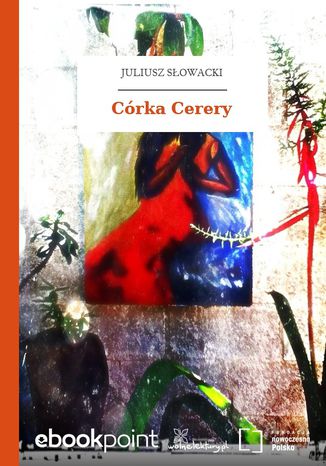
Juliusz Słowacki
Córka Cerery I Przez miedzę, która podobna do szlaków Różnych kolorów, między złotym kłosem Tyś szła, owieczka, białością i losem Podobna owcy śród kłosów i maków. Wtem Pluton, ogniem wylatując z krzaków, Porwał cię w ręce i uniósł do piekła, Córko Cerery — a tyś nic nie rzekła; Weselił cię gwałt i wrzask nocnych ptaków. [...]Juliusz SłowackiUr. 4 września 1809 r. w Krzemieńcu Zm. 3 kwietnia 1849 r. w Paryżu Najważniejsze dzieła: Kordian (1834), Anhelli (1838), Balladyna (1839), Lilla Weneda (1840), Beniowski (1840-46), Sen srebrny Salomei (1844), Król-Duch (1845-49); wiersze: Grób Agamemnona (1839), Hymn o zachodzie słońca (1839), Odpowiedź na ?Psalmy przyszłości? (1848) Polski poeta okresu romantyzmu, epistolograf, dramaturg. W swoich utworach (zgodnie z duchem epoki i ówczesną sytuacją Polaków) podejmował problemy związane z walką narodowowyzwoleńczą, przeszłością narodu i przyczynami niewoli. Jego twórczość cechuje kunsztowność języka poetyckiego. W późniejszym, mistycznym okresie stworzył własną odmianę romant. mesjanizmu i kosmogonii (system genezyjski). Studiował prawo w Wilnie, krótko pracował w Warszawie w Komisji Rządowej Przychodów i Skarbu oraz w Biurze Dyplomatycznym Rządu powstańczego 1831 r. Podróżował po Szwajcarii, Włoszech, Grecji, Egipcie i Palestynie. Osiadł w Paryżu, gdzie zmarł na gruźlicę i został pochowany na cmentarzu Montmartre. W 1927 r. jego prochy złożono w katedrze na Wawelu. autor: Katarzyna Starzycka Kupując książkę wspierasz fundację Nowoczesna Polska, która propaguje ideę wolnej kultury. Wolne Lektury to biblioteka internetowa, rozwijana pod patronatem Ministerstwa Edukacji Narodowej. W jej zbiorach znajduje się kilka tysięcy utworów, w tym wiele lektur szkolnych zalecanych do użytku przez MEN, które trafiły już do domeny publicznej. Wszystkie dzieła są odpowiednio opracowane - opatrzone przypisami oraz motywami.

Córka cieni cz. 3. Burza przed ciszą
Ewa Cielesz
Trzecia część trylogii Ewy Cielesz odkrywa dalszy ciąg historii Juliany. Nowe domy, ucieczki, niechciana miłość, powojenna rzeczywistość, dobrzy ludzie, niespodziewany wróg, a wreszcie własny dom. Czy odnajdzie w nim szczęście i spokój?
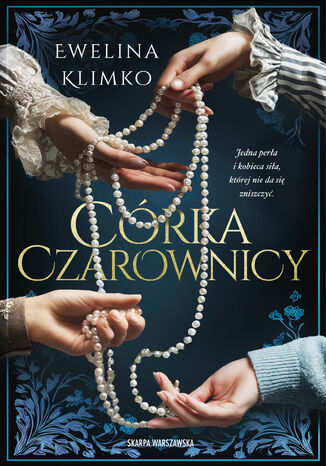
Ewelina Klimko
Jedna perła i kobieca siła, której nie da się zniszczyć. Od siedemnastowiecznych procesów o czary po najmroczniejsze sekrety II wojny światowej losy kobiet splatają się wokół symbolu, który przetrwał wszystko. Perła niesie pamięć, prawdę i odwagę - dziedzictwo przekazywane z pokolenia na pokolenie. Margareta - córka czarownicy wychowana w cieniu przemocy i oskarżeń. Maria Józefa - arystokratka, która odważyła się powiedzieć prawdę. Ewa i Greta - uwięzione w samym sercu nazistowskiego projektu, odkrywające sekret sprzed dwóch stuleci, który miał zostać pogrzebany na zawsze. Między lojalnością a strachem, przyjaźnią a zdradą rozpoczyna się walka o coś znacznie większego niż relikt przeszłości. To opowieść o kobietach, które przetrwały stosy, sądy i wojnę. O głosie, którego nie można uciszyć. O sile zamkniętej w perle. "Córka Czarownicy" to porywająca opowieść o solidarności mocniejszej niż nienawiść. Poruszający manifest kobiecej odwagi. Czy jedna perła wystarczy, by rozświetlić najmroczniejszy czas w dziejach ludzkości? Czy odważysz się poznać jej tajemnicę?
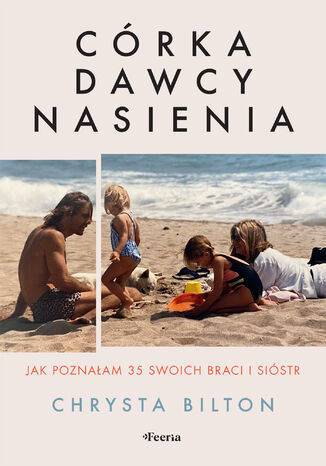
Córka dawcy nasienia. Jak poznałam 35 swoich braci i sióstr
Chrysta Bilton
Co dla ciebie znaczą słowa normalna rodzina? Jakąkolwiek przyjmiesz definicję moja rodzina prawdopodobnie się w niej nie mieści. Już samo bycie homoseksualną matką wystarczyłoby, żeby wypaść poza schemat, zwłaszcza w Ameryce lat osiemdziesiątych. A jeśli przyszła mama która w dodatku balansuje między pragnieniem niezależności a uzależnieniami od kobiet, narkotyków i adrenaliny znajduje sobie kandydata na ojca swoich dzieci w salonie fryzjerskim, robi się już zupełnie niestandardowo. Jakby tego było mało, wysportowany, przystojny i zamożny mężczyzna, który wydał się kobiecie idealnym materiałem na ojca jej dwóch córek, z czasem (wbrew złożonej obietnicy!) zostaje dawcą nasienia niemal na pełny etat. Niektóre sekrety jednak tylko czekają na odpowiedni moment, by się ujawnić. Tak oto w wieku dwudziestu kilku lat autorka tej książki dowiedziała się nagle, że to, co stanowiło jej zdaniem problem jej rodziny, jest tylko wierzchołkiem góry lodowej, a grupa jej braci i sióstr może liczyć dziesiątki osób Przeczytaj historię niezwykłej rodziny głęboko dysfunkcyjnej, ale i pełnej szalonej miłości. Ta niemal filmowa opowieść to prawdziwy rollercoaster wspomnień, który sprawi, że wielokrotnie się wzruszysz, roześmiejesz i na nowo przemyślisz istotę tego, czym jest prawdziwa rodzina.

Córka dwóch światów. Moja opowieść o dzieciństwie naznaczonym przemocą, walce o siebie i nadziei
Zeinab Hashmat-Pache
Zeinab Hashmat-Pache pół-Polka, pół-Egipcjanka dorastała w dwóch światach: w pachnącym przyprawami Kairze i w szarej, przytłaczającej rzeczywistości polskiego blokowiska lat dziewięćdziesiątych. W jednym była księżniczką wychowywaną przez czułych dziadków, w drugim dziewczynką przez lata ignorowaną i niesłyszaną. Córka dwóch światów to intymna opowieść o dorastaniu między dwiema kulturami, o przemocy, samotności i tęsknocie za rodzeństwem. O walce z systemem, o strachu, który można przełamać, o miłości i nadziei, które potrafią przetrwać nawet najciemniejsze chwile. Bez oskarżeń, z czułością i autentycznością Zeinab Hashmat-Pache pokazuje, jak z ran może narodzić się odwaga. To świadectwo wewnętrznej siły dziecka i jego oporu wobec niesprawiedliwości. To historia, która zostanie z Tobą na zawsze. Zeinab Hashmat Pache pół-Polka, pół-Egipcjanka. Absolwentka arabistyki i kulturoznawstwa na Uniwersytecie SWPS. Zawodowo zajmuję się PR i komunikacją zarówno w branży rozrywkowej, jak i w organizacji pozarządowej działającej na rzecz dzieci. Córka dwóch światów to jej debiut literacki: poruszająca autobiografia, w której wraca do trudnego dzieciństwa i głośnej historii z lat dziewięćdziesiątych Jako dorosła kobieta oddaje głos małej dziewczynce, której nikt wtedy nie chciał wysłuchać.
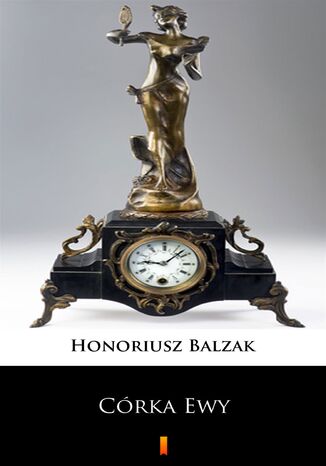
Honoriusz Balzak
Powieść Córka Ewy Honoriusza Balzaka należy do Scen z życia prywatnego cyklu Komedia Ludzka. Opowiada losy hrabiny Marii de Vandenesse. Kobieta została wydana za mąż ze względów finansowych. Nie żywi jakichkolwiek uczuć wobec męża. Chcąc ożywić nudę codziennego życia, nawiązuje romans z poetą Natanem. Ten postanawia wykorzystać jej pozycję materialną do realizacji własnych planów...
Honoré Balzac
Utwór z serii "Komedia Ludzka" - cyklu powieści i opowiadań francuskiego pisarza Honoriusza Balzaka. Balzac potraktował człowieka jako gatunek przyrodniczy i rozpatruje jego odmiany występujące w różnych środowiskach. Siłą napędową jego postaci jest dążenie do kariery i zdobycie pieniędzy. Sprawy finansowe znał z własnego doświadczenia, opisy operacji kredytowych (weksle, długi, wierzyciele, egzekucje) mogą służyć jako przykłady podręcznikowe z ekonomii. Obok pieniądza najważniejszym tematem jest miłość. Balzac zgłębił duszę (psychikę) kobiety, jak mało który pisarz. Po pierwszych sukcesach literackich Balzac prowadził bujne życie towarzyskie, był ulubieńcem pań z towarzystwa, które nie szczędziły mu swych wdzięków. On za to chcąc zaimponować swym kochankom, wydawał więcej niż zarabiał, przez co tonął w długach. Ratował się biorąc zaliczki na powieści, których jeszcze nie napisał.