
Nobliści
George Bernard Shaw
“The Irrational Knot” is a novel by George Bernard Shaw, an Irish playwright who became the leading dramatist of his generation, and in 1925 was awarded the Nobel Prize in Literature. An Unsocial Socialist is George Bernard Shaw's second novel. Shaw wrote five novels early in his career and then abandoned them to pursue politics, drama criticism, and eventually playwriting.
Sinclair Lewis
“The Job” is a book by Sinclair Lewis an American writer. In 1930, he became the first writer from the United States to receive the Nobel Prize in Literature. The Job is an early work by American novelist Sinclair Lewis. It is considered an early declaration of the rights of working women. The focus is on the main character, Una Golden, and her desire to establish herself in a legitimate occupation while balancing the eventual need for marriage.
Sinclair Lewis
“The Kidnaped Memorial” is a book by Sinclair Lewis an American writer. In 1930, he became the first writer from the United States to receive the Nobel Prize in Literature. “The Kidnaped Memorial” is a short story by Sinclair Lewis. “Wakamin is a town with a soul. It used to have a sentimental soul which got thrills out of neighborliness and “The Star–Spangled Banner,” but now it wavers between two generations, with none of the strong, silly ambition of either. The pioneering generation has died out, and of the young men, a hundred have gone to that new pioneering in France. Along the way they will behold the world, see the goodness and eagerness of it, and not greatly desire to come back to the straggly ungenerous streets of Wakamin.” Preview.
George Bernard Shaw
“The Man of Destiny” is a play by George Bernard Shaw, an Irish playwright who became the leading dramatist of his generation, and in 1925 was awarded the Nobel Prize in Literature. The Man of Destiny is a play by George Bernard Shaw, set in Italy during the early career of Napoleon. It was published as a part of Plays Pleasant, which also included Arms and the Man, Candida and You Never Can Tell. Shaw titled the volume Plays Pleasant in order to contrast it with his first book of plays, Plays Unpleasant.
George Bernard Shaw
“The Music Cure” is a play by George Bernard Shaw, an Irish playwright who became the leading dramatist of his generation, and in 1925 was awarded the Nobel Prize in Literature. The Music Cure is a short comedy sketch by George Bernard Shaw. Lord Reginald Fitzambey, Under-Secretary of State for War, is in a distressed state. He explains to his doctor that, knowing the British army would soon be put on a vegetarian diet, he bought shares in the Macaroni Trust. Brought before a parliamentary committee for profiteering, Fitzambey had tried to explain that macaroni was a normal investment. Now he is highly sensitised to anything distressing. His doctor prescribes rest and offers him opium pills.
George Bernard Shaw
“The Philanderer” is a play by George Bernard Shaw, an Irish playwright who became the leading dramatist of his generation, and in 1925 was awarded the Nobel Prize in Literature. The Philanderer was written in 1893 but the strict British censorship laws at the time meant that it was not produced on stage until 1902. This is one of three plays Shaw published as Plays Unpleasant in 1898. They were termed "unpleasant" because they were intended, not to entertain their audiences – as the traditional Victorian theatre was expected to – but to raise awareness of social problems and to censure exploitation of the labouring class by the unproductive rich. The other plays in the group are Widowers' Houses and Mrs. Warren's Profession.
The Shewing-up of Blanco Posnet
George Bernard Shaw
“The Shewing-up of Blanco Posnet” is a play by George Bernard Shaw, an Irish playwright who became the leading dramatist of his generation, and in 1925 was awarded the Nobel Prize in Literature. Shaw claimed that "this little play is really a religious tract in dramatic form", the plot being less important than the debate about morality and divinity that occurs between the characters. He was using the folksy language and quirky insights of his principal character to explore his version of the Nietzschean concept that modern morality must move "beyond good and evil". Shaw took the view that God is a process of continual self-overcoming: "if I could conceive a god as deliberately creating something less than himself, I should class him as a cad. If he were simply satisfied with himself, I should class him as a lazy coxcomb. My god must continually strive to surpass himself." When he heard that Leo Tolstoy had shown an interest in the ideas expressed in the play, he wrote a letter to him explaining his views further.
Sinclair Lewis
“The Willow Walk” is a book by Sinclair Lewis an American writer. In 1930, he became the first writer from the United States to receive the Nobel Prize in Literature. “The Willow Walk” is a short story by Sinclair Lewis. “From the drawer of his table Jasper Holt took a pane of window glass. He laid a sheet of paper on the glass and wrote, “Now is the time for all good men to come to the aid of their party.” He studied his round business-college script, and rewrote the sentence in a small finicky hand, that of a studious old man. Ten times he copied the words in that false pinched writing. He tore up the paper, burned the fragments in his large ash tray and washed the delicate ashes down his stationary washbowl. He replaced the pane of glass in the drawer, tapping it with satisfaction. A glass underlay does not retain an impression.” Preview.
Sinclair Lewis
“Things” is a book by Sinclair Lewis an American writer. In 1930, he became the first writer from the United States to receive the Nobel Prize in Literature. “Things” is a short story by Sinclair Lewis. “This is not the story of Theodora Duke and Stacy Lindstrom, but of a traveling bag with silver fittings, a collection of cloisonné, a pile of ratty school-books, and a fireless cooker that did not cook. Long before these things were acquired, when Theo was a girl and her father, Lyman Duke, was a so-so dealer in cut-over lands, there was a feeling of adventure in the family. They lived in a small brown house which predicated children and rabbits in the back yard, and a father invariably home for supper. But Mr. Duke was always catching trains to look at pine tracts in northern Minnesota. Often his wife went along and, in the wilds, way and beyond Grand Marais and the steely shore of Lake Superior, she heard wolves howl and was unafraid.” Preview.
Bjørnstjerne Bjørnson
“Tomasz Rendalen” to powieść Bjørnstjerne Bjørnsona, norweskiego pisarza, laureata Nagrody Nobla w dziedzinie literatury. “Kurt miał podówczas u siebie pewną kobietę, bardzo piękną, pochodzenia flamandzkiego, żonę żeglarza, którą zwabił do dworu i już nie oddał, tak że żeglarz musiał sam ruszyć w dalszą drogę. Kobieta owa zapałała wielką miłością do budowniczego, stawiającego wieżę, a on ją również pokochał. Kurt dręczył przez pewien czas oboje, a razu pewnego kazał rozebrać do naga i pędzić ich po całym placu targowym. Uciekli łodzią i niewiadomo, co się z nimi potem stało.” Fragment książki “Tomasz Rendalen”
Władysław Reymont
„Tomek Baran„ to nowela Władysława Reymonta, pisarza, prozaika i nowelisty, laureata Nagrody Nobla w dziedzinie literatury. Tytułowy bohater, Tomek Baran, traci pracę i od tego momentu obserwujemy dramat rozgrywający się w jego życiu. Bieda, choroba, śmierć i tragiczna dola najbliższych są przyczyną moralnego upadku bohatera.
Władysław Reymont
„W palarni opium„ to opowiadanie Władysława Reymonta, pisarza, prozaika i nowelisty, laureata Nagrody Nobla w dziedzinie literatury. „ Statek znowu skoczył tak raptownie, jak koń, uderzony niespodziewanie ostrogą; kilku podróżnych z wyższego pomostu I-ej klasy zleciało z trzcinowych foteli na sąsiadów, ja uderzyłem głową jakiegoś jasnowłosego olbrzyma, schowanego w żółty waterproof. — Do djabła! — zaklął po polsku. Odpowiedziałem również energicznie, bo jednocześnie uderzyłem ramieniem w poręcz fotelu. — O, rodak! — zawołał, pomagając mi wrócić do równowagi. — Tak! Zajrzeliśmy sobie w oczy zbliska, bo tylko jedna latarnia, przyczepiona do masztu, słabo oświetlała pomost. — Widziałem obywatela w Paryżu, na Łuku Triumfalnym. — Istotnie, byłem… — ale nie mogłem sobie przypomnieć jego twarzy. — Obywatel z Królestwa? — zapytałem, aby coś powiedzieć. — Ze świata! — odpowiedział zimno. Nie pytałem się więcej, i siedzieliśmy w milczeniu.” Fragment książki „W palarni opium”
Władysław Reymont
„W polu„ to opowiadanie Władysława Reymonta, pisarza, prozaika i nowelisty, laureata Nagrody Nobla w dziedzinie literatury. “Michał Kozioł porwał się gwałtownie z barłogu, jakby na mocny głos, wrzeszczący mu do ucha, by wstawał czemprędzej. Nie dojrzał jednak nikogo, w ciemnościach rozlegały się jeno chrapania śpiących. To znowu wyraźnie usłyszał, jako ktoś chodzi nad nim po rumowiskach chałupy. Wylazł śpiesznie z głębokiego dołu na świat, przytaił dech i napróżno brodził oczami w ciemnościach i nasłuchiwał. Noc jeszcze była zupełna.” Fragment
Henryk Sienkiewicz
"W pustyni i w puszczy" to powieść przygodowa dla młodzieży autorstwa Henryka Sienkiewicza. Powieść została przełożona na ponad 20 języków i stała sie światowym bestsellerem.

Henryk Sienkiewicz
W pustyni i w puszczy ROZDZIAŁ I — Wiesz, Nel — mówił Staś Tarkowski do swojej przyjaciółki, małej Angielki — wczoraj przyszli zabtie (policjanci) i aresztowali żonę dozorcy Smaina i jej troje dzieci — tę Fatmę, która już kilka razy przychodziła do biura do twojego ojca i do mego. A mała, podobna do ślicznego obrazka Nel podniosła swe zielonawe oczy na Stasia i zapytała na wpół ze zdziwieniem, a na wpół ze strachem: — Wzięli ją do więzienia? [...]Henryk SienkiewiczUr. 5 maja 1846 r. w Woli Okrzejskiej na Podlasiu Zm. 15 listopada 1916 r. w Vevey (Szwajcaria) Najważniejsze dzieła: nowele: Za chlebem (1880), Janko Muzykant (1880), Latarnik (1882); powieści: Trylogia (Ogniem i mieczem 1883-83, Potop 1886, Pan Wołodyjowski 1888), Quo vadis (1896), Krzyżacy (1900), W pustyni i w puszczy (1911) Polski powieściopisarz i publicysta, laureat Nagrody Nobla za ?całokształt twórczości? (1905). Studiował (1866-71) na różnych wydziałach Szkoły Głównej i rosyjskiego UW, lecz żadnego nie ukończył. Pracował jako dziennikarz (felietony pod pseud. ?Litwos?) i jako korespondent w Ameryce Pn. (1876-78). Wiele podróżował (Konstantynopol, Ateny, Zanzibar). Debiutował w 1872 r. powieścią współczesną Na marne oraz tendencyjnymi nowelami Humoreski z teki Worszyłły. Sławę przyniosły mu powieści historyczne. Działacz społeczny: ufundował (1889) stypendium, z którego korzystali m.in. Wyspiański, Konopnicka, Przybyszewski i Tetmajer; założył sanatorium przeciwgruźlicze dla dzieci w Bystrem; wyjechawszy do Szwajcarii w 1914 r. organizował pomoc ofiarom wojny w Polsce. autor: Cezary Ryska Kupując książkę wspierasz fundację Nowoczesna Polska, która propaguje ideę wolnej kultury. Wolne Lektury to biblioteka internetowa, rozwijana pod patronatem Ministerstwa Edukacji Narodowej. W jej zbiorach znajduje się kilka tysięcy utworów, w tym wiele lektur szkolnych zalecanych do użytku przez MEN, które trafiły już do domeny publicznej. Wszystkie dzieła są odpowiednio opracowane - opatrzone przypisami oraz motywami.
Władysław Reymont
„Wampir„ to powieść grozy Władysława Reymonta, pisarza, prozaika i nowelisty, laureata Nagrody Nobla w dziedzinie literatury. Główny bohater, poeta Zenon, jest emigrantem z Polski, który osiedlił się w Londynie. Tam znajduje stabilizację życiową oraz piękną narzeczoną Betsy. Jego życie komplikuje się w chwili, gdy pod wpływem przyjaciela ulega tajemnicom spirytyzmu.
Henryk Sienkiewicz
“We mgle" to nowela autorstwa Henryka Sienkiewicza, laureata literackiej Nagrody Nobla, jednego z najpopularniejszych polskich pisarzy przełomu XIX i XX w. “Marjan Nowicki, właściciel Zawady, był to starzejący się kawaler, zasiedziały na wsi, zapracowany na małym i mało intratnym kawałku, trochę egoista, a zresztą człowiek niezły i niegłupi. Dla bratowej, o której mawiał: „zacna, ale egzaltowana kobieta“, — żywił w głębi duszy nadzwyczajny, lubo trochę bezwiedny szacunek, a o jej ciężkiem życiu i o niej samej myślał zawsze z pewnem rozczuleniem. Byłby się może z nią po śmierci brata nawet ożenił, gdyby nie to, że już był zbyt ociężał i bał się ciężaru nad siły, zmiany życia, a nawet i tych zabiegów, które są konieczne przed małżeństwem. Rzadko też bywał w Warszawie, trochę z powodu kosztów, a trochę z obawy, aby mu postać bratowej, mająca jeszcze, mimo siwiejących włosów, jakiś panieński urok, nie napędzała „niepraktycznych“ myśli do głowy. Kochał jednakże szczerze małą Julkę. Dla chłopców, których zwał basałykami, był dość obojętny.”
George Bernard Shaw
“Widowers' Houses” is a play by George Bernard Shaw, an Irish playwright who became the leading dramatist of his generation, and in 1925 was awarded the Nobel Prize in Literature. Widowers' Houses was the first play by George Bernard Shaw to be staged. This is one of three plays Shaw published as Plays Unpleasant in 1898. They were termed "unpleasant" because they were intended, not to entertain their audiences – as the traditional Victorian theatre was expected to – but to raise awareness of social problems and to censure exploitation of the labouring class by the unproductive rich. The other plays in the group are The Philanderer and Mrs. Warren's Profession.
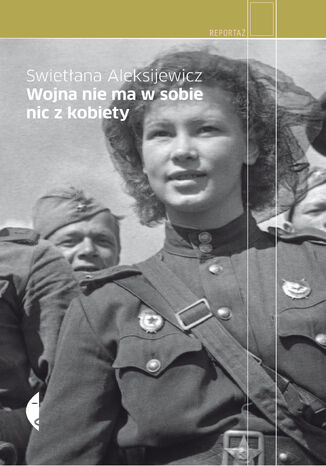
Wojna nie ma w sobie nic z kobiety
Swietłana Aleksijewicz
Wojna nie ma w sobie nic z kobiety była gotowa już w 1983 roku. Dwa lata przeleżała w wydawnictwie. Autorkę oskarżono o pacyfizm, naturalizm oraz podważanie heroicznego obrazu kobiety radzieckiej. W okresie pieriestrojki książka prawie jednocześnie ukazywała się w odcinkach w dwóch rosyjskich czasopismach: Oktiabr i Roman-gazieta i została opublikowana w dwóch wydawnictwach: mińskim Mastackaja Litaratura oraz moskiewskim Sowietskij Pisatiel. Łączny nakład wyniósł prawie dwa miliony egzemplarzy. Na podstawie książki powstał cykl filmów dokumentalnych, wyróżniony m.in. Srebrnym Gołębiem na Festiwalu Filmów Dokumentalnych i Animowanych w Lipsku. Jegor Letow, założyciel i wokalista legendarnego rosyjskiego zespołu punkrockowego Grażdanskaja Oborona, napisał piosenkę zainspirowaną książką Aleksijewicz.
Władysław Reymont
„Wspomnienie„ to opowiadanie Władysława Reymonta, pisarza, prozaika i nowelisty, laureata Nagrody Nobla w dziedzinie literatury. “Było mi bardzo źle na świecie i pomimo wbijania sobie w pamięć chłopskiego przysłowia: „Jak się człowiek przyłoży, to mu i w piekle niezgorzej“, przyłożyć się do nędzy, jaka mnie żarła, nie potrafiłem. A sprawowałem wówczas na kolei Wiedeńskiej urząd tak znaczny, że pensya starczyła mi akuratnie na herbatę i papierosy. Resztę zaspokajał kredyt w bufecie stacyjnym i pożyczki.” Fragment
George Bernard Shaw
“You Never Can Tell” is a play by George Bernard Shaw, an Irish playwright who became the leading dramatist of his generation, and in 1925 was awarded the Nobel Prize in Literature. The play is set in a seaside town and tells the story of Mrs. Clandon and her three children, Dolly, Phillip, and Gloria, who have just returned to England after an eighteen-year stay in Madeira. The children have no idea who their father is and, through a comedy of errors, end up inviting him to a family lunch. It was published as a part of Plays Pleasant, which also included Arms and the Man, Candida, and The Man of Destiny. Shaw titled the volume Plays Pleasant in order to contrast it with his first book of plays, Plays Unpleasant.
Sinclair Lewis
“Young Man Axelbrod” is a book by Sinclair Lewis an American writer. In 1930, he became the first writer from the United States to receive the Nobel Prize in Literature. “Young Man Axelbrod” is a short story by Sinclair Lewis. “In Joralemon we call Knute Axelbrod “Old Cottonwood.” As a matter of fact, the name was derived not so much from the quality of the man as from the wide grove about his gaunt white house and red barn. He made a comely row of trees on each side of the country road, so that a humble, daily sort of a man, driving beneath them in his lumber wagon, might fancy himself lord of a private avenue.” Preview.
Władysław Reymont
„Z konstytucyjnych dni„ to utwór Władysława Reymonta, pisarza, prozaika i nowelisty, laureata Nagrody Nobla w dziedzinie literatury. “Mam wrażenie, że niby oślepli i spętani balansujemy na linie, rozpiętej nad przepaścią — chcemy przejść na tamtą, jasną stronę... A wiadomo, że tylko szaleńcom udają się rzeczy zgoła niewykonalne. Więc oszalejmy — i niech się stanie dzień wytęskniony…” Fragment książki “Z konstytucyjnych dni”
Władysław Reymont
„Z pamiętnika„ to zbiór opowiadań Władysława Reymonta, pisarza, prozaika i nowelisty, laureata Nagrody Nobla w dziedzinie literatury. W skład tego zbioru wchodzi 9 opowiadań, w tym: Z pamiętnika, W jesienną noc, Przy robocie, Legenda wigilijna czy W głębiach.