
Technika i mechanika
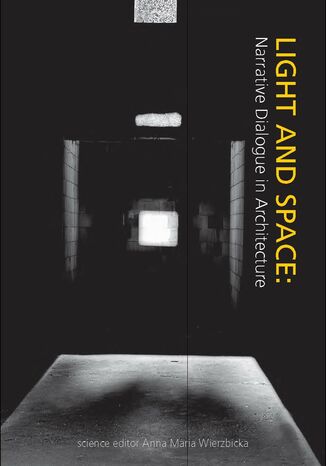
LIGHT AND SPACE: Narrative Dialogue in Architecture
Anna Maria Wierzbicka (red. nauk.)
Light constitutes the fundamental carrier of meaning in semantic architecture. From the biblical act of creation, in which the separation of light from darkness gives a cosmological structure to reality, to contemporary sacred realizations, it performs both a material and a symbolic role. As an attribute of God - the One who illuminates the darkness-light becomes at once a witness and the creator of the sacred, imparting dynamism to the transformations of form and matter within the sacred space. This publication presents an interdisciplinary analysis of the role of natural light in contemporary sacred architecture. The authors-architects, researchers in architectural semiotics, and a theologian-trace the historical evolution of lighting solutions: from early Christian basilicas and the mysticism of Gothic stained-glass windows, through Renaissance dome lanterns and Baroque dramatic illumination, to the purist concepts of modernism and postmodern searches for architectural form. At the center of attention remains light as a key element of architectural narrative, which, depending on the epoch, shapes an atmosphere of contemplation, emphasizes liturgical orientation, and integrates sacred space with the rhythm of the cosmos.
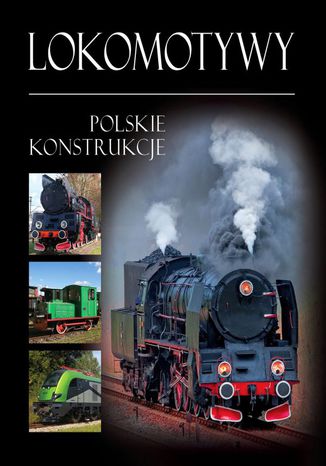
Lokomotywy. Polskie konstrukcje
Tadeusz Irteński
Książka prezentuje ponad pięćdziesiąt lokomotyw polskiej produkcji: parowozy, spalinowozy i elektrowozy. Część z nich to już tylko obiekty muzealne uruchamiane podczas parad i innych uroczystości. Większość jednak nadal porusza się po polskich torach i służy tak dobrze jak w pierwszych latach produkcji. Archiwalne oraz współczesne fotografie zostały dobre tak, by pokazać, jak zmieniły się te maszyny na przestrzeni lat.
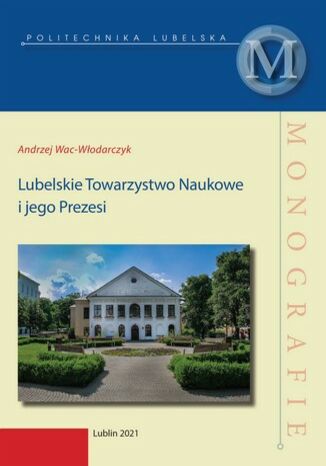
Lubelskie Towarzystwo Naukowe i jego Prezesi
Andrzej Wac-Włodarczyk
Celem niniejszego opracowania jest przybliżenie historii Towarzystwa Przyjaciół Nauk w Lublinie/ Lubelskiego Towarzystwa Naukowego oraz sylwetek i skondensowanych biografii osób piastujących stanowisko prezesa w pierwszym i w kolejnych okresach działalności stowarzyszenia.
Lustro weneckie. Biennale - Międzynarodowe Wystawy Architektoniczne
Sławomir Gzell
Opracowanie dotyczy wystaw architektonicznych weneckiego Biennale architektonicznego. Książka nie jest jednak typową chronologiczną kroniką tych spotkań, ponieważ według Autora, nie sposób ich opisać jako jednej wielkiej całości, a ponadto nie wydaje się to celowe. W efekcie powstał metaforyczny zbiór refleksji na temat architektury, poprzedzony komentarzem dotyczącym - "lustra weneckiego". "Podobnie jest z wystawami architektonicznymi weneckiego Biennale. Oglądamy eksponaty, oceniamy je, opisujemy, zapamiętujemy albo i nie, a jednocześnie, zwłaszcza my architekci, przeglądamy się w nich - w cudzych osiągnięciach - i możemy porównywać od razu prezentację i powidoki własnych prac. To porównywanie jest nie uniknione, bo po to zresztą wystawy te są organizowane. Obejrzyj i przymierz się do tego co oglądasz, oceniaj i ucz się, podziwiaj i zazdrość. Dziś jesteś z tej strony lustra, ale pożądaj miejsca po drugiej stronie. Tak to chyba działa, albo powinno działać."
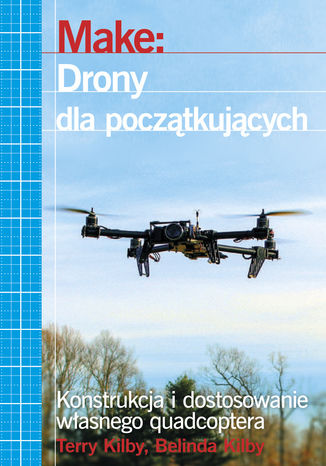
Make: Drony dla początkujących. Konstrukcja i dostosowanie własnego quadcoptera
Kilby Terry, Kilby Belinda
Drony dla początkujących Konstrukcja i dostosowanie własnego quadcoptera Terry Kilby, Belinda Kilby Chciałbyś zbudować coś, co potrafi latać? Co sądzisz o latającym robocie? Z tej książki dowiesz się, jak działają drony, jak rozwiązać niektóre inżynierskie wyzwania związane z ich konstruowaniem i jak zbudować swój własny czterowirnikowy śmigłowiec, którego można modyfikować, dostosowywać i oczywiście latać nim. Twój dron stanie się twoimi oczami na niebie i w miejscach, do których człowiek nigdy nie zdoła zajrzeć mniejszy może więcej!
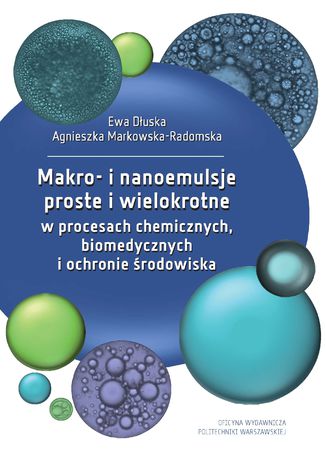
Ewa Dłuska, Agnieszka Makowska-Radomska
Monografia obejmuje zagadnienia dotyczące nowych i klasycznych struktur ciekłych układów rozproszonych (zdyspergowanych), w odniesieniu do potrzeb współczesnych technologii. Oprócz klasycznych emulsji prostych, nazywanych makroemulsjami, obiektami badań i ważnych zastosowań stają się inne układy skali nano i mikro, takie jak emulsje micelarne, nanoemulsje oraz ciekłe hierarchicznie zorganizowane układy zdyspergowane typu emulsje wielokrotne. Właśnie tym mniej poznanym wielofunkcyjnym ciekłym układom zdyspergowanym (typu emulsje wielokrotne), które znajdują zastosowania w innowacyjnych technologiach ze względu na swoje specyficzne właściwości i zalety, takie jak zdolność do mikro- i nanoenkapsulacji jednej lub kilku substancji oraz ich kontrolowanego uwalniania, a także bardzo korzystne parametry transportowe związane z silnie rozwiniętą powierzchnią międzyfazową, poświęcone jest niniejsze opracowanie. Podjęta tematyka obejmuje zagadnienia związane z ogólną klasyfikacją ciekłych układów rozproszonych, ich charakterystyką, metodami wytwarzania (klasyczne i nowatorskie) i stabilizacji oraz zastosowaniami w nowoczesnych technologiach inżynierii procesowej, zwłaszcza w obszarze medyczno-farmaceutycznym w procesach enkapsulacji i uwalniania składników oraz w procesach separacji wykorzystywanych w ochronie środowiska, a także w technologii żywności i kosmetologii.
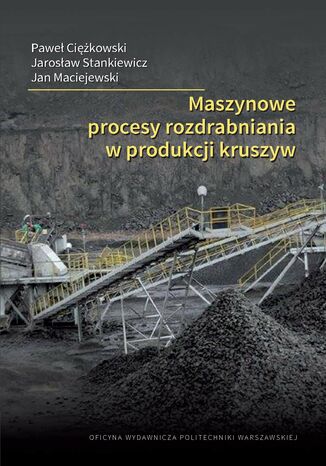
Maszynowe procesy rozdrabniania w produkcji kruszyw
Paweł Ciężkowski, Jarosław Stankiewicz, Jan Maciejewski
Podręcznik przeznaczony dla studentów wydziałów mechanicznych, w których programach studiów przewidziano wiadomości z zakresu kruszyw, ich cech fizycznych i mechanicznych oraz maszyn do produkcji i sortowania kruszyw. Podręcznik obejmuje wiadomości dotyczące historii, ogólnej budowy maszyn, zastosowania, parametrów eksploatacyjnych, zasad bezpiecznej pracy maszynami oraz przedstawia przegląd obecnie stosowanych kruszarek, maszyn i urządzeń rozdrabniających. W pierwszym rozdziale przedstawiono zarys historyczny maszyn rozdrabniających. Rozdział drugi poświęcony jest charakterystyce materiałów przeznaczonych do rozdrabniania i zawiera podstawowe informacje o kruszywach oraz ich cechach fizycznych i mechanicznych. W kolejnych dwóch rozdziałach przedstawiono podstawowe maszyny i narzędzia służące do produkcji kruszyw, czyli kruszarki szczękowe, stożkowe, udarowe i walcowe oraz specjalistyczny osprzęt rozdrabniający stosowany w maszynach roboczych (łyżki rozdrabiające, łyżki przesiewająco-rozdrabiające, nożyce hydrauliczne tnąco-kruszące, głowice frezujące). Przy omawianiu maszyn przedstawiono podstawowe informacje dotyczące budowy, ich zastosowania i parametrów eksploatacyjnych. W rozdziale piątym przedstawiono przykładowe linie procesu technologicznego w zakładzie do produkcji i uszlachetniania kruszywa oraz zasady doboru maszyn. W podręczniku przedstawiono podstawowe informacje z zakresu automatyzacji, eksploatacji maszyn oraz zasad bhp obowiązujących przy pracy maszynami rozdrabniającymi.
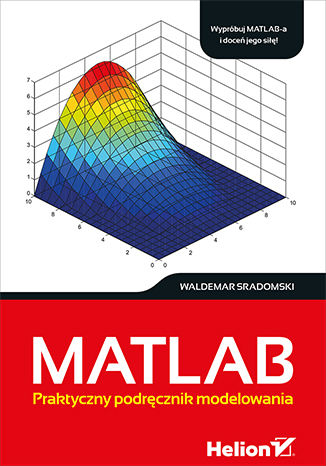
MATLAB. Praktyczny podręcznik modelowania
Waldemar Sradomski
Wypróbuj MATLAB-a i doceń jego siłę! MATLAB to wielofunkcyjny program do zastosowań naukowych i inżynierskich, wykorzystywany przy zaawansowanych obliczeniach, rozwiązywaniu problemów technicznych i tworzeniu symulacji. Jest świetnym narzędziem, które od kilku dekad pomaga tysiącom matematyków, fizyków i inżynierów. Pozwala w mgnieniu oka rozwiązać skomplikowane równania, prześledzić różne warianty w obrębie jednego schematu czy obliczyć wzajemne zależności pomiędzy elementami projektowanego urządzenia i sprawdzić, jak zmiana jednego z nich wpływa na pozostałe. Sięgnij po tę książkę, a szybko oswoisz się z MATLAB-em. Dzięki niemu już nigdy nie będziesz musiał obliczać równań „na piechotę” ani doświadczalnie sprawdzać skutków dokonania zmiany w projekcie. Wystarczy, że wprowadzisz do programu właściwe dane, a natychmiast zobaczysz, czy Twój pomysł jest strzałem w dziesiątkę, czy wymaga wielu poprawek. Z tej książki dowiesz się, jak zacząć pracę z programem, jak działają skrypty i funkcje. Odkryjesz, jak tworzyć modele matematyczne i fizyczne urządzeń z użyciem matematyki. Zadania zamieszczone na końcu każdego rozdziału pomogą Ci utrwalić zdobytą wiedzę. MATLAB — szybki start Skrypty i funkcje Rozwiązywanie równań różniczkowych Schematy blokowe (Simulink) Przekształcenie operatorowe do rozwiązywania układów równań Stateflow Zaawansowane konfigurowanie wykresu Projektuj i licz z MATLAB-em!