
Biznes IT
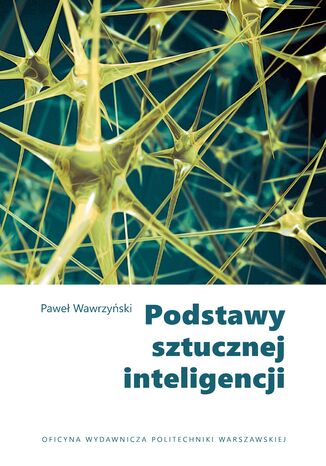
Podstawy sztucznej inteligencji
Paweł Wawrzyński
Niniejszy podręcznik przedstawia podstawowy, jednosemestralny kurs z dziedziny sztucznej inteligencji dla studentów nauk technicznych oraz informacyjnych. Do jego lektury potrzebna jest elementarna wiedza z logiki i analizy matematycznej oraz probabilistyki. W podręczniku dominuje perspektywa algorytmiczna, tzn. metody sztucznej inteligencji są przedstawiane jako narzędzia do rozwiązywania problemów z różnych obszarów: technicznych, informatycznych czy ekonomicznych. Zatem omawiana tu dziedzina to słaba sztuczna inteligencja. Niniejszy podręcznik powstał jako materiał do przedmiotu "Wprowadzenie do sztucznej inteligencji" prowadzonego na Wydziale Elektroniki i Technik Informacyjnych Politechniki Warszawskiej. Przedmiot ten zastąpił w programie studiów znakomity wykład prof. Wiesława Traczyka pt. "Inżynieria wiedzy", od którego rozpocząłem swoją edukację w dziedzinie sztucznej inteligencji. Liczne sformułowania i przykłady, traktowane przeze mnie jako należące do kanonu dziedziny, zostały w istocie wprowadzone przez prof. Traczyka. Winien jestem zatem serdeczne podziękowania Panu Profesorowi, tym bardziej że był uprzejmy przeczytać i skomentować niniejszy podręcznik w trakcie jego powstawania. Dziękuję także studentom za cenne uwagi wnoszone w ciągu kilku semestrów, kiedy był on pisany, a w szczególności studentom Koła Naukowego Sztucznej Inteligencji "Golem".

Podstawy wizualizacji danych. Zasady tworzenia atrakcyjnych wykresów
Claus O. Wilke
Aby skutecznie przekazać wiedzę płynącą z zebranych danych, szczególnie w przypadku nauk przyrodniczych, ekonomicznych i społecznych, warto sięgnąć po narzędzia do wizualizacji. Nie jest to trywialne zadanie: często trzeba korzystać z coraz większych i coraz bardziej złożonych zbiorów danych, a dostępne narzędzia do wizualizacji zapewniają oszałamiający wybór rozwiązań i opcji, w których łatwo się pogubić. Co więcej, podczas przygotowywania prezentacji należy wziąć pod uwagę szczególne właściwości ludzkiego umysłu w zakresie postrzegania i przyswajania informacji. Efektywna wizualizacja danych jest bardzo istotną sprawą: nierzadko od jakości przekazywanych w ten sposób informacji zależy trafność podejmowanych decyzji. Ten poradnik pomoże Ci uniknąć często spotykanych problemów z wizualizacją danych. Zawiera wskazówki, dzięki którym szybko zaczniesz tworzyć świetnie wyglądające i bogate w treść wykresy. Nauczysz się bezbłędnego dobierania najlepszego w danej sytuacji sposobu wizualizacji, poznasz reguły stosowania kolorów, wielkości i rodzaju czcionki, zachowywania odpowiednich proporcji poszczególnych części wykresu — i przekonasz się, że dobrymi decyzjami co do jego estetyki możesz zapewnić mu przejrzystość i elegancję. Znajdziesz tu również obszerny katalog wizualizacji, co ułatwi zapoznanie się z powszechnie używanymi metodami wizualizowania danych. Ważną częścią książki jest zestaw przykładów dobrze i źle przygotowanych wykresów z wyczerpującymi wyjaśnieniami. Najciekawsze koncepcje opisane w książce: kolor jako cenne narzędzie wyróżniania danych dostarczanie kluczowych informacji na wiele sposobów dobór technik wizualizacji do różnych rodzajów danych reguły pomocne w projektowaniu estetycznych wykresów technika stosowania wykresów w większym dokumencie A więc jak wygląda wykres, który decyduje o sukcesie prezentacji?

Podstawy zarządzania projektami
Pod redakcja Włodzimierza Dabrowskiego

Pokaż światu swoją twórczość. Przewodnik po budowaniu marki osobistej w social mediach
Dawid Lewandowski
Gdzie są ci, do których chcesz dotrzeć? Na Instagramie, TikToku, YouTubie! Pojawienie się mediów społecznościowych zmieniło nasz świat. Wpłynęło rzecz jasna także na osoby, które mają coś do przekazania innym. Twórcy zyskali wirtualną przestrzeń, w której mogą się przedstawić, zaprezentować siebie i podzielić się tym, czym zawodowo żyją. Odpowiednio użyte social media mogą się okazać prawdziwym sprzymierzeńcem. Trzeba się tylko nauczyć efektywnie z nich korzystać. O tym, jak w odpowiedni sposób wejść w wirtualny świat i jak stworzyć w nim markę osobistą, opowiada ta książka. Celem przewodnika autorstwa Dawida Lewandowskiego (@artystanasocialu) jest przekazanie wiedzy dotyczącej personal brandingu realizowanej bez wielkich zasobów, bazującej na autentyczności i małych, konsekwentnych krokach. Autor podsuwa konkretne narzędzia, z których warto korzystać (analiza SWOT, praca z archetypami marki itd.). Podpowiada, jaką strategię publikowania w mediach społecznościowych najlepiej prowadzić, i pokazuje, jak elementy lejka marketingowego (poznanie polubienie zaufanie) sprawdzają się w promowaniu siebie i swojej pracy w sieci. Książka w mediach: One.entity Instagram Twórca czy influencer? Dlaczego nie musisz tańczyć na TikToku, by budować silną markę osobistą GrafMag Wywiad Podcast Dział Marketingu

Polski e-konsument - typologia, zachowania
Magdalena Jaciow, Robert Wolny
E-commerce w Polsce ma bardzo duże perspektywy rozwoju. Wynika to przede wszystkim ze zmian przyzwyczajeń klientów, dla których zakupy w sieci przestały być "egzotyczną nowością", stając się jedną z opcji rozważanych przy zakupie niektórych produktów lub usług. Świadome budowanie relacji z klientem staje się priorytetem dla przedsiębiorstw działających w sieci. Podstawą budowy trwałych relacji z klientem jest znajomość potrzeb, preferencji, motywów zachowań i decyzji e-konsumenta. Wiedza na temat typów polskich e-konsumentów — ich cech i zachowań — ma istotne znaczenie dla przedsiębiorstw, które tworzą koncepcję strategii marketingowej oraz poszukują kierunków rozwoju swoich produktów i marek. W książce znajdziesz odpowiedzi na pytania: 1. KIM JEST e-konsument? Poznasz profil demograficzno-psychograficzny użytkowników internetu dokonujących zakupów w sieci. 2. CO KUPUJE e-konsument? Dowiesz się, jaka jest struktura asortymentowa koszyka zakupów. 3. DLACZEGO KUPUJE w internecie? Poznasz motywy dokonywania zakupów w sieci. 4. JAK KUPUJE? Dowiesz się, w jaki sposób i z jakich źródeł e-konsumenci gromadzą informacje o ofercie, co determinuje wybór produktu bądź usługi, jak płacą za produkt, jak zamawiają i odbierają kupiony produkt. 5. GDZIE KUPUJE? W sklepie internetowym czy na aukcji? Czym kieruje się, wybierając miejsce zakupu? Wyniki badań autorów pozwoliły stworzyć "fotografię" e-konsumenta oraz jego "koszyka zakupów". Jeśli jesteś przedstawicielem przedsiębiorstwa sprzedającego swoje produkty i usługi w internecie, książka ta dostarczy informacji, które pomogą Ci zorganizować sprzedaż, sformułować ofertę asortymentową, budować relacje z klientem. Partner wydania:
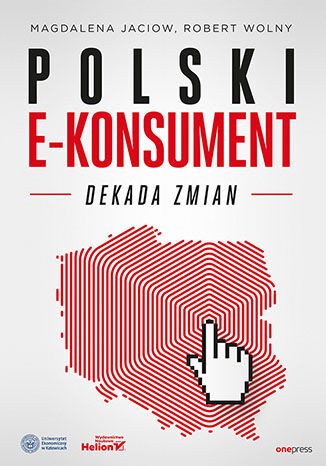
Polski e-konsument. Dekada zmian
Magdalena Jaciow, Robert Wolny
Kim dziś jest Polak kupujący w sieci? W 2010 roku nie wiedzieliśmy zbyt wiele o ludziach, którzy decydowali się robić zakupy w internecie. Wówczas ukazała się książka Polski e-konsument. Typologia, zachowania, która przez lata była najważniejszą lekturą i inspiracją dla praktyków i badaczy zachowań Polaków w sieci. Minęła dekada, a że w dzisiejszym cyfrowym świecie dziesięć lat to niemal wieczność, Magdalena Jaciow i Robert Wolny postanowili ponownie podjąć temat i przyjrzeć się temu, jak robimy zakupy online w 2020 roku. Z monografii Czytelnik dowie się między innymi: jak zdefiniować e-konsumenta, m-konsumenta i konsumenta cyfrowego jak zmienił się polski e-konsument dlaczego robi zakupy w sieci co najczęściej trafia do jego koszyka zakupów jak kupuje w sieci
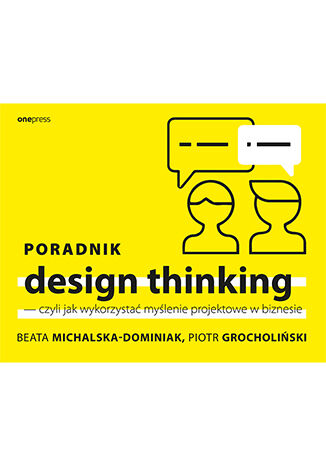
Poradnik design thinking - czyli jak wykorzystać myślenie projektowe w biznesie
Beata Michalska-Dominiak, Piotr Grocholiński
Design thinking to metoda praktykowana z powodzeniem od dobrych kilkudziesięciu lat. Stosują ją światowi giganci, jak Apple czy Google. Definiowana jest jako podejście, sposób myślenia czy - jak kto woli - filozofia, w której proponowanie nowych rozwiązań zostaje poprzedzone gruntownym poznaniem i zrozumieniem potrzeb użytkowników. To metodologia absolutnie uniwersalna i intuicyjna, a dzięki filarom, na których bazuje - kulturze zrozumienia, dociekliwości i kwestionowaniu utartych schematów - pomaga nie tylko lepiej odpowiadać na ludzkie potrzeby. Pozwala także szybko odnajdować punkty zapalne, których zniwelowanie może znacząco przyczynić się do podniesienia jakości życia, pracy oraz doświadczeń zarówno pojedynczego człowieka, jak i społeczeństwa. Tym, co gwarantuje skuteczność metody design thinking, jest usystematyzowanie procesu, w którym technologiczną wykonalność projektu łączy się z jego biznesową opłacalnością i codzienną użytecznością. Proces ten składa się z pięciu podstawowych etapów: odkrywania, definiowania wyzwania (potrzeb), tworzenia rozwiązania, prototypowania, testowania, planowania wdrożenia. Wszystkie podejmowane działania prowokują do zadania sobie podstawowych w metodologii design thinking pytań: Dla kogo projektujemy? Po co to robimy? Co w związku z tym proponujemy? Jak to wygląda? Czy działa? Czy jest możliwe do wdrożenia? W efekcie kreowane są produkty i usługi pożądane przez odbiorców, przy tym praktyczne i piękne, a jednocześnie wolne od niepotrzebnych udziwnień. Ta książka pokazuje krok po kroku, jak posługiwać się metodą design thinking. Od poszukiwania pomysłów po pogłębionych wywiadach przeprowadzonych z klientami po przygotowanie rynkowego wdrożenia rozwiązania - szczegółowo omawia etapy procesu oraz praktyczne narzędzia, które z powodzeniem będziesz mógł wykorzystywać w swojej firmie. Znajdziesz tu studia przypadków z różnych branż oraz opinie i doświadczenia specjalistów, którzy stosują tę metodę w swoim biznesie. Beata Michalska-Dominiak i Piotr Grocholiński to założyciele społeczności Klientocentryczni skupiającej ekspertów metodyki design thinking i service design w Polsce. Ideą Klientocentrycznych jest wspieranie marki, tworzenie nowych produktów i usług, a także pomoc organizacjom w wewnętrznej transformacji. W myśl zasady, że liczą się ludzie, konsekwentnie zmieniają rzeczywistość firm, budując nową wartość i zapewniając zupełnie nowe doświadczenia zarówno klientom, jak i pracownikom. Więcej na www.klientocentryczni.pl.

Porozumienie ponad pokoleniami. Rodzinny uniwersytet trzeciego wieku
Małgorzata Modrak
Senior w rodzinie. Poradnik komunikacyjny Rozwój technologii i postęp w niemal wszystkich dziedzinach życia ułatwia nam funkcjonowanie w zglobalizowanym świecie, lecz osłabia więzi międzyludzkie. Młodzi ludzie, tak skuteczni w obcowaniu z nowoczesną techniką, są często samotni i bezradni w relacjach. Inaczej starsi – oni wychowywali się i funkcjonowali w czasach, w których wielką wagę przywiązywało się do pielęgnowania kontaktów z innymi... Teraz ci starsi – wiekowi rodzice, dziadkowie, czasem pradziadkowie, wymagają opieki tych młodszych – dzieci, wnuków, prawnuków. Tylko jak zapewnić seniorowi pomoc, której potrzebuje? Jak w międzypokoleniowym galimatiasie znaleźć wspólną przestrzeń? W jaki sposób porozumieć się mogą generacje o zupełnie odmiennych wizjach rzeczywistości? Jak przekonać seniora do dobrych zmian? W jaki sposób mu pomóc, nie naruszając przy tym jego autonomii? Jeśli Ty także stoisz przed wyzwaniem mieszkania z i opieki nad seniorem, z pewnością zadajesz sobie takie i podobne pytania. Ta książka – napisany przez specjalistkę międzypokoleniowy pomost porozumienia - jest właśnie dla Ciebie. Pamiętaj: opieka nad starszym człowiekiem to nie tylko obowiązek. To także niepowtarzalna okazja! Senior ma niewyobrażalny potencjał. Każde przeżycie i emocja, jakich niegdyś doświadczył, dołożyły cegiełkę do gmachu jego wiedzy życiowej. Zbierane przez całe dekady, doświadczenia układają się w zbiór mądrości, stworzony w oparciu o osobiste sukcesy i porażki. Warto po nie sięgnąć, skorzystać z rady starszego członka rodziny. Warto, choćby po to, by uniknąć błędów, które on już dawno temu popełnił i z których wyciągnął cenne dla nas wnioski. Rozmawiajmy ze sobą, póki mamy na to czas. Wbrew technologicznym pozorom, wymiany myśli potrzebujemy do życia jak powietrza. Jak zacząć? Dowiesz się z tej książki! Małgorzata Modrak – gerontolog i promotor zdrowia, autorka książek poradnikowych dla osób starszych i ich opiekunów. Prowadzi warsztaty z zakresu promocji zdrowia i aktywizacji psychoruchowej (przede wszystkim wśród osób dorosłych) oraz treningi pamięci dla pacjentów z zaburzeniami demencyjnymi, a także ćwiczenia usprawniające funkcje poznawcze dla pacjentów z problemami neurologicznymi np. po udarach, z chorobą Parkinsona, stwardnieniem rozsianym. Szefuje Centrum Edukacji i Wspomagania Osób Starszych, dzieli się wiedzą i doświadczeniem w gabinecie gerontologiczym (poradnictwo i wspieranie dla pacjentów oraz ich rodzin). Naucza opiekunów osób starszych i opiekunów medycznych w szkole policealnej. Przez kilka lat pracowała w hospicjum. Miłośniczka pięknych książek i sportów zimowych, zwłaszcza morsowania .
Enrico Pirozzi
PostgreSQL database servers have a common set of problems that they encounter as their usage gets heavier and requirements get more demanding. Peek into the future of your PostgreSQL 10 database's problems today. Know the warning signs to look for and how to avoid the most common issues before they even happen.Surprisingly, most PostgreSQL database applications evolve in the same way—choose the right hardware, tune the operating system and server memory use, optimize queries against the database and CPUs with the right indexes, and monitor every layer, from hardware to queries, using tools from inside and outside PostgreSQL. Also, using monitoring insight, PostgreSQL database applications continuously rework the design andconfiguration. On reaching the limits of a single server, they break things up; connection pooling, caching, partitioning, replication, and parallel queries can all help handle increasing database workloads.By the end of this book, you will have all the knowledge you need to design, run, and manage your PostgreSQL solution while ensuring high performance and high availability

Potoki danych. Leksykon kieszonkowy. Przenoszenie i przetwarzanie danych na potrzeby ich analizy
James Densmore
Poprawnie zaprojektowane i wdrożone potoki danych mają kluczowe znaczenie dla pomyślnej analizy danych, a także w trakcie uczenia maszynowego. Pozyskanie ogromnych ilości danych z różnych źródeł najczęściej nie stanowi problemu. Nieco trudniejsze jest zaprojektowanie procesu ich przetwarzania w celu dostarczenia kontekstu w taki sposób, aby efektywnie korzystać z posiadanych danych w codziennej pracy organizacji i podejmować dzięki nim rozsądne decyzje. Oto zwięzły przewodnik przeznaczony dla inżynierów danych, którzy chcą poznać zasady implementacji potoków danych. Wyjaśnia najważniejsze pojęcia związane z potokami danych, opisuje zasady ich tworzenia i implementacji, prezentuje także najlepsze praktyki stosowane przez liderów w branży analizy danych. Dzięki książce zrozumiesz, w jaki sposób potoki danych działają na nowoczesnym stosie danych, poznasz też typowe zagadnienia, które trzeba przemyśleć przed podjęciem decyzji dotyczących implementacji. Dowiesz się, jakie są zalety samodzielnego opracowania rozwiązania, a jakie - zakupu gotowego produktu. Poznasz również podstawowe koncepcje, które mają zastosowanie dla frameworków typu open source, produktów komercyjnych i samodzielnie opracowywanych rozwiązań. Dowiedz się: czym jest potok danych i na czym polega jego działanie jak się odbywa przenoszenie i przetwarzanie danych w nowoczesnej infrastrukturze jakie narzędzia są szczególnie przydatne do tworzenia potoków danych jak używać potoków danych do analizy i tworzenia raportów jakie są najważniejsze aspekty obsługi potoków, ich testowania i rozwiązywania problemów Poznaj najlepsze praktyki projektowania i implementacji potoków danych!

Power Query w Excelu i Power BI. Zbieranie i przekształcanie danych
Gil Raviv
Czy praca na danych kojarzy Ci się z frustrującym ręcznym wklejaniem i oczyszczaniem danych w Excelu? A może tracisz mnóstwo energii na importowanie nieuporządkowanych danych pochodzących z różnych źródeł? Być może podejrzewasz, że Twoje arkusze kryją mnóstwo wartościowych informacji, ale nie wiesz, w jaki sposób je wydobyć i ile godzin musisz na to poświęcić? A może spędzasz sporo czasu na tworzeniu skomplikowanych raportów w Power BI lub programowaniu baz danych SQL Server? Dzięki wiedzy zawartej w tej książce wykonasz te zadania prościej i szybciej, a efekty będą o wiele bardziej niezawodne! Ten praktyczny przewodnik po narzędziu Power Query nauczy Cię efektywnie przetwarzać dane w Excelu: importować, oczyszczać, przekształcać i wydobywać potrzebne informacje. Dowiesz się, jak sprawnie wykonywać typowe zadania i prace analityczne, jak zwiększyć swoją skuteczność dzięki opanowaniu podstaw języka M oraz jak zautomatyzować proces przygotowywania danych do przetwarzania. Zapoznasz się z możliwościami Microsoft Cognitive Services oraz konektora Power Query Web, a także z wykorzystaniem sztucznej inteligencji do rozpoznawania treści tekstu. Nabyte umiejętności będziesz mógł przetestować w realistycznym projekcie, któremu poświęcono ostatni rozdział! W książce między innymi: solidne podstawy pracy z narzędziem Power Query automatyzacja operacji na danych proste i zaawansowane techniki dekompozycji tabel tworzenie procedur w języku M pozyskiwanie informacji z danych tekstowych i sieci społecznościowych Power Query i Power BI: sprostasz wyzwaniu przetwarzania danych!

Power Query w Excelu i Power BI. Zbieranie i przekształcanie danych. Wydanie II
Daniil Maslyuk, Gil Raviv
Czy chcesz dokonywać cudów z danymi, unikać powtarzalnej pracy i oszczędzać nawet 80 procent czasu? Zautomatyzować kopiowanie i żmudne oczyszczanie danych, aby doprowadzić je do odpowiedniego stanu? A może chcesz ze spokojem podchodzić do podejmowania racjonalnych decyzji opartych na ogromnych ilościach niejednorodnych danych? Teraz możesz łatwo sprostać takim wyzwaniom i uzyskiwać niezwykłe rezultaty. Wystarczy, że skorzystasz z narzędzi dostępnych w Excelu ― i z tej książki. To zaktualizowane wydanie praktycznego przewodnika po Power Query. Pozwoli Ci opanować umiejętność efektywnego przetwarzania danych i wydobywania z nich wartościowych informacji. Dowiesz się, jak wykonywać złożone prace analityczne i jak używać procedur w języku M. Znajdziesz tu ponad 70 ćwiczeń i 200 plików, dzięki którym nauczysz się importować bezładne, rozdzielone tabele danych i automatycznie przekształcać je w ustrukturyzowane zbiory gotowe do analizy. Większość opisanych technik z łatwością zapamiętasz i użyjesz do swoich potrzeb. W książce między innymi: solidne podstawy pracy z narzędziem Power Query proste i zaawansowane techniki dekompozycji tabel tworzenie elastycznych procedur w języku M pozyskiwanie informacji z danych tekstowych i sieci społecznościowych profilowanie danych i poprawianie wydajności zapytań Power Query i Power BI: więcej i lepiej w krótszym czasie!
Nataraj Dasgupta
Big Data analytics relates to the strategies used by organizations to collect, organize, and analyze large amounts of data to uncover valuable business insights that cannot be analyzed through traditional systems. Crafting an enterprise-scale cost-efficient Big Data and machine learning solution to uncover insights and value from your organization’s data is a challenge. Today, with hundreds of new Big Data systems, machine learning packages, and BI tools, selecting the right combination of technologies is an even greater challenge. This book will help you do that. With the help of this guide, you will be able to bridge the gap between the theoretical world of technology and the practical reality of building corporate Big Data and data science platforms. You will get hands-on exposure to Hadoop and Spark, build machine learning dashboards using R and R Shiny, create web-based apps using NoSQL databases such as MongoDB, and even learn how to write R code for neural networks.By the end of the book, you will have a very clear and concrete understanding of what Big Data analytics means, how it drives revenues for organizations, and how you can develop your own Big Data analytics solution using the different tools and methods articulatedin this book.

Emily Carr
Transform your IT project and make change stick with this step-by-step guide.In today’s fast-paced world of change, companies expect you to do more, with less. Drawing on over a decade of Change Management experience as a consultant with Fortune 500 companies including IBM and NCR, Emily Carr shares the secrets to making change happen smoothly.If your company is like most, the number one reason that projects have failed over the years don’t have to do with technology. They have to do with people. People didn’t like the new technology. People weren’t trained properly on the change. People hadn’t received adequate communications and didn’t understand the change. Sound familiar?Project teams rarely forget to work on the technology, but they often forget to work with the people, and no matter how amazing your new technology is, it’s useless unless people use it efficiently.This book will help you focus on the people.Packed with templates, checklists, and real-life examples, this user-friendly guide will provide you with the insights and guidance of an expert consultant, for a fraction of the price. You’ll follow a clearly laid out path from Change Management novice to confident and prepared change manager. You’ll be introduced to the Five Pillars of Change: Sponsorship, Stakeholder Management, Communication, Training, and Organization Design. You will work step-by-step through templates in each pillar to build and run a comprehensive Change Management plan tailor-made to your project and organization.
Abhinav Dadhich
In this book, you will find several recently proposed methods in various domains of computer vision. You will start by setting up the proper Python environment to work on practical applications. This includes setting up libraries such as OpenCV, TensorFlow, and Keras using Anaconda. Using these libraries, you'll start to understand the concepts of image transformation and filtering. You will find a detailed explanation of feature detectors such as FAST and ORB; you'll use them to find similar-looking objects.With an introduction to convolutional neural nets, you will learn how to build a deep neural net using Keras and how to use it to classify the Fashion-MNIST dataset. With regard to object detection, you will learn the implementation of a simple face detector as well as the workings of complex deep-learning-based object detectors such as Faster R-CNN and SSD using TensorFlow. You'll get started with semantic segmentation using FCN models and track objects with Deep SORT. Not only this, you will also use Visual SLAM techniques such as ORB-SLAM on a standard dataset. By the end of this book, you will have a firm understanding of the different computer vision techniques and how to apply them in your applications.
Practical Convolutional Neural Networks. Implement advanced deep learning models using Python
Mohit Sewak, Md. Rezaul Karim, Pradeep Pujari
Convolutional Neural Network (CNN) is revolutionizing several application domains such as visual recognition systems, self-driving cars, medical discoveries, innovative eCommerce and more.You will learn to create innovative solutions around image and video analytics to solve complex machine learning and computer vision related problems and implement real-life CNN models. This book starts with an overview of deep neural networkswith the example of image classification and walks you through building your first CNN for human face detector. We will learn to use concepts like transfer learning with CNN, and Auto-Encoders to build very powerful models, even when not much of supervised training data of labeled images is available.Later we build upon the learning achieved to build advanced vision related algorithms for object detection, instance segmentation, generative adversarial networks, image captioning, attention mechanisms for vision, and recurrent models for vision. By the end of this book, you should be ready to implement advanced, effective and efficient CNN models at your professional project or personal initiatives by working on complex image and video datasets.