
Biznes IT

Ścieżka kariery inżyniera technicznego. Zostań współtwórcą swojego rozwoju i podążaj za zmianą
Tanya Reilly
Jak powinna wyglądać Twoja kariera? Najczęściej awans oznacza przywództwo i ścieżkę menedżera. Oczywiście, nie jest to łatwa droga, ale przynajmniej wiadomo, czego można się na niej spodziewać i dokąd mniej więcej prowadzi. Jednak nie dla każdego inżyniera jest to dobry kierunek. To oczywiste - choćby był mistrzem w swoim fachu, nie musi być dobrym przełożonym. W jaki sposób więc inżynier, który nie chce bezpośrednio zarządzać ludźmi, może kształtować swoją karierę i awansować? Ta książka objaśnia, na czym polega istota ścieżki technicznej - z zaznaczeniem, że umiejętność dostosowania aspiracji konkretnej osoby do potrzeb organizacji jest sztuką, szczególnie w wypadku inżynierów, którzy mają wnieść istotny wkład na wysokim poziomie. Dzięki lekturze zrozumiesz swoją rolę w firmie, rozwiniesz myślenie strategiczne i nauczysz się wyznaczać standardy pracy technicznej. Przekonasz się, że możesz się stać liderem bez bezpośredniego zarządzania, dowiesz się, jak planować z wyprzedzeniem i podejmować właściwe decyzje techniczne, a także jak się rozwijać jako ekspert w swojej dziedzinie. Zrozumiesz znaczenie szerokiej, strategicznej perspektywy, przyswoisz taktyki prowadzenia projektów i określisz, co oznacza pojęcie dobrej inżynierii w Twojej organizacji. Ta książka jest jak brakujący instruktaż odnoszący się do całej mojej kariery. Titus Winters, główny naukowiec w Adobe i współautor książki Inżynieria oprogramowania według Google

Świat kryptomilionerów. Znajdź swoją szansę w świecie Blockchaina
Mateusz Mach
Poznaj narzędzie do zarabiania (milionów) Blockchain. Klucz do świata kryptowalut. Słowo, które brzmi jak obietnica bogactwa. Tylko... Czym tak naprawdę jest ów Blockchain? Niestety, w większości książek, artykułów, dyskusji w mediach tradycyjnych i Internecie mówi się o nim albo niezrozumiale, albo w mocnych uproszczeniach i z niepotrzebnym bagażem emocji. Albo technicznie, albo ideologicznie. Albo pokłada się w Blockchainie nadzieję na uratowanie społeczeństwa przed pazernymi na kasę bankierami, albo pokazuje się go jako narzędzie do budowania znienawidzonych przez banki centralne kryptowalut. Który obraz ma więcej wspólnego z rzeczywistością? Mateusz Mach związał z Blockchainem swoją działalność biznesową. Na kartach niniejszej publikacji przedstawia czytelnikowi, w jaki sposób ta technologia - na początku stworzona w formie ciekawostki kryptograficznej - wpisuje się w szerszy kontekst społeczny, ekonomiczny i historyczny. Bowiem opowieść o Blockchainie to nie tylko opowieść o matematycznych eksperymentach. To przede wszystkim historia odwiecznej próby zapisania działalności człowieka, a także płynącej z niej wartości. Tym razem ma być to jednak zapis dostępny dla wszystkich, na równych zasadach. Czy także dla Ciebie? Odpowiedzi szukaj w książce.
Świat nowych technologii. Czy sztuczna inteligencja zdominuje życie człowieka?
Jadwiga Stawnicka, Danuta Morańska, Wacław Kubies (red.)
Od wielu lat nasze codzienne funkcjonowanie we współczesnym świecie wspierane jest nowymi technologiami. Najnowsze odkrycia uczonych nie pozostają w laboratoriach naukowych, ale z dnia na dzień stają się częścią naszego codziennego życia. Czy jest ktoś, kto obecnie potrafi wyobrazić sobie funkcjonowanie bez dostępu do sieci, komputera czy smartfona? Jeżeli nawet tak, to osoba ta musi liczyć się z tym, że będzie jej trudniej komunikować się ze znajomymi, podróżować, kształcić się, a nawet znaleźć pracę. Powiedzenie, które mówi: Jeżeli nie ma cię w sieci, to nie istniejesz, pokazuje, jak nowe technologie i sztuczna inteligencja kształtuje nasze codzienne funkcjonowanie – czy się na to godzimy czy nie. Obecnie na rynek pracy wchodzi pokolenie, które w swojej książce Jean Twege określa jako pokolenie Igen. Są to osoby, które urodziły się po roku 1995. Czyli takie, które nie pamiętają czasu, gdy Internet nie istniał, nie było Facebooka, Instagrama czy innych platform komunikacyjnych. To właśnie te osoby dzisiaj mają wpływ na kreowanie „cyberświata”. W związku z tym należy zadać sobie pytanie: czy świat nowych technologii i sztuczna inteligencja zdominuje życie człowieka? W książce autorzy poruszają wiele istotnych kwestii związanych z rozwojem nowych technologii i sztucznej inteligencji. Niewątpliwie ich rozwój będzie się przyczyniał do rozwoju naszego kraju i świata. Należy pamiętać, że rozwój to nie tylko korzyści, ale i zagrożenia. Mamy nadzieję, że książka ta skłoni czytelnika do refleksji i odpowiedzi na pytanie, czy nowe technologie i sztuczna inteligencja zdominują życie człowieka.
Derek Wilson
SQL Server Analysis Service (SSAS) has been widely used across multiple businesses to build smart online analytical reporting solutions. It includes two different types of modeling for analysis services: Tabular and Multi Dimensional. This book covers Tabular modeling, which uses tables and relationships with a fast in-memory engine to provide state of the art compression algorithms and query performance.The book begins by quickly taking you through the concepts required to model tabular data and set up the necessary tools and services. As you learn to create tabular models using tools such as Excel and Power View, you’ll be shown various strategies to deploy your model on the server and choose a query mode (In-memory or DirectQuery) that best suits your reporting needs. You’ll also learn how to implement key and newly introduced DAX functions to create calculated columns and measures for your model data. Last but not least, you’ll be shown techniques that will help you administer and secure your BI implementation along with some widely used tips and tricks to optimize your reporting solution.By the end of this book, you’ll have gained hands-on experience with the powerful new features that have been added to Tabular models in SSAS 2016 and you’ll be able to improve user satisfaction with faster reports and analytical queries.

Tajniki Konwersji. Jak zmienić potencjalnego klienta w zadowolonego nabywcę
Chris Smith
Poznaj tajniki konwersji i poczuj, jak zwiększają się Twoje zyski! Marketing — to właśnie on pozwala wyróżnić się z tłumu przeciętnych sprzedawców, usiłujących wcisnąć swoje produkty coraz bardziej świadomym konsumentom. Naprawdę dobry marketing to nie taki, w którym rzucasz się na oślep i próbujesz przekonać do zakupu każdego, kto tylko zechce choć przez moment Cię posłuchać. To przemyślana, dopracowana strategia, obejmująca zarówno zdobywanie dobrych kontaktów do potencjalnych klientów, jak i odpowiedni dobór metod działania. Jeśli chcesz poznać sprawdzone sposoby na udaną sprzedaż oraz tajniki jej finalizowania i zacząć wreszcie realnie zarabiać, nie możesz przegapić tej książki. Autor pokazuje wszystkie swoje sztuczki: od budowania baz danych z użyciem najróżniejszych narzędzi, przez korzystanie z technologii informatycznych, aż po gotowe scenariusze rozmowy z klientem, uwzględniające najdrobniejsze szczegóły takiej konwersacji. Sprawdź, jak znacząco zwiększyć swoje zyski dzięki idealnemu połączeniu nowych technologii i starej sztuki perswazji. Zobacz, jak ocenić własną skuteczność i z dnia na dzień poprawić osiągi. Zacznij korzystać z narzędzi ułatwiających umawianie spotkań. Udanych łowów! Nowy scenariusz rozmowy sprzedażowej, który pomoże Ci przekonać klientów do zakupu każdego dnia. Sprawdzone wskazówki i techniki, które zapewniły fortuny najlepszym i najbardziej znanym liderom sprzedaży. Rzetelne rekomendacje oprogramowania, platform i strategii projektowania, oparte na osobistych doświadczeniach autora i zapewniające mu zyski. Kompletna lista narzędzi analizujących dane i wskaźniki, do zastosowania na Twojej witrynie, na stronach docelowych, w e-mail marketingu, w mediach społecznościowych i w sprzedaży oraz porady dotyczące wyników. Zdobądź przewagę nad innymi i osiągnij cele sprzedaży! Chris Smith jest współzałożycielem firmy Curaytor, świadczącej usługi coachingowe w zakresie obsługi mediów społecznościowych, marketingu cyfrowego i sprzedaży, mającej na celu pomoc innym biznesom w szybszym rozwijaniu się. Dzięki zastosowaniu Tajników Konwersji w mniej niż trzy lata sprawił, że stały roczny dochód Curaytora przekroczył 5 milionów dolarów bez kapitału inwestycyjnego. Wcześniej Chris pracował dla dwóch miliarderów, wartej blisko miliard dolarów spółki publicznej oraz startupu przejętego za 108 milionów dolarów. Rocznie występuje na żywo przed widownią liczącą ponad 50 tysięcy osób.
Tajniki wystąpień publicznych. 101 porad dla prezenterów
Łukasz Dąbrowski
Prezentacja dopracowana w najmniejszym szczególe: Poznaj temat i słuchaczy Przygotuj się pod każdym względem - także wizualnie i językowo Angażuj słuchaczy - pilnuj, by nie zasnęli Zaprzyjaźnij się z rzutnikiem, mikrofonem i innymi "wspomagaczami" Nie daj się omamić magii slajdów I miej zawsze własne flamastry! 101 porad, czyli collage wskazówek dla prezenterów Niemal wszyscy stajemy czasem przed koniecznością przedstawienia swoich myśli innym ludziom w formie prezentacji: menedżerowie chcący zaangażować swoje zespoły w nowe przedsięwzięcia, pracownicy chcący przekonać do swoich pomysłów menedżerów, nauczyciele pragnący zainspirować uczniów, wykładowcy angażujący w naukę studentów. Często takie prezentacje determinują stosunek innych do tego, co robimy, naszych idei czy wreszcie nas samych. Dobra prezentacja nie polega na zastosowaniu jednej czy dwóch sztuczek. Pod uwagę trzeba wziąć wiele szczegółów decydujących o sukcesie lub porażce. Kiedy stajesz przed innymi, by im coś przekazać, masz zawsze dwa cele: mówić zrozumiale oraz wzbudzić zachwyt. Treść i forma. Co i jak. Dwa obszary współzależne i wzajemnie się uzupełniające. Wszystkie porady służą temu, byś następnym razem podczas omawiania tematu, który masz w małym palcu, nie spotkał się z murem niezrozumienia i braku zainteresowania ze strony odbiorców. Autor napisał ten poradnik w oparciu o doświadczenia swoje i kolegów-trenerów, którzy szkolą innych od wielu lat. 101 zawartych w tej książce wskazówek to takie "myśli nieuczesane" o prezentacjach - konkretne rady, dzięki którym lepiej dotrzesz do słuchaczy. Tajniki wystąpień publicznych mają za zadanie pomóc Ci w rozwoju naturalnego, budującego wiarygodność stylu prezentacji. Będą też wspierać Cię w różnych codziennych wyzwaniach, przed jakimi staje każdy prezenter. Książka polecana przez: Łukasz Dąbrowski — senior partner w House of Skills. Specjalizuje się w projektowaniu i prowadzeniu warsztatów zespołowych, a także strategicznych konferencji oraz szkoleń z zakresu kreatywności, wystąpień publicznych, efektywności osobistej, zarządzania. Absolwent SGH/SGPiS, ukończył Wydział Handlu Zagranicznego. Pasjonują go podróże. W innych krajach lubi obserwować życie codzienne i utrwalać je na cyfrowej "kliszy" aparatu. Jest współautorem książki Zespoły po polsku. Jak firmy działające na polskim rynku podnoszą swoją efektywność dzięki pracy zespołowej (Onepress, 2010).

Te małe seksowne cyferki. Jak rozwinąć biznes przy użyciu danych, które już mamy
Paul Brown, Dimitri Maex
Czy możesz sobie wyobrazić, że jesteś w stanie zidentyfikować klientów przynoszących największe zyski, wypracować lepszą strategię komunikowania się z nimi i zainspirować ich, aby kupowali więcej? A więc, naprawdę możesz to zrobić. A najlepsze jest to, że możesz to osiągnąć używając danych, które już masz. Wszystko, co robimy, tworzy dane. Za każdym razem, gdy ktoś ogląda coś w sieci, szuka w Google lub nawet przegląda sieć w swoim telefonie, tworzona jest kolejna cząstka danych, które mogą pomóc nam zrozumieć i przewidzieć zachowanie konsumentów. Rewolucja w analizowaniu danych właśnie się toczy i metody oraz narzędzia radzące sobie z tym „potopem danych” stają się coraz prostsze i mniej kosztowne, a jednocześnie bardziej precyzyjne, niż kiedykolwiek wcześniej. Dimitri Maex, Managing Director globalnej agencji reklamowej OgilvyOne New York i mózg praktyki analitycznej stosowanej w agencji pokazuje, jak możemy przekształcić swoje dane – te małe seksowne cyferki, które mogą zapewnić więcej zysków naszemu biznesowi – w skuteczne strategie prawdziwego wzrostu. W jasnym, przejrzystym stylu wyjaśnia, jak: • Ustalić, którzy klienci mają największy potencjał zwiększenia wartości, po których można spodziewać się większych zakupów, a którzy nie są warci targetowania. • Alokować zasoby marketingowe w najlepszy możliwy sposób. • Przewidzieć, jakich produktów lub usług klienci będą potrzebować w przyszłości. • Zoptymalizować swoją obecność w sieci, aby uzyskać największy zwrot z wyszukiwania. Lektura obowiązkowa dla marketerów starających się uzyskać najwyższy zwrot z inwestycji, właścicieli małych firm pragnących rosnąć szybciej lub kreatywnych twórców pragnących poznać reakcję na swoje działania – i nie tylko.
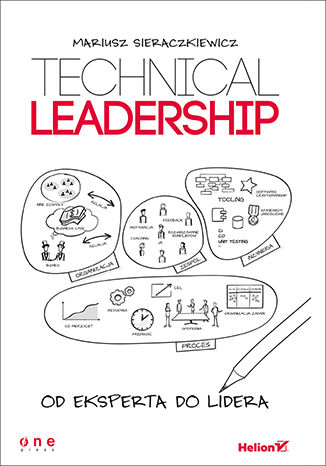
Technical Leadership. Od eksperta do lidera
Mariusz Sieraczkiewicz
Programista na stanowisku Ścieżka kariery ambitnego specjalisty w branży IT wygląda zwykle tak: junior–senior–lider. Kierownictwo firmy wychodzi ze słusznego skądinąd założenia, że szefować zespołowi programistów powinien także programista, tyle że bardziej doświadczony. Takie myślenie przeważnie sprawdza się w zakresie zagadnień technicznych, ale już niekoniecznie w kwestii kontaktów międzyludzkich; to, że ktoś jest świetnym fachowcem, nie oznacza automatycznie, że ma także naturalne predyspozycje do zarządzania pracą kolegów. Na szczęście można się tego nauczyć — najlepiej od ludzi, którzy mają spore doświadczenie na stanowisku lidera technicznego i postanowili się nim podzielić. Podczas pisania tej książki Mariusz Sieraczkiewicz czerpał z wielu źródeł: literatury o przywództwie, 11 lat osobistych doświadczeń (w tym 6-letniej pracy konsultanta i trenera zespołów programistycznych), wielu przeprowadzonych szkoleń tematycznych oraz wystąpień na konferencjach. Przede wszystkim jednak opierał się na pracy nad rozwojem liderów w takich firmach, jak ING, Tieto, YDP, Opera, Samsung, Cybercom Poland Sp. z o. o., Trapeze Poland Sp. z o. o., Apator S.A., LSI Software S.A., SAS Institute Sp. z o.o., Compensa Towarzystwo Ubezpieczeń SA, PRUFTECHNIK Technology Sp. z o. o. Ten podręcznik łączy w sobie najlepsze wzorce biznesowego przywództwa ze specyfiką przewodzenia zespołom programistycznym — wszystko z uwzględnieniem specyfiki naszego rynku.
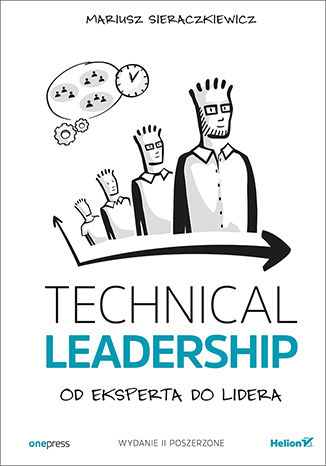
Technical Leadership. Od eksperta do lidera. Wydanie II poszerzone
Mariusz Sieraczkiewicz
"Dotąd nie było takiej książki na rynku" (z recenzji pierwszego wydania) Wybitne umiejętności techniczne i naturalny talent do zarządzania ludźmi nie zawsze idą w parze. A szkoda, bo losem świetnego programisty zatrudnionego na etacie jest, prędzej czy później, awans: z juniora na seniora, z seniora na lidera... I tu zaczyna się problem. Człowieka, który doskonale zna swój koderski fach, stawia się nagle przed koniecznością częściowego bądź całkowitego porzucenia go na rzecz zarządzania zespołem innych koderów - do tej pory kolegów z pracy, a teraz nagle podwładnych. Skąd czerpać wiedzę i inspiracje? W jaki sposób twarde umiejętności, które ma programista, uzupełnić o niezbędne na nowym stanowisku umiejętności miękkie? Czy każdy musi sam i w bólach przejść tę trudną drogę "od eksperta do menedżera", czy też można liczyć na wsparcie i podpowiedzi bardziej doświadczonych technicznych liderów? Otóż można, a nawet należy, tyle tylko, że trzeba dobrze wybrać mentora. Proponujemy, by Twoim "mistrzem" stał się ten podręcznik. Jego autor od kilkunastu lat współpracuje z zespołami programistycznymi jako trener i konsultant, zna więc specyfikę branży, z którą związałeś się zawodowo, i jest świadom tego, jakie problemy stoją przed nowo mianowanym liderem technicznym. Co więcej, wie, co zrobić, by te problemy szybko i skutecznie rozwiązać. W tym podręczniku mówi o roli, jaką odgrywa lider techniczny, o różnicach między ekspertem a liderem, o tym, jak skutecznie pracować ze swoim zespołem oraz jak budować relacje z biznesem. Wskazuje, skąd czerpać motywację - dla siebie i powierzonych sobie ludzi, jak z nimi rozmawiać, by chcieli słuchać, i jak ich słuchać, by wyciągać budujące wnioski. Drugie wydanie książki wzbogacone zostało o rozdział poświęcony wdrażaniu zmian, czyli temu, co jest chlebem powszednim każdego lidera.
Joshua Alan Teter, Ben Tobin
The technical program manager (TPM) is a relatively new role born out of the need of the tech industry to have a specialized practitioner who speaks both tech and business and leverages this bilingual talent to get results that no one else can.This book dives into what makes a TPM tick. You’ll find out which project and program management skills will help you shine and how you can apply your technical skills for effective results. This book looks at the TPM role across the Big Five tech companies (Amazon, Google, Microsoft, Apple, and Meta) to help you discern the most effective skills to be successful no matter which company you work for.Are you already a well-performing TPM looking to see what’s next? This book identifies the career paths for a TPM at the Big Five to help you decide the next step for you.By the end of this book, you’ll have a clear understanding of how to be a TPM, along with a breakdown of the necessary technical and program management skills to develop a clear roadmap for your career.
Chris Chinchilla
Effective documentation is key to the success of products in remote software development teams, facilitating clear instructions that benefit the entire development team. Technical Writing for Software Developers lays a solid foundation of essential grammar, providing language tips and explaining how precise writing enhances documentation, and walks you through the fundamental types and styles of documentation.Starting with an exploration of the current state of the tech writing industry and its significance in both the software and hardware realms, you’ll master the building blocks of technical writing, exploring tooling choices and style guides, and create dynamic multimedia-laden documentation. This book equips you with valuable insights into the writing and feedback process to ensure continuous improvement. Additionally, you’ll take a peek at the emerging trends and technologies, including AI tools, shaping the future of technical writing.By the end of this technical writing book, you’ll have developed the expertise you need to tackle documentation requests effectively, armed with the knowledge of the best approach for documenting any topic, encompassing text, media elements, structure, and appropriate tools. The skills acquired will enable you to achieve seamless teamwork, enhanced project efficiency, and successful software development.
Technologia w e-commerce. Teoria i praktyka. Poradnik menedżera
Piotr Karwatka, Tomasz Ejtminowicz, Marcin Engelmann, Przemysław...
Dowiedz się więcej o Autorach E-handel w pytaniach i odpowiedziach Nadzór nad procesem tworzenia i utrzymaniem sklepu internetowego lub dowolnej innej formy obecności firmy na rynku e-commerce jest naprawdę trudnym zadaniem. Wymaga ogromnej wiedzy i ogromnego doświadczenia w kwestiach biznesowych i prawnych, a przede wszystkim technicznych. Do pracy nad tą książką Piotr Karwatka zaprosił grono uznanych ekspertów: dyrektorów IT oraz niezależnych konsultantów, którzy zajmują się m.in. wdrożeniami, audytami oraz utrzymaniem produkcyjnym zaawansowanych sklepów internetowych. Znajdziesz tutaj odpowiedzi na kluczowe pytania, dotykające całego spektrum technicznych zagadnień związanych z handlem w internecie. Technologia w e-commerce… wypełnia ważną niszę na rynku wydawniczym, ponieważ proponuje kompleksowe podejście do zagadnień, które do tej pory omawiane były osobno w ramach literatury informatycznej i biznesowej. Większość dostępnych dziś książek skupia się albo na technicznych aspektach e-handlu (sposoby korzystania z baz danych, języków programowania i frameworków), albo na ujęciu biznesowym. Autorzy niniejszej publikacji starali się połączyć te dwa światy i stworzyć swoiste FAQ e-biznesu. Jeśli wciąż masz wątpliwości, czy dobrze prowadzisz swój e-biznes, sięgnij po tę pozycję. Tak cennej wiedzy nie znajdziesz nigdzie indziej! Z tej książki dowiesz się między innymi: jak dokonać dobrego wyboru platformy sklepowej i na jakie aspekty zwrócić uwagę w jaki sposób zintegrować się z systemami ERP, stworzyć szynę wymiany danych oraz umiejscowić system w obecnym środowisku informatycznym jak poradzić sobie z dużym obciążeniem i wykorzystać skalowalność oraz jakich narzędzi użyć jak zapewnić bezpieczeństwo danych i nie narazić się GIODO jak stworzyć procedury w zespole wdrożeniowym i przestrzegać tych procedur jak dbać o jakość projektów od etapu analitycznego po wdrożenie i utrzymanie jak zapewnić wysoką dostępność aplikacji, SLA oraz wydajny hosting i wirtualizację Kompendium wiedzy menedżerskiej w jednym podręczniku! Masz pytanie o e-commerce? Sięgnij po niezbędnik menedżera! PATRONAT MEDIALNY:
TensorFlow. 13 praktycznych projektów wykorzystujących uczenie maszynowe
Ankit Jain, Armando Fandango, Amita Kapoor
TensorFlow służy do projektowania i wdrażania zaawansowanych architektur głębokiego uczenia. Jego zaletami są prostota, wydajność i elastyczność. Umożliwia budowanie złożonych rozwiązań na bazie różnorodnych zbiorów danych. Co więcej, pozwala na stosowanie różnych technik uczenia nadzorowanego, nienadzorowanego oraz uczenia przez wzmacnianie. TensorFlow zmienił sposób postrzegania uczenia maszynowego. Dzięki temu środowisku każdy, kto chce uczynić z dużych zbiorów danych wiarygodne źródło wiedzy, może ten cel osiągnąć - niezależnie od tego, czy jest analitykiem danych, naukowcem, projektantem, czy pasjonatem metod sztucznej inteligencji. To książka przeznaczona dla osób, które chcą nauczyć się tworzyć całościowe rozwiązania z wykorzystaniem uczenia maszynowego. Poszczególne zagadnienia zilustrowano trzynastoma praktycznymi projektami, w których wykorzystano między innymi analizy sentymentów, przetwarzanie języka naturalnego, systemy rekomendacyjne, generatywne sieci kontradyktoryjne czy sieci kapsułowe. Pokazano, w jaki sposób używać TensorFlow z interfejsem APO Spark i wspomagać obliczenia układami GPU. Przedstawiono zastosowanie rozkładu macierzy (SVD++), modeli rankingowych i odmian splotowej sieci neuronowej. Nie zabrakło prezentacji nowych rozwiązań o dużym potencjale, takich jak sieci DiscoGAN. Dołączony do książki kod źródłowy, liczne wskazówki i porady pozwolą na płynne rozpoczęcie pracy z TensorFlow oraz innymi narzędziami do budowy sieci neuronowych. W tej książce między innymi: podstawy pracy z TensorFlow wykorzystanie TensorFlow do wizualizacji sieci neuronowych zastosowanie procesu gaussowskiego do prognozowania cen akcji wykrywanie oszukańczych transakcji za pomocą TensorFlow i Keras implementacja sieci kapsułowych w TensorFlow techniki uczenia przez wzmacnianie TensorFlow: prostota, wydajność i imponujący potencjał!
Antonio Gulli, Amita Kapoor
Deep neural networks (DNNs) have achieved a lot of success in the field of computer vision, speech recognition, and natural language processing. This exciting recipe-based guide will take you from the realm of DNN theory to implementing them practically to solve real-life problems in the artificial intelligence domain.In this book, you will learn how to efficiently use TensorFlow, Google’s open source framework for deep learning. You will implement different deep learning networks, such as Convolutional Neural Networks (CNNs), Recurrent Neural Networks (RNNs), Deep Q-learning Networks (DQNs), and Generative Adversarial Networks (GANs), with easy-to-follow standalone recipes. You will learn how to use TensorFlow with Keras as the backend. You will learn how different DNNs perform onsome popularly used datasets, such as MNIST, CIFAR-10, and Youtube8m. You will not only learn about the different mobile and embedded platforms supported by TensorFlow, but also how to set up cloud platforms for deep learning applications. You will also get a sneak peek at TPU architecture and how it will affect the future of DNNs.By using crisp, no-nonsense recipes, you will become an expert in implementing deep learning techniques in growing real-world applications and research areas such as reinforcement learning,GANs, and autoencoders.

TensorFlow 2 Pocket Primer. A Quick Reference Guide for TensorFlow 2 Developers
Mercury Learning and Information, Oswald Campesato
As part of the best-selling *Pocket Primer* series, this book introduces beginners to basic machine learning algorithms using TensorFlow 2. It provides a fast-paced introduction to TensorFlow, covering core features and machine learning basics with Python code samples. An appendix includes Keras-based code samples and explores MLPs, CNNs, RNNs, and LSTMs. The chapters illustrate how to solve various tasks, encouraging further reading to deepen your knowledge.The journey begins with an introduction to TensorFlow 2, followed by essential APIs and datasets. You'll explore linear regression and classifiers, learning to apply TensorFlow to practical problems. The comprehensive appendix covers advanced topics like NLPs and deep learning architectures, enhancing your understanding of machine learning.Understanding these concepts is crucial for modern AI applications. This book transitions readers from basic TensorFlow use to advanced machine learning techniques, blending theory with practical examples. Companion files with source code and figures enhance learning, making this an essential resource for mastering TensorFlow and machine learning.
Tony Holdroyd
TensorFlow is one of the most popular machine learning frameworks in Python. With this book, you will improve your knowledge of some of the latest TensorFlow features and will be able to perform supervised and unsupervised machine learning and also train neural networks.After giving you an overview of what's new in TensorFlow 2.0 Alpha, the book moves on to setting up your machine learning environment using the TensorFlow library. You will perform popular supervised machine learning tasks using techniques such as linear regression, logistic regression, and clustering. You will get familiar with unsupervised learning for autoencoder applications. The book will also show you how to train effective neural networks using straightforward examples in a variety of different domains.By the end of the book, you will have been exposed to a large variety of machine learning and neural network TensorFlow techniques.