
Bezpieczeństwo systemów

Kyler Kent
As cyberattacks continue to disrupt modern enterprises, organizations urgently need vigilant security operations center (SOC) analysts who can detect and stop threats fast. With modern SIEMs and ingestion strategies, much of the necessary data is already within easy reach. This book provides you with the daily tactics, techniques, and procedures of a SOC analyst and shows how to exceed expectations in a modern SOC.The book builds a solid foundation in security operations, preparing you for the SOC analyst role and other positions within the SOC. With this base in place, you’ll advance into key SOC roles and blue team principles, such as detection and engineering. You’ll be able to clearly articulate your future as a SOC analyst in an interview as well as talk about your career path to impress prospective employers. You’ll get to grips with advanced threat actors, including advanced persistent threats (APTs) that wield considerable resources in campaigning against an organization. The chapters cover important concepts, such as governance, risk, and compliance (GRC), blue and red team tools, network security, web app security, and job search skills.By the end of this book, you’ll be able to demonstrate competency and acquire a SOC analyst position with an additional career outlook moving forward.
Joseph Ingeno
The Software Architect’s Handbook is a comprehensive guide to help developers, architects, and senior programmers advance their career in the software architecture domain. This book takes you through all the important concepts, right from design principles to different considerations at various stages of your career in software architecture. The book begins by covering the fundamentals, benefits, and purpose of software architecture. You will discover how software architecture relates to an organization, followed by identifying its significant quality attributes. Once you have covered the basics, you will explore design patterns, best practices, and paradigms for efficient software development.The book discusses which factors you need to consider for performance and security enhancements. You will learn to write documentation for your architectures and make appropriate decisions when considering DevOps. In addition to this, you will explore how to design legacy applications before understanding how to create software architectures that evolve as the market, business requirements, frameworks, tools, and best practices change over time.By the end of this book, you will not only have studied software architecture concepts but also built the soft skills necessary to grow in this field.
Anand Balachandran Pillai
This book starts by explaining how Python fits into an application's architecture. As you move along, you will get to grips with architecturally significant demands and how to determine them. Later, you’ll gain a complete understanding of the different architectural quality requirements for building a product that satisfies business needs, such as maintainability/reusability, testability, scalability, performance, usability, and security.You will also use various techniques such as incorporating DevOps, continuous integration, and more to make your application robust. You will discover when and when not to use object orientation in your applications, and design scalable applications.The focus is on building the business logic based on the business process documentation, and understanding which frameworks to use and when to use them. The book also covers some important patterns that should be taken into account while solving design problems, as well as those in relatively new domains such as the Cloud.By the end of this book, you will have understood the ins and outs of Python so that you can make critical design decisions that not just live up to but also surpassyour clients’ expectations.

Dinesh Rajput
Design patterns help speed up the development process by offering well tested and proven solutions to common problems. These patterns coupled with the Spring framework offer tremendous improvements in the development process.The book begins with an overview of Spring Framework 5.0 and design patterns. You will understand the Dependency Injection pattern, which is the main principle behind the decoupling process that Spring performs, thus making it easier to manage your code. You will learn how GoF patterns can be used in Application Design. You will then learn to use Proxy patterns in Aspect Oriented Programming and remoting. Moving on, you will understand the JDBC template patterns and their use in abstracting database access. Then, you will be introduced to MVC patterns to build Reactive web applications. Finally, you will move on to more advanced topics such as Reactive streams and Concurrency.At the end of this book, you will be well equipped to develop efficient enterprise applications using Spring 5 with common design patterns
Mick Knutson, Robert Winch, Peter Mularien
Knowing that experienced hackers are itching to test your skills makes security one of the most difficult and high-pressured concerns of creating an application. The complexity of properly securing an application is compounded when you must also integrate this factor with existing code, new technologies, and other frameworks. Use this book to easily secure your Java application with the tried and trusted Spring Security framework, a powerful and highly customizable authentication and access-control framework.The book starts by integrating a variety of authentication mechanisms. It then demonstrates how to properly restrict access to your application. It also covers tips on integrating with some of the more popular web frameworks. An example of how Spring Security defends against session fixation, moves into concurrency control, and how you can utilize session management for administrative functions is also included.It concludes with advanced security scenarios for RESTful webservices and microservices, detailing the issues surrounding stateless authentication, and demonstrates a concise, step-by-step approach to solving those issues. And, by the end of the book, readers can rest assured that integrating version 4.2 of Spring Security will be a seamless endeavor from start to finish.

Strategie cyberbezpieczeństwa współczesnego świata
Katarzyna Chałubińska-Jentkiewicz, Agnieszka Brzostek
Opracowanie odnosi się do kwestii cyberbezpieczeństwa w sferze nie tylko krajowej, ale również międzynarodowej, co pozwala na szersze spojrzenie na przedmiotową problematykę. W związku z tym należy je nie tylko ocenić wysoko, ale też szczególnie podkreślić ten fakt. Umiędzynarodowienie cyberbezpieczeństwa pozwala na skuteczniejsze działania w tej sferze, w tym na zapobieganie incydentom mającym niekorzystny wpływ na bezpieczeństwo systemów informacyjnych, a działania takie są ujęte właśnie w strategiach cyberbezpieczeństwa. Prof. Dr hab. Mirosław Karpiuk Zaprezentowane badania cechuje dojrzałość naukowa oraz doskonała znajomość tematyki, która nie ogranicza się jedynie do realiów polskich. Autorki bowiem wnikliwie omawiają i analizują także kształtowanie się systemu cyberbezpieczeństwa w Stanach Zjednoczonych Ameryki, Kanadzie, Francji i Republice Federalnej Niemiec. [...] W recenzowanej monografii można wyróżnić dwie części. Pierwsza jest o charakterze teoretycznym, w której Autorki koncentrują się na aspektach bezpieczeństwa cyberprzestrzeni jako elementu polityki państwa oraz na miejscu cyberbezpieczeństwa w systemie bezpieczeństwa. W drugiej natomiast zostały poddane analizie obowiązujące oraz przyjęte w ubiegłych latach w wybranych państwach strategie i polityki cyberbezpieczeństwa. dr Justyna Kurek

Strategie Red Team. Ofensywne testowanie zabezpieczeń w praktyce
Johann Rehberger
Zapewnienie bezpieczeństwa IT jest wyjątkowo ważne. Organizacja musi pozostawać w ciągłej gotowości do wykrywania zagrożeń i reagowania na incydenty bezpieczeństwa. Przeciwnicy nieustannie się doskonalą i standardowy zestaw zabezpieczeń jakiś czas temu przestał wystarczać. Konieczne jest zbudowanie i wdrożenie kompleksowego systemu zapobiegania zagrożeniom, ich wykrywania i reagowania na nie. Podobnie jak na polu bitwy, tak i w planowaniu bezpieczeństwa IT zyskuje się przewagę dzięki znajomości własnego terenu i działaniom ofensywnym. Oto wszechstronny i praktyczny przewodnik dla inżynierów i kierowników do spraw bezpieczeństwa. Opisano w nim, jak zbudować program pracy zespołu czerwonego, który będzie się zajmować ofensywnymi testami bezpieczeństwa, zarządzać nim i monitorować ich efektywność. Omówiono też skuteczne sposoby podnoszenia świadomości bezpieczeństwa w organizacji. Dokładnie wyjaśniono zasady wykonywania operacji progresywnych, takich jak ukierunkowane testy naruszenia prywatności czy manipulowanie danymi telemetrycznymi. Zaprezentowano grafy wiedzy i sposoby ich budowania, a następnie techniki polowania na poświadczenia. Nie zabrakło ważnych uwag o ochronie zasobów, przeprowadzaniu audytów oraz korzystaniu z alertów. W książce: czym grożą naruszenia bezpieczeństwa jak budować skuteczne zespoły testów penetracyjnych mapowanie własnego terenu za pomocą grafów wiedzy czym jest polowanie na poświadczenia czym się różni praca zespołów niebieskiego i czerwonego skuteczne informowanie kierownictwa firmy o problemach z bezpieczeństwem Wróg nie śpi. Przejdź do ofensywy i testuj swój system!

Surviving A Cyberattack. A Comprehensive Guide to Digital Security for Families and Businesses
Mercury Learning and Information, Todd G. Shipley,...
This essential guide empowers individuals, families, and small business owners to secure their digital environments. Beginning with the basics of cybersecurity, it explores practical strategies for protecting social media, safeguarding family members, and securing online transactions. Readers will learn actionable techniques to defend against cyber threats and protect digital assets.With dedicated chapters on small business security, responding to cyberattacks, and navigating future digital trends, this book delivers practical, step-by-step advice. It ensures readers are equipped to tackle the challenges of modern digital security with confidence and clarity.By the end, readers will gain the skills to identify threats, respond effectively, and build a safer digital presence for themselves and their loved ones. This guide is perfect for anyone seeking to enhance their online security, regardless of prior experience.
System bezpieczeństwa w cyberprzestrzeni RP
Waldemar Kitler, Katarzyna Chałubińska-Jentkiewicz, Katarzyna Badźmirowska-Masłowska
Przedstawione dociekania naukowe są trafne i merytoryczne. Wychodzą naprzeciw zapotrzebowaniu państwa i społeczeństwa. (...) jest to dzieło dojrzałe, merytorycznie spójne, ukierunkowane na potrzeby związane z tworzeniem systemu bezpieczeństwa w cyberprzestrzeni RP. płk. dr hab. inż. Piotr Dela, prof. ASzWoj Przedstawione do recenzji opracowanie, o niezwykle nośnym i ambitnym tytule System bezpieczeństwa w cyberprzestrzeni RP, dotykające niezwykle ważnej współcześnie problematyki cyberbezpieczeństwa jest dziełem zbiorowym, gdzie znajduje ujście wiele ciekawych wątków związanych z zakreślonym w tytule obszarem. dr hab. Mirosław Karpiuk, prof. UWM
Sztuka prowadzenia cyberkonfliktu. Atak i obrona w czasie rzeczywistym
Dan Borges
Cyfrowe konflikty stały się codziennością. Organizacja, która chce przetrwać w tym wrogim świecie, nie może szczędzić sił ani środków na cyberbezpieczeństwo. Napastnicy prowadzą wyrafinowane ataki z rosnącą skutecznością. Nawet jeśli Twój system komputerowy jest dobrze zabezpieczony, a procedury cyberbezpieczeństwa zostały wdrożone i są stosowane, musisz się przygotować do ataku. Innymi słowy: musisz dobrze wiedzieć, co robić, kiedy prawdziwi hakerzy wtargną do Twojego systemu. Ta niezwykła książka pozwoli Ci dobrze zrozumieć, jak wygląda prowadzenie cyberataku z perspektywy agresora i odpieranie napaści z perspektywy obrońcy. Znajdziesz w niej mnóstwo przydatnych porad i wskazówek, dzięki którym zdołasz przejąć kontrolę nad sytuacją. Opisane tu techniki i sztuczki okazują się przydatne podczas całego łańcucha ataku. W każdym rozdziale poruszono tematy ważne dla zespołów ataku lub zespołów obrony. Pokazano świat antagonistycznych operacji, a także zasady oszustwa, człowieczeństwa i ekonomii, będące podstawą prowadzenia konfliktów komputerowych. Przedstawiono wszelkie niezbędne informacje dotyczące planowania operacji, instalacji infrastruktury i narzędzi. Omówiono również zalety prowadzenia zaawansowanych badań i wyciągania wniosków z zakończonych konfliktów. W książce między innymi: wstrzykiwanie kodu do procesów i wykrywanie wstrzykniętego kodu aktywne środki obrony manipulacja sensorami obrońców podczas ataku wprowadzanie tylnych drzwi do programów i używanie serwerów-pułapek techniki stosowane w zespołach czerwonych i niebieskich najlepsze metody pozwalające wygrać konflikt cyberbezpieczeństwa Przygotuj się. Cyberwojna nadchodzi!

SZYFROWANIE BEZPIECZEŃSTWO KRYPTOGRAFIA: CZĘŚĆ 1 Podstawowe pojęcia i koncepcje
Dariusz Gołębiowski
1. SZYFROWANIE - TWOJE SUPERMOCE W CYFROWYM ŚWIECIE Miła Czytelniczko, Drogi Czytelniku, Wyobraź sobie ten wspaniały świat bez jakichkolwiek zamków czy innych zabezpieczeń w drzwiach. Chodzisz do pracy, wracasz do domu, a Twoje rzeczy są tam, gdzie je zostawiłeś/aś - do czasu, aż ... ktoś postanowi zajrzeć i "pożyczyć ;)" coś od Ciebie - bez Twojej zgody czy nawet wiedzy. Jak Tobie podoba się taka wizja? Chyba niespecjalnie? Prawda? A teraz zerknijmy z tego samego punktu widzenia do cyber świata. W cyfrowym świecie tak właśnie wygląda codzienna rzeczywistość bez szyfrowania. Twoje dane są jak otwarte książki, gotowe do przeglądania przez każdego, kto ma na to ochotę. Albo jak wolisz - jak Twój dom bez jakichkolwiek antykradzieżowych zabezpieczeń. Tak! Właścicielu/ko firmy. Ciebie oraz Twojego biznesu to także dotyczy. Ty także - kolokwialnie mówiąc: "dajesz ciała" ;)! Na szczęście jest na opisane problemy rozwiązanie! Całkiem łatwe i znane od stuleci Szyfrowanie! Tak - dokładnie tak! SZYFROWANIE to Twoja cyfrowa tarcza - supermoc, która pozwala chronić najcenniejsze dane przed złodziejami, wścibskimi spojrzeniami czy nawet ... własnym roztargnieniem. Ale trzeba także pamiętać, że szyfrowanie to tylko element potężnej dziedziny wiedzy, nauki i technologii jaką jest kryptografia. W początkowych modułach tej serii będę głównie posługiwał się pojęciem szyfrowania. To na tym elemencie będziemy się skupiali. Jednakże będziemy także sięgali głębiej - do kryptografii. Ale spokojnie - nie obawiaj się. Wejście w świat kryptografii zrobimy wspólnie - krok po kroku i czasami nawet nie zauważysz, a już będziesz w obszarze kryptografii. A poza tym ona wcale nie jest aż tak straszna jak by wynikało z jej nazwy :). Jeśli myślisz, że to technologia zarezerwowana dla informatyków z topowych firm technologicznych, na następnych stronach tej książki wyprowadzę Ciebie z błędu. Każdy - nawet Ty - może stać się mistrzem szyfrowania. I nie, nie potrzebujesz do tego doktoratu z kryptografii, ani nawet jakiejkolwiek zaawansowanej wiedzy. Technologia daje nam odpowiednie narzędzia. Ale pojawiają się różne ograniczenia i to co najmniej dwa są istotne na początku Twojej drogi 😉: Twoja dobra wola do zainteresowania się tematem szyfrowania (i kryptografii), Czas, bo szybkość jest wrogiem bezpieczeństwa, czyli także szyfrowania, a Ty już wkrótce to zrozumiesz - o ile zagłębisz się w kolejne strony tego poradnika. 2. DLACZEGO WARTO ZGŁĘBIĆ TAJNIKI SZYFROWANIA? Każdego dnia korzystamy ze wspaniałych technologii, które wymieniają się informacjami - od wysyłania maili po przechowywanie plików w tak zwanej "chmurze IT" lub po prostu "chmurze". Ale w świecie, gdzie dane są nową walutą, każdy błąd może kosztować więcej, niż się spodziewasz. Szyfrowanie to nie luksus - to podstawowe narzędzie w cyfrowym świecie. W tej książce pokażę Ci, jak prosto i skutecznie wprowadzić szyfrowanie do swojego życia zawodowego i osobistego. Co znajdziesz w Części 1 serii: Szyfrowanie Bezpieczeństwo? Przygotowałem dla Ciebie przewodnik, którego pierwsze dwie części - krok po kroku - przeprowadzą Ciebie przez podstawy szyfrowania. Całość poradnika podzieliłem na moduły, z których każdy skupia się na innym aspekcie. Nie bój się - wszystko wyjaśnione jest prosto, zrozumiale, a czasem nawet z odrobiną humoru. Bo kto powiedział, że o bezpieczeństwie nie można pisać z szerokim uśmiechem na twarzy? CZĘŚĆ 1 to wprowadzenie do podstaw Podstawy szyfrowania: Na początek dowiesz się, czym jest szyfrowanie, skąd się wzięło i dlaczego jest tak ważne. Przygotuj się na kilka ciekawostek z historii - od Cezara po współczesne algorytmy. Symetria i asymetria - szyfrowanie na dwa sposoby: Poznasz dwa podstawowe rodzaje szyfrowania, ich zalety, wady i zastosowania. Zrozumiesz, dlaczego klucze publiczne i prywatne to jak yin i yang w świecie kryptografii. CZĘŚCI: 2, 3 i następne (tak, przewidziałem ich sporo :) ) - zajmą się kolejnymi ważnymi elementami szyfrowania, o których dowiesz się zapewne w części drugiej, do której już teraz Ciebie zapraszam. Ale pozwól, że nakreślę obszary wiedzy, które zamierzam poruszyć w kilku kolejnych Modułach: Protokoły szyfrowania Praktyczne zastosowania szyfrowania Typowe błędy i najlepsze praktyki Szyfrowanie w biurze i wiele innych związanych z szyfrowaniem oraz cyfrowym bezpieczeństwem. 3. DLACZEGO TA SERIA KSIĄŻEK JEST INNA? Moim celem było stworzenie poradnika, który nie tylko dostarcza wiedzy, ale też zachęca do działania. Znajdziesz tu nie tylko przydatne teorie, ale przede wszystkim praktyczne przykłady, wskazówki i - co najważniejsze - lekki styl, który pozwoli Ci przyswajać wiedzę z uśmiechem na twarzy. A ponieważ w ponad 90% skupiam się na rozwiązaniach open source oraz bezpłatnych, więc każdy i każda z Was będzie mógł/mogła w praktyce zobaczyć oraz przećwiczyć większość z omawianych elementów szyfrowania. Chcę, żebyś po przeczytaniu tej książki pomyślał/a: "To było łatwiejsze, niż myślałem/am!" i od razu zaczął/ęła stosować szyfrowanie w praktyce. A ponieważ szyfrowania to jeden z filarów cyberbezpieczeństwa, więc po poznaniu i zrozumieniu zagadnień poruszanych w tej serii ebooków - Twoja wartość na rynku pracy zapewne znacząco się zwiększy. Jak już wspomniałem nacisk będę kładł na szyfrowanie a nie na kryptografię, jak jak wkrótce się dowiesz - szyfrowanie to jedynie element kryptografii. Ale na początkowym etapie nauki, warto zgłębić właśnie sztukę szyfrowania, aby potem móc spojrzeć na całość problemu, czyli z punktu widzenia kryptografii. Nie oznacza to, że nie będzie już w pierwszej części elementów wiedzy kryptograficznej wychodzących poza samo tylko szyfrowanie. Tak się nie da, choćby ze względów technologicznych, gdzie zastosowanie szyfrowania opiera się także o aspekty całej kryptografii czyli: poufność, integralność, uwierzytelnienie, niezaprzeczalność. Na wyjaśnienie tych czterech pojęć zapraszam Ciebie do dalszej części mojego poradnika. 4. DLA KOGO JEST TA KSIĄŻKA? Dla każdej osoby, która ma do czynienia z urządzeniami typu: komputer, smartfon, tablet. A czy są jeszcze ludzie, którzy nie używają choćby jednego z wyżej wymienionych narzędzi cyfrowych? Niezależnie od tego, czy jesteś pracownikiem/cą biurowym/ą, freelancerem/ką, studentem/ką czy właścicielem/ką firmy - jeśli zależy Ci na bezpieczeństwie danych, ta książka jest dla Ciebie. Nawet jeśli dopiero zaczynasz swoją przygodę z szyfrowaniem, znajdziesz tu wszystko, czego potrzebujesz, by ruszyć z miejsca. Gotowy/a na podróż po świecie szyfrowania? Świetnie! Weź kubek kawy, zrelaksuj się i zacznijmy wspólnie odkrywać tajniki bezpieczeństwa danych oraz wielu innych obszarów cyberbezpieczeństwa. Obiecuję, że będzie: ciekawie, praktycznie i czasami ... całkiem zabawnie. 😊

Damodar Lohani
Using a shared codebase in addition to an extensive range of tools in the Flutter ecosystem optimized for browsers, the Flutter framework has expanded to enable you to bring your mobile apps to the web. You’ll find out how web developers can leverage the Flutter framework for web apps with this hands-on guide.Taking Flutter to the Web will help you learn all about the Flutter ecosystem by covering the tools and project structure that allows you to easily integrate Flutter into your web stack. You’ll understand the concepts of cross-platform UI development and how they can be applied to web platforms. As you explore Flutter on the web, you'll become well-versed with using Flutter as an alternative UI platform for building adaptive and responsive designs for web apps.By the end of this Flutter book, you'll have built and deployed a complete Flutter app for the web and have a roadmap ready to target the web for your existing Flutter mobile apps.

Testy penetracyjne nowoczesnych serwisów. Kompendium inżynierów bezpieczeństwa
Prakhar Prasad
Testy penetracyjne nowoczesnych serwisów. Kompendium inżynierów bezpieczeństwa Sieć stała się niebezpiecznym miejscem. Między grasującymi złoczyńcami a inżynierami bezpieczeństwa aplikacji trwa ciągły wyścig zbrojeń. Mimo to oczywiste jest, że uzyskanie stuprocentowego bezpieczeństwa jest niemożliwe. Jedną z technik zabezpieczania aplikacji są testy penetracyjne, które polegają na atakowaniu systemu różnymi metodami, aby odnaleźć jego słabe punkty i pokazać, jak można się do niego włamać. Niniejsza książka stanowi wyczerpujące źródło wiedzy dla testerów przeprowadzających analizę aplikacji internetowej. Opisano tu zarówno najnowsze, jak i klasyczne techniki łamania zabezpieczeń — bardzo często starsze metody rozwijają się w różnych kierunkach i nie należy o nich zapominać. Między innymi przedstawiono informacje o atakach XML, w tym XXE, oraz metody wykorzystywania słabych stron OAuth 2.0. Omówiono również XSS, CSRF, Metasploit i wstrzykiwanie SQL. Nie zabrakło również opisu rzeczywistych przypadków testowania aplikacji. Nowe lub mniej popularne techniki ataku na strony WWW takie jak wstrzykiwanie obiektów PHP lub wykorzystanie danych XML. Sposób pracy z narzędziami do przeprowadzania testów bezpieczeństwa, aby w ten sposób zautomatyzować żmudne zadania. Różne rodzaje nagłówków HTTP wspomagających zapewnienie wysokiego poziomu bezpieczeństwa aplikacji. Wykorzystywanie i wykrywanie różnego rodzaju podatności XSS. Ochronę aplikacji dzięki technikom filtracji. Stare techniki ataku takie jak XSS, CSRF i wstrzykiwanie SQL, ale w nowej osłonie. Techniki ataku takie jak XXE i DoS wykorzystujące pliki XML. Sposoby testowania API typu REST w celu znalezienia różnego rodzaju podatności i wycieków danych. Testy penetracyjne — klucz do bezpieczeństwa Twojej aplikacji! Prakhar Prasad mieszka w Indiach. Jest ekspertem w dziedzinie bezpieczeństwa aplikacji specjalizującym się w testach penetracyjnych. W 2014 roku został sklasyfikowany na dziesiątej pozycji w światowym rankingu HackerOne. Zdobył kilka nagród za znalezienie luk bezpieczeństwa w takich serwisach, jak Google, Facebook, Twitter, PayPal czy Slack. Posiada certyfikaty z OSCP. Przeprowadza testy bezpieczeństwa dla różnych organizacji rządowych, pozarządowych i edukacyjnych.
Testy penetracyjne środowiska Active Directory i infrastruktury opartej na systemie Windows
Denis Isakov
Cyberprzestępczość to obecnie wielki biznes i wielka polityka. Zaangażowane podmioty nieustannie dążą do doskonalenia technik ataków. Cyberprzestępcy dysponują własną metodologią, narzędziami i wykwalifikowanym personelem. Aby obronić się przed nimi, musisz zrozumieć, w jaki sposób atakują, a potem dobrze poznać ich taktyki i techniki. W trakcie lektury tej książki przygotujesz własne laboratorium, a następnie przeanalizujesz każdy etap zabójczego łańcucha ataków i zastosujesz nową wiedzę w praktyce. Dowiesz się, jak ominąć wbudowane mechanizmy bezpieczeństwa, między innymi AMSI, AppLocker i Sysmon, przeprowadzać działania rozpoznawcze i wykrywające w środowisku domeny, a także zbierać dane uwierzytelniające w całej domenie. Przeczytasz również, jak poruszać się ruchem bocznym, aby wtopić się w ruch środowiska i pozostać niewykrytym przez radary obrońców, a ponadto jak eskalować uprawnienia wewnątrz domeny i w całym lesie domen czy osiągać stan przetrwania na poziomie domeny i w kontrolerze domeny. W efekcie nauczysz się przeprowadzać ocenę bezpieczeństwa różnych produktów i usług Microsoftu, takich jak Exchange Server, SQL Server i SCCM. Ciekawsze zagadnienia: techniki atakowania usług: Active Directory, Exchange Server, WSUS, SCCM, AD CS i SQL Server skuteczne unikanie wykrycia w środowisku ofensywne bezpieczeństwo operacyjne (OpSec) sposoby naprawy błędnych konfiguracji przygotowanie rzeczywistych scenariuszy Testuj granice odporności swojej infrastruktury!
Paul Flewelling
This book will help you overcome the common challenges you’ll face when transforming your working practices from waterfall to Agile. Each chapter builds on the last, starting with easy-to-grasp ways to get going with Agile. Next you’ll see how to choose the right Agile framework for your organization. Moving on, you’ll implement systematic product delivery and measure and report progress with visualization. Then you’ll learn how to create high performing teams, develop people in Agile, manage in Agile, and perform distributed Agile and collaborative governance.At the end of the book, you’ll discover how Agile will help your company progressively deliver software to customers, increase customer satisfaction, and improve the level of efficiency in software development teams.
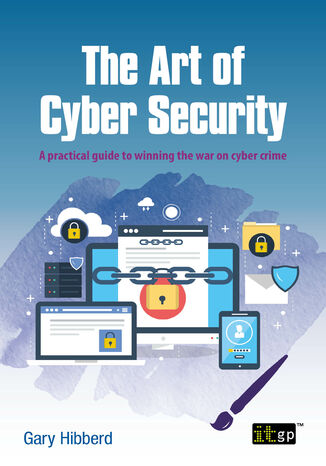
The Art of Cyber Security. A practical guide to winning the war on cyber crime
IT Governance Publishing, Gary Hibberd
This book redefines cyber security through the lens of creativity and classical strategy. It begins by exploring the mindset of the cyber defender as both artist and martial artist, highlighting the importance of intuition, flow, and individual perspective. It challenges rigid educational models and argues for a more adaptive, expressive approach to security thinking.Building on this foundation, the second part interprets Sun Tzu’s The Art of War in a cyber context. Each chapter reframes traditional military concepts—deception, preparation, leadership, and adaptability—through the realities of digital threats. The text emphasizes how timeless strategies apply to the modern information battlefield.By blending philosophy, history, and practical insight, the book offers a unique take on digital defense. It invites readers to reflect on their approach, question assumptions, and embrace both logic and creativity. This is not just a guide to threats and tactics, but a call to rethink what it means to be a cyber security professional today.