
Inne

Blockchain w biznesie. Możliwości i zastosowania łańcucha bloków
William Mougayar, Vitalik Buterin
Internet całkowicie zmienił naszą cywilizację. Podobnym przełomem jest technologia blockchain (łańcuch bloków), która permanentnie rejestruje transakcje w taki sposób, że nie da się ich usunąć, lecz tylko można je sekwencyjnie aktualizować, tworząc w istocie niekończący się zapis historii. Ta pozornie prosta funkcjonalność ma ogromne implikacje, bo wymusza ewolucję sposobów zawierania transakcji, przechowywania danych i przenoszenia zasobów. Łańcuchy bloków są katalizatorami ogromnych zmian oddziałujących na sferę sprawowania władzy, zarządzanie własnością, styl życia, tradycyjne modele korporacyjne, społeczeństwo i instytucje globalne. Nie sposób dziś przewidzieć choćby części koncepcji i modeli biznesowych, które powstaną dzięki niej. Ta książka jest frapującym przewodnikiem, który jak żadna inna publikacja skłania do przemyśleń i oddania się pracy koncepcyjnej. Łańcuchy bloków pozwolą na bezkolizyjną wymianę wartości, jednak wymuszą nowe zdefiniowanie pojęć funkcji, relacji, władzy i zaufania. Dzięki tej książce zrozumiesz podstawy technologii blockchain, ale także dowiesz się, jak wiele nowych przestrzeni otworzy się do jej zastosowania. Przekonasz się, że już dziś należy postawić sobie kilka strategicznych pytań, aby za chwilę być gotowym na jeszcze ambitniejsze wyzwania, przekraczające dzisiejsze granice organizacyjne, regulacyjne i koncepcyjne. Z całą pewnością łańcuch bloków jest technologią bardziej skomplikowaną niż sieć WWW. Dzięki tej książce zrozumiesz jej znaczenie dla rozwoju cywilizacji. W tej książce między innymi: Wyjaśnienie koncepcji blockchain Łańcuch bloków jako nowa warstwa zaufania Możliwości łańcucha bloków i przeszkody w jego wdrażaniu Techniczne aspekty implementacji łańcucha bloków Decentralizacja sieci, przenikanie technologii i nowy kształt gospodarki Łańcuch bloków: otwórz się na całkowicie nowe koncepcje i modele biznesowe!

Blockchain. Zaawansowane zastosowania łańcucha bloków. Wydanie II
Imran Bashir
Warto dobrze zrozumieć działanie łańcucha bloków. Ta nowatorska technologia intryguje badaczy, technologów i świat finansjery. Najlepiej jest znana z powiązań z bitcoinem i innymi kryptowalutami, jednak to rozwiązanie ma wielkie znaczenie również w finansach, administracji, multimediach i wielu innych branżach. Przejrzyste i kryptograficznie bezpieczne przechowywanie niemodyfikowalnego zapisu transakcji jest właściwością, która decyduje o wielkiej atrakcyjności łańcucha bloków. Bez wątpienia warto dobrze zaznajomić się z tą technologią i nauczyć się wykorzystywać ją w praktyce. Ta książka jest zaktualizowanym i uzupełnionym wydaniem świetnego przewodnika po świecie blockchaina; skorzysta z niej zarówno programista, jak i prezes konstruujący strategię swojej firmy. Znalazło się tu wyczerpujące omówienie technicznych podstaw łańcuchów bloków i systemów rozproszonych. Przedstawiono mechanizmy związane z kryptowalutami i pisaniem aplikacji wykonywanych w zdecentralizowanej maszynie wirtualnej w łańcuchu bloków Ethereum. Pokazano też inne rozwiązania z tego obszaru, w tym biznesowe platformy łańcuchów bloków rozwijanych w ramach projektu Hyperledger. Okazuje się, że technologia ta znakomicie uzupełnia internet rzeczy, a zwiększanie skalowalności łańcucha bloków daje nowe, fascynujące możliwości. W tej książce: podstawy przetwarzania rozproszonego, decentralizacja procesów i systemów wprowadzenie do kryptografii i sieci bitcoina techniczne zagadnienia związane z Ethereum i inteligentnymi kontraktami wprowadzenie do Web3 i do projektu Hyperledger informacje o zastosowaniu łańcucha bloków w różnych dziedzinach aktualne prognozy o przyszłości technologii łańcucha bloków Blockchain: w sieci węzłów rozproszonych nigdy nic nie zaginie!
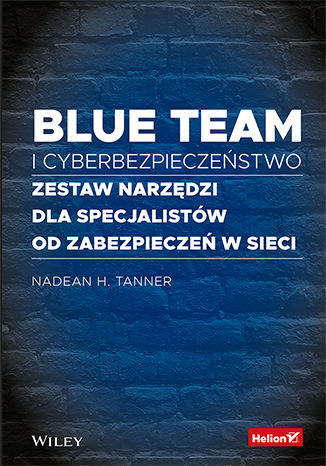
Blue team i cyberbezpieczeństwo. Zestaw narzędzi dla specjalistów od zabezpieczeń w sieci
Nadean H. Tanner
Zapewnienie bezpieczeństwa IT spędza sen z powiek nie tylko inżynierom, ale również menedżerom i kierownictwu organizacji. W tym zadaniu mają im pomóc różnorodne narzędzia, jednak ich skuteczne wykorzystanie wymaga nie tylko wyrafinowanej wiedzy technicznej. Konieczne jest nieco szersze spojrzenie na sprawy cyberbezpieczeństwa, aby zastosować właściwe strategie obronne i środki zaradcze. By podejmować trafne decyzje, potrzebna jest wiedza o najlepszych praktykach cyberbezpieczeństwa i o dostępnych narzędziach. To wszechstronny i praktyczny podręcznik dla kierowników i inżynierów. Opisuje różnorodne metody, platformy i technologie pochodzące od wielu dostawców, zawiera też wskazówki, jak je wykorzystać do tworzenia optymalnych rozwiązań. Przedstawiono tu pożyteczne informacje o sieciach komputerowych, podstawowych narzędziach bezpieczeństwa, rozwiązywaniu problemów w systemie Windows, inwentaryzacji sieci, zarządzaniu podatnościami, bezpieczeństwie aplikacji internetowych, zarządzaniu aktualizacjami i konfiguracją oraz wiele innych kwestii. Książka jest równocześnie treściwa i prosta w odbiorze, pozwala zapoznać się z aspektami technicznymi i nietechnicznymi, z teorią i praktyką cyberbezpieczeństwa - z pewnością ułatwi naukę metod oceny zagrożeń oraz sprawdzania i poprawiania stosowanej konfiguracji. W książce znajdziesz: teoretyczne i praktyczne aspekty bezpieczeństwa informatycznego skuteczne strategie obronne rodzaje narzędzi zapewniających cyberbezpieczeństwo zastosowanie takich narzędzi jak PuTTY, pathping, sysinternals
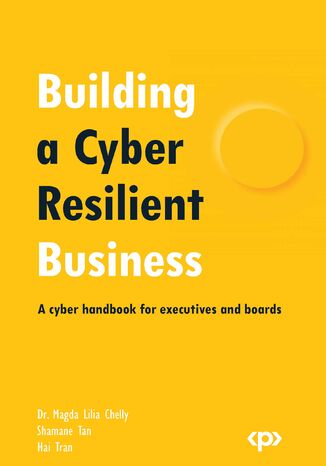
Building a Cyber Resilient Business. A cyber handbook for executives and boards
Dr. Magda Lilia Chelly , Shamane Tan,...
With cyberattacks on the rise, it has become essential for C-suite executives and board members to step up and collectively recognize cyber risk as a top priority business risk. However, non-cyber executives find it challenging to understand their role in increasing the business’s cyber resilience due to its complex nature and the lack of a clear return on investment.This book demystifies the perception that cybersecurity is a technical problem, drawing parallels between the key responsibilities of the C-suite roles to line up with the mission of the Chief Information Security Officer (CISO).The book equips you with all you need to know about cyber risks to run the business effectively. Each chapter provides a holistic overview of the dynamic priorities of the C-suite (from the CFO to the CIO, COO, CRO, and so on), and unpacks how cybersecurity must be embedded in every business function. The book also contains self-assessment questions, which are a helpful tool in evaluating any major cybersecurity initiatives and/or investment required.With this book, you’ll have a deeper appreciation of the various ways all executives can contribute to the organization’s cyber program, in close collaboration with the CISO and the security team, and achieve a cyber-resilient, profitable, and sustainable business.
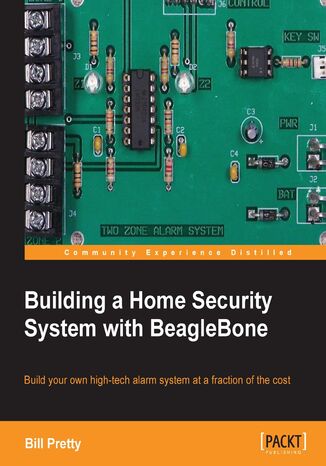
William Pretty
One of the best kept secrets of the security industry is just how simple the monitoring hardware actually is - BeagleBone has all the computing power you need to build yourself an extremely sophisticated access control, alarm panel, and home automation and network intrusion-detection system. Security companies make a fortune each year by charging exorbitant fees to their customers. You will learn how easy it is to make an alarm system with Beaglebone.A company-maintained-and-monitored alarm system has its place - your dear old mum is probably not going to be creating her own system any time soon. But if you are reading this book, you are probably a builder or a hobbyist with all the skills required to do it yourself. With Building a Home Security System with BeagleBone, you will learn everything you need to know to develop your own state-of-the-art security system, all for less than a year's worth of monitoring charges from your local alarm company!You will start by building and testing your hardware and open source software on an experimenter's prototype board before progressing to more complex systems. You will then learn how to test your new creations in a modular fashion and begin to utilize BeagleBone. Once your system is built and tested, you will install some of the professional-grade sensors used in modern alarm systems and learn how to use them. You will also discover how to extend your alarm system in a variety of different ways. The only limit will be your imagination.
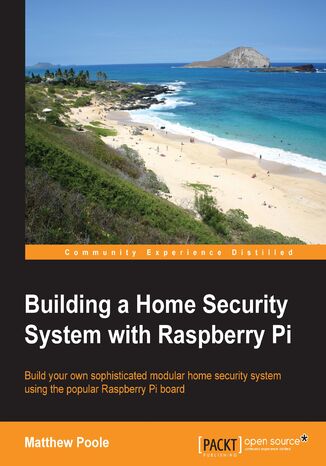
Matthew Poole
The Raspberry Pi is a powerful low-cost credit-card-sized computer, which lends itself perfectly as the controller for a sophisticated home security system. Using the on-board interfaces available, the Raspberry Pi can be expanded to allow the connection of a virtually infinite number of security sensors and devices. The Raspberry Pi has the processing power and interfaces available to build a sophisticated home security system but at a fraction of the cost of commercially available systems.Building a Home Security System with Raspberry Pi starts off by showing you the Raspberry Pi and how to set up the Linux-based operating system. It then guides you through connecting switch sensors and LEDs to the native GPIO connector safely, and how to access them using simple Bash scripts. As you dive further in, you’ll learn how to build an input/output expansion board using the I2C interface and power supply, allowing the connection of the large number of sensors needed for a typical home security setup. In the later chapters of the book, we'll look at more sophisticated topics such as adding cameras, remotely accessing the system using your mobile phone, receiving intrusion alerts and images by e-mail, and more.By the end of the book, you will be well-versed with the use of Raspberry Pi to power a home-based security system that sends message alerts whenever it is triggered and will be able to build a truly sophisticated and modular home security system. You will also gain a good understanding of Raspberry Pi's ecosystem and be able to write the functions required for a security system.
Ashish Kothekar
This comprehensive guide to QRadar will help you build an efficient security operations center (SOC) for threat hunting and need-to-know software updates, as well as understand compliance and reporting and how IBM QRadar stores network data in real time.The book begins with a quick introduction to QRadar components and architecture, teaching you the different ways of deploying QRadar. You’ll grasp the importance of being aware of the major and minor upgrades in software and learn how to scale, upgrade, and maintain QRadar. Once you gain a detailed understanding of QRadar and how its environment is built, the chapters will take you through the features and how they can be tailored to meet specifi c business requirements. You’ll also explore events, flows, and searches with the help of examples. As you advance, you’ll familiarize yourself with predefined QRadar applications and extensions that successfully mine data and find out how to integrate AI in threat management with confidence. Toward the end of this book, you’ll create different types of apps in QRadar, troubleshoot and maintain them, and recognize the current security challenges and address them through QRadar XDR.By the end of this book, you’ll be able to apply IBM QRadar SOC’s prescriptive practices and leverage its capabilities to build a very efficient SOC in your enterprise.
Kevin Cardwell
Security flaws and new hacking techniques emerge overnight – security professionals need to make sure they always have a way to keep . With this practical guide, learn how to build your own virtual pentesting lab environments to practice and develop your security skills. Create challenging environments to test your abilities, and overcome them with proven processes and methodologies used by global penetration testing teams. Get to grips with the techniques needed to build complete virtual machines perfect for pentest training. Construct and attack layered architectures, and plan specific attacks based on the platforms you’re going up against. Find new vulnerabilities for different kinds of systems and networks, and what these mean for your clients.Driven by a proven penetration testing methodology that has trained thousands of testers, Building Virtual Labs for Advanced Penetration Testing, Second Edition will prepare you for participation in professional security teams.