
Programowanie w chmurze
Chmura to styl obliczeń, w którym dynamicznie skalowalne zasoby IT są dostarczane zewnętrznym użytkownikom w postaci usług na żądanie za pomocą technologii internetowych. Kluczowym elementem tej definicji jest dostarczanie usług "na żądanie". Chmura, oprócz dostępności usług we właściwym miejscu i czasie, zapewnia ekonomiczną efektywność rozwiązania, konsolidację zasobów, bezpieczeństwo informacji i wreszcie oszczędność energii.
Ahmad Osama
Despite being the cloud version of SQL Server, Azure SQL Database differs in key ways when it comes to management, maintenance, and administration. This book shows you how to administer Azure SQL Database to fully benefit from its wide range of features and functionalities.Professional Azure SQL Database Administration begins by covering the architecture and explaining the difference between Azure SQL Database and the on-premise SQL Server to help you get comfortable with Azure SQL Database. You’ll perform common tasks such as migrating, backing up and restoring a SQL Server database to an Azure database. As you progress, you’ll understand how you can reduce costs, and manage and scale multiple SQL databases using elastic pools. You’ll also implement a disaster recovery solution using standard and active geo-replication. Whether it is learning different techniques to monitor and tune an Azure SQL Database or improving performance using in-memory technology, this book will enable you to make the most out of Azure SQL database features and functionality for data management solutions.By the end of this book, you’ll be well-versed with key aspects of an Azure SQL Database instance, such as migration, backup restorations, performance optimization, high availability, and disaster recovery.
Ahmad Osama
As the cloud version of SQL Server, Azure SQL Database differs in key ways when it comes to management, maintenance, and administration. It’s important to know how to administer SQL Database to fully benefit from all of the features and functionality that it provides. This book addresses important aspects of an Azure SQL Database instance such as migration, backup restorations, pricing policies, security, scalability, monitoring, performance optimization, high availability, and disaster recovery. It is a complete guide for database administrators, and ideal for those who are planning to migrate from on premise SQL Server database to an Azure SQL Server database.
Ahmad Osama, Shashikant Shakya
Despite being the cloud version of SQL Server, Azure SQL Database and Azure SQL Managed Instance stands out in various aspects when it comes to management, maintenance, and administration. Updated with the latest Azure features, Professional Azure SQL Managed Database Administration continues to be a comprehensive guide for becoming proficient in data management. The book begins by introducing you to the Azure SQL managed databases (Azure SQL Database and Azure SQL Managed Instance), explaining their architecture, and how they differ from an on-premises SQL server. You will then learn how to perform common tasks, such as migrating, backing up, and restoring a SQL Server database to an Azure database. As you progress, you will study how you can save costs and manage and scale multiple SQL databases using elastic pools. You will also implement a disaster recovery solution using standard and active geo-replication. Finally, you will explore the monitoring and tuning of databases, the key features of databases, and the phenomenon of app modernization. By the end of this book, you will have mastered the key aspects of an Azure SQL database and Azure SQL managed instance, including migration, backup restorations, performance optimization, high availability, and disaster recovery.
Konrad Cłapa , Brian Gerrard
Google Cloud Platform (GCP) is one of the leading cloud service suites and offers solutions for storage, analytics, big data, machine learning, and application development. It features an array of services that can help organizations to get the best out of their infrastructure. This comprehensive guide covers a variety of topics specific to Google's Professional Cloud Architect official exam syllabus and guides you in using the right methods for effective use of GCP services.You'll start by exploring GCP, understanding the benefits of becoming a certified architect, and learning how to register for the exam. You'll then delve into the core services that GCP offers such as computing, storage, and security. As you advance, this GCP book will help you get up to speed with methods to scale and automate your cloud infrastructure and delve into containers and services. In the concluding chapters, you'll discover security best practices and even gain insights into designing applications with GCP services and monitoring your infrastructure as a GCP architect.By the end of this book, you will be well versed in all the topics required to pass Google's Professional Cloud Architect exam and use GCP services effectively.
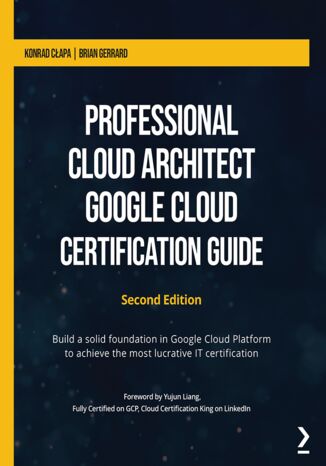
Konrad Cłapa , Brian Gerrard
Google Cloud Platform (GCP) is one of the industry leaders thanks to its array of services that can be leveraged by organizations to bring the best out of their infrastructure. This book is a comprehensive guide for learning methods to effectively utilize GCP services and help you become acquainted with the topics required to pass Google's Professional Cloud Architect certification exam.Following the Professional Cloud Architect's official exam syllabus, you'll first be introduced to the GCP. The book then covers the core services that GCP offers, such as computing and storage, and takes you through effective methods of scaling and automating your cloud infrastructure. As you progress through the chapters, you'll get to grips with containers and services and discover best practices related to the design and process. This revised second edition features new topics such as Cloud Run, Anthos, Data Fusion, Composer, and Data Catalog.By the end of this book, you'll have gained the knowledge required to take and pass the Google Cloud Certification – Professional Cloud Architect exam and become an expert in GCP services.
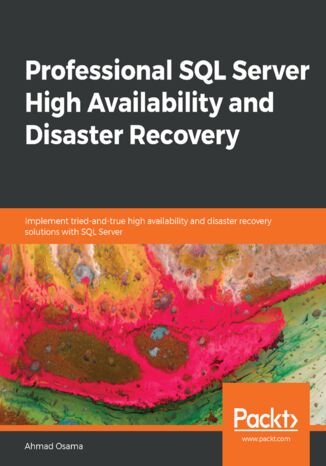
Ahmad Osama
Professional SQL Server High Availability and Disaster Recovery explains the high availability and disaster recovery technologies available in SQL Server: Replication, AlwaysOn, and Log Shipping. You’ll learn what they are, how to monitor them, and how to troubleshoot any related problems. You will be introduced to the availability groups of AlwaysOn and learn how to configure them to extend your database mirroring. Through this book, you will be able to explore the technical implementations of high availability and disaster recovery technologies that you can use when you create a highly available infrastructure, including hybrid topologies. Note that this course does not cover SQL Server Failover Cluster Installation with shared storage.By the end of the book, you’ll be equipped with all that you need to know to develop robust and high performance infrastructure.
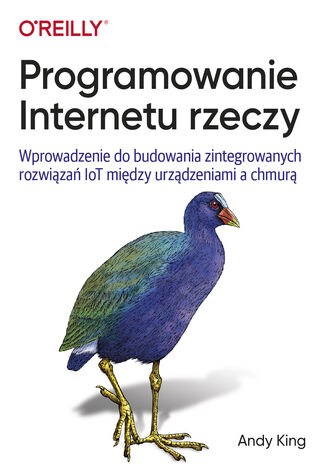
Andy King
Ten praktyczny przewodnik uczy, jak programować Internet rzeczy (Internet of Things - IoT). Autor i edukator Andy King dzieli złożone problemy programistyczne na instrukcje krok po kroku i pokazuje, jak zaprojektować i zbudować własny kompleksowy system Internetu rzeczy typu full-stack - od urządzenia po chmurę. Ta praktyczna książka przeprowadza czytelników przez proces doboru narzędzi, konfigurowania środowiska programistycznego oraz projektowania i implementacji rozwiązania. Uczy, jak działa typowy ekosystem IoT oraz jak radzić sobie z problemami z integracją, jakie pojawiają się w trakcie implementowania rozwiązań IoT. Ta książka pomoże w rozpoczęciu pracy zarówno studentom, którzy poznają podstawy IoT, jak i menedżerom, którzy znają się nieco na IT i chcą lepiej zrozumieć niuanse technologii IoT, a także programistom rozwijającym własny system inteligentnego domu. - Projektowanie kompleksowego rozwiązania dla przykładowego problemu IoT - Konfigurowanie środowiska do budowania i testowania rozwiązań IoT - Porządkowanie projektu oprogramowania poprzez utworzenie abstrakcji w językach Python i Java - Używanie MQTT, CoAP i innych protokołów do łączenia się z urządzeniami i usługami IoT - Tworzenie niestandardowego, bazującego na notacji JSON formatu danych do użycia na różnych platformach i usługach - Wykorzystywanie usług w chmurze do wspomagania ekosystemu IoT i dostarczania korzyści biznesowych "Ta książka przedstawia programistom bezcenne techniki projektowania, rozwijania i wdrażania kompleksowych systemów Internetu rzeczy." -Rolando Herrero Profesor, Northeastern University "Czytelnicy dobrze poznają komponenty wchodzące w skład rozwiązań IoT i dowiedzą się, jak naprawdę wygląda proces ich budowania." -Tim Strunck Dyrektor działu Software Engineering, Atom Power Andy King jest wprawionym informatykiem, edukatorem i liderem technicznym z ponad 20-letnim doświadczeniem, specjalizującym się w projektowaniu i budowaniu narzędzi do zarządzania siecią, systemów telematycznych i platform Internetu rzeczy. Doradza klientom na całym świecie w zakresie strategii, projektowania i integracji systemów IoT. Jest wykładowcą na Northeastern University, gdzie prowadzi kurs Connected Devices.
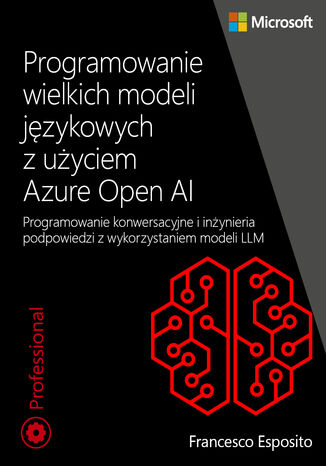
Francesco Esposito
Użyj modeli LLM do budowy lepszych aplikacji biznesowych Autonomicznie komunikuj się z użytkownikami i optymalizuj zadania biznesowe za pomocą aplikacji, których celem jest uczynienie interakcji między ludźmi i komputerami bardziej płynnymi i naturalnymi. Ekspert w dziedzinie sztucznej inteligencji Francesco Esposito przedstawia kilka scenariuszy, dla których efektywny jest model LLM: tworzenie wyrafinowanych rozwiązań biznesowych, zmniejszanie różnicy między ludźmi i maszynami wyposażonymi w oprogramowanie, a także budowanie potężnych silników wnioskowania. Spostrzeżenia dotyczące podpowiadania i programowania konwersacyjnego - z konkretnymi technikami dla wzorców i platform - pozwalają odkryć, w jaki sposób język naturalny może zapewnić nowe, zaawansowane podejście do kodowania. Konkretne kompleksowe demonstracje (wykorzystujące język Python i platformę ASP.NET Core) prezentują wszechstronne wzorce interakcji między istniejącymi procesami, API, danymi i wkładem ludzkim. Ta książka pomoże Ci: Zrozumieć historię dużych modeli językowych i programowania konwersacyjnego Zastosować podpowiadanie jako nowy sposób kodowania Poznać podstawowe techniki podpowiadania i przypadki użycia Zaprojektować zaawansowane podpowiedzi, wliczając w to łączenie modeli LLM z danymi i wywoływanie funkcji w celu budowy silników wnioskowania Użyć w kodzie języka naturalnego do definiowania przepływów pracy i koordynowania istniejących API Opanować zewnętrzne platformy LLM Ocenić obawy związane z bezpieczeństwem, prywatnością i dokładnością sztucznej inteligencji Poznać otoczenie regulacyjne sztucznej inteligencji Zbudować i wdrożyć osobistego asystenta Zastosować wzorzec generowania wzbogacanego wyszukiwaniem informacji (RAG) do formułowania odpowiedzi w oparciu o bazę wiedzy Skonstruować konwersacyjny interfejs użytkownika Dla profesjonalistów IT Dla profesjonalistów, architektów, głównych deweloperów i programistów oprogramowania, a także entuzjastów uczenia się maszyn Dla wszystkich zainteresowanych przetwarzaniem języka naturalnego lub rzeczywistymi zastosowaniami języka podobnego do ludzkiego w oprogramowaniu O autorze Francesco Esposito, uzbrojony w solidną wiedzę matematyczną, jest autorem dwóch książek wydawnictwa Microsoft Press na temat uczenia się maszyn. Obecnie pełni funkcję dyrektora ds. inżynierii i danych w Crionet, firmie dostarczającej innowacyjne rozwiązania dla branży sportowej i medialnej. Założył także Youbiquitous, fabrykę analizy danych i oprogramowania zajmującą się modelami LLM, a także KBMS Data Force, startup skupiający się na terapii cyfrowej i inteligentnej opiece zdrowotnej. Kod źródłowy dostępny na stronie: MicrosoftPressStore.com/ LLMAzureAI/downloads