
Programowanie w chmurze
Tech Trends of the 4th Industrial Revolution. Navigating the Future of Technology in Business
Mercury Learning and Information, D. Pyo, J....
The term 4th Industrial Revolution is often mentioned in the media, but public understanding of its technologies lags behind their rapid development. This book bridges the gap, explaining essential technologies like IoT, blockchain, AI, cloud computing, and big data. It aims to enhance comprehension by minimizing technical content.The book introduces key technologies and their applications, emphasizing their importance in contemporary business models. Readers will find accessible descriptions and practical examples to aid understanding. Covering topics and trends vital for modern business, this book ensures readers grasp the technological landscape shaping the future.Throughout the book, you'll explore how these technologies are revolutionizing industries and their integration into business strategies. This journey provides a comprehensive understanding of the 4th Industrial Revolution, equipping readers with the knowledge needed to navigate and leverage these advancements effectively.
Ahilan Ponnusamy, Andreas Spanner
Cloud goals, such as faster time to market, lower total cost of ownership (TCO), capex reduction, self-service enablement, and complexity reduction are important, but organizations often struggle to achieve the desired outcomes. With edge computing gaining momentum across industries and making it possible to move workloads seamlessly between cloud and edge locations, organizations need working recipes to find ways of extracting the most value out of their cloud and edge estate.This book provides a practical way to build a strategy-aligned operating model while considering various related factors such as culture, leadership, team structures, metrics, intrinsic motivators, team incentives, tenant experience, platform engineering, operations, open source, and technology choices. Throughout the chapters, you’ll discover how single, hybrid, or multicloud architectures, security models, automation, application development, workload deployments, and application modernization can be reutilized for edge workloads to help you build a secure yet flexible technology operating model. The book also includes a case study which will walk you through the operating model build process in a step-by-step way.By the end of this book, you’ll be able to build your own fit-for-purpose distributed technology operating model for your organization in an open culture way.
Terraform. Krótkie wprowadzenie. Tworzenie infrastruktury za pomocą kodu. Wydanie II
Yevgeniy Brikman
Terraform jest narzędziem open source służącym do tworzenia i wdrażania kodu infrastruktury licznych platform wizualizacji i chmury, takich jak Amazon Web Services, Google Cloud, Azure, oraz zarządzania tym kodem. Migracja korporacyjnych systemów IT do chmury jest niezwykle obiecującą możliwością i wielu menedżerów wysokiego szczebla dostrzega zalety technologii chmurowych. Terraform znakomicie ułatwia wdrażanie rozwiązań opartych na chmurze, jest też narzędziem szczególnie predysponowanym do pracy zgodnej z metodyką DevOps, dzięki której współdziałanie ludzi, procesów i technologii pozwala na zapewnienie wysokiej jakości i niezawodności produktu. Ta książka jest drugim, wzbogaconym i uzupełnionym wydaniem praktycznego samouczka, dzięki któremu rozpoczęcie pracy z Terraform stanie się bardzo łatwe. Zapoznasz się z językiem programowania Terraform i zasadami tworzenia kodu. Szybko zaczniesz go wdrażać i zarządzać infrastrukturą za pomocą zaledwie kilku poleceń. Istotną częścią publikacji jest ukazanie metodologii DevOps w działaniu oraz wyjaśnienie zasad kodowania infrastruktury. Dziesiątki jasnych przykładów kodu, które można samodzielnie wypróbować w akcji, ułatwią zrozumienie podstaw. Niezależnie od tego, czy jesteś początkującym programistą, weteranem DevOps lub doświadczonym administratorem systemów, szybko przejdziesz od podstaw Terraform do przygotowania pełnego stosu, który zapewni obsługę ogromnego ruchu sieciowego i dużych zespołów programistów. W książce między innymi: wprowadzenie do Terraform wraz ze zmianami w kolejnych wydaniach tworzenie wysokiej jakości modułów Terraform testy ręczne i zautomatyzowane kodu wdrażanie klastrów serwerów, mechanizmy równoważenia obciążenia i bazy danych zarządzanie informacjami o stanie infrastruktury zaawansowana składnia Terraform Infrastruktura: koduj, wdrażaj i zarządzaj!
Terraform. Tworzenie infrastruktury za pomocą kodu. Wydanie III
Yevgeniy Brikman
Jeszcze do niedawna praca administratora systemu polegała na ręcznym przygotowywaniu infrastruktury do działania. Mozolne konfigurowanie serwerów, baz danych i elementów sieci niosło za sobą ryzyko przestojów środowiska produkcyjnego i wprowadzenia błędnych ustawień, a wdrożenia przebiegały powoli i łączyły się z nieuchronnym poszukiwaniem błędów. Dziś do tego rodzaju prac służy Terraform, narzędzie open source przeznaczone do tworzenia i wdrażania kodu infrastruktury, a także zarządzania nim; rozwiązanie stosowane w takich platformach jak Amazon Web Services, Google Cloud, Azure i wiele innych. To trzecie, wzbogacone i uzupełnione wydanie praktycznego samouczka, dzięki któremu błyskawicznie rozpoczniesz pracę z Terraform. Zapoznasz się z językiem programowania Terraform i zasadami tworzenia kodu. Szybko zaczniesz wdrażać infrastrukturę i zarządzać nią za pomocą zaledwie kilku poleceń. Istotną częścią książki jest pokazanie metodologii DevOps w działaniu, a także wyjaśnienie zasad kodowania infrastruktury. Dziesiątki jasnych przykładów kodu, które można samodzielnie wypróbować w akcji, ułatwią zrozumienie podstaw. Nie musisz być weteranem DevOps ani doświadczonym administratorem systemów - z tym podręcznikiem nawet początkujący programiści sprawnie przygotują pełny stos, który zapewni obsługę ogromnego ruchu sieciowego w rzeczywistych środowiskach produkcyjnych. Dzięki książce: zrozumiesz, kiedy używać Terraform, a kiedy innych narzędzi wdrożysz klastry serwerów, mechanizmy równoważenia obciążenia i bazy danych nauczysz się tworzyć infrastrukturę Terraform przetestujesz moduły Terraform wieloma metodami skonfigurujesz potoki CI/CD i zaczniesz się posługiwać zaawansowaną składnią Terraform nauczysz się pracować w środowiskach chmurowych Infrastruktura jako kod: od sukcesu dzieli Cię kilka poleceń!
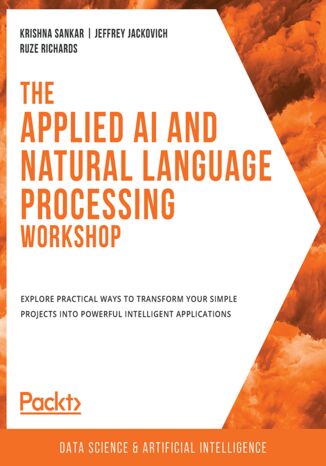
Krishna Sankar , Jeffrey Jackovich , Ruze...
Are you fascinated with applications like Alexa and Siri and how they accurately process information within seconds before returning accurate results? Are you looking for a practical guide that will teach you how to build intelligent applications that can revolutionize the world of artificial intelligence? The Applied AI and NLP Workshop will take you on a practical journey where you will learn how to build artificial intelligence (AI) and natural language processing (NLP) applications with Amazon Web services (AWS).Starting with an introduction to AI and machine learning, this book will explain how Amazon S3, or Amazon Simple Storage Service, works. You’ll then integrate AI with AWS to build serverless services and use Amazon’s NLP service Comprehend to perform text analysis on a document. As you advance, the book will help you get to grips with topic modeling to extract and analyze common themes on a set of documents with unknown topics. You’ll also work with Amazon Lex to create and customize a chatbot for task automation and use Amazon Rekognition for detecting objects, scenes, and text in images.By the end of The Applied AI and NLP Workshop, you’ll be equipped with the knowledge and skills needed to build scalable intelligent applications with AWS.
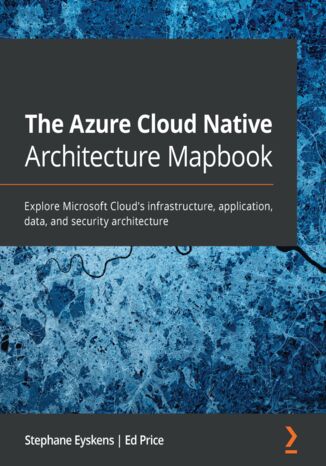
Stéphane Eyskens, Ed Price
Azure offers a wide range of services that enable a million ways to architect your solutions. Complete with original maps and expert analysis, this book will help you to explore Azure and choose the best solutions for your unique requirements.Starting with the key aspects of architecture, this book shows you how to map different architectural perspectives and covers a variety of use cases for each architectural discipline. You'll get acquainted with the basic cloud vocabulary and learn which strategic aspects to consider for a successful cloud journey. As you advance through the chapters, you'll understand technical considerations from the perspective of a solutions architect. You'll then explore infrastructure aspects, such as network, disaster recovery, and high availability, and leverage Infrastructure as Code (IaC) through ARM templates, Bicep, and Terraform. The book also guides you through cloud design patterns, distributed architecture, and ecosystem solutions, such as Dapr, from an application architect's perspective. You'll work with both traditional (ETL and OLAP) and modern data practices (big data and advanced analytics) in the cloud and finally get to grips with cloud native security.By the end of this book, you'll have picked up best practices and more rounded knowledge of the different architectural perspectives.
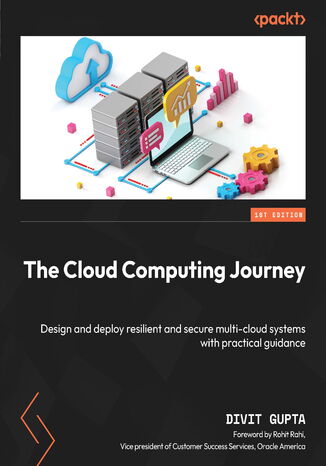
Divit Gupta, Rohit Rahi
As the need for digital transformation and remote work surges, so does the demand for cloud computing. However, the complexity of cloud architecture and the abundance of vendors and tools can be overwhelming for businesses. This book addresses the need for skilled professionals capable of designing, building, and managing scalable and resilient cloud systems to navigate the complex landscape of cloud computing through practical tips and strategies.This comprehensive cloud computing guide offers the expertise and best practices for evaluating different cloud vendors and tools. The first part will help you gain a thorough understanding of cloud computing basics before delving deeper into cloud architecture, its design, and implementation. Armed with this expert insight, you'll be able to avoid costly mistakes, ensure that your cloud systems are secure and compliant, and build cloud systems that can adapt and grow with the business.By the end of this book, you’ll be proficient in leveraging different vendors and tools to build robust and secure cloud systems to achieve specific goals and meet business requirements.
Eric Lam, Pathik Sharma, Bruce Warner
Google Cloud Platform offers significant scalability, but managing costs effectively is critical to realizing its value. The Cloud FinOps Playbook for Google Cloud is a practical guide to managing cloud spend and driving financial accountability on GCP.Written for cloud architects, FinOps professionals, and platform engineers, this book connects core FinOps principles to the GCP ecosystem. You'll start with the foundations of cloud economics and GCP's billing structure, then build skills in cost allocation, budget management, usage monitoring with BigQuery and Looker Studio, and savings identification using the Google Cloud FinOps Hub.The book also covers the dual role of AI in FinOps, that is, using AI for FinOps through agentic cost management, and applying FinOps for AI by establishing cost governance over AI workloads. You'll build automation for reporting and forecasting, implement quota guardrails, and drive financial accountability across engineering, finance, and operations teams.By the end of this book, you'll be equipped to build a mature, automated, and collaborative FinOps practice on Google Cloud.