
Informatyka
Zajrzyj do kategorii Informatyka w księgarni internetowej Ebookpoint. Znajdziesz tutaj bestsellerowe książki, ebooki i kursy video z branży IT. Sięgnij po najlepszą literaturę dla specjalistów i rozwijaj doświadczenie, które już posiadasz, lub rozpocznij swoją przygodę z programowaniem, cyberbezpieczeństwem lub grafiką komputerową. Pogłębiaj swoją wiedzę tak, jak Ci wygodnie - z tradycyjną książką, wygodnym ebookiem lub nowoczesnym videokursem. Sprawdź, jakie tytuły znajdziesz w kategorii Informatyka!

Michele Fadda
– SwiftUI transforms Apple Platform app development with intuitive Swift code for seamless UI design. – Explore SwiftUI's declarative programming: define what the app should look like and do, while the OS handles the heavy lifting. – Hands-on approach covers SwiftUI fundamentals and often-omitted parts in introductory guides. – Progress from creating views and modifiers to intricate, responsive UIs and advanced techniques for complex apps. – Focus on new features in asynchronous programming and architecture patterns for efficient, modern app design. – Learn UIKit and SwiftUI integration, plus how to run tests for SwiftUI applications. – Gain confidence to harness SwiftUI's full potential for building professional-grade apps across Apple devices.

Analityka rozszerzona. Automatyzacja i sztuczna inteligencja w podejmowaniu decyzji
Willi Weber, Tobias Zwingmann
Niepowodzenia biznesowe można różnie tłumaczyć, jeśli jednak od szukania wymówek wolisz zapewnić sukces swojej firmie, przemyśl sposób, w jaki korzystasz z analizy danych. Poprzez rozszerzenie możliwości i poprawę jakości analiz otworzysz sobie drzwi do podejmowania najbardziej racjonalnych decyzji - decyzji opartych na wnioskach. W tej książce znajdziesz przejrzystą, praktyczną i kompletną ścieżkę, która doprowadzi Twoją firmę do analitycznej doskonałości! Dzięki lekturze zdobędziesz wiedzę potrzebną do skutecznego wykorzystywania informacji w realizacji celów biznesowych. Jeśli dostrzegasz ograniczenia tradycyjnych metod interpretacji danych, docenisz opisaną tu dynamiczną i realistyczną strategię zwiększania możliwości analitycznych. Dowiesz się, jak wprowadzić inteligentną automatyzację i nowoczesną sztuczną inteligencję, co umożliwi podejmowanie lepszych decyzji w Twoim zespole. Najważniejsze zagadnienia: rozszerzona analityka, jej zalety i potencjalne ograniczenia najlepsze praktyki w dziedzinie implementacji rozszerzonej analityki w firmie role analityczne, przepływy pracy, potrzebne narzędzia i umiejętności korzystanie z danych, a także budowanie zaufania i dostępności analiza przypadków posłużenia się rozszerzoną analityką jako czynnikiem wspierającym Oto drogowskaz dla organizacji, która chce bazować na danych w erze sztucznej inteligencji! Donald Farmer, właściciel firmy TreeHive Strategy
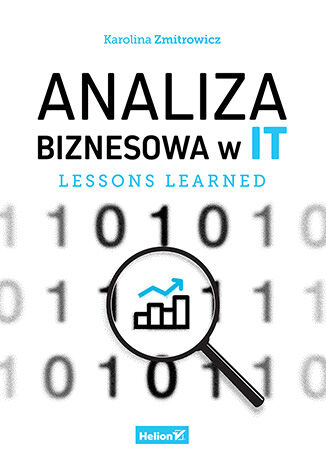
Analiza biznesowa w IT. Lessons learned
Karolina Zmitrowicz
O analizie biznesowej praktycznie Na rynku książek poświęconych analizie biznesowej w sektorze IT dostępnych jest kilka pozycji. Zawierają one informacje na temat praktyk, narzędzi i podejścia stosowanego w tej dziedzinie. Dotychczas jednak brakowało kompendium, które byłoby praktycznym przewodnikiem zbierającym doświadczenia z różnych projektów, firm i od ekspertów podchodzących w odmienny sposób do analizy biznesowej. Książka Karoliny Zmitrowicz, uznanej specjalistki do spraw analizy biznesowej, inżynierii wymagań, zarządzania jakością i zarządzania projektami, uzupełnia tę lukę. Wprowadzając w temat i kompleksowo go omawiając, autorka czerpie równocześnie z obserwacji, doświadczeń i praktyk - tych, które działają, i tych, które nie sprawdzają się w różnych obszarach analizy biznesowej. Dostarcza tym samym wskazówek dotyczących aspektów i obszarów stanowiących największe wyzwania w pracy analityka, takich jak: Prawidłowe planowanie pracy pod kątem celów i oczekiwanych rezultatów Precyzyjne wyrażanie myśli i przekładanie ich na udokumentowany zapis Uwzględnianie punktu widzenia wszystkich interesariuszy Przykładanie odpowiedniej wagi do inżynierii wymagań Wdrażanie zasad AB w projektach z różnych branż
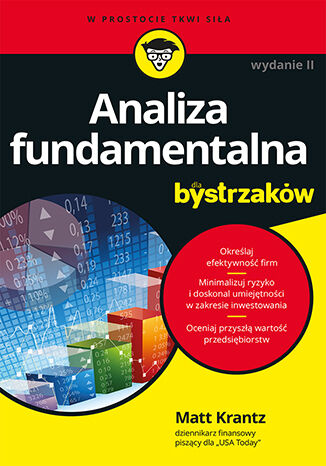
Matt Krantz
Określ efektywność firm Minimalizuj ryzyko i doskonal umiejętności w zakresie inwestowania Oceniaj przyszłą wartość przedsiębiorstw Optymalizuj swój portfel! W tym pouczającym, zwięzłym przewodniku znajdziesz opis zasad analizy fundamentalnej oraz informacje na temat tego, jak korzystać narzędzi, którymi posługują się odnoszący sukcesy inwestorzy. Nauczysz się z niego także oceniać stabilność finansową firm, chronić swoje inwestycje w okresach spowolnienia gospodarczego i korzystać z profesjonalnych porad i technik! W książce: gromadzenie niezbędnych danych ustalanie zdolności kredytowej poszukiwanie prawdziwych okazji ocenianie umiejętności członków kierownictw analizowanie branż przydatne narzędziach online o sygnałach kupna i sprzedaży o istotności trendów
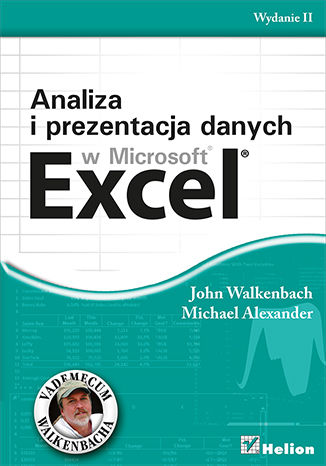
Analiza i prezentacja danych w Microsoft Excel. Vademecum Walkenbacha. Wydanie II
John Walkenbach, Michael Alexander
Wykorzystaj możliwości Excela w zarządzaniu! Jeżeli masz przed sobą setki, a może tysiące lub miliony danych, z których chcesz wyciągnąć celne wnioski, potrzebujesz narzędzia, które pomoże Ci to ogarnąć. Mowa oczywiście o Excelu. Nieważne, kim jesteś - studentem, księgowym, menedżerem czy prezesem - na 100% docenisz drzemiący w nim potencjał! Dzięki tej książce dowiesz się, jak wyłuskać najistotniejsze informacje z morza danych. W trakcie lektury nauczysz się błyskawicznie przygotowywać raporty oraz prezentacje. Przekonasz się, że tabele przestawne wcale nie muszą być takie straszne, oraz zobaczysz najlepsze techniki prezentacji tendencji czy oceny efektywności w realizacji celów. Kolejne wydanie książki zostało zaktualizowane, ulepszone i rozszerzone o mnóstwo nowych, przydatnych wiadomości. Dowiesz się, jak importować dane z bazy SQL Server oraz jak wykorzystać możliwości dodatku Power View. Książka ta jest idealną pozycją dla tonących w gąszczu danych! Dzięki tej książce: poznasz narzędzia Excela w zakresie analizy i prezentacji danych opanujesz najlepsze techniki projektowania tabel przygotujesz czytelne raporty wykorzystasz w pełni możliwości Excela Uratuj się z morza danych!
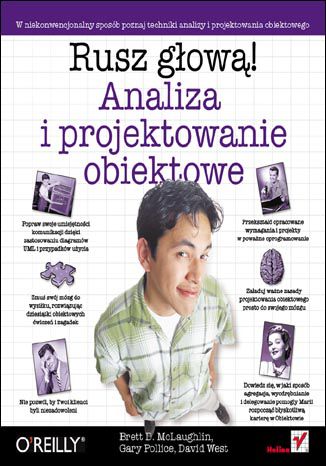
Analiza i projektowanie obiektowe. Rusz głową!
Brett D. McLaughlin, Gary Pollice, David West
Współczesne systemy informatyczne mają niewiele wspólnego z tymi sprzed kilkunastu lat. Są skomplikowane, nafaszerowane wieloma technologiami, bywa też, że mają (zbyt) wielu autorów. Jak zapanować nad tym wszystkim? Jak projektować systemy szybko oraz bezbłędnie? Czujesz się zagubiony? Nic się nie martw! Po prostu... Otwórz swój umysł! Teraz dzięki nowatorskim metodom nauczania możesz błyskawicznie opanować wszystkie elementy projektowania obiektowego. Charakterystyczna dla serii "Rusz głową!" cecha to wymieszana w odpowiednich proporcjach wiedza, humor oraz wszystko wyjaśniające grafiki. Informacje zawarte w książce obejmują pełny zakres tematyki związanej z analizą i projektowaniem obiektowym. Tylko kilkaset stron dzieli Cię od opanowania metod zbierania wymagań, tworzenia przypadków użycia czy też projektowania diagramów klas. A to tylko początek - sprawdź spis treści i przekonaj się, jak szeroki materiał zawiera ta książka. Naprzód, głowo! Nikt ci tego nie potrafił wytłumaczyć? Wydaje Ci się, że to problem nie na Twoją głowę? Nie potrzebujesz elektrowstrząsów, żeby pobudzić swój mózg do aktywnego działania. Tylko żadnych gwałtownych gestów! Usiądź wygodnie, otwórz książkę, dopiero teraz się zacznie. Na początek - rusz głową! Precz z nudnymi wykładami i zakuwaniem bez zrozumienia! Nauka to znacznie więcej niż tylko czytanie suchego tekstu. Twój mózg jest niczym głodny rekin, cały czas prący naprzód w poszukiwaniu nowej, apetycznej przekąski. Jak karmimy Twój wygłodniały umysł? Używamy rysunków, bo obraz wart jest 1024 słów. Stosujemy powtórzenia, by zakodować na stałe dane w Twojej chłonnej głowie. Oddziałujemy na emocje, jesteśmy nieprzewidywalni, zaskakujący i zabawni. Stawiamy przed Tobą wyzwania i zadajemy pytania, które angażują Cię w proces studiowania przedstawianych zagadnień. Cały czas pobudzamy Twój umysł do aktywnego działania, zmuszamy go do posłuszeństwa... a za ciężką pracę nagrodzimy go smakowitym ciasteczkiem w postaci wiedzy - wisienka gratis! Rozgryź to sam! Zasady i cele projektowania obiektowego Metody zbierania wymagań Przypadki użycia i ich analiza Graficzna prezentacja systemu i zasad jego działania - diagramy UML Wzorce projektowe - sprawy skomplikowane stają się proste, a proste jeszcze prostsze Projektowanie architektury systemu Testowanie Książka należy serii "Rusz głową!", która jest kontynuacją serii "Head First". Książki z tej serii zdobyły uznanie czytelników dzięki swemu unikalnemu i nowatorskiemu podejściu do przekazywania wiedzy. Sprawdź na półce, może znajdziesz obok inne książki z tej serii. Dzięki nim nawet najbardziej skomplikowane dziedziny wiedzy stają się przystępne, przyjazne i prostsze.
Analiza marketingowa. Praktyczne techniki z wykorzystaniem analizy danych i narzędzi Excela
Wayne L. Winston
Specjaliści w dziedzinie marketingu coraz częściej sięgają po wyrafinowane metody analizy. Obecnie firmy są zalewane ogromną ilością danych - skorzystanie z płynącej z nich wiedzy jest znakomitą szansą na poprawę kondycji przedsiębiorstwa. W tym celu trzeba dane zebrać, przetworzyć i poddać analizie. Potrzebne więc są narzędzia, najlepiej proste w użytkowaniu i powszechnie znane. Takim właśnie narzędziem jest arkusz kalkulacyjny MS Excel - potężna i wszechstronna aplikacja, dzięki której nawet bez specjalistycznej wiedzy można wykonać profesjonalną analizę marketingową i zdobyć mnóstwo przydatnych informacji. Ta książka powstała na bazie autorskiego kursu analizy marketingowej dla słuchaczy studiów MBA. Pokazuje, jak wykorzystywać Excela do modelowania danych i pozyskiwania wiedzy niezbędnej do kreowania skutecznego marketingu w firmie. Niemal wszystkie pojęcia wyjaśniono na przykładach, a sposób wykonania ćwiczeń pokazano krok po kroku. Do książki dołączono pliki z danymi i rozwiązaniami zadań. Dowiesz się, jak przetwarzać dane za pomocą wykresów, wyznaczać krzywe popytu, prowadzić analizę skupień w segmentach rynku oraz tworzyć indywidualne modele danych i prognozować wpływ akcji marketingowych na wzrost sprzedaży. Oznacza to, że aby zdobyć umiejętności analizy marketingowej, potrzebujesz tylko tego podręcznika i Excela! W tej książce między innymi: analiza danych marketingowych opracowywanie strategii najbardziej zyskownych wycen wykorzystywanie narzędzi prognostycznych analiza łączona i analiza wyborów dyskretnych pomiar skuteczności wydatków na reklamę analiza danych z mediów społecznościowych Wyrafinowane analizy biznesowe? Potrzebujesz tylko Excela!

Analiza matematyczna dla ekonomicznych kierunków studiów
Dorota Pekasiewicz, Krystyna Pruska
Podręcznik akademicki zawiera rozważania teoretyczne, przykłady o charakterze matematycznym i ekonomicznym oraz zadania do samodzielnego rozwiązania. Przeznaczony jest dla studentów z różnych kierunków ekonomicznych i o różnym stopniu zaawansowania wymagań matematycznych. Zagadnienia wstępne zawierają elementy logiki, teorii mnogości i topologii. Przedstawione są tu także zbiory liczb rzeczywistych i zespolonych oraz relacje. W kolejnych rozdziałach zaprezentowane są ciągi liczb rzeczywistych i punktów z wielowymiarowych przestrzeni rzeczywistych, rzeczywiste funkcje jednej i wielu zmiennych oraz rachunek różniczkowy w tym zakresie, ciągi funkcji rzeczywistych, szeregi liczb rzeczywistych i funkcji rzeczywistych oraz rachunek całkowy rzeczywistych funkcji jednej i wielu zmiennych. W podręczniku zaprezentowane są również równania różniczkowe zwyczajne i metody ich rozwiązywania oraz elementy równań różnicowych.
Analiza statystyczna w Excelu dla bystrzaków. Wydanie IV
Joseph Schmuller
Poznaj wszystkie narzędzia statystyczne Excela Przetestuj swoje hipotezy i wyciągnij wnioski Interpretuj dane za pomocą Excela Interpretuj statystyki w Excelu Analiza statystyczna w Excelu jest niezwykle przydatna, a dzięki tej książce przekonasz się, że może też być łatwa! Odkryjesz, jak używać perfekcyjnie zaprojektowanych narzędzi Excela do analizowania i interpretowania danych, przewidywania trendów, podejmowania decyzji oraz wykonywania wielu innych zadań. Zmierz się z technicznymi aspektami Excela i zacznij go wykorzystywać do interpretacji swoich danych! W książce: W yciąganie wniosków z arkuszy kalkulacyjnych Narzędzia analityczne Stosowanie narzędzi szybkiej analizy Tworzenie wykresów danych Praca na prawdopodobieństwie Wykorzystanie zmiennych losowych

Analiza techniczna w praktyce. ErgoTrader, czyli zero psychologii
Krzysztof Kochan
Analiza techniczna na miarę XXI wieku Obraz rynku inwestycji XXI wieku wygląda na bardzo skomplikowany - szczególnie jeśli porównać go z sytuacją z poprzedniego stulecia. Z roku na rok rośnie liczba instrumentów będących w zasięgu ręki każdego inwestora - można obracać nie tylko akcjami, ale także walutami, towarami i surowcami, można operować na zagranicznych indeksach giełdowych, wielkie emocje wzbudzają również kryptowaluty. Współczesny inwestor na co dzień musi radzić sobie nie tylko z analizą techniczną, ale też z nieprzerwanym strumieniem informacji na temat rynku, ekonomii, notowań, strat, zysków oraz... z własną psychiką. Niestety, inwestycyjne boje często kończą się niepowodzeniem. Czy tak musi być? Autor tej książki prezentuje nowatorskie podejście do tematu inwestowania i związanych z nim emocji. Kluczem do zrozumienia mechanizmów rządzących rynkiem inwestycji jest analiza techniczna, odpowiednia do rzeczywistości XXI wieku. Z poradnika Krzysztofa Kochana dowiesz się między innymi: kim jest inwestor offline jak uniknąć psychologizowania w inwestowaniu, na czym polega nowoczesne podejście do analizy technicznej oraz jakimi narzędziami analizy posługują się skuteczni inwestorzy co jeszcze wchodzi w skład warsztatu inwestora, czyli na czym polega łączenie narzędzi analizy technicznej w bardziej złożone systemy Książka przedstawia najnowsze rozwiązania technologiczne w zakresie, z którego w praktyce skorzystać może każdy inwestor. Przedstawione metody znajdą zastosowanie na każdym rynku - niezależnie od tego, czy analizie poddawane będą krajowe akcje, globalne rynki złota, ropy naftowej i energii, indeksy giełdowe, czy też kryptowaluty. Listen to "017. Analiza techniczna – warsztat skutecznego inwestora" on Spreaker.
Analizy Business Intelligence. Zaawansowane wykorzystanie Excela
Michael Alexander
Poznaj potencjał Excela w zakresie BI! Program Excel można stosować na setki różnych sposobów, chociaż większość użytkowników uważa go za prosty arkusz kalkulacyjny. Co więcej, wachlarz jego zaawansowanych funkcjonalności jest stale poszerzany - program stał się częścią pakietu Microsoft Business Intelligence. Dzięki możliwości integracji danych z różnych źródeł Excel świetnie sprawdza się jako narzędzie do tworzenia interaktywnych kokpitów menedżerskich. Jeżeli interesujesz się tematyką BI i masz ambicję stworzyć własne "centrum dowodzenia", to trzymasz w rękach właściwą książkę! Ten wspaniały podręcznik stanowi kompendium wiedzy na temat prowadzenia analiz BI w środowisku Microsoft Excel. Sięgnij po niego i sprawdź, jak korzystać z tabel przestawnych oraz narzędzi Power Pivot, Power View czy Power Map. Dowiedz się, jak do tego wszystkiego dołożyć dane z baz SQL oraz użyć dodatku Data Mining. Zdobądź też wiedzę na temat publikowania Twoich rozwiązań na stronach SharePoint. Książka ta jest obowiązkową lekturą dla wszystkich menedżerów i analityków biznesowych chcących mieć wgląd w bieżące dane. Gdy poznasz i zastosujesz narzędzia Excela, podjęcie właściwej decyzji stanie się łatwiejsze! Dzięki tej książce: poznasz narzędzia: Power Pivot, Power View, Power Map oraz Power Query skorzystasz ze źródeł danych za pomocą języka SQL zastosujesz dodatek Data Mining udostępnisz swoje opracowania na stronach SharePointa Zbuduj doskonały kokpit menedżera!
Analizy statystyczne z programami Statistica i Excel
Małgorzata Rabiej
Zostań mistrzem statystyki! Analizuj dane Wyciągaj wnioski Prezentuj wyniki W naszych czasach statystyka jest obecna dosłownie wszędzie. Opisuje procesy społeczne, wskazuje kierunki rozwoju, dyktuje strategie działania rządów i międzynarodowych korporacji. Pomaga ekonomistom, naukowcom i inżynierom, umożliwia tworzenie prognoz gospodarczych, pozwala opracowywać nowe technologie i rozwiązania techniczne, wspiera walkę z epidemiami i odkrywanie nowych terapii. Jest po prostu nieodzowna, aby radzić sobie z wyzwaniami współczesnego świata i skalą zjawisk, z którymi mamy do czynienia. Podstawą jest zgromadzenie oraz analiza danych w celu pozyskania z nich jak największej wiedzy o badanym zjawisku. Nie da się analizować ogromnych zbiorów danych bez pomocy komputerów i właściwego oprogramowania. Wśród najlepszych programów statystycznych jest Statistica firmy Statsoft, a do najpopularniejszych aplikacji biurowych należy Excel firmy Microsoft. Obydwa te rozwiązania oferują szereg specjalistycznych narzędzi wspomagających obróbkę danych statystycznych, przeprowadzanie analiz i prezentowanie wyników. Obydwa warto poznać, a najlepiej zrobić to w praktyczny sposób — za pomocą ćwiczeń. Właśnie takich, jakie zostały przedstawione w tej książce! Metody graficznej prezentacji danych Charakterystyki liczbowe i rozkłady zmiennych losowych Estymacja parametrów badanej zbiorowości Testy statystyczne Analiza wskaźników i zależności Liniowe i nieliniowe modele regresji Analiza szeregów czasowych i metody prognozowania Techniki eksploracji danych Zastosowanie sieci neuronowych Naucz się analizować i prezentować dane statystyczne!
Analytic and Algebraic Geometry 2
Tadeusz Krasiński, Stanisław Spodzieja
The volume is dedicated to three mathematicians celebrating in 2017 the jubilees of 70th and 60th birth anniversaries: Arkadiusz Ptoski, Kamil Rusek and Krzysztof Kurdyka. They all have contributed significantly to the success of the annual conferences Analytic and Algebraic Geometry since 1983 till now.
Analytics for the Internet of Things (IoT). Intelligent analytics for your intelligent devices
Andrew Minteer
We start with the perplexing task of extracting value from huge amounts of barely intelligible data. The data takes a convoluted route just to be on the servers for analysis, but insights can emerge through visualization and statistical modeling techniques. You will learn to extract value from IoT big data using multiple analytic techniques. Next we review how IoT devices generate data and how the information travels over networks. You’ll get to know strategies to collect and store the data to optimize the potential for analytics, and strategies to handle data quality concerns. Cloud resources are a great match for IoT analytics, so Amazon Web Services, Microsoft Azure, and PTC ThingWorx are reviewed in detail next. Geospatial analytics is then introduced as a way to leverage location information. Combining IoT data with environmental data is also discussed as a way to enhance predictive capability. We’ll also review the economics of IoT analytics and you’ll discover ways to optimize business value.By the end of the book, you’ll know how to handle scale for both data storage and analytics, how Apache Spark can be leveraged to handle scalability, and how R and Python can be used for analytic modeling.

Android 3. Tworzenie aplikacji
Satya Komatineni, Dave MacLean, Sayed Hashimi
System operacyjny Android podbił rynek smartfonów, a teraz z dnia na dzień rośnie jego popularność wśród użytkowników tabletów. Sympatię zdobył sobie dzięki niezwykle przyjaznemu interfejsowi, szerokim możliwościom dostosowania do własnych potrzeb oraz niewyobrażalną ilością dostępnych aplikacji. W Android Market opublikowano ich już ponad 500 000! Wśród nich każdy znajdzie coś dla siebie niezależnie od tego, czy ma to być gra, czy unikalna aplikacja użytkowa. Oparty na powszechnie znanym języku JAVA, posiadający obszerną, bogatą w przykłady dokumentację wprost zachęca do przygotowania ciekawej aplikacji, na której można zarobić konkretne pieniądze. Dzięki tej rewelacyjnej książce poświęconej Androidowi w wersji 3 w mig opanujesz jego tajniki. Na samym początku poznasz historię Androida oraz dowiesz się, jak przygotować środowisko pracy. Następnie zaznajomisz się ze strukturą aplikacji, sposobem korzystania z zasobów oraz dostawców treści. W dalszych rozdziałach nauczysz się budować estetyczny, funkcjonalny i atrakcyjny interfejs użytkownika, zapamiętywać preferencje użytkowników oraz korzystać z usług HTTP. Książka ta jest kompletnym i unikalnym kompendium wiedzy na temat Androida. Powinna znaleźć się na półce każdego dewelopera tworzącego oprogramowanie dla platformy Android! Przygotowanie środowiska pracy Pisanie aplikacji opartych na środowisku Java Projektowanie i budowanie interfejsu użytkownika Wysyłanie i odbieranie komunikatów Tworzenie animacji dwuwymiarowej Korzystanie z usług geolokalizacyjnych Przetwarzanie tekstu na mowę Publikacja aplikacji w Android Market Zacznij tworzyć oprogramowanie dla najbardziej obiecującej platformy dla urządzeń mobilnych!

Android 6 dla programistów. Techniki tworzenia aplikacji. Wydanie III
Paul Deitel, Harvey Deitel, Alexander Wald
W 2015 roku pod kontrolą Androida pracowało ok. 80% smartfonów. Serwis Google Play odnotowuje miliardy pobrań najróżniejszych aplikacji dla tego systemu. Coraz więcej różnych urządzeń wyposaża się w Androida i są to również roboty, silniki odrzutowe, satelity NASA, lodówki, telewizory, kamery, urządzenia medyczne, systemy samochodowe i wiele innych. Wygląda na to, że Android opanuje internet rzeczy, a przed programistami androidowych aplikacji otworzą się niespotykane dotąd możliwości. Niniejsza książka stanowi solidne kompendium wiedzy dla osób profesjonalnie tworzących aplikacje dla Androida w jego najnowszej, 6. wersji. Autorzy przyjęli analizę aplikacji jako metodę nauki — wszystkie rozwiązania i technologie są opisywane w kontekście kompletnych, działających aplikacji, których dobór umożliwił przedstawienie najważniejszych funkcji i interfejsów programistycznych systemu Android. Dzięki tej książce błyskawicznie nauczysz się wszystkiego, co jest niezbędne do rozpoczęcia w pełni samodzielnej pracy w Android Studio i Android 6 SDK. Najważniejsze zagadnienia: analiza aplikacji dla Androida, jej działanie i budowa; zasady projektowania aplikacji w specyfikacji material design wprowadzonej przez Google; obsługa bibliotek i zapewnienie zgodności nowych aplikacji ze starszymi wersjami Androida; testowanie aplikacji w urządzeniach, emulatorach i za pomocą Cloud Test Lab; technologie przydatne dla obsługi systemów Android Wear i Android TV; umieszczanie aplikacji w serwisie Google Play, jej promocja i rozpowszechnianie. Sprawdź, jak niesamowite możliwości daje Ci Android!