
Informatyka

Niall Kishtainy
Skąd bierze się bieda? Czy kryzysów ekonomicznych naprawdę nie da się uniknąć? Czy interwencje państwowe w gospodarce są przekleństwem czy też koniecznością? Odpowiedź na te podstawowe pytania powinna zainteresować każdego, jednak zniechęcać może nieprzyjazny żargon ekonomiczny. Właśnie dlatego ta jasna, zrozumiała i wciągająca książka okazuje się idealnym rozwiązaniem dla młodych czytelników dopiero poznających ekonomię oraz ludzi, którzy chcą lepiej zrozumieć historię gospodarczą oraz rządzące nią idee począwszy od starożytności, a na czasach współczesnych skończywszy. Historyk gospodarczy Niall Kishtainy w krótkich rozdziałach ułożonych w porządku chronologicznym opisuje najważniejsze prądy i wydarzenia. Przy okazji przedstawia myślicieli takich jak Adam Smith, Karol Marx czy John Maynard Keynes. Wskazuje również punkty zwrotne historii, w tym wynalezienie pieniądza, narodzenie się kapitalizmu i Wielki Kryzys, oraz opisuje zjawiska przedsiębiorczości i nierówności, analizuje ekonomię behawioralną i kryzysy finansowe. Krótka historia ekonomii naświetla czołowe idee ekonomiczne, a także siły i dylematy kształtujące współczesny świat w czasach, w których wydają się ważniejsze niż kiedykolwiek. O książce: "Błyskotliwie napisana, wciągająca historia ekonomii. Bardzo ludzka. Można się z niej sporo nauczyć, czego jestem najlepszym dowodem" - Tim Harford, autor "Messy" i " Sekretów ekonomii, czyli ile naprawdę kosztuje twoja kawa?". "Doskonałe wprowadzenie do ekonomii, przeznaczone dla osób początkujących. Książka napisana z werwą, a przy tym zabawna. W sposób dogłębny wyjaśnia, co ekonomiści wnieśli do współczesnego rozumienia świata" - Robert J. Shiller, laureat nagrody Nobla z ekonomii. "Ta książka stanowi intelektualną skrzynię ze skarbami dla każdego, kto interesuje się historią i wielkimi ideami oraz rolą, jaką myślenie ekonomiczne odgrywało w nich przez ponad 2000 lat". - Charles Wheelan, autor Naked economy "Wielu chciałoby dowiedzieć się więcej o teoriach ekonomicznych - ale najwyraźniej nie dość mocno, by znieść dyskomfort związany z czytaniem o nich. "Krótka historia ekonomii" Nialla Kishtainy'ego rozwiązuje ten problem: jest naprawdę krótka i na tyle dobrze napisana, by czytało się ją bez większego wysiłku, a jednocześnie w sposób dogłębny chwyta głębię myśli, które zmieniły nasz sposób myślenia o świecie" - Robert H. Frank, autor The Economic Naturalist

Ryszard Tadeusiewicz
Czy wiesz, że maszyny liczące znano już w starożytności, a pierwszy program komputerowy napisała córka Byrona Ada Lovelace? Mark I - komputer pierwszej generacji powstały w 1944 roku - miał 17 metrów długości, 2 metry wysokości i metr szerokości. Pierwszym polskim elektronicznym komputerem był XYZ, zbudowany w 1958 roku. Czy nigdy nie intrygowało cię, jak to wszystko się zaczęło? W dziejach ludzkości nie było innego procesu, który by w tak krótkim czasie w tak ogromnym stopniu przeobraził wszystkie obszary aktywności zawodowej i życia codziennego całych społeczności i pojedynczych ludzi! Jeszcze w połowie XX wieku na świecie było tylko kilka komputerów... A teraz? Ten ogromny postęp był możliwy dzięki pracy konkretnych ludzi, których nazwiska i dokonania warto poznać. Dowiedz się, jak Apple zrewolucjonizował rynek, jak rozwijały się układy scalone, jaką moc obliczeniową mają superkomputery i czemu służyły pierwsze sieci komputerowe. Oto Krótka historia informatyki! Ryszard Tadeusiewicz - profesor i były trzykrotny rektor AGH oraz prezes Krakowskiego Oddziału PAN. Członek PAU, Europejskiej Akademii Nauk oraz Akademii Inżynierskiej w Polsce. Wiceprezes Polskiego Stowarzyszenia Sztucznej Inteligencji i szeregu innych towarzystw naukowych. Członek honorowy Polskiego Towarzystwa Informatycznego, wyróżniony medalem 70-lecia polskiej informatyki za zasługi dla jej rozwoju. Doktor honoris causa 12 uczelni krajowych i zagranicznych. Pełne dane na stronie www.Tadeusiewicz.pl.

Barbara Orzeł
W jaki sposób media przedstawiają kryzysy? Jak fake newsy oraz technologia deepfake wpływają na emocje użytkowników mediów? Jaka jest rola sztucznej inteligencji w działaniach dezinformacyjnych? Jakie zabiegi językowe i wizualne mają wpływ na zmianę nastrojów opinii publicznej? To tylko nieliczne pytania, na które próbuje odpowiedzieć najnowsza książka Barbary Orzeł o "świecie, który wypadł z formy", o tematach kryzysowych, które "zasilane" kontrowersją, fake newsami i algorytmami sztucznej inteligencji, wzbudzają określone emocje. A emocje, jak wiemy, znakomicie się sprzedają...

Książka o fotografowaniu. Wydanie IV zmienione
Andrzej A. Mroczek
W obecnych czasach fotografują dosłownie wszyscy, wszędzie i bez przerwy. W użyciu są zaawansowane technicznie, profesjonalne lustrzanki cyfrowe, proste aparaty za kilkaset złotych, lecz również - i to coraz częściej - najzwyklejsze smartfony. Jednak stale rosnącej popularności fotografii i ciągłemu ulepszaniu sprzętu niezmiernie rzadko towarzyszy poprawa artystycznej wartości samych zdjęć i wzrost świadomości ich twórców. Jeśli zatem oczekujesz od swoich fotografii czegoś więcej i nie satysfakcjonuje Cię rola biernego użytkownika zaawansowanej elektroniki, pora na krok we właściwą stronę. Książka, którą trzymasz w ręku, nie jest po prostu kolejnym podręcznikiem fotografii ani zwykłym samouczkiem opisującym, jak w tydzień zostać profesjonalistą. To fachowy, a jednocześnie bardzo osobisty przewodnik, który pomoże Ci rozwinąć fotograficzną pasję i dostrzec piękno w otaczającym Cię świecie. Wskaże Ci rzeczy, na które należy zwrócić uwagę, oraz te, których lepiej unikać. Wyznaczy też kierunek, w jakim warto podążać, aby poprawić swój warsztat, zwiększyć wrażliwość i podszlifować umiejętności. Znajdziesz tu rady dotyczące: kompozycji, kwestii technicznych i narzędzi należących do warsztatu fotografa, sposobów fotografowania ludzi, krajobrazów, architektury i wnętrz, przygotowywania swoich prac do prezentacji. Szlifuj swój talent pod okiem prawdziwej legendy polskiej fotografii!
Marc Boorshtein, Scott Surovich
Kubernetes has taken the world by storm, becoming the standard infrastructure for DevOps teams to develop, test, and run applications. With significant updates in each chapter, this revised edition will help you acquire the knowledge and tools required to integrate Kubernetes clusters in an enterprise environment.The book introduces you to Docker and Kubernetes fundamentals, including a review of basic Kubernetes objects. You’ll get to grips with containerization and understand its core functionalities such as creating ephemeral multinode clusters using KinD. The book has replaced PodSecurityPolicies (PSP) with OPA/Gatekeeper for PSP-like enforcement. You’ll integrate your container into a cloud platform and tools including MetalLB, externalDNS, OpenID connect (OIDC), Open Policy Agent (OPA), Falco, and Velero. After learning to deploy your core cluster, you’ll learn how to deploy Istio and how to deploy both monolithic applications and microservices into your service mesh. Finally, you will discover how to deploy an entire GitOps platform to Kubernetes using continuous integration and continuous delivery (CI/CD).
Marc Boorshtein, Scott Surovich, Ed Price
Kubernetes – An Enterprise Guide, Third Edition, provides a practical and up-to-date resource for navigating modern cloud-native technologies. This edition covers advanced Kubernetes deployments, security best practices, and key strategies for managing enterprise workloads efficiently.The book explores critical topics such as virtual clusters, container security, and secrets management, offering actionable insights for running Kubernetes in production environments. Learn how to transition to microservices with Istio, implement GitOps and CI/CD for streamlined deployments, and enhance security using OPA/Gatekeeper and KubeArmor.Designed for professionals, this guide equips you with the knowledge to integrate Kubernetes with industry-leading tools and optimize business-critical applications. Stay ahead in the evolving cloud landscape with strategies that drive efficiency, security, and scalability.
John Arundel, Justin Domingus
Kubernetes jest standardową platformą rozproszonych aplikacji chmurowych. Pozwala na budowanie i wdrażanie niezawodnych, wydajnych i skalowalnych aplikacji. Jednak przebudowa klasycznej infrastruktury IT na rozwiązania chmurowe, aby mogła być przeprowadzona bez dużych utrudnień pracy firmy, wymaga przygotowania i odpowiedzi na kilka ważnych pytań. W tym wyczerpującym i praktycznym przewodniku opisano, jak działają kontenery Kubernetes, jak je budować i nimi zarządzać oraz jak projektować usługi i infrastrukturę cloud native. Wyjaśniono różnice między budowaniem swoich klastrów a korzystaniem z usług zarządzanych takich firm jak Amazon, Google i Microsoft. Dokładnie przedstawiono - od strony praktycznej - rozwijanie aplikacji, konfigurowanie i obsługę klastrów oraz automatyzację infrastruktury. Wiedza ta pozwoli na sprawne zbudowanie skalowalnej, odpornej na awarie i opłacalnej infrastruktury Kubernetes - w zgodzie z metodyką DevOps. W tej książce: solidne podstawy działania kontenerów i systemu Kubernetes uruchamianie własnych klastrów zarządzane usługi Kubernetes od Amazon, Google i innych dostawców cykl życia kontenera i optymalizacja klastrów najlepsze narzędzia i najnowsze praktyki branżowe zasady DevOps w praktyce Kubernetes: nowoczesność, skalowalność i prawdziwa niezawodność!
Govardhana Miriyala Kannaiah
As the popularity of Kubernetes continues to grow, it’s essential to understand and navigate the potential challenges of scalability, resource optimization, troubleshooting, and security. Kubernetes Anti-Patterns offers vital insights and strategies tailored to the current needs of practitioners and enthusiasts navigating the complexities of Kubernetes. Penned by an AWS-certified solutions architect with 16+ years of experience, this book will teach you the essential Kubernetes anti-patterns, their types, causes, and consequences. You’ll find practical solutions for each of the challenges and uncover real-world examples and case studies to enhance your Kubernetes expertise. Beyond technical details, you’ll delve into optimization, proactive assessment, and prevention strategies, ensuring your Kubernetes endeavors are marked by success and efficiency. Experienced or beginner, this book will equip you with the right knowledge to deploy and maintain a robust Kubernetes environment. By the end of this book, you’ll gain a holistic understanding of Kubernetes anti-patterns and develop the expertise to identify and address issues in various Kubernetes contexts. This knowledge will enable you to optimize your container orchestration environments and ensure the reliability, scalability, and security of your applications.
Kubernetes Autoscaling. Build efficient, cost-optimized clusters with KEDA and Karpenter
Christian Melendez, Jonathan Innis, Brandon Wagner, Jan...
Kubernetes is the backbone of modern containerized infrastructure, but scaling it efficiently remains a challenge. Kubernetes Autoscaling equips cloud professionals with this comprehensive guide to dynamically scaling applications and infrastructure using the powerful combination of Kubernetes Event-Driven Autoscaler (KEDA) and Karpenter, AWS’s next-generation cluster autoscaler.You’ll begin with autoscaling fundamentals, move through HPA and VPA, and then get hands-on KEDA for event-driven workloads and Karpenter for data plane scaling. With the help of real-world use cases, best practices, and detailed patterns, you’ll deploy resilient, scalable, and cost-effective Kubernetes clusters across production environments.By the end of this book, you’ll be able to implement practical autoscaling strategies to improve performance, reduce cloud costs, and eliminate over-provisioning.
Onur Yilmaz
Before plunging into how Kubernetes works, this book introduces you to the world of container orchestration and describes the recent changes in application development. You'll understand problems that Kubernetes solves and get to grips with using Kubernetes resources to deploy applications. In addition to this, you'll learn to apply the security model of Kubernetes clusters.Kubernetes Design Patterns and Extensions describes how services running in Kubernetes can leverage the platform's security features. Once you've grasped all this, you'll explore how to troubleshoot Kubernetes clusters and debug Kubernetes applications. You also discover how to analyze the networking model and its alternatives in Kubernetes, and apply best practices with design patterns.By the end of this book, you'll have studied all about using the power of Kubernetes for managing your containers.
Joseph Heck
Kubernetes is documented and typically approached from the perspective of someone running software that has already been built. Kubernetes may also be used to enhance the development process, enabling more consistent testing and analysis of code to help developers verify not only its correctness, but also its efficiency. This book introduces key Kubernetes concepts, coupled with examples of how to deploy and use them with a bit of Node.js and Python example code, so that you can quickly replicate and use that knowledge.You will begin by setting up Kubernetes to help you develop and package your code. We walk you through the setup and installation process before working with Kubernetes in the development environment. We then delve into concepts such as automating your build process, autonomic computing, debugging, and integration testing. This book covers all the concepts required for a developer to work with Kubernetes.By the end of this book, you will be in a position to use Kubernetes in developmentecosystems.
Ashok Srirama, Sukirti Gupta, Rajdeep Saha
Generative AI (GenAI) is revolutionizing industries, from chatbots to recommendation engines to content creation, but deploying these systems at scale poses significant challenges in infrastructure, scalability, security, and cost management.This book is your practical guide to designing, optimizing, and deploying GenAI workloads with Kubernetes (K8s) the leading container orchestration platform trusted by AI pioneers. Whether you're working with large language models, transformer systems, or other GenAI applications, this book helps you confidently take projects from concept to production. You’ll get to grips with foundational concepts in machine learning and GenAI, understanding how to align projects with business goals and KPIs. From there, you'll set up Kubernetes clusters in the cloud, deploy your first workload, and build a solid infrastructure. But your learning doesn't stop at deployment. The chapters highlight essential strategies for scaling GenAI workloads in production, covering model optimization, workflow automation, scaling, GPU efficiency, observability, security, and resilience.By the end of this book, you’ll be fully equipped to confidently design and deploy scalable, secure, resilient, and cost-effective GenAI solutions on Kubernetes.
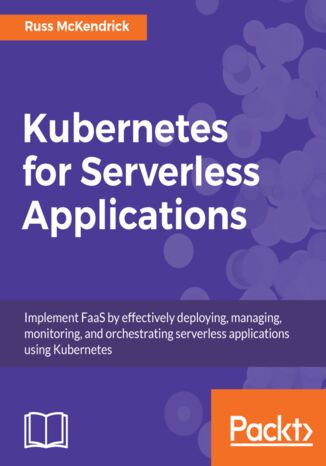
Russ McKendrick
Kubernetes has established itself as the standard platform for container management, orchestration, and deployment. It has been adopted by companies such as Google, its original developers, and Microsoft as an integral part of their public cloud platforms, so that you can develop for Kubernetes and not worry about being locked into a single vendor.This book will initially start by introducing serverless functions. Then you will configure tools such as Minikube to run Kubernetes. Once you are up-and-running, you will install and configure Kubeless, your first step towards running Function as a Service (FaaS) on Kubernetes. Then you will gradually move towards running Fission, a framework used for managing serverless functions on Kubernetes environments. Towards the end of the book, you will also work with Kubernetes functions on public and private clouds. By the end of this book, we will have mastered using Function as a Service on Kubernetes environments.
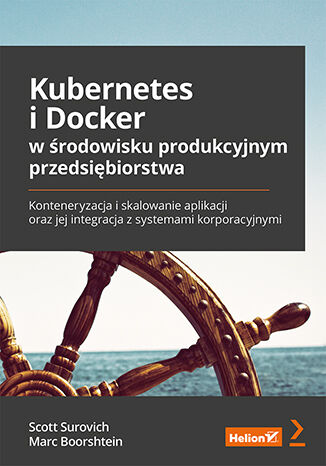
Scott Surovich, Marc Boorshtein
Technologie Kubernetes i Docker szybko zdobyły zaufanie dużych firm i dziś są standardową infrastrukturą pozwalającą na tworzenie, testowanie i uruchamianie aplikacji. W porównaniu z wcześniej stosowanymi rozwiązaniami wymagają jednak zupełnie innego podejścia do budowy i wdrażania oprogramowania. Oznacza to, że jeśli korporacja chce w pełni skorzystać z potencjału Kubernetesa i Dockera, musi znaleźć osoby dysponujące wiedzą i umiejętnościami pozwalającymi na zintegrowanie klastrów Kubernetes z istniejącymi systemami organizacji. To książka przeznaczona dla osób, które chcą poszerzyć swoją wiedzę i umiejętności potrzebne do pracy z klastrami. Omówiono tu podstawy dotyczące konteneryzacji, Dockera i Kubernetesa, jednak więcej miejsca poświęcono bardziej zaawansowanym zagadnieniom, między innymi integracji kontenera z platformą chmury czy integracji z takimi narzędziami jak MetalLB, ExternalDNS i OpenID Connect (OICD). Zaprezentowano również zasady stosowania Pod Security Policy (PSP), Open Policy Agent (OPA), Falco i Velero, a także sposób, w jaki przebiega wdrażanie całej platformy w chmurze z użyciem mechanizmów ciągłej integracji i ciągłego wdrażania (CI/CD). Dowiesz się też, jak testować aplikacje i komponenty Kubernetes i jak implementować różne rozwiązania open source. Najciekawsze zagadnienia: Tworzenie wielowęzłowego klastra Kubernetes za pomocą KinD Implementacja narzędzi: Ingress, MetalLB i ExternalDNS Konfiguracja klastra OIDC i uwierzytelnianie w Kubernetesie Zabezpieczanie i audyty klastrów Wdrażanie platformy z użyciem projektów: Tekton, GitLab i Argo CD Kubernetes i Docker: tak działają systemy najpotężniejszych korporacji!
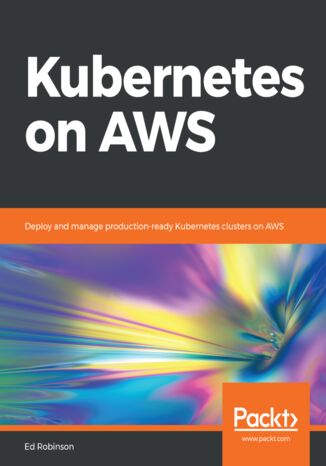
Kubernetes on AWS. Deploy and manage production-ready Kubernetes clusters on AWS
Ed Robinson
Docker containers promise to radicalize the way developers and operations build, deploy, and manage applications running on the cloud. Kubernetes provides the orchestration tools you need to realize that promise in production.Kubernetes on AWS guides you in deploying a production-ready Kubernetes cluster on the AWS platform. You will then discover how to utilize the power of Kubernetes, which is one of the fastest growing platforms for production-based container orchestration, to manage and update your applications. Kubernetes is becoming the go-to choice for production-grade deployments of cloud-native applications. This book covers Kubernetes from first principles. You will start by learning about Kubernetes' powerful abstractions - Pods and Services - that make managing container deployments easy. This will be followed by a guided tour through setting up a production-ready Kubernetes cluster on AWS, while learning the techniques you need to successfully deploy and manage your own applications.By the end of the book, you will have gained plenty of hands-on experience with Kubernetes on Amazon Web Services. You will also have picked up some tips on deploying and managing applications, keeping your cluster and applications secure, and ensuring that your whole system is reliable and resilient to failure.
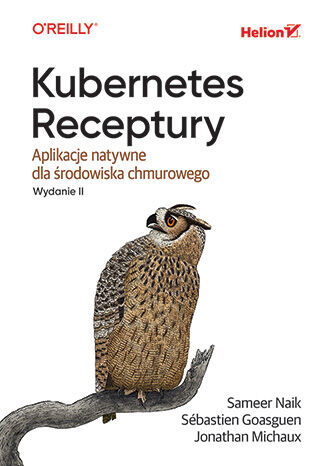
Kubernetes. Receptury. Aplikacje natywne dla środowiska chmurowego. Wydanie II
Sameer Naik, Sébastien Goasguen, Jonathan Michaux
Kubernetes stał się standardem orkiestracji kontenerów i zarządzania rozproszonymi aplikacjami. Obecnie pozwala na uzyskiwanie automatyzacji, rozszerzalności i przenośności na wysokim poziomie, a sama praca z nim jest efektywna i satysfakcjonująca. Niekiedy jednak tworzenie i wdrażanie aplikacji Kubernetes sprawia problemy nawet zaawansowanym użytkownikom. To książka przeznaczona dla osób pracujących z systemami Kubernetes. Poszczególne zagadnienia przedstawiono w niej w przejrzystym formacie problem - rozwiązanie - omówienie, dzięki czemu szybko znajdziesz rozwiązanie konkretnego problemu, a to z kolei pozwoli Ci na korzystanie ze wszystkich zalet tej platformy w codziennej pracy. Znalazło się tu ponad 100 praktycznych receptur obejmujących takie tematy jak konfigurowanie klastra, zarządzanie obciążeniem w kontenerach przy użyciu obiektów Kubernetes API, użycie pamięci masowej indeksowanej wartościami klucz-wartość, konfigurowanie zabezpieczeń i wiele innych. Każda receptura jest niezależna od innych, a materiał został zorganizowany w sposób maksymalnie ułatwiający szybkie odnalezienie interesującego Cię zagadnienia. W książce między innymi: tworzenie klastra i interfejs wiersza poleceń Kubernetes zarządzanie obciążeniami i usługami interfejs API Kubernetes skalowanie na poziomie klastra i aplikacji zabezpieczanie aplikacji i jej monitorowanie utrzymywanie systemów w środowisku chmury i rozwiązywanie problemów Kubernetes w praktyce. Znajdź szybkie rozwiązania dla każdego wyzwania!