
Informatyka
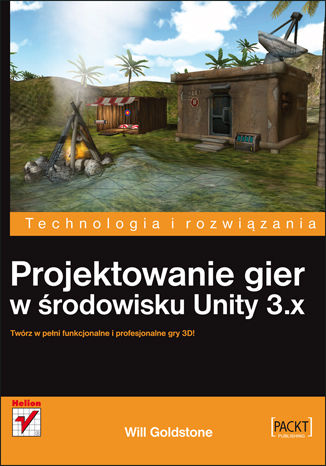
Projektowanie gier w środowisku Unity 3.x
Will Goldstone
Stwórz w pełni funkcjonalne i profesjonalne gry 3D! Silniki gier, takie jak Unity, są znanymi, cenionymi, a przede wszystkim potężnymi narzędziami ułatwiającymi tworzenie gier. Środowisko Unity jest jednym z najczęściej używanych oraz najbardziej cenionych pakietów, pozwalających na projektowanie gier komputerowych. Może ono być wykorzystywane przez bardzo różnych użytkowników, poczynając od hobbystów, a kończąc na dużych firmach. Pozwala tworzyć gry oraz interaktywne aplikacje dla przeglądarek internetowych, komputerów stacjonarnych, urządzeń przenośnych czy konsol. Dzięki intuicyjnemu i prostemu w obsłudze zestawowi narzędzi Unity oraz niniejszej książce także i Ty możesz stać się twórcą gier komputerowych. Jeżeli jesteś projektantem gier lub masz dobry pomysł na grę, który chciałbyś wcielić w życie, z pomocą przyjdzie Ci ta książka. Dzięki niej błyskawicznie przygotujesz prototyp lub nawet całościowe rozwiązanie! W trakcie lektury nauczysz się projektować gry z wykorzystaniem silnika Unity 3, skryptów w języku C# oraz JavaScriptu. Niezwykle istotne jest to, że książka da Ci solidne podstawy w zakresie rozumienia kluczowych koncepcji związanych z projektowaniem gier - od fizyki świata gry aż do systemu cząstek. Ponadto dowiesz się, jak zapewnić najwyższą wydajność Twoim rozwiązaniom, budować interakcje oraz dzielić się z graczami gotowym rozwiązaniem. Żeby zacząć przygodę z tworzeniem gier, nie musisz posiadać żadnej specjalistycznej wiedzy, wystarczy Ci tylko ta książka! Brzmi kusząco? Spróbuj sam! Sięgnij po tę książkę, a następnie: zaprojektuj własną grę komputerową zrealizuj projekt i podziel się efektami ze znajomymi spełnij swoje marzenia oraz zwizualizuj najlepsze pomysły wirtualnych światów zapewnij najwyższą wydajność Twojej grze Tylko krok dzieli Cię od własnej gry komputerowej!

Jennifer Niederst Robbins
Ty też możesz mieć swoją stronę WWW! Marzy Ci się własna strona internetowa lub profesjonalna witryna dla Twojej firmy? Jeżeli brak Ci odpowiednich umiejętności, to zadanie może być poza Twoim zasięgiem. Ale do czasu! Ta książka zawiera dawkę wiedzy, która nawet kompletnemu laikowi pozwoli zaprojektować i zbudować witrynę WWW. Dzięki licznym przykładom przebrniesz przez kolejne etapy tworzenia strony internetowej oraz odkryjesz w sobie pasję webmastera! Kolejne wydanie tej cenionej książki zostało gruntownie przeredagowane i uzupełnione o nowe informacje tak, aby prezentowało obecnie wykorzystywane narzędzia i panujące trendy w projektowaniu stron internetowych. W trakcie lektury poznasz składnię języka HTML, wykorzystywane znaczniki oraz nowości zawarte w HTML5. Ponadto zaznajomisz się z kaskadowymi arkuszami stylów (CSS) oraz przekonasz się, jaki potencjał kryje język JavaScript. Nauczysz się także przygotowywać odpowiednią grafikę na potrzeby strony WWW. Książka ta jest doskonałym przewodnikiem wprowadzającym w świat projektowania! Dowiedz się: jak wykorzystać arkusze stylów CSS dlaczego należy odpowiednio przygotować grafikę na stronę WWW do czego wykorzystać język JavaScript jak zbudować pierwszą stronę WWW Przewodnik dla początkujących projektantów WWW!
Jennifer Niederst Robbins
Jak zacząć pisać strony internetowe? Jak wybrać odpowiednie narzędzia do tworzenia witryn? Jak budować arkusze stylów i optymalizować źródło strony HTML? Od czego mam zacząć? Czy ja się do tego nadaję? Nie mam na to czasu... Wielu z nas właśnie z takim nastawianiem zabiera się do pisania swojej pierwszej strony internetowej. Takie i podobne wątpliwości rozwiewa właśnie ta książka, przeznaczona dla osób niemających żadnej wiedzy na temat tworzenia stron internetowych, a które chciałyby taką stronę wykreować. Czytając ją i pracując nad wieloma przykładami, nauczysz się, jak opracować swoją pierwszą stronę internetową i stopniowo odkryjesz w sobie pasję webmastera! Jennifer Niederst Robbina, bazując na swoim kilkunastoletnim doświadczeniu w dziedzinie tworzenia stron internetowych, udowadnia, że pisać strony może każdy, należy mu tylko wskazać drogę. Książka "Projektowanie stron internetowych" jest trzecią edycją przewodnika dla początkujących, lecz napisana została całkowicie od początku, z uwzględnieniem najnowszych technologii i trendów w tej dziedzinie. Dodatkowym atutem książki jest przejrzystość i łatwo przyswajalny język oraz liczne przykłady i ćwiczenia, które pozwalają lepiej zrozumieć i przyswoić materiał. Struktura i znaczniki HTML Elementy struktury (X)HTML Tabele, obrazki, odnośniki, animacje i inne elementy stron Formatowanie tekstu Formularze i pola edycji Pływanie oraz pozycjonowanie elementów stron Arkusze stylów CSS Układ strony oparty na arkuszach stylów CSS Techniki CSS Grafika stron internetowych i jej optymalizacja Umieszczanie stron w Internecie Poznaj techniki tworzenia, napisz i umieść własną stronę internetową w sieci!
Projektowanie systemów CMS przy użyciu PHP i jQuery
Kae Verens
Zbuduj CMS na miarę swoich potrzeb! Jak zaprojektować jądro systemu CMS? Jak zarządzać użytkownikami? Jak przygotować instalator? Na rynku systemów do zarządzania treścią jest ogromny wybór różnorodnych rozwiązań, od Joomli! zaczynając, a na Drupalu i Wordpressie kończąc. Warto jednak zastanowić się, czy nie lepiej stworzyć własne, skrojone na miarę rozwiązanie, idealnie dopasowane do potrzeb i możliwości. Zamiast przedzierać się przez zawiłą konfigurację, przygotowywać szablony i próbować pogodzić ze sobą wtyczki, być może lepiej tę energię spożytkować na napisanie własnego CMS-a? Jeżeli zdecydujesz się na to, w niniejszej książce znajdziesz szczegółowy przewodnik, jak dokonać tego przy użyciu najpopularniejszych narzędzi: łącząc język PHP i bibliotekę jQuery. W trakcie lektury dowiesz się, jak zaprojektować jądro swojego nowego systemu, moduł zarządzania użytkownikami oraz własny mechanizm szablonów. Ponadto nauczysz się zarządzać treścią, tworzyć hierarchię stron oraz edytować je przy użyciu wygodnych narzędzi, takich jak CKeditor. Na koniec zbudujesz instalator swojego CMS-a oraz wzbogacisz go o obsługę wtyczek i widżetów. Książka ta jest pozycją obowiązkową dla każdego webmastera pragnącego stworzyć własny, unikatowy system zarządzania treścią. Główne zagadnienia omówione w książce: jądro systemu CMS, panel administracyjny, struktura bazy danych oraz katalogów, zarządzanie użytkownikami - role, rodzaje użytkowników, logowanie użytkowników, procedura odzyskiwania hasła, wyświetlanie listy stron, tworzenie, edycja i usuwanie stron, wykorzystanie narzędzia CKeditor, tworzenie i obsługa szablonów, rozszerzanie funkcjonalności za pomocą wtyczek, budowa instalatora. Zbuduj swój autorski system CMS, wykorzystując niezastąpiony duet PHP i jQuery!
Brendan Burns
Brendan Burns prezentuje praktyczne wzorce i paradygmaty projektowe, które są niezbędne do budowy nowoczesnych aplikacji natywnych dla chmury! Lalithkumar Prakashchand, programista w Meta Platforms Rozpowszechnienie kontenerów i narzędzi do ich orkiestracji zrewolucjonizowało sposób projektowania i rozwijania systemów rozproszonych. Dziś projektanci mają do dyspozycji gotowe obiekty, interfejsy, a także coraz bogatszy zestaw sprawdzonych wzorców. Dzięki temu mogą budować komponenty nadające się do wielokrotnego użytku i łatwo skalować całe systemy. To drugie, zaktualizowane wydanie popularnego podręcznika przedstawia bogatą kolekcję wzorców, dzięki którym tworzenie niezawodnych aplikacji rozproszonych staje się prostsze i bardziej efektywne. Zastosowanie komponentów wielokrotnego użytku pozwala uniknąć ciągłej reimplementacji tych samych rozwiązań, a praktyczne wzorce opisane w książce świetnie sprawdzają się w pracy z systemem Kubernetes. To niezbędny przewodnik dla każdego architekta i inżyniera oprogramowania, który chce budować skalowalne i odporne na awarie aplikacje natywne dla chmury. W książce: koncepcje i podstawowe pojęcia dotyczące systemów rozproszonych wzorce jednowęzłowe: Przyczepa, Adapter i Ambasador wzorce serwowania usług i programowanie zdarzeniowe wzorce wsadowego przetwarzania danych infrastruktura sztucznej inteligencji typowe błędy projektowe, monitorowanie aplikacji i reakcje na typowe awarie Lektura obowiązkowa dla inżynierów odpowiedzialnych za niezawodność witryn internetowych, a także programistów, którzy chcą w pełni wykorzystać możliwości systemu Kubernetes. Swapnil Shevate, inżynier i pasjonat niezawodnych witryn internetowych

Projektowanie układów scalonych CMOS, wyd.1/2010
Adam Gołda, Andrzej Kos
Podręcznik poświęcony podstawowym zagadnieniom z zakresu projektowania układów scalonych CMOS, obecnie powszechnie stosowanym we wszystkich dziedzinach przemysłu, telekomunikacji, medycynie i wielu innych. Podano podstawowe wiadomości dotyczące tranzystorów MOS i elementów stosowanych w technologii CMOS, a także opis oprogramowania wspierającego hierarchiczne projektowanie układów scalonych. Przedstawiono projektowanie układów scalonych metodami bottom-up (od pojedynczego elementu do układu) oraz top-down (od funkcji układu do jego fizycznej realizacji). Odbiorcy książki: studenci wydziałów elektroniki, telekomunikacji i informatyki wyższych uczelni technicznych, studenci wydziałów informatyki uniwersytetów, słuchacze studiów doktoranckich i podyplomowych.
Projektowanie witryn internetowych dla urządzeń mobilnych
Gail Frederick, Rajesh Lal
Poznaj najlepsze praktyki tworzenia mobilnych witryn internetowych Jak budować interaktywne witryny dla smartfonów? Jak zwiększyć użyteczność mobilnej witryny internetowej? Jak zoptymalizować serwer WWW pod kątem przeglądarek mobilnych? Internet mobilny to wyjątkowo ekscytujący, ale i chaotyczny ekosystem, który podlega gwałtownym i trudnym do przewidzenia zmianom. Ten podręcznik pozwoli Ci nie tylko przetrwać w tym fascynującym i "dziewiczym" świecie, ale skutecznie radzić sobie z pojawiającymi się w nim problemami — ze składnią, semantyką i programowaniem. Książka, którą trzymasz w rękach, to niezastąpiony przewodnik po dżungli mobilnego Internetu. Pozwoli Ci oswoić wszelkie problemy, z którymi możesz spotkać się jako programista. Książka "Projektowanie witryn internetowych dla urządzeń mobilnych" zawiera szczegółowe opisy standardów, najlepszych praktyk i technik projektowania, niezbędnych do budowy interaktywnych stron WWW dla urządzeń mobilnych. Korzystając z tego podręcznika, nauczysz się stosować rozszerzenia dostępne dla zaawansowanych przeglądarek instalowanych w smartfonach, a także optymalizować, sprawdzać, testować oraz wdrażać witryny mobilne w publicznym Internecie i specyficznym ekosystemie mobilnym. Opanujesz niezbędne umiejętności i nabierzesz pewności siebie potrzebnej do tworzenia przenośnych aplikacji internetowych w niezwykłym środowisku urządzeń mobilnych. Mobilna witryna internetowa Mobilne arkusze stylów Konfiguracja środowiska Składnia mobilnych witryn internetowych Rozpoznawanie urządzeń i dostosowywanie treści Model wytwarzania iteracyjnego Wdrażanie rozwiązań w ekosystemie mobilnym Optymalizacja kodu mobilnego języka znaczników Testowanie i wdrażanie mobilnej witryny internetowej Z tym podręcznikiem z łatwością oswoisz i uporządkujesz chaos ekosystemu Internetu mobilnego
Projekty elektroniczne dla bystrzaków
Earl Boysen, Nancy C. Muir
W prostocie tkwi siła Naucz się: surfować po falach radiowych budować szalone dekoracje zarabiać dzięki wykrywaczowi metalów własnej produkcji wykrywać ruch rozszyfrowywać najbardziej skomplikowane schematy bezpiecznie obchodzić się z prądem W książce znajdziesz: najpopularniejsze komponenty elektroniczne szeroki wybór projektów do wykonania zasoby, z których warto korzystać źródła wiedzy specjalistycznej elektroniczny arsenał możliwości Z prądem czy pod prąd? Kto powiedział, że nauka musi być nudna? Jeśli choć trochę interesujesz się elektroniką, to wiesz, że opiera się ona na bardzo prostych podstawach, a jeśli lubisz tworzyć elektroniczne gadżety, to z pewnością zainteresuje Cię ta książka. Znajdziesz w niej szczegółowe wskazówki, które pozwolą Ci zbudować układ synchronizujący światło i dźwięk, gokarta na podczerwień czy odstraszacz na koty. Samodzielnie stworzysz zdalnie sterowane cuda oraz gadające zabawki. W książce znajdziesz schematy obwodów, a także listy wszystkich podzespołów i narzędzi potrzebnych do wykonania projektu. Poznasz zasady bezpiecznej pracy nad projektami elektronicznymi. W końcu twórczo wykorzystasz elektronikę! Do dzieła! Wykorzystaj elektronikę do stworzenia zachwycających projektów! Komponenty, narzędzia i zwoje mózgowe, czyli co musisz mieć i co wiedzieć przed przystąpieniem do pracy. Układy dźwiękowe, czyli jak twórczo wykorzystać dźwięki w gadżetach elektronicznych. Niech się stanie światłość, czyli do czego może posłużyć światło o różnej długości fali. Pozytywne wibracje, czyli po co Ci urządzenia reagujące na wstrząsy.
Projekty elektroniczne na iPhone i iPad. Niekonwencjonalne gadżety z technologią Arduino i techBASIC
Mike Westerfield
Podstawowe funkcje telefonu, czyli dzwonienie i wysyłanie SMS-ów, nikomu już dziś nie wystarczają. Współczesne smartfony wykorzystywane są na mnóstwo innych sposobów. Gry, przeglądanie ulubionych stron w Internecie, aktywny udział w życiu portali społecznościowych — to tylko niektóre z nich. Przy odrobinie umiejętności możesz użyć Twojego telefonu także do niekonwencjonalnych działań: na przykład jako wykrywacza metali, barometru lub żyroskopu. To urządzenia, które możesz zbudować na podstawie Twojego iPada lub iPhone’a oraz kilku niedrogich urządzeń dodatkowych. Dzięki tej książce jest to naprawdę proste! W trakcie lektury poznasz język techBasic, który pomoże Ci zbudować działający higrometr oraz przyśpieszeniomierz. Ponadto zdobędziesz wiedzę na temat technologii Bluetooth Low Energy oraz nauczysz się sterować zdalnie samochodem za pomocą urządzenia typu BLE i platformy Arduino. Książka ta jest doskonałą lekturą dla wszystkich pasjonatów elektroniki, którzy chcieliby maksymalnie wykorzystać potencjał swoich smartfonów i tabletów. Zaskocz swoich znajomych niesamowitym zastosowaniem telefonu! Dzięki tej książce: poznasz język techBasic uzyskasz dostęp do czujników wbudowanych w Twoje urządzenie zbudujesz żyroskop, barometr lub higrometr wykorzystasz w pełni możliwości telefonu iPhone i tabletu iPad Odkryj nowe zastosowania dla Twoich urządzeń iPhone i iPad!
Julien Pivotto, Brian Brazil
Monitorowanie wydajności systemu jest ważnym zadaniem i nie polega tylko na obserwacji pracy procesora. Trzeba się orientować, pod jakim obciążeniem pracuje baza danych, czy przepustowość urządzeń sieciowych jest wystarczająca i jaki jest koszt niepełnego użycia bufora. Warto też wiedzieć, czy stopień wykorzystania droższych elementów uzasadnia ich utrzymywanie. W tej książce znajdziesz bezcenne wskazówki dotyczące wdrażania serwera Prometheus i jego używania w rzeczywistych rozwiązaniach. Julius Volz, współtwórca oprogramowania Prometheus To drugie, zaktualizowane wydanie przewodnika po systemie Prometheus. Znajdziesz w nim wyczerpujące wprowadzenie do tego oprogramowania, a także wskazówki dotyczące monitorowania aplikacji i infrastruktury, tworzenia wykresów, przekazywania ostrzeżeń, bezpośredniej instrumentacji kodu i pobierania wskaźników pochodzących z systemów zewnętrznych. Zrozumiesz zasady konfiguracji systemu Prometheus, komponentu Node Exporter i menedżera ostrzeżeń Alertmanager. Zapoznasz się też z nowymi funkcjonalnościami języka PromQL, dostawców mechanizmu odkrywania usług i odbiorców menedżera ostrzeżeń Alertmanager. Dokładnie zaprezentowano tu również zagadnienia bezpieczeństwa po stronie serwera, w tym mechanizm TLS i uwierzytelniania podstawowego. W książce między innymi: czym jest Prometheus i jak wygląda jego architektura monitorowanie infrastruktury za pomocą komponentów takich jak Node Exporter instrumentacja w kodzie aplikacji tworzenie paneli sterowania za pomocą Grafany współpraca oprogramowania Prometheus i Kubernetes Dzięki najlepszym praktykom i wskazówkom dotyczącym instrumentacji w kodzie ta książka pomoże Ci w niezawodnym monitorowaniu usług! TJ Hoplock, starszy inżynier monitorowania, NS1
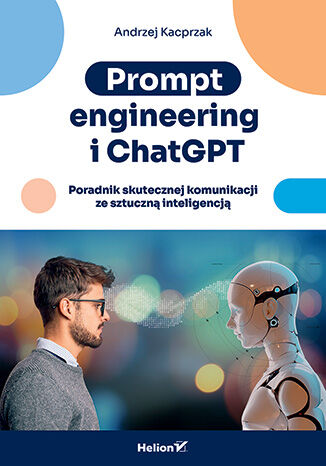
Prompt engineering i ChatGPT. Poradnik skutecznej komunikacji ze sztuczną inteligencją
Andrzej Kacprzak
Twój przewodnik po świecie prompt engineeringu Wszystkie znaki na niebie i ziemi wskazują wyraźnie: wkraczamy w erę, w której sztuczna inteligencja (SI) będzie wszechobecna. Wygra na tym ten, kto szybciej nauczy się z nią skutecznie porozumiewać. Nie czekaj zatem i już dziś opanuj sztukę tworzenia precyzyjnych i trafnych promptów, czyli instrukcji dla modeli językowych, takich jak ChatGPT. Autor z zapałem dzieli się swoją fascynacją sztuczną inteligencją i prezentuje praktyczne metody jej zastosowania w różnych obszarach. Korzystając z własnego doświadczenia inżynierskiego, w przystępny sposób wyjaśnia zasady prompt engineeringu, pozwalające optymalnie formułować "podpowiedzi" dla SI. Pracując z tym praktycznym przewodnikiem, nauczysz się między innymi: Efektywnie komunikować się z SI Budować prompty, które przynoszą oczekiwane rezultaty Korzystać z prostych, a także bardziej zaawansowanych strategii i technik prompt engineeringu Zaprzęgać ChatGPT do rozwiązywania problemów z różnych dziedzin życia zarówno prywatnego, jak i zawodowego Odkryj fascynujący świat sztucznej inteligencji i poznaj możliwości, jakie otwiera przed Tobą dobrze skonstruowany prompt.
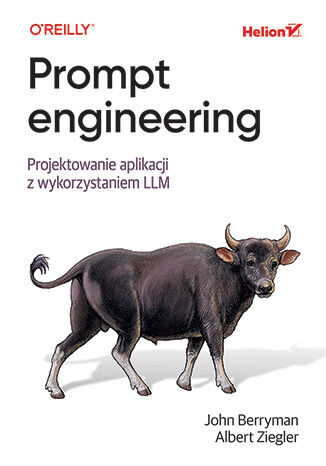
Prompt engineering. Projektowanie aplikacji z wykorzystaniem LLM
John Berryman, Albert Ziegler
Duże modele językowe (ang. large language models) są fundamentem istnienia wielu nowoczesnych aplikacji. LLM mogą realizować szeroki zakres zadań i służą do rozwiązywania złożonych problemów. Jednak projektowanie niezawodnych rozwiązań z wykorzystaniem modeli wymaga opanowania zupełnie nowych kompetencji. Dowiedz się, na czym polega skuteczne komunikowanie się z modelami LLM i w jaki sposób przekuwać śmiałe pomysły w działające aplikacje. Poznaj filozofię działania modeli i kluczowe techniki inżynierii promptów: od pozyskiwania i oceny kontekstu, przez konstruowanie efektywnych promptów, aż po tworzenie szablonów gwarantujących wysoką jakość odpowiedzi. W książce znajdziesz także opis bardziej zaawansowanych technik, takich jak konstruowanie pętli, potoków i przepływów pracy czy budowa agentów konwersacyjnych. Poznasz też metody oceniania modeli LLM. A ponadto: zrozumiesz architekturę modeli LLM i nauczysz się je stosować zaprojektujesz przemyślaną strategię tworzenia promptów nauczysz się budować kontekst i przekształcać go w skuteczne zapytania opanujesz najlepsze praktyki w tworzeniu aplikacji opartych na LLM Styl autorów sprawia, że tematyka promptów staje się dostępna dla każdego! Hamel Husain, niezależny badacz i konsultant
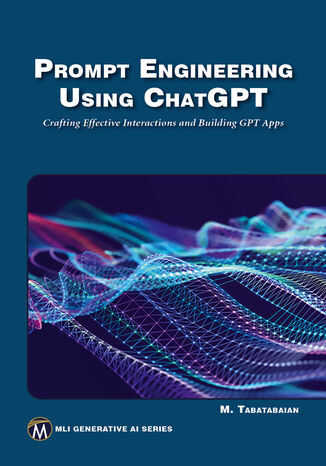
Prompt Engineering Using ChatGPT. Crafting Effective Interactions and Building GPT Apps
Mercury Learning and Information, Mehrzad Tabatabaian
This book is designed for mastering prompt engineering in artificial intelligence, focusing on ChatGPT, GPT-4, and GPT plug-ins. It explores fundamental principles, practical techniques, and real-world applications. Readers will learn the role of prompts in AI interactions, the anatomy of well-constructed prompts, and various prompt styles. The book also covers setting constraints to guide AI responses and ensure ethical interactions, making it ideal for both beginners and advanced users.The journey begins with the foundations of prompts and crafting contextual prompts. It progresses to asking specific questions, providing constraints, and creating diverse content prompts. Advanced chapters cover debugging, iterating prompts, and using GPT-4 with plug-ins. The book concludes with real-world applications, future trends, and ethical considerations, ensuring a comprehensive understanding of prompt engineering.Understanding these concepts is crucial for effective AI interactions. This book transitions readers from basic to advanced prompt engineering, blending theoretical knowledge with practical skills. It is an essential resource for mastering prompt engineering and building innovative GPT applications.
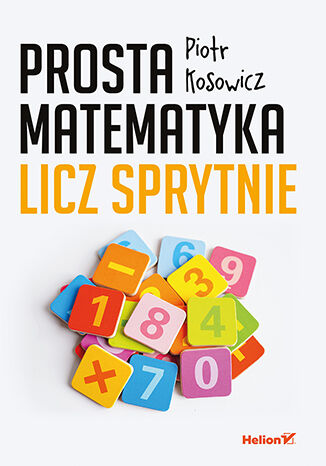
Prosta matematyka. Licz sprytnie
Piotr Kosowicz
Matematyka jest… prosta! Wielu uczniom ― ale także ich skazanym na opłacanie kosztownych korepetycji rodzicom ― matematyka kojarzy się jak najgorzej. Nie każdy nauczyciel bowiem potrafi przekazać swoją pasję do tego przedmiotu w taki sposób, by zainspirować młodego człowieka. Nie każdy też umie wytłumaczyć (pozornie) skomplikowane reguły algebraiczne i nauczyć trików pozwalających liczyć prościej, sprytniej i zupełnie bez problemów. Prosta matematyka. Licz sprytnie to zestaw 21 spotkań, dzięki którym nawet uczeń niedarzący sympatią królowej nauk szybko opanuje łatwe, często odkrywcze sposoby rachowania. W rezultacie liczby i dokonywane na nich operacje przestaną być dla niego groźną tajemnicą. Przemyślany układ treści pozwala na przyswajanie zebranych tu wiadomości we własnym tempie i w dowolnej kolejności. Proponowane zadania można rozwiązywać wybiórczo, ale najlepiej zmierzyć się z każdym! Uwaga! Zeszyt ćwiczeń jest przeznaczony dla uczniów szkoły podstawowej.
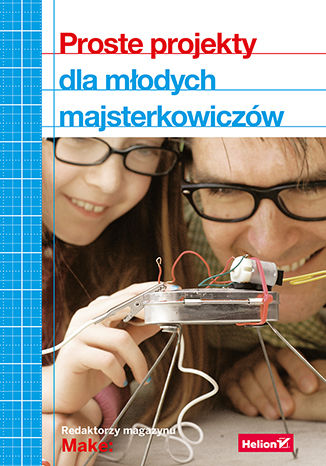
Proste projekty dla młodych majsterkowiczów
The Editors of Make
Majsterkowanie jest świetnym sposobem na nudę, a przy tym doskonale stymuluje kreatywność i sprawia, że trudne i niezrozumiałe dziedziny, takie jak fizyka, elektronika czy matematyka nagle stają się praktyczne, potrzebne i interesujące. Własnoręczne wykonanie zaskakujących, ale i przydatnych przedmiotów z materiałów, które najczęściej są w zasięgu ręki, przynosi także sporo satysfakcji, a przy tym wszystkim jest świetną, inspirującą i pochłaniającą zabawą. Trzymasz w dłoni niezwykłą książkę: zbiór kilkudziesięciu przeróżnych projektów opracowanych przez przeróżnych ludzi. Wszystkie są bardzo proste do wykonania i doskonale nadają się do wspólnej pracy rodziców i dzieci lub dla młodych majsterkowiczów. Dowiesz się, jak wykonać pomysłowe zabawki, gry, a także konstrukcje mechaniczne czy obwody elektroniczne, które potem będzie można wykorzystać do różnych rzeczy. W realizacji większości projektów okażą się przydatne przedmioty i materiały znajdujące się w każdym gospodarstwie domowym. Zabawa ta może mieć jednak skutek uboczny: nagłe zainteresowanie naukami ścisłymi! Zrób to sam, ze swoim dzieckiem, kumplem lub rodzicem: zdalnie sterowany statyw do kamery, bumerang, rakieta wysokociśnieniowa, silnik cieplny, lampion aktywowany wiatrem, wiele, wiele innych! Zainspiruj się, zafascynuj, pokaż, co potrafisz! Autorami książki są ludzie, którzy publikowali swoje projekty na łamach magazynu „Make:”. Są to nauczyciele, pisarze, rodzice, reporterzy, artyści, matematycy, wykładowcy akademiccy. Z kolei „Make:” jest dwumiesięcznikiem ukazującym się w USA, poświęconym projektom do samodzielnego wykonania z wykorzystaniem wiedzy z obrębu takich dziedzin, jak elektronika, robotyka, obróbka metali i drewna. „Make:” jest uznawany za „centralny organ majsterkowiczów”.
Prosto o AI. Jak działa i myśli sztuczna inteligencja?
Robert Trypuz
Książka Prosto o AI. Jak działa i myśli sztuczna inteligencja? Roberta Trypuza zdobyła III Nagrodę w konkursie na Najlepszą Polską Książkę Informatyczną 2025r. organizowanym przez Polskie Towarzystwo Informatyczne. Wszystko, co chcesz wiedzieć o AI i czego dotąd nikt nie był w stanie Ci (prosto) wyjaśnić Sztuczna inteligencja jest na ustach wszystkich. Odkąd pojawił się ChatGPT, newsy ze świata informatyki trafiają na pierwsze strony gazet, pojawiają się w serwisach informacyjnych, programach radiowych i telewizyjnych. Na temat AI dyskutują już nie tylko programiści, ale także fizycy, filozofowie i specjaliści zajmujący się rynkiem pracy. Wojskowi i naukowcy odkrywają dla niej kolejne zastosowania w swoich dziedzinach, futurolodzy zaś na zmianę straszą wizjami rodem z Terminatora i Czarnego lustra i uspokajają, że to wszystko dla naszego dobra, a sztuczna inteligencja pozostaje przecież pod ludzką kontrolą. W tym nowym, wspaniałym świecie, w którym każdy ma na temat AI swoje zdanie, opinie te są często sprzeczne, a ich uzasadnienia niezrozumiałe dla większości z nas, łatwo się pogubić. Jak się odnaleźć? Chcemy, by Twoim przewodnikiem po świecie sztucznej inteligencji stała się ta książka. Napisana prostym, przystępnym językiem przez informatyka i filozofa w jednej osobie, przybliży Ci najważniejsze zagadnienia związane z AI: Czym jest AI i jak się buduje sztuczną inteligencję, w tym ChatGPT Na jakich zasadach funkcjonują duże modele językowe W jaki sposób AI odczytuje tekst, a jak rozpoznaje obiekty na zdjęciu Czy sztuczna inteligencja może mieć wolną wolę Jakie znaczenie AI będzie miała dla edukacji O książce w mediach: Bać się, czy oswajać? „Prosto o AI”. Rozmowa z Robertem Trypuzem [Radio WNET] Eksperyment Myślowy - recenzja książki Kopalnia Wiedzy - recenzja książki Pozwól, że wyjaśnię - recenzja książki
Protocol Buffers Handbook. Getting deeper into Protobuf internals and its usage
Clément Jean
Explore how Protocol Buffers (Protobuf) serialize structured data and provides a language-neutral, platform-neutral, and extensible solution. With this guide to mastering Protobuf, you'll build your skills to effectively serialize, transmit, and manage data across diverse platforms and languages.This book will help you enter the world of Protocol Buffers by unraveling the intricate nuances of Protobuf syntax and showing you how to define complex data structures. As you progress, you’ll learn schema evolution, ensuring seamless compatibility as your projects evolve. The book also covers advanced topics such as custom options and plugins, allowing you to tailor validation processes to your specific requirements. You’ll understand how to automate project builds using cutting-edge tools such as Buf and Bazel, streamlining your development workflow. With hands-on projects in Go and Python programming, you’ll learn how to practically apply Protobuf concepts. Later chapters will show you how to integrate data interchange capabilities across different programming languages, enabling efficient collaboration and system interoperability.By the end of this book, you’ll have a solid understanding of Protobuf internals, enabling you to discern when and how to use and redefine your approach to data serialization.
Wasim Ahmed
Proxmox VE's intuitive interface, high availability, and unique central management system puts it on par with the world’s best virtualization platforms. Its simplicity and high quality of service is what makes it the foremost choice for most system administrators.Starting with a step-by-step installation of Proxmox nodes along with an illustrated tour of Proxmox graphical user interface where you will spend most of your time managing a cluster, this book will get you up and running with the mechanisms of Proxmox VE. Various entities such as Cluster, Storage, and Firewall are also covered in an easy to understand format. You will then explore various backup solutions and restore mechanisms, thus learning to keep your applications and servers safe. Next, you will see how to upgrade a Proxmox node with a new release and apply update patches through GUI or CLI. Monitoring resources and virtual machines is required on an enterprise level, to maintain performance and uptime; to achieve this, we learn how to monitor host machine resources and troubleshoot common issues in the setup. Finally, we will walk through some advanced configurations for VM followed by a list of commands used for Proxmox and Ceph cluster through CLI.With this focused and detailed guide you will learn to work your way around with Proxmox VE quickly and add to your skillset.
CHENG MAN
If you want to know the secrets of virtualization and how to implement high availability on your services, this is the book for you. For those of you who are already using Proxmox, this book offers you the chance to build a high availability cluster with a distributed filesystem to further protect your system from failure.

Prywatność danych w praktyce. Skuteczna ochrona prywatności i bezpieczeństwa danych
Katharine Jarmul
Chyba nikogo nie trzeba przekonywać, że ochrona danych i zabezpieczenie prywatności są kwestiami absolutnie kluczowymi w cyfrowym świecie. Na szczęście zdajemy sobie coraz lepiej sprawę, że incydenty naruszeń w dziedzinie bezpieczeństwa danych mogą nas narazić na realne szkody. Z drugiej strony niedopełnienie obowiązków wynikających z RODO okazuje się dla organizacji niezwykle kosztowne, a także naraża na szwank ich wizerunek. Zapewnienie należytej ochrony danych to wymagające wyzwanie. Z tego względu inżynieria prywatności z roku na rok staje się coraz ważniejszą dziedziną. Książka w przystępny sposób przedstawia głęboką perspektywę techniczną wraz z przeglądem najnowszych podejść i architektur technologicznych. Emily F. Gorcenski, główna analityczka danych, Thoughtworks Tę książkę docenią osoby, które w ramach codziennej pracy integrują tematy związane z prywatnością i bezpieczeństwem danych. To przewodnik dla pragmatyków, zapewniający gruntowną wiedzę o współczesnych elementach ochrony danych, takich jak prywatność różnicowa, uczenie federacyjne i obliczenia szyfrowane. Znajdziesz tu przydatne wskazówki, jak również najlepsze, wielokrotnie sprawdzone praktyki integracji przełomowych technologii, pozwalające skutecznie i na wysokim poziomie dbać o prywatność i bezpieczeństwo danych. Najważniejsze zagadnienia: Jak przepisy (RODO i CCPA) mają się do przepływów danych i przypadków ich użycia? Jak właściwie anonimizować dane? Czy szyfrowanie homomorficzne jest właściwym rozwiązaniem? Jak wybierać technologie i metody ochrony prywatności? Jak zapewnić bezpieczeństwo danych w projektach opartych na ich analizie? Jak odpowiednio wdrożyć wewnętrzne zasady ochrony prywatności danych? Wreszcie znalazłem książkę, którą mogę polecać wszystkim unikającym tematu prywatności danych! Vincent Warmerdam, twórca Calm Code, inżynier uczenia maszynowego, Explosion

Przedsiębiorczość zorganizowana. Startupy, inwestorzy, pieniądze
Arkadiusz Skuza
Dlaczego Twój genialny startup nie zarabia, nie działa globalnie? Do czego inwestorzy są Ci potrzebni? A może wcale nie są? Czy KFK, PARP, NCBiR mogą Ci pomóc? Młodzi Polacy są bardzo zdolni. Nasi programiści rokrocznie wygrywają konkursy o światowym zasięgu. Niemal codziennie słyszymy o kolejnym polskim wynalazku. Jak grzyby po deszczu wyrastają niewielkie, dynamiczne firmy, prowadzone przez dwudziesto- i trzydziestolatków, którzy w kilkuosobowych zespołach pracują nad udoskonaleniem wymyślonej przez siebie idei biznesu online. Tworzą startupy i całe serce, czas oraz pieniądze wkładają w ich rozwój. Jednak zwykle niestety zapominają o tym, że nie wystarczy dobry pomysł — trzeba go jeszcze dobrze sprzedać! Dookoła wciąż słyszymy, że pieniądze unijne psują rynek, a inwestorzy są chciwi i zabierają zbyt dużo udziałów. Przedsiębiorcy obawiają się iść tą drogą. Czy mają jakąś alternatywę? Autor tej książki wie, czym różni się genialny pomysł na biznes od zyskownego. Wielokrotnie pozyskiwał kapitał dla swoich firm w procesach inwestycyjnych. Jest także ekspertem od startupów i pomaga przedsiębiorcom działać na rynkach międzynarodowych. Zna rynek firm prowadzonych przez młodych przedsiębiorców w Polsce i USA. Teraz swoją wiedzą dzieli się z Tobą, młody właścicielu obiecującej firmy. Dowiesz się stąd m.in., co powoduje, że polskiemu przedsiębiorcy trudno przebić się na rynkach zagranicznych, gdzie leżą źródła kapitału inwestycyjnego oraz czy możliwe jest prowadzenie firmy opartej tylko na technologii, z pominięciem sprzedaży i marketingu.
Przestań się bać! Kryptowaluty są dla Ciebie
Marcelina Gładysiak
Co Ty wiesz o kryptowalutach? Jeśli Twoja odpowiedź brzmi "nic", względnie "niewiele" i zaraz dodajesz: "ale chcę się czegoś dowiedzieć, ponieważ temat wydaje mi się interesujący i rozważam zainwestowanie w kryptowaluty w przyszłości" ― to książka dla Ciebie. Została napisana klarownym językiem, bez niepotrzebnego informatycznego żargonu. Tak by zagadnienia związane z kryptografią, aktywami cyfrowymi i technologią blockchain można było szybko przyswoić i równie szybko zrozumieć, o co chodzi w tej nowej dziedzinie biznesu, która rozgrzewa do czerwoności uczestników rynków finansowych na całym świecie. Z publikacji dowiesz się między innymi, jak przebiegała ewolucja cyfrowego pieniądza ― od samych jej początków, skąd się wzięła idea kryptowalut, kto był odpowiedzialny za ich stworzenie i w jaki sposób one działają. Poznasz najważniejsze fakty dotyczące pierwszej kryptowaluty, czyli bitcoina, a także wybranych przedstawicieli innych aktywów cyfrowych. Ponadto zdobędziesz nieco informacji na temat procesu inwestowania. Choć nie jest to stricte poradnik inwestycyjny, autorka książki, praktyk rynku kryptowalut, dzieli się za jej pośrednictwem doświadczeniami również w tym zakresie. Książka w mediach: Rozmowa w Radiu Łódź Pani od Zmiany - Podcast Pola Mama Igora - Bookstagram Kto jest Inwestorem? Akademia Onepress
Przetwarzanie danych w Excelu. Laboratorium Power Query
Marcin Cichocki
Szybko łącz i przetwarzaj dane - to proste z Power Query! Jeśli wykonujesz jakąkolwiek pracę biurową albo wymagającą analizy danych, na pewno wiesz, ile czasu zajmuje ich wyszukiwanie i segregowanie, a potem jeszcze wyłuskiwanie z nich sensu i potrzebnych Ci informacji. Sama analiza to pestka w porównaniu z tą niewdzięczną robotą nad gigantycznymi arkuszami z mnóstwem najróżniejszych wiadomości. Bezpłatny dodatek Power Query, opracowany przez Microsoft, pozwala wydatnie uprościć całą procedurę wyszukiwania i zestawiania danych. Co więcej, oferuje także łatwe i wygodne rejestrowanie całych procedur, które zautomatyzują proces zaciągania danych potrzebnych na przykład do wygenerowania comiesięcznego raportu. Ta książka pokaże Ci, jak inteligentnie przetwarzać dane zawarte w arkuszach Excela, wykorzystywać dostępne polecenia, pisać procedury bez użycia VBA, a także importować i łączyć dane z różnych źródeł. Po jej przeczytaniu będziesz umiał tworzyć modele danych i w mig je aktualizować, konstruować sensowne zapytania i elastycznie zarządzać informacjami. Możesz przestudiować ją w całości albo używać jej wyłącznie do rozwiązywania konkretnych problemów: jak Ci wygodniej. Jeśli jednak często korzystasz z Excela, opanowanie Power Query będzie strzałem w dziesiątkę! Dlaczego warto znać Power Query Wstążki Power Query Wersje Excela i dodatku PQ Typy danych Kilka słów o datach i ich formatach Importowanie danych Krojenie i szatkowanie danych Język M, czyli język danych Dodatki Power Query - przeczytaj, zastosuj, przestań marnować czas!

Przewodnik po MongoDB. Wydajna i skalowalna baza danych. Wydanie III
Shannon Bradshaw, Eoin Brazil, Kristina Chodorow
MongoDB jest wieloplatformowym, nierelacyjnym systemem do obsługi baz danych, napisanym w języku C++. Nie przypomina ściśle ustrukturyzowanych relacyjnych baz danych, zamiast tego korzysta z dokumentów w formacie BSON. Ułatwia to bardziej naturalne przetwarzanie informacji w aplikacjach, oczywiście przy zachowaniu możliwości tworzenia hierarchii oraz indeksowania. W ten sposób cały system zyskuje na wydajności, co jest szczególnie istotne przy przetwarzaniu bardzo dużych zbiorów danych. MongoDB umożliwia stosowanie elastycznych modeli danych, uzyskiwanie wysokiego poziomu dostępności i poziome skalowanie. Ten praktyczny przewodnik jest przeznaczony dla użytkowników bazy MongoDB w wersji 4.2. W przystępny i konkretny sposób opisuje zalety stosowania dokumentowych baz danych, równocześnie wskazuje zaawansowane metody konfiguracji systemu oraz możliwe zastosowania w różnych projektach. Książka zainteresuje zarówno użytkowników i administratorów MongoDB, jak i programistów tworzących złożone aplikacje. Przedstawia kwestie tworzenia zapytań, indeksów, agregacji, transakcji, zbiorów replik, zarządzania systemem, shardingu i administrowania danymi, trwałości danych, monitorowania systemu oraz jego zabezpieczenia. Znalazło się tu także wprowadzenie do pracy z MongoDB, omówiono też zasady pracy z klastrem shardów oraz administrowania aplikacją i serwerem bazy MongoDB. W książce między innymi: ogólne zasady pracy z MongoDB operacje zapisu i wyszukiwania oraz tworzenie złożonych zapytań indeksy w kolekcjach, agregowanie danych i transakcje lokalny zbiór replik i korzystanie z replikacji konfiguracja elementów klastra monitorowanie systemu, kopie bezpieczeństwa i odtwarzanie bazy MongoDB MongoDB - przekonaj się na własnym systemie!