
Informatyka
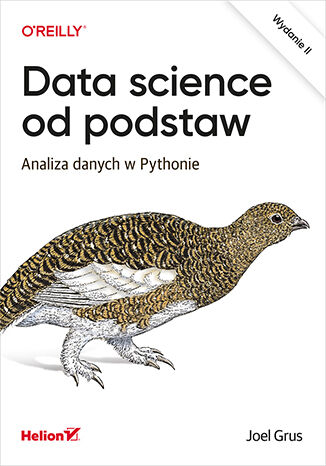
Data science od podstaw. Analiza danych w Pythonie. Wydanie II
Joel Grus
Analityka danych jest uważana za wyjątkowo obiecującą dziedzinę wiedzy. Rozwija się błyskawicznie i znajduje coraz to nowsze zastosowania. Profesjonaliści biegli w eksploracji danych i wydobywaniu z nich pożytecznych informacji mogą liczyć na interesującą pracę i bardzo atrakcyjne warunki zatrudnienia. Jednak aby zostać analitykiem danych, trzeba znać matematykę i statystykę, a także nauczyć się programowania. Umiejętności w zakresie uczenia maszynowego i uczenia głębokiego również są ważne. W przypadku tak specyficznej dziedziny, jaką jest nauka o danych, szczególnie istotne jest zdobycie gruntownych podstaw i dogłębne ich zrozumienie. W tym przewodniku opisano zagadnienia związane z podstawami nauki o danych. Wyjaśniono niezbędne elementy matematyki i statystyki. Przedstawiono także techniki budowy potrzebnych narzędzi i sposoby działania najistotniejszych algorytmów. Książka została skonstruowana tak, aby poszczególne implementacje były jak najbardziej przejrzyste i zrozumiałe. Zamieszczone tu przykłady napisano w Pythonie: jest to język dość łatwy do nauki, a pracę na danych ułatwia szereg przydatnych bibliotek Pythona. W drugim wydaniu znalazły się nowe tematy, takie jak uczenie głębokie, statystyka i przetwarzanie języka naturalnego, a także działania na ogromnych zbiorach danych. Zagadnienia te często pojawiają się w pracy współczesnego analityka danych. W książce między innymi: elementy algebry liniowej, statystyki i rachunku prawdopodobieństwa zbieranie, oczyszczanie i eksploracja danych algorytmy modeli analizy danych podstawy uczenia maszynowego systemy rekomendacji i przetwarzanie języka naturalnego analiza sieci społecznościowych i algorytm MapReduce Nauka o danych: bazuj na solidnych podstawach!
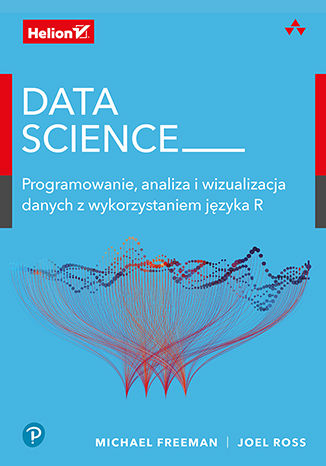
Data Science. Programowanie, analiza i wizualizacja danych z wykorzystaniem języka R
Michael Freeman, Joel Ross
Aby surowe dane przekuć w gotową do wykorzystania wiedzę, potrzebna jest umiejętność ich analizy, przekształcania i niekiedy również wizualizacji. Nagrodą za włożony w to wysiłek jest lepsze rozumienie różnych złożonych zagadnień z wielu dziedzin wiedzy. Co więcej, znajomość procesów programowego przetwarzania danych pozwala na szybkie wykrywanie i opisywanie wzorców danych, praktycznie niemożliwych do dostrzeżenia innymi technikami. Dla wielu badaczy jednak barierą na drodze do skorzystania z tych atrakcyjnych możliwości jest konieczność pisania kodu. Oto podręcznik programowania w języku R dla analityków danych, szczególnie przydatny dla osób, które nie mają doświadczenia w tej dziedzinie. Dokładnie opisano tu potrzebne narzędzia i technologie. Zamieszczono wskazówki dotyczące instalacji i konfiguracji oprogramowania do pisania kodu, wykonywania go i zarządzania nim, a także śledzenia wersji projektów i zmian w nich oraz korzystania z innych podstawowych mechanizmów. Poszczególne kroki tworzenia kodu w języku R wyjaśniono dokładnie i przystępnie. Dzięki tej książce można płynnie przejść do konkretnych zadań i budować potrzebne aplikacje. Zrozumienie prezentowanych w niej treści ułatwiają liczne przykłady i ćwiczenia, co pozwala szybko przystąpić do skutecznego analizowania własnych zbiorów danych. W tej książce między innymi: przygotowanie środowiska pracy i rozpoczęcie programowania w R podstawy zarządzania projektami, kontrola wersji i generowanie dokumentacji ramki danych, pakiety dplyr i tidyr kod do wizualizacji danych i pakiet ggplot2 tworzenie aplikacji i techniki współpracy w zespołach specjalistów Po prostu R i dane. Wyciśniesz każdą kroplę wiedzy!
Matt Eland
As the fields of data science, machine learning, and artificial intelligence rapidly evolve, .NET developers are eager to leverage their expertise to dive into these exciting domains but are often unsure of how to do so. Data Science in .NET with Polyglot Notebooks is the practical guide you need to seamlessly bring your .NET skills into the world of analytics and AI. With Microsoft’s .NET platform now robustly supporting machine learning and AI tasks, the introduction of tools such as .NET Interactive kernels and Polyglot Notebooks has opened up a world of possibilities for .NET developers. This book empowers you to harness the full potential of these cutting-edge technologies, guiding you through hands-on experiments that illustrate key concepts and principles. Through a series of interactive notebooks, you’ll not only master technical processes but also discover how to integrate these new skills into your current role or pivot to exciting opportunities in the data science field. By the end of the book, you’ll have acquired the necessary knowledge and confidence to apply cutting-edge data science techniques and deliver impactful solutions within the .NET ecosystem.
Data Science with SQL Server Quick Start Guide. Integrate SQL Server with data science
Dejan Sarka
SQL Server only started to fully support data science with its two most recent editions. If you are a professional from both worlds, SQL Server and data science, and interested in using SQL Server and Machine Learning (ML) Services for your projects, then this is the ideal book for you.This book is the ideal introduction to data science with Microsoft SQL Server and In-Database ML Services. It covers all stages of a data science project, from businessand data understanding,through data overview, data preparation, modeling and using algorithms, model evaluation, and deployment.You will learn to use the engines and languages that come with SQL Server, including ML Services with R and Python languages and Transact-SQL. You will also learn how to choose which algorithm to use for which task, and learn the working of each algorithm.
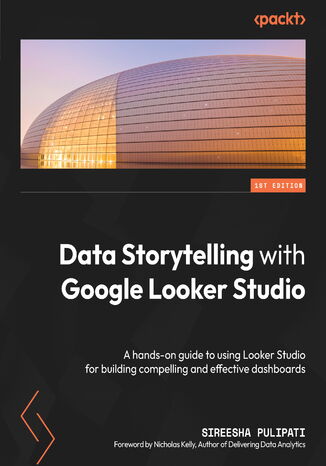
Sireesha Pulipati
Presenting data visually makes it easier for organizations and individuals to interpret and analyze information. Looker Studio is an easy-to-use, collaborative tool that enables you to transform your data into engaging visualizations. This allows you to build and share dashboards that help monitor key performance indicators, identify patterns, and generate insights to ultimately drive decisions and actions.Data Storytelling with Looker Studio begins by laying out the foundational design principles and guidelines that are essential to creating accurate, effective, and compelling data visualizations. Next, you’ll delve into features and capabilities of Looker Studio – from basic to advanced – and explore their application with examples. The subsequent chapters walk you through building dashboards with a structured three-stage process called the 3D approach using real-world examples that’ll help you understand the various design and implementation considerations. This approach involves determining the objectives and needs of the dashboard, designing its key components and layout, and developing each element of the dashboard.By the end of this book, you will have a solid understanding of the storytelling approach and be able to create data stories of your own using Looker Studio.
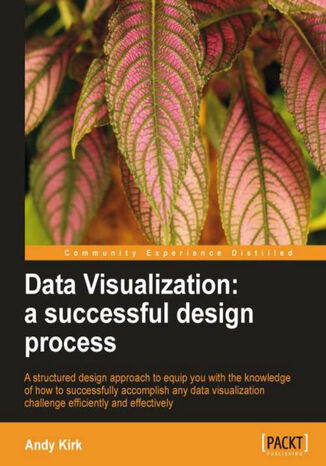
Data Visualization: a successful design process
Andy Kirk
Do you want to create more attractive charts? Or do you have huge data sets and need to unearth the key insights in a visual manner? Data visualization is the representation and presentation of data, using proven design techniques to bring alive the patterns, stories and key insights locked away.Data Visualization: a Successful Design Process explores the unique fusion of art and science that is data visualization; a discipline for which instinct alone is insufficient for you to succeed in enabling audiences to discover key trends, insights and discoveries from your data. This book will equip you with the key techniques required to overcome contemporary data visualization challenges. You'll discover a proven design methodology that helps you develop invaluable knowledge and practical capabilities.You'll never again settle for a default Excel chart or resort to fancy-looking graphs. You will be able to work from the starting point of acquiring, preparing and familiarizing with your data, right through to concept design. Choose your killer visual representation to engage and inform your audience.Data Visualization: a Successful Design Process will inspire you to relish any visualization project with greater confidence and bullish know-how; turning challenges into exciting design opportunities.
Aendrew Rininsland , Andy Kirk, Swizec Teller,...
Do you want to create more attractive charts? Or do you have huge data sets and need to unearth the key insights in a visual manner? Data visualization is the representation and presentation of data, using proven design techniques to bring alive the patterns, stories, and key insights that are locked away.This learning path is divided into three modules. The first module will equip you with the key techniques required to overcome contemporary data visualization challenges. In the second module, Social Data Visualization with HTML5 and JavaScript, it teaches you how to leverage HTML5 techniques through JavaScript to build visualizations.In third module, Learning d3.js Data Visualization, will lead you to D3, which has emerged as one of the leading platforms to develop beautiful, interactive visualizations over the web. By the end of this course, you will have unlocked the mystery behind successful data visualizations.This Learning Path combines some of the best that Packt has to offer in one complete, curated package. It includes content from the following Packt products:? Data Visualization: a successful design process by Andy Kirk? Social Data Visualization with HTML5 and JavaScript by Simon Timms? Learning d3.js Data Visualization, Second Edition by Ændrew Rininsland and Swizec Teller
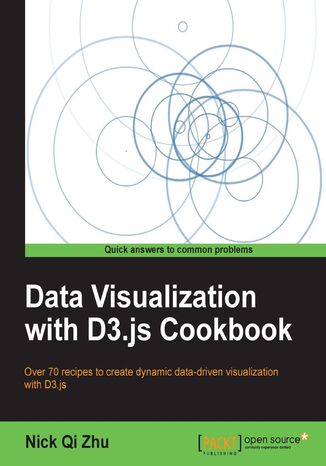
Nick Zhu
D3.js is a JavaScript library designed to display digital data in dynamic graphical form. It helps you bring data to life using HTML, SVG, and CSS. D3 allows great control over the final visual result, and it is the hottest and most powerful web-based data visualization technology on the market today.Data Visualization with D3.js Cookbook is packed with practical recipes to help you learn every aspect of data visualization with D3.Data Visualization with D3.js Cookbook is designed to provide you with all the guidance you need to get to grips with data visualization with D3. With this book, you will create breathtaking data visualization with professional efficiency and precision with the help of practical recipes, illustrations, and code samples.Data Visualization with D3.js Cookbook starts off by touching upon data visualization and D3 basics before gradually taking you through a number of practical recipes covering a wide range of topics you need to know about D3.You will learn the fundamental concepts of data visualization, functional JavaScript, and D3 fundamentals including element selection, data binding, animation, and SVG generation. You will also learn how to leverage more advanced techniques such as custom interpolators, custom tweening, timers, the layout manager, force manipulation, and so on. This book also provides a number of pre-built chart recipes with ready-to-go sample code to help you bootstrap quickly.