
Informatyka
Zajrzyj do kategorii Informatyka w księgarni internetowej Ebookpoint. Znajdziesz tutaj bestsellerowe książki, ebooki i kursy video z branży IT. Sięgnij po najlepszą literaturę dla specjalistów i rozwijaj doświadczenie, które już posiadasz, lub rozpocznij swoją przygodę z programowaniem, cyberbezpieczeństwem lub grafiką komputerową. Pogłębiaj swoją wiedzę tak, jak Ci wygodnie - z tradycyjną książką, wygodnym ebookiem lub nowoczesnym videokursem. Sprawdź, jakie tytuły znajdziesz w kategorii Informatyka!
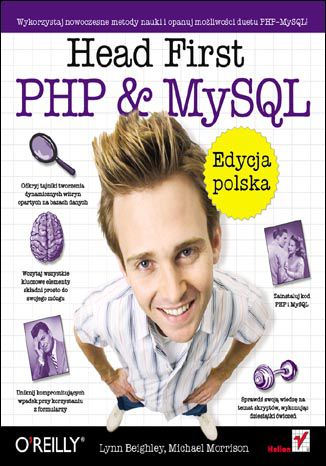
Head First PHP & MySQL. Edycja polska
Lynn Beighley, Michael Morrison
Odkryj tajniki tworzenia dynamicznych witryn opartych na bazach danych Uniknij kompromitujących wpadek przy korzystaniu z formularzy Wczytaj wszystkie kluczowe elementy składni prosto do swego mózgu Zainstaluj kod PHP i MySQL Sprawdź swą wiedzę na temat skryptów, wykonując dziesiątki ćwiczeń PHP wraz z MySQL stanowią najpopularniejszy zespół, służący do szybkiego tworzenia aplikacji internetowych o różnym stopniu złożoności. Dzięki dużym możliwościom, wydajności oraz optymalnemu podejściu do wielu zagadnień tworzą prawdopodobnie najpopularniejszą platformę do wprowadzania atrakcyjnych rozwiązań. Na temat wykorzystania możliwości PHP i MySQL napisano już wiele książek, jednak ta jest wyjątkowa — należy do popularnej i przyjaznej Czytelnikowi serii Head First! "Head First PHP & MySQL. Edycja polska" nie jest kolejnym trudnym i nudnym podręcznikiem do nauki PHP i MySQL. Autorzy wykorzystują tu innowacyjne oraz niezwykle skuteczne techniki przyswajania wiedzy szybko i bezboleśnie. Z pomocą licznych ilustracji i ciekawych skojarzeń nauczą Cię, jak stosować PHP wraz z MySQL w Twojej codziennej pracy. Dzięki temu bez najmniejszych problemów przygotujesz formularz, przetworzysz dane wprowadzone przez użytkownika, a następnie zapiszesz je w bazie MySQL. Ponadto zostaniesz wtajemniczony w szczegóły języka PHP oraz SQL. Zapoznasz się z zagrożeniami oraz dowiesz się, jak chronić swoją aplikację przed atakami z zewnątrz. To wszystko sprawi, że pewnym krokiem wejdziesz w świat profesjonalnych aplikacji internetowych! Tworzenie i obsługa formularzy Zastosowanie zmiennej $_POST Wysyłanie wiadomości e-mail z poziomu PHP Wykonywanie zapytań SQL Pobieranie i wykorzystywanie danych z MySQL w PHP Elementarz języka PHP Przesyłanie plików Bezpieczeństwo danych w PHP Zastosowanie sesji oraz ciasteczek Sortowanie wyników Obsługa kanałów RSS Zamieszczanie materiałów multimedialnych Zastosowanie formatu XML Instalacja i konfiguracja serwera Apache Wykorzystaj nowoczesne metody nauki i opanuj możliwości duetu PHP–MySQL!

Head First Ruby on Rails. Edycja polska
David Griffiths
Bez wysiłku poznaj niesamowite możliwości Ruby on Rails i twórz wspaniałe aplikacje Jeśli chcesz szybko i sprawnie budować internetowe aplikacje bazodanowe, warto, abyś poznał niezwykłe możliwości Rails. Ta wyjątkowa platforma programowania pozwala tworzyć w pełni funkcjonalne aplikacje z wykorzystaniem języka Ruby. Jej wielką zaletą jest to, że wszystkie zmiany wprowadzane do aplikacji można zobaczyć natychmiast po ich zapisaniu i odświeżeniu strony w przeglądarce. Dzieje się tak dzięki zastosowaniu języka Ruby, ponieważ kod w tym języku nie musi być kompilowany. Książkę "Head First Ruby on Rails. Edycja polska" napisano w oparciu o najnowsze, skuteczne techniki ułatwiające zrozumienie i przyswajanie wiedzy. Dzięki temu szybko i bez trudności nauczysz się tworzyć interaktywne aplikacje internetowe za pomocą tej platformy. Dowiesz się, na czym polega współpraca z bazą danych, integracja z Ajaksem i XML oraz dynamiczne wykreślanie danych. Ponieważ to obrazy najlepiej przemawiają do Twojego umysłu, książka ta została bogato zilustrowana — abyś jak najszybciej poznał możliwości Rails i natychmiast zaczął wykorzystywać je w praktyce. Język Ruby Tworzenie tabel Wykonywanie migracji bazy danych Kod modelu, widoku i kontrolera Tworzenie formularza Sprawdzanie poprawności danych Zapobieganie błędom Dołączanie bibliotek Ajaksa Udostępnianie aplikacji użytkownikom Wykorzystaj najnowsze metody uczenia się i szybko opanuj Ruby on Rails!

Head First Servlets & JSP. Edycja polska. Wydanie II (Rusz głową!)
Bryan Basham, Kathy Sierra, Bert Bates
Wykorzystaj innowacyjne metody nauki i zacznij tworzyć dynamiczne aplikacje internetowe! Jak korzystać z technologii JSP? Jak działają serwlety? Jak zastosować wzorzec projektowy MCV? Statyczna strona internetowa dziś już nikogo nie zachwyca. Czas na zmianę! Pora sprawić, aby tworzone przez Ciebie aplikacje stały się wyjątkowo dynamiczne, elastyczne i interaktywne. Poznaj i wykorzystaj w tym celu nowoczesną technologię serwletów i stron JSP. Dzięki niej zbudujesz złożony serwis z zastosowaniem języka Java wplecionego w kod HTML danej strony oraz serwletu, który przetwarza informacje otrzymane z serwera, aby dostarczyć użytkownikowi gotowy obraz witryny. Aby Twoja aplikacja działała idealnie, potrzebujesz jeszcze tylko zabezpieczeń, kontenerów serwletów i modelu MCV. Jak to wszystko złożyć i uruchomić? Tego dowiesz się właśnie z naszego nowatorskiego podręcznika! Książka "Head First Servlets & JSP. Edycja polska. Wydanie II" napisana została w oparciu o innowacyjne metody przekazywania wiedzy, polegające na włączaniu w proces nauki elementów zabawy oraz oddziaływaniu na wiele zmysłów. To pomaga szybko zrozumieć tę technologię i osiągnąć biegłość w tworzeniu dynamicznych stron oraz aplikacji. Z bogato ilustrowanego i napisanego lekkim językiem podręcznika dowiesz się m.in., co to jest serwlet, kontener i protokół HTTP, do czego służą strony JSP oraz jak tworzyć środowisko wdrożeniowe aplikacji i zabezpieczać przesyłane informacje. Architektura aplikacji internetowej nie będzie już miała przed Tobą żadnych tajemnic! Przegląd technologii serwletów i stron JSP Architektura aplikacji internetowej Wdrażanie aplikacji internetowej Strony bezskryptowe Znaczniki niestandardowe Zabezpieczenia serwletów Filtry Korporacyjne wzorce projektowe Protokół HTTPS Książka przygotowuje do najnowszej wersji egzaminu SCWCD z platformy J2EE 1.5!
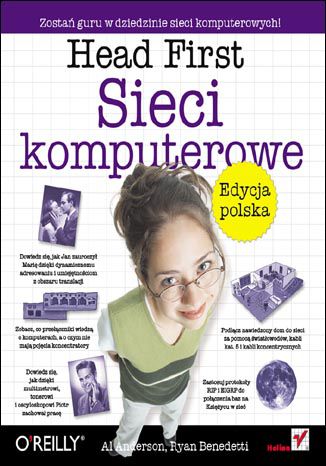
Head First. Sieci komputerowe. Edycja polska
Al Anderson, Ryan Benedetti
Użytkowanie sieci komputerowych stało się co najmniej tak popularne jak posługiwanie się telefonem komórkowym. Jeśli Ty także chcesz obsługiwać swobodnie sieć komputerową, powinieneś sięgnąć po tę wyjątkową książkę. Z tego podręcznika, napisanego zgodnie z najnowszymi metodami skutecznej nauki, skorzystają zarówno amatorzy, którzy chcą sprawnie obsługiwać urządzenia sieciowe dla własnej wygody, jak i administratorzy pragnący poszerzać swoją wiedzę i sprawnie rozwiązywać trudne problemy. W książce "Head First. Sieci komputerowe. Edycja polska" znajdziesz nie tylko odpowiedzi na nurtujące Cię pytania dotyczące sieci komputerowych, ale także ich klarowne i szczegółowe objaśnienie. Wyróżniającą cechą tego bogato ilustrowanego podręcznika jest przełożenie wiadomości teoretycznych na problemy koncentrujące się wokół praktyki obsługi sieci komputerowych, a więc opis rzeczywistych problemów, które spotykasz na co dzień w swojej pracy. W trakcie lektury niniejszej książki dowiesz się, jak zaplanować układ sieci, znajdziesz tu także praktyczne porady dotyczące wykrywania i rozwiązywania problemów z połączeniami, konfigurowania przełączników oraz routerów. Nauczysz się projektować sieć oraz sprawnie i bezpiecznie nią zarządzać. Naprawianie fizycznych uszkodzeń sieci Planowanie układu sieci Diagnozowanie i rozwiązywanie problemów Analizowanie pakietów Urządzenia i narzędzia Protokoły trasowania System nazw domen Sieci bezprzewodowe Bezpieczeństwo w sieci Projektowanie sieci Zostań guru w dziedzinie sieci komputerowych!
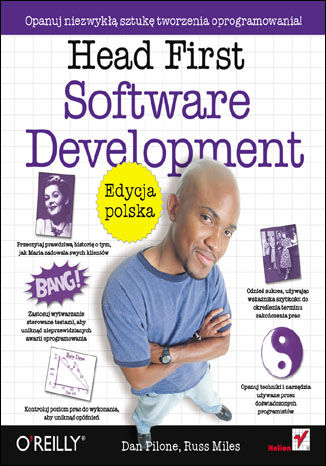
Head First Software Development. Edycja polska
Dan Pilone, Russ Miles
Opanuj niezwykłą sztukę wytwarzania oprogramowania! W jaki sposób zadowolić klienta? Jak wygląda proces wytwarzania oprogramowania? Jakie pułapki czekają na Ciebie? Proces wytwarzania oprogramowania -- już sam opis sugeruje trudności. I rzeczywiście -- jest to proces niezwykle złożony. Od samego początku trafiamy na kwestie takie, jak analiza potrzeb klienta i zebranie jego wymagań. Z każdym krokiem wszystko komplikuje się jeszcze bardziej... Konieczna jest implementacja poszczególnych wymagań klienta, testowanie tych rozwiązań, korekta znalezionych błędów. Na to wszystko nakłada się jeszcze konieczność tworzenia różnych wersji rozwiązań i zmienny nastrój klienta. Jak sobie z tym wszystkim poradzić? Jak bezboleśnie i skutecznie przejść przez cały ten proces? Tylko bez obaw! Oto podręcznik, który dzięki innowacyjnym metodom przekazywania wiedzy sprawi, że szybko zrozumiesz proces wytwarzania oprogramowania i nauczysz się gładko podążać jego wyboistą ścieżką. Autorzy książki "Head First Software Development. Edycja polska" -- Dan i Russ -- pokażą Ci, w jaki sposób zadowolić klienta i zebrać od niego wymagania oraz określić jego potrzeby. Dowiesz się, jak zapanować nad poszczególnymi wersjami Twojego projektu. Nauczysz się prowadzić testy i usuwać błędy. Zdobędziesz informacje dotyczące wytwarzania oprogramowania sterowanego testami, a na koniec zobaczysz, jak taki proces wygląda w rzeczywistości. Wszystkie te informacje przedstawione zostały na licznych ilustracjach, co wydatnie ułatwia przyswajanie wiedzy, dodatkowo przekazanej przystępnym i pełnym humoru językiem. Po lekturze tego podręcznika nawet laik będzie w stanie zarządzać takim procesem! Zbieranie wymagań Planowanie projektu Kontrola wersji Wytwarzanie sterowane testami Testy integracyjne Usuwanie błędów Tworzenie oprogramowania? Nic prostszego!!!

Head First. Statystyka. Edycja polska
Dawn Griffiths
Przekonaj się, że statystyka może być prosta! Jeśli statystyka wydaje Ci się nudna i skomplikowana, to tylko dlatego, że nie korzystałeś dotąd z odpowiedniego podręcznika! Ta innowacyjna, przyjazna dla czytelnika książka z pewnością zmieni Twoją opinię. Wiedzę z zakresu statystyki podano tu w sposób uwzględniający najnowsze badania w zakresie efektywnego nauczania. Dzięki przyjęciu takiej formuły tekst dostosowano do sposobu funkcjonowania Twojego mózgu, aby w pełni wykorzystać jego możliwości i bezboleśnie wprowadzić Cię w świat skomplikowanych obliczeń. Najważniejsze zagadnienia zostały tu zilustrowane za pomocą — nierzadko zabawnych — przykładów z życia codziennego, takich jak analiza statystyk sportowych, wyników gier hazardowych czy testów nowych leków. Dzięki tej książce dowiesz się m.in., jak wybrać optymalny wykres do wizualizacji określonych danych, szybko wskazać wartości reprezentatywne dla danego zbioru danych i za pomocą rachunku prawdopodobieństwa przewidywać skutki powtarzalnych zdarzeń w długich seriach. Z łatwością nie tylko przyswoisz zawartą tu wiedzę, ale i wykorzystasz ją w codziennym życiu! Wizualizacja danych Wykresy Praca z danymi zgrupowanymi Rozkład geometryczny, dwumianowy i Poissona Miary zróżnicowania Szacowanie parametrów populacji na podstawie próby Kwartyle i wariancje Prawdopodobieństwo zdarzeń Konstruowanie przedziału ufności Podstawy kombinatoryki Weryfikacja hipotez Korelacja i regresja Z dobrym podręcznikiem nawet statystyka może być łatwa i ciekawa!
Vikas (Vik) Kumar, Shameer Khader
In recent years, machine learning technologies and analytics have been widely utilized across the healthcare sector. Healthcare Analytics Made Simple bridges the gap between practising doctors and data scientists. It equips the data scientists’ work with healthcare data and allows them to gain better insight from this data in order to improve healthcare outcomes.This book is a complete overview of machine learning for healthcare analytics, briefly describing the current healthcare landscape, machine learning algorithms, and Python and SQL programming languages. The step-by-step instructions teach you how to obtain real healthcare data and perform descriptive, predictive, and prescriptive analytics using popular Python packages such as pandas and scikit-learn. The latest research results in disease detection and healthcare image analysis are reviewed.By the end of this book, you will understand how to use Python for healthcare data analysis, how to import, collect, clean, and refine data from electronic health record (EHR) surveys, and how to make predictive models with this data through real-world algorithms and code examples.
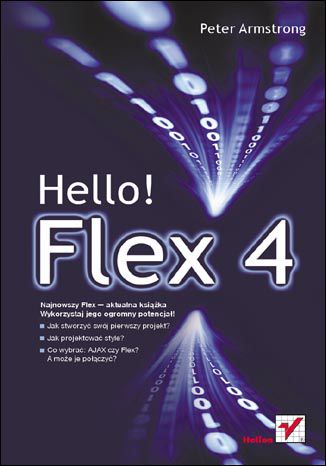
Peter Armstrong
Najnowszy Flex — aktualna książka. Wykorzystaj szansę! Jak stworzyć swój pierwszy projekt? Jak projektować style? Co wybrać: AJAX czy Flex? A może je połączyć? Flex w wersji 4 to najnowszy krzyk mody na rynku aplikacji webowych. Pozwala na tworzenie rozwiązań internetowych w niczym nieprzypominających tych, z którymi mamy do czynienia na co dzień. Są one atrakcyjne pod względem graficznym, charakteryzują się wysoką interakcyjnością oraz nieprawdopodobnie ogromnymi możliwościami. Jeżeli wspomnieć jeszcze o tym, że jest to środowisko zupełnie darmowe… pora przygotować się na rewolucję w świecie aplikacji internetowych! Od marca 2010 roku dostępna jest najnowsza wersja Fleksa, oznaczona numerem 4. Warto poznawać tę wersję z podręcznikiem "Hello! Flex 4" w dłoni. Znajdziesz tu wszechstronną wiedzę na temat języków ActionScript, XML, E4X, obiektów pierwotnych oraz zasad projektowania stylów. Ponadto dowiesz się, jak tworzyć efekty, animacje oraz jak wykorzystać obiekty typu DataGrid. Jednak zanim dojdziesz do tych interesujących, lecz złożonych zagadnień, będziesz miał okazję zapoznać się z samym środowiskiem oraz najlepszymi praktykami i metodami pracy. Jeżeli chcesz rozpocząć przygodę z najnowszą wersją środowiska Flex — nie mogłeś lepiej trafić! Rozpocznij ją już dziś! Pierwsze kroki we Fleksie — omówienie platformy Nasłuchiwanie zdarzeń Wiązanie danych — adnotacja Bindable Struktura aplikacji pisanych w środowisku Flex Języki ActionScript, XML, E4X Definiowanie zmiennych i przestrzenie nazw Obiekty, tablice oraz sterowanie przepływem Dziedziczenie i inne pojęcia obiektowe w środowisku Flex Składniki typu Spark Stany widoku Projektowanie stylów Tworzenie animacji i efektów specjalnych Wykorzystanie obiektów typu DataGrid Zastosowanie pojemników nawigacyjnych oraz elementów wyskakujących Projektowanie i tworzenie formularzy Rozpocznij przygodę z Flex 4 bez najmniejszych problemów!