
Informatyka
Zajrzyj do kategorii Informatyka w księgarni internetowej Ebookpoint. Znajdziesz tutaj bestsellerowe książki, ebooki i kursy video z branży IT. Sięgnij po najlepszą literaturę dla specjalistów i rozwijaj doświadczenie, które już posiadasz, lub rozpocznij swoją przygodę z programowaniem, cyberbezpieczeństwem lub grafiką komputerową. Pogłębiaj swoją wiedzę tak, jak Ci wygodnie - z tradycyjną książką, wygodnym ebookiem lub nowoczesnym videokursem. Sprawdź, jakie tytuły znajdziesz w kategorii Informatyka!

Hello World! Przygoda z programowaniem dla dzieci i absolutnie początkujących. Wydanie II
Warren Sande, Carter Sande
Nauka programowania to świetny pomysł, ale musimy Cię ostrzec: programowanie wciąga! Jeśli nauczysz się porozumiewać z komputerem w jego języku, szybko zorientujesz się, że napisanie własnej gry, skryptu do złożonych obliczeń czy funkcjonalnej aplikacji do codziennego użytku daje wielką satysfakcję i sprawia mnóstwo radości. Co więcej, programowania można nauczyć się niemal w każdym wieku. Wystarczy odrobina cierpliwości i konsekwencji! Trzymasz w ręce chyba najlepszy podręcznik do nauki programowania dla osób absolutnie początkujących — nawet takich, które komputera używają wyłącznie do przeglądania stron i obsługi poczty. W sposób szczególny nadaje się on dla dzieci, ale skorzystają z niego również dorośli, którzy chcą poznać podstawy programowania. Jasno i klarownie przedstawiono tu wszystkie niezbędne informacje, a liczne (bardzo zabawne) przykłady pozwalają na głębsze zrozumienie prezentowanych treści. Nauka odbywa się w języku Python. Jest to język łatwy w nauce, a przy tym bardzo popularny i wciąż rozwijany. Co więcej, przyswojenie sobie Pythona pozwala na szybką naukę innych języków! W tym podręczniku znajdziesz informacje m.in. o tym: jak przygotować się do pracy: zainstalować Pythona i napisać pierwsze linie kodu czym są i do czego służą zmienne, typy danych, operatory czym jest GUI i jak go napisać jakie są rodzaje pętli, co to są funkcje i na czym polega obsługa zdarzeń jak przygotować symulacje komputerowe Witaj w niezwykłym świecie programowania! Warren Sande — jest inżynierem systemów elektronicznych. Na co dzień korzysta z Pythona zarówno do nauczania programowania, jak i do pisania w pełni profesjonalnych skryptów. Carter Sande — jest uczniem o wielkiej pasji do technologii. Troszczy się o szkolną sieć informatyczną, chętnie pomaga kolegom w rozwiązywaniu problemów z komputerami, a ponadto uwielbia jeździć na rowerze i grać w stare gry wideo.
Anubhav Hanjura
An easy-to-follow, hands-on guide that clearly explains the various components of the Heroku platform and provides step-by-step guidance as well as numerous examples on how to build and troubleshoot robust and scalable production-ready web applications on the Heroku platform. This book is intended for those who want to learn Heroku the right way. Perhaps you are new to Heroku or are someone who has heard about Heroku but have not built anything significant with it. You should have knowledge or familiarity with cloud computing and basic knowledge of database and network deployment.
Mike Coutermarsh
Heroku is a Platform as a Service that enables developers to rapidly deploy and scale their web applications. Heroku is designed for developer happiness, freeing developers from doing system administrative tasks such as configuring servers and setting up load balancers. Developers are able to focus on what they do best, building web applications, while leaving the details of deployment and scaling to the experts at Heroku.This practical guide is packed with step-by-step solutions to problems faced by every production-level web application hosted on Heroku. You'll quickly get comfortable with managing your Heroku applications from the command line and then learn everything you need to know to deploy and administer production-level web applications.

Hibernate Search. Skuteczne wyszukiwanie
Steve Perkins
Użytkownicy aplikacji prawdopodobnie najczęściej korzystają z funkcji wyszukiwania. Ze strony interfejsu użytkownika problem wydaje się trywialny. Zupełnie inne zdanie na ten temat mają programiści. Przygotowanie wydajnego, intuicyjnego i szybkiego mechanizmu wyszukiwania stanowi ogromne wyzwanie. Liczne kryteria, wyszukiwanie tekstu, zależności i połączenia logiczne to tylko część zagadnień, które trzeba opracować. Na szczęście z pomocą przychodzi narzędzie Hibernate Search. Jest to dodatek dla popularnej w świecie Javy i nie tylko biblioteki Hibernate. Dzięki Hibernate Search wprowadzenie rozbudowanych mechanizmów wyszukiwania w Twojej aplikacji będzie całkowicie bezbolesne. W trakcie lektury tej książki dowiesz się, jak zamapować encję, jak budować zapytania oraz zarządzać indeksami. Ponadto poznasz zaawansowane strategie poprawy wydajności oraz pełnię możliwości zapytań. Książka ta jest doskonałym podręcznikiem dla wszystkich programistów języka Java, mających za zadanie wprowadzenie do aplikacji rozbudowanych mechanizmów wyszukujących. Hibernate Search to dla nich prawdziwe koło ratunkowe! Dzięki tej książce: - poznasz możliwości biblioteki Hibernate Search - opanujesz najlepsze strategie zarządzania indeksami - błyskawicznie zbudujesz zapytanie - zachwycisz użytkowników Twojej aplikacji rozbudowaną wyszukiwarką Błyskawicznie zaprojektuj rozbudowany mechanizm wyszukiwania dzięki Hibernate Search!
Alexander Davies
High Availability is something that all web sites hope to achieve, especially those that are linked to big companies.MySQL, an open source relational database management system (RDBMS), can be made highly available to protect from corruption, hardware failure, software crashes, and user error. Running a MySQL setup is quite simple. Things start getting complex when you start thinking about the best way to provide redundancy. There are a large number of techniques available to add 'redundancy' and 'high availability' to MySQL, but most are both poorly understood and documented.This book will provide you with recipes showing how to design, implement, and manage a MySQL Cluster and achieve high availability using MySQL replication, block level replication, shared storage, and the open source Global File System (GFS).This book covers all the major techniques available for increasing availability of your MySQL databases. It demonstrates how to design, implement, troubleshoot and manage a highly available MySQL setup using any one of several techniques, which are shown in different recipes. It is based on MySQL Cluster 7.0, MySQL (for non clustered recipes) 5.0.77, and CentOS / RedHat Enterprise Linux 5.3.The book starts by introducing MySQL Cluster as a technology and explaining how to set up a simple cluster. It will help you to master the options available for backing up and restoring a file in the MySQL Cluster. By following the practical examples in this book, you will learn how to manage the MySQL Cluster. Further, we will discuss some troubleshooting aspects of the MySQL Cluster.We also have a look at achieving high availability for MySQL databases with the techniques of MySQL Replication, block level replication, shared storage (a SAN or NAS), and DRBD.Finally, you will learn the principles of Performance tuning and tune MySQL database for optimal performance.
Dr. Edward Lavieri Jr.
Building high performance into your applications is key to creating an optimal user experience, although it is not the only consideration for the performant nature of your apps. High performance applications can lead to cost-effective resource utilization, especially when scalability and cloud computing are involved. They can also provide highly reliable systems that are easier to maintain.High Performance with Java begins by helping you explore the Java Virtual Machine (JVM) and understand how to push it to its limits to further optimize your programs. You’ll take a hands-on approach to go through memory optimization strategies, input/output operations, concurrency, networking, as well as frameworks and libraries focused on performance. You’ll also learn key strategies and best practices by using industry-relevant examples to architect scalable and resource-efficient applications. The concluding chapters provide valuable insights on optimizing your Java code when interacting with databases and show you how to leverage artificial intelligence (AI) for high performance Java applications.By the end of this book, you’ll grasp the importance of developing high performance Java applications and gain practical experience in implementing key strategies to help ensure your Java applications perform optimally.
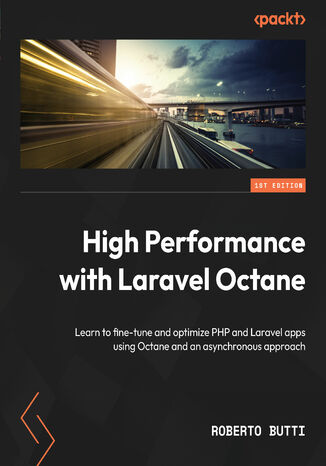
Roberto Butti
Laravel Octane is a very powerful component in the Laravel ecosystem that can help you achieve remarkable app performance. With Laravel Octane, you will find tools (queues, cache, and tables) that facilitate a new asynchronous approach for improving application performance.This book highlights how Laravel Octane works, what steps to take in designing an application from the start, what tools you have at your disposal, and how to set up production environments. It provides complete coverage of the strategies, tools, and best practices to make your apps scalable and performant. This is especially important as optimization is usually the overlooked part in the application development lifecycle. You will explore the asynchronous approach in Laravel and be able to release high-performing applications that have a positive impact on the end-user experience.By the end of this book, you will find yourself designing, developing, and releasing high-performance applications.
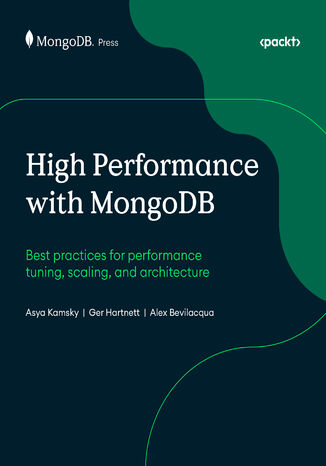
High Performance with MongoDB. Best practices for performance tuning, scaling, and architecture
Asya Kamsky, Ger Hartnett, Alex Bevilacqua, MongoDB...
With data as the new competitive edge, performance has become the need of the hour. As applications handle exponentially growing data and user demand for speed and reliability rises, three industry experts distill their decades of experience to offer you guidance on designing, building, and operating databases that deliver fast, scalable, and resilient experiences.MongoDB’s document model and distributed architecture provide powerful tools for modern applications, but unlocking their full potential requires a deep understanding of architecture, operational patterns, and tuning best practices. This MongoDB book takes a hands-on approach to diagnosing common performance issues and applying proven optimization strategies from schema design and indexing to storage engine tuning and resource management.Whether you’re optimizing a single replica set or scaling a sharded cluster, this book provides the tools to maximize deployment performance. Its modular chapters let you explore query optimization, connection management, and monitoring or follow a complete learning path to build a rock-solid performance foundation. With real-world case studies, code examples, and proven best practices, you’ll be ready to troubleshoot bottlenecks, scale efficiently, and keep MongoDB running at peak performance in even the most demanding production environments.