
Informatyka
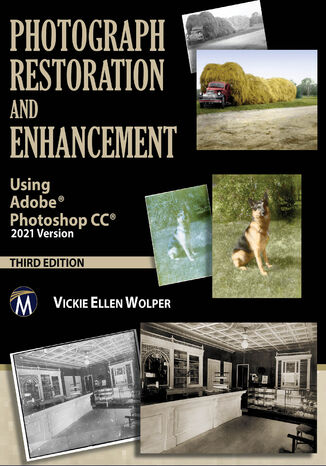
Mercury Learning and Information, Vickie Ellen Wolper
Updated for Photoshop CC 2021, this edition offers hands-on learning with a building block teaching style. Suitable for all skill levels, it teaches photo restoration and tonal correction. Learn to repair damage, improve discolored photos, colorize black and white images, digitize large photos, and adjust content for perfect shots. Tips, notes, figures, and projects help you master restorations and enhancements.The course starts with preparing an image for Photoshop and an introduction to the software. It covers selection, layers, transformations, painting, printing, and repairing photo flaws. Advanced topics include correcting lighting, enhancing photos, and mastering trade secrets. Final chapters address special challenges and applying skills to complex projects.These skills are vital for high-quality photo restorations. This book transitions readers from basic to advanced Photoshop techniques, blending theory with practice. Companion files with photos, projects, figures, and videos enhance learning, making this an essential resource for mastering photo restoration.
Photoshop CC PL. Szkoła efektu
Anna Owczarz-Dadan
Wywiad z Autorką na ŚwiatObrazu.pl >> Weź swoje zdjęcia we własne ręce… i zaskocz wspaniałym efektem! Jak wygodnie pracować z najnowszym Photoshopem? Od czego zacząć retusz fotografii i na czym go zakończyć? Jak uczynić ze zwykłego zdjęcia obiekt jedyny w swoim rodzaju? Photoshop od wielu lat pozostaje na pozycji lidera w świecie obróbki fotografii cyfrowej. Wciąż zaskakuje nowymi rozwiązaniami, poprawia wygodę i precyzję używania narzędzi, co pozwala każdemu bez problemu poprawić niemal dowolne — czasem bardzo kiepskie — zdjęcia. Nowa wersja tego programu, CC, nie jest tu wyjątkiem. Jednak aby w pełni wykorzystać jej możliwości, warto sięgnąć po przewodnik napisany przez niezrównanego specjalistę — eksperta w tej dziedzinie, Annę Owczarz-Dadan. Niezależnie od tego, czy znasz wcześniejsze wersje Photoshopa, czy po raz pierwszy otwierasz ten program, ta książka pomoże Ci zorientować się, jakich narzędzi warto użyć w konkretnej sytuacji, w jakiej kolejności i do czego. Od całkowitych podstaw szybko przejdziesz do malowania, maskowania, usuwania niepotrzebnych elementów, tworzenia warstw, poprawiania kolorów i łączenia obrazów. Dowiesz się także, jak (i po co) zniekształcać obraz, czym są obiekty inteligentne i do czego przydają się najróżniejsze filtry. Nauczysz się dodawać tekst, stosować ścieżki i automatyzować często wykonywane czynności. Czytaj i zabieraj się do pracy. Twoje zdjęcia czekają! Podstawy obsługi programu Zaznaczanie obrazu i malowanie w Photoshopie Retusz obrazu poprzez pozbywanie się niechcianych elementów lub zmianę ich położenia Praca z warstwami Maskowanie — coś, czego bezwzględnie musisz się nauczyć Zniekształcanie obrazu i korygowanie kolorów Łączenie obrazów oraz ich dopasowywanie Zmiana rozmiarów, prostowanie i przekształcanie obrazów Obiekty inteligentne Filtry i efekty specjalne Ścieżki, kształty i tekst Automatyzacja pracy Popraw, wyprostuj, zniekształć — i poczuj satysfakcję! PATRONI MEDIALNI:
Photoshop CS3 PL. Multimedialny trener
Jennifer Smith, AGI Creative Team
Poznaj możliwości Photoshopa, aby Twoje obrazy przemawiały do wyobraźni Jak modyfikować grafiki za pomocą stylów warstwy? Jak łączyć obrazy? Jak korzystać z narzędzi modułu Camera Raw? Photoshop CS3 od wielu już lat jest doskonałym i sprawdzonym narzędziem do profesjonalnego przetwarzania obrazów. Program umożliwia nie tylko techniczną obróbkę zdjęć i grafiki, które wykorzystywane są we wszelkiego rodzaju publikacjach, ale także pozwala na realizację własnych twórczych projektów. W wersji CS3 dodano wiele nowych funkcji (np. filtry inteligentne, zwiększenie obszaru roboczego czy ulepszone narzędzia do zaznaczania), które przede wszystkim umożliwiają niedostępne dotychczas sposoby obróbki, a jednocześnie ułatwiają użytkowanie. "Photoshop CS3 PL. Multimedialny trener" to Twój osobisty instruktor do nauki Photoshopa, który wprowadzi Cię krok po kroku -- w tempie, które sam sobie narzucisz -- w kolejne tajniki tego programu, co umożliwi posługiwanie się nim na poziomie profesjonalnym. Wykonując poszczególne ćwiczenia, nauczysz się komponować obraz przy użyciu obiektów inteligentnych, modyfikować jego barwy za pomocą warstw korekcyjnych, tworzyć obrazy do druku oraz animacje na potrzeby internetu i wideo. Krótko mówiąc, dzięki tej książce staniesz się zawodowcem. Dokowanie palet Stosowanie filtrów inteligentnych Wykorzystanie maski warstwy Modyfikowanie grafiki za pomocą stylów warstwy Korzystanie z programu Adobe Bridge Łączenie i poprawianie obrazów Zapisywanie pliku w formacie DNG Malowanie i retuszowanie Obiekty inteligentne Filtry Tworzenie animacji "Photoshop CS3 PL. Multimedialny trener" -- Twój osobisty instruktor, który nauczy Cię tworzyć lepiej i szybciej, a także wykorzystywać maksimum możliwości aplikacji i Twojej kreatywności!
Photoshop CS4 PL. Ćwiczenia praktyczne
Anna Owczarz-Dadan
Program Photoshop już od wielu lat stanowi standardowe narzędzie dla każdego, kto w miarę poważnie traktuje swoją przygodę z fotografią lub grafiką komputerową, a zwłaszcza dla osób, dla których przygoda ta jest również sposobem zarabiania na życie. Mając to na uwadze, firma Adobe nie spoczywa na laurach i stara się jak najczęściej aktualizować aplikację, rozszerzać jej możliwości i ułatwiać pracę zarówno profesjonalnych, jak i zupełnie początkujących użytkowników. Nowa, jedenasta już z kolei wersja Photoshopa nie jest tu oczywiście wyjątkiem. Praktyczne zastosowanie narzędzi oferowanych przez najnowszą edycję programu znacznie ułatwi Ci lektura książki "Photoshop CS4. Ćwiczenia praktyczne". Znajdziesz w niej opis graficznego interfejsu aplikacji, informacje na temat sposobów kadrowania, korygowania i retuszowania obrazów oraz wiadomości związane z zastosowaniem najciekawszych efektów i filtrów. Ćwiczenia zaprezentowane w książce nie są przeładowane zbędną teorią, a dołączone do nich ilustracje i uwagi stanowią doskonałe uzupełnienie głównej treści. Zastosowana metoda prezentacji materiału sprawi, że naprawdę szybko osiągniesz zamierzone cele. Przegląd nowego interfejsu programu Kadrowanie i prostowanie obrazów Korzystanie z narzędzi edycyjnych Korekcja podstawowych błędów występujących na fotografiach Retuszowanie zdjęć i korekcja barw Skalowanie i przekształcanie obrazów Zastosowanie efektów, masek i filtrów Dołącz do najlepszych - naucz się profesjonalnie edytować swoje zdjęcia za pomocą Photoshopa.
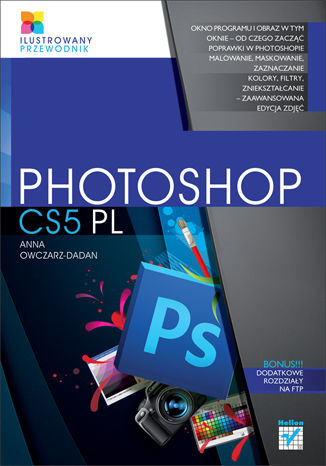
Photoshop CS5 PL. Ilustrowany przewodnik
Anna Owczarz-Dadan
Dodatkowe materiały do książki są gotowe do pobrania Okno programu i obraz w tym oknie - od czego zacząć poprawki w Photoshopie Malowanie, maskowanie, zaznaczanie Kolory, filtry, zniekształcanie - zaawansowana edycja zdjęć Najnowsza wersja programu Photoshop otwiera przed Tobą nowe, zdecydowanie większe możliwości w zakresie poprawiania nieudanych zdjęć i używania zaawansowanych technik obróbki fotografii. Dzięki temu Twoje kompozycje nabiorą większej dynamiki i rozmachu, a Ty zaczniesz być postrzegany jako prawdziwy czarodziej w tej dziedzinie. Narzędzia, zapewniające łatwiejsze retuszowanie i poszerzające spektrum sposobów zniekształcania obrazu, pozwolą Ci osiągnąć spektakularne efekty. Książka "Photoshop CS5 PL. Ilustrowany przewodnik" pomoże Ci szybko i bez kłopotu nadrobić zaległości w tym zakresie. Dowiesz się z niej, jak zacząć swoje zmagania z programem, jak wczytać do niego zdjęcie, jakich poleceń i przycisków możesz się spodziewać. Opanujesz możliwości wynikające ze stosowania masek i warstw. Nauczysz się zaznaczać i zmieniać wybrane fragmenty obrazu, korygować jego jasność i kolorystykę, osiągać niesamowite efekty dzięki filtrom specjalnym a także retuszować drobne defekty urody fotografowanych postaci. Poznasz zasady działania palety Historia i sposoby łączenia zdjęć w większe całości. Na co jeszcze czekasz? Pora otworzyć książkę i program Photoshop CS5 PL! Importowanie obrazu do programu Zmiana rozmiaru widoku w oknie obrazu Obraz w Photoshopie Malowanie, warstwy i maski Cofanie i Anulowanie wykonanych czynności Korekcja kolorów i jasności obrazu Narzędzia i polecenia do retuszu obrazu Modyfikacja i łączenie obrazów Przekonaj się, że praca nad zdjęciami może być bardzo przyjemna!
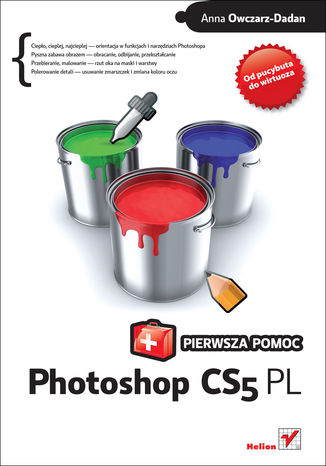
Photoshop CS5 PL. Pierwsza pomoc
Anna Owczarz-Dadan
Ciepło, cieplej, najcieplej — orientacja w funkcjach i narzędziach Photoshopa Pyszna zabawa obrazem — obracanie, odbijanie, przekształcanie Przebieranie, malowanie — rzut oka na maski i warstwy Polerowanie detali — usuwanie zmarszczek i zmiana koloru oczu Tak bardzo zależało Ci na tym, żeby uchwycić w kadrze najpiękniejsze chwile życia. Kupiłeś dobry aparat, lecz cóż — nie każdy jest urodzonym fotografem. A nie chcesz przecież, żeby znajomi zasnęli po obejrzeniu trzech pierwszych zdjęć z Twoich wakacji na drugiej półkuli? Spokojnie, nie musisz od razu wysyłać w kosmos sygnału SOS. Z tą książką błyskawicznie opanujesz poruszanie się w oknie Photoshopa i zasady jego obsługi. Nauczysz się odpowiednio kadrować zdjęcia, obracać je i przekształcać na najróżniejsze sposoby. Dowiesz się, jak sprawić, żeby Twoja skóra nabrała właściwej, brązowej barwy, jak usunąć z uwiecznionej twarzy krostki i podbić kolory całej fotografii. Nauczysz się wyostrzać zdjęcia, zmieniać ich ekspozycję, nasycenie barw i kontrast, a także rozjaśniać je i przyciemniać. Efekt gwarantowany! Po obejrzeniu Twoich wyretuszowanych fotografii przyjaciele natychmiast wykupią sobie taką samą wycieczkę… Obsługa narzędzi i interfejs Cofanie wykonanych operacji i automatyzacja pracy Warstwy, maskowanie i poskramianie pędzla Kadrowanie zwykłe i z zachowaniem perspektywy Obracanie obrazu, odbijanie i prostowanie zdjęcia Wypaczenie marionetkowe i usuwanie zbędnych elementów Łagodzenie uzyskanego efektu i stopnia widzialności obiektu na warstwie Narzędzia Rozjaśnianie i Ściemnij Wyostrzanie całego obrazu i wybranego fragmentu Zmiana obrazu kolorowego w czarno-biały i zabarwianie go innym kolorem Korekcja ekspozycji, kolorów oraz nasycenia barw i kontrastu Zmiana koloru (także czerwonych) oczu oraz innych elementów obrazu Zamiana tła na fotografii Od pucybuta do wirtuoza — odkryj dla siebie Photoshop!
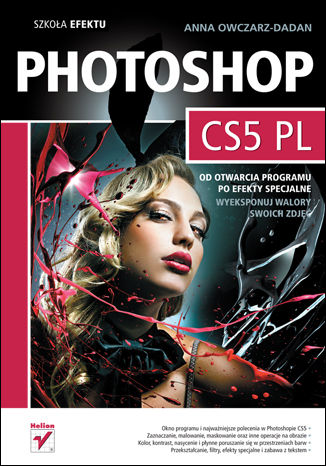
Photoshop CS5 PL. Szkoła efektu
Anna Owczarz-Dadan
Od otwarcia programu po efekty specjalne — wyeksponuj walory swoich zdjęć Okno programu i najważniejsze polecenia w Photoshopie CS5 Zaznaczanie, malowanie, maskowanie oraz inne operacje na obrazie Kolor, kontrast, nasycenie i płynne poruszanie się w przestrzeniach barw Przekształcanie, filtry, efekty specjalne i zabawa z tekstem Żaden program do obróbki zdjęć na świecie nie dorówna dziś Photoshopowi — ani pod względem rzeszy użytkowników, ani łatwości obsługi, ani perfekcji uzyskiwanych efektów. Każda wersja tej aplikacji jest coraz bogatsza i coraz lepsza, a CS5 to już prawie ideał. Jednak każdy z nas potrzebuje wstępnej wiedzy, aby bez trudu poruszać się wśród tysiąca poleceń i możliwości programu. Polskim czytelnikom od lat przychodzi przy tym z pomocą Anna Owczarz-Dadan, znakomita autorka wielu świetnych podręczników z zakresu obróbki grafiki. W książce "Photoshop CS5 PL. Szkoła efektu " autorka zajmuje się po kolei wszystkimi aspektami działania tej wersji Photoshopa. Znajdziesz tu informację o tym, jak najwygodniej ustawić sobie przestrzeń roboczą i zaimportować obrazy, jak bawić się kolorami, fakturą i kontrastem. Dowiesz się, jak usunąć niechciane fragmenty obrazu i powielić inne, wykorzystać maski i warstwy, odzyskać utracone szczegóły obrazu i odpowiednio go wykadrować. Nauczysz się stosować efekty specjalne i odkształcenia, retuszować sylwetkę, a nawet zmieniać miny osób uwiecznionych na fotografii. Zatem owocnej lektury! Podstawy obsługi programu Zaznaczanie obrazu i jego fragmentów Malowanie w Photoshopie Powiększanie i zmniejszanie widoku w oknie obrazu Pozbywanie się niechcianych elementów Praca z maskami i warstwami Cofanie wykonanych czynności Korygowanie kolorów Łączenie obrazów oraz ich dopasowywanie Zmiana rozmiarów, prostowanie i przekształcanie obrazów Edycja obrazu poprzez jego zniekształcanie Obiekty inteligentne Filtry — korekcja obrazu i efekty specjalne Ścieżki, kształty, tekst Tabela skrótów klawiszowych Także Ciebie stać na mistrzowskie efekty! Retusz zdjęć - tutorial. Zobacz co potrafi »
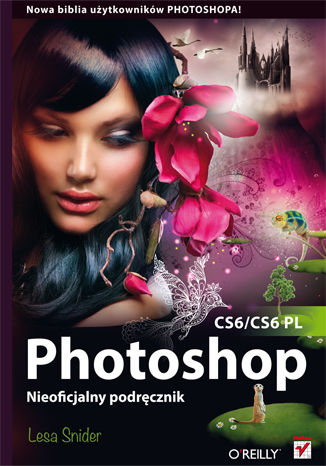
Photoshop CS6/CS6 PL. Nieoficjalny podręcznik
Lesa Snider
Nowa biblia użytkowników Photoshopa! Adobe Photoshop to niedościgniony lider wśród programów do obróbki grafiki rastrowej. Jego najnowsza wersja - oznaczona symbolem CS6 - ujrzała światło dzienne i znowu zaskoczyła użytkowników. Genialny, niepowtarzalny i wyjątkowo użyteczny interfejs użytkownika, ogrom możliwości, świetna dokumentacja oraz doskonała integracja z innymi narzędziami firmy Adobe - to wszystko składa się na ukochane narzędzie wszystkich profesjonalistów. Oddajemy w Twoje ręce kolejną książkę z serii „Nieoficjalny podręcznik”. Książkę, o której sam Scott Kelby pisze: „Moim zdaniem jest to nowa biblia dla użytkowników Photoshopa”. Co w niej znajdziesz? Niezwykle przystępnie opisane techniki pracy z programem. Nawigacja w gąszczu plików, zaznaczanie obszarów, korygowanie kolorów, kadrowanie, skalowanie i obracanie to tylko część umiejętności, które już wkrótce opanujesz. Ponadto poznasz wręcz magiczne narzędzia do manipulowania obiektami na zdjęciu, sposoby rysowania obiektów wektorowych oraz zasady przygotowywania grafiki do druku. Książka ta jest obowiązkową lekturą dla każdego użytkownika Photoshopa CS6 - zarówno amatora, jak i profesjonalisty. Sprawdź, jak wykorzystać Adobe Photoshop do: zaawansowanego retuszu zdjęć przygotowywania grafik na potrzeby stron WWW łączenia obrazów tworzenia grafik HDR Sprawdź możliwości najnowszej wersji Photoshopa CS6!