
Informatyka
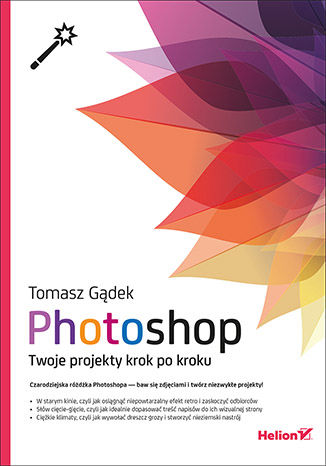
Photoshop. Twoje projekty krok po kroku
Tomasz Gądek
Czarodziejska różdżka Photoshopa — baw się zdjęciami i twórz niezwykłe projekty! W starym kinie, czyli jak osiągnąć niepowtarzalny efekt retro i zaskoczyć odbiorców Słów cięcie-gięcie, czyli jak idealnie dopasować treść napisów do ich wizualnej strony Ciężkie klimaty, czyli jak wywołać dreszcz grozy i stworzyć nieziemski nastrój W Photoshopie możesz zrobić ze zdjęciem dosłownie wszystko. Możesz je skręcić i zwinąć, zmienić mu kolory, nadać ostrość lub rozmyć, dokleić lub wyciąć dowolny kawałek. Możesz zmienić tło, fakturę i kontrast, wywołać wrażenie głębi lub spłaszczyć. Możesz nawet zmienić porę dnia. Pytanie tylko, czy potrafisz to wszystko zrobić — i to zrobić tak, by efekt końcowy zachwycał? Jeśli masz wątpliwości co do swoich umiejętności i chcesz się podszkolić albo wkurza Cię, że nie wiesz, od czego zacząć korektę — lub szaloną zmianę — Twoich fotografii, ta książka na pewno Cię uszczęśliwi. Tomasz Gądek, znany eksperymentator i entuzjasta Photoshopa, zamieścił w niej mnóstwo ciekawych, odlotowych projektów i pokazał, jak nabierały one kształtów. Znajdziesz tu przepis na wizytówki, logo, plakaty i okładki. Zobaczysz, jak zwykłe zdjęcie może zmieniać charakter w zależności od Twoich działań. Tylko od Ciebie będzie zależało, czy stanie się pocztówką z wakacji, nostalgiczną fotografią sprzed lat czy kadrem z gotyckiego horroru. Odkryj, jak w praktyce używać tych wszystkich tajemniczych filtrów, przestrzeni kolorów, warstw, przycięć i faktur, a Twoje fotografie już nigdy nie będą nudne! Wizytówki — zegarmistrz, sumo, korzenie i wojsko Logo — Bear, Wood W starym stylu — ludowa zakładka, stare miasto, pin-up girl i okładka książki Komercyjne zastosowanie projektów — reklama, okładka katalogu i pisma Napisy — Gold, Steel, Guitar, Enemy i napisy na twarzy Tło i faktura — tło na pulpit, efekt stali i drewna Zdjęcia z wakacji — pocztówka i efekt zwiększenia kontrastu Plakaty — Unplugged, Fight For Freedom, styl vintage, reklama zegarka W mrocznym stylu — projekty Ghost, Mexican Skull, efekt drewna w stylu Tima Burtona Ujarzmij Photoshopa i wymknij się szablonom!
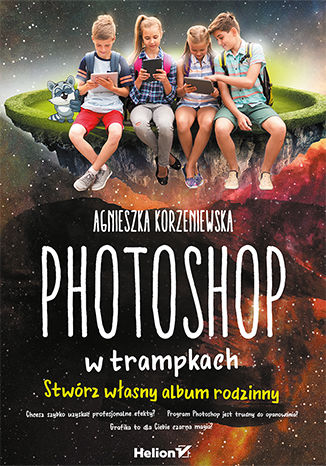
Photoshop w trampkach. Stwórz własny album rodzinny
Agnieszka Korzeniewska
Książka odpowiednia dla dzieci od lat 10. Grafika to dla Ciebie wielkie wyzwanie? Program Photoshop jest trudny do opanowania? Chcesz szybko uzyskać profesjonalne efekty? Zostań czarodziejem Photoshopa i stwórz własny album! Jesteś młodym użytkownikiem Photoshopa? Przekonaj się, jak łatwo możesz zacząć zabawę z grafiką. Dzięki tej książce krok po kroku nie tylko nauczysz się korzystać z najpopularniejszego na świecie programu do obróbki zdjęć, lecz także poznasz triki wykorzystywane przez profesjonalnych grafików komputerowych! Proste, praktyczne wskazówki pozwolą Ci opanować Photoshopa od podstaw w krótkim czasie. Podejmij wyzwanie i zaprojektuj z nami swój pierwszy autorski album rodzinny! Z tą książką poznasz narzędzia Photoshopa i nauczysz się ich używać. Dowiesz się, jak retuszować zdjęcia, posługiwać się warstwami oraz tworzyć i przekształcać trójwymiarowe obiekty. Co więcej, będziesz umiał stworzyć najdziwniejsze kolaże i grafiki, jakie przyjdą Ci do głowy! Interfejs programu Photoshop Przegląd najważniejszych narzędzi Sposoby zmiany kolorów Wycinanie i kopiowanie obiektów Tworzenie kolaży i używanie efektów Korzystanie z filtrów Tworzenie i używanie obiektów 3D Drukowanie efektów pracy Zdobądź umiejętności profesjonalnego grafika!
Martin Brampton
If you want an insight into the critical design issues and programming techniques required for a web oriented framework in PHP5, this book will be invaluable. Whether you want to build your own CMS style framework, want to understand how such frameworks are created, or simply want to review advanced PHP5 software development techniques, this book is for you.As a former development team leader on the renowned Mambo open-source content management system, author Martin Brampton offers unique insight and practical guidance into the problem of building an architecture for a web oriented framework or content management system, using the latest versions of popular web scripting language PHP.The scene-setting first chapter describes the evolution of PHP frameworks designed to support web sites by acting as content management systems. It reviews the critical and desirable features of such systems, followed by an overview of the technology and a review of the technical environment.Following chapters look at particular topics, with:‚Ģ A concise statement of the problem ‚Ģ Discussion of the important design issues and problems faced ‚Ģ Creation of the framework solutionAt every point, there is an emphasis on effectiveness, efficiency and security ‚Äì all vital attributes for sound web systems. By and large these are achieved through thoughtful design and careful implementation.Early chapters look at the best ways to handle some fundamental issues such as the automatic loading of code modules and interfaces to database systems. Digging deeper into the problems that are driven by web requirements, following chapters go deeply into session handling, caches, and access control.New for this edition is a chapter discussing the transformation of URLs to turn ugly query strings into readable strings that are believed to be more ‚Äúsearch engine friendly‚Äù and are certainly more user friendly. This topic is then extended into a review of ways to handle ‚Äúfriendly‚Äù URLs without going through query strings, and how to build RESTful interfaces.The final chapter discusses the key issues that affect a wide range of specific content handlers and explores a practical example in detail.
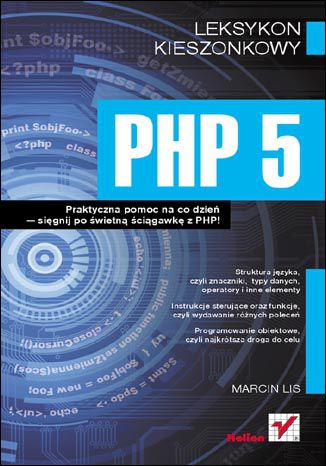
Marcin Lis
Praktyczna pomoc na co dzień — sięgnij po świetną ściągawkę z PHP! Struktura języka, czyli znaczniki, typy danych, operatory i inne elementy Instrukcje sterujące oraz funkcje, czyli wydawanie różnych poleceń Programowanie obiektowe, czyli najkrótsza droga do celu Język skryptowy PHP od lat wciąż na nowo udowadnia swoją elastyczność i niezawodność. Wykorzystywany do tworzenia dynamicznych serwisów internetowych, a także samodzielnych aplikacji, szczególnie dobrze sprawdza się wtedy, gdy chcemy zapewnić możliwość współdziałania naszej witryny z różnymi formatami danych oraz skomplikowanymi bazami. Ponadto jego opanowanie nie nastręcza wielu trudności, a efekty pracy nawet początkujących webmasterów bywają wręcz spektakularne. Jeśli masz już za sobą pierwsze kroki w dziedzinie programowania w PHP5, w codziennej pracy z pewnością przyda Ci się poręczna ściąga, w której zawarto najważniejsze informacje i sposoby wykonywania podstawowych zadań programistycznych. Właśnie trzymasz ją w ręku! "PHP5. Leksykon kieszonkowy" powstał po to, by ułatwić Ci szybkie przypomnienie sobie wybranych zagadnień związanych z tą tematyką. Znajdziesz tu informacje o instalacji oraz konfiguracji środowiska w systemach Linux i Windows, strukturze języka, instrukcjach sterujących czy funkcjach. Przeczytasz o operacjach na danych, a także o obsłudze ciągu znaków daty i czasu. Przypomnisz sobie, jak używać tablic, współpracować z serwerem i przeglądarką, obsługiwać wyjątki. W leksykonie odszukasz także wiadomości dotyczące systemu plików i programowania obiektowego. Wszystko to wydatnie skróci Twoją pracę i pomoże Ci uniknąć wielu potencjalnych błędów. Instalacja i konfiguracja Struktura języka Instrukcje sterujące Funkcje Operacje na danych i obsługa ciągu znaków Tablice Obsługa daty i czasu Współpraca z serwerem i przeglądarką Programowanie obiektowe Wyjątki Obsługa systemu plików Dobra podpowiedź zawsze pod ręką!
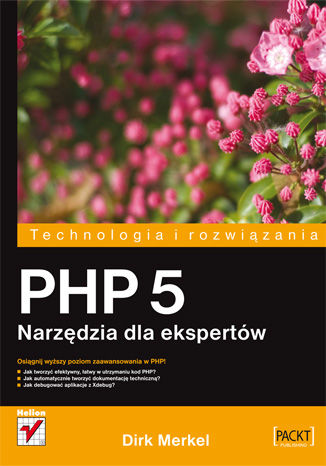
PHP 5. Narzędzia dla ekspertów
Dirk Merkel
Osiągnij wyższy poziom zaawansowania w PHP! Jak tworzyć efektywny, łatwy w utrzymaniu kod PHP? Jak automatycznie tworzyć dokumentację techniczną? Jak debugować aplikację z Xdebug? Język PHP to ulubione środowisko wielu programistów tworzących aplikacje i strony internetowe. Jego wykorzystanie pozwala na błyskawiczne osiągnięcie efektów, a nauka nie przysparza trudności. Trudno wskazać moment, w którym PHP zdobył tak ogromną popularność. Chwilami można odnieść wrażenie, jakby w sieci był obecny od zawsze. Piąta wersja tego języka zawiera wszystko to, co powinien posiadać nowoczesny język programowania — możliwość programowania obiektowego, wsparcie dla formatu XML oraz rozbudowane mechanizmy wejścia-wyjścia. PHP 5 może z powodzeniem konkurować z "dużymi" rozwiązaniami, dostępnymi od lat na rynku aplikacji internetowych. Niniejsza książka to pozycja przeznaczona dla programistów, którzy znają już podstawy tego języka. To unikalny podręcznik, dzięki któremu nauczysz się tworzyć efektywny, profesjonalny i łatwy w utrzymaniu kod. W trakcie lektury zdobędziesz wiedzę na temat systemów kontroli wersji, testów jednostkowych, szkieletów aplikacji oraz narzędzi wspomagających proces debugowania. Ponadto dowiesz się, w jaki sposób tworzyć dokumentację z wykorzystaniem phpDocumentor, jak wybrać najlepszy szkielet aplikacji oraz wdrożyć aplikację w środowisku produkcyjnym. Dzięki tej książce osiągniesz wyższy poziom zaawansowania w programowaniu w języku PHP! Standardy pisania kodu PHP Opracowywanie własnych standardów Przygotowanie profesjonalnego środowiska programistycznego Dokumentowanie kodu za pomocą phpDocumentor Zarządzanie kodem źródłowym i jego wersjami Debugowanie aplikacji Szkielety aplikacji PHP Testy jednostkowe — tworzenie niezawodnego kodu Wdrażanie aplikacji Projektowanie aplikacji z wykorzystaniem UML Proces ciągłej integracji Ta książka pomoże Ci stać się lepszym programistą!
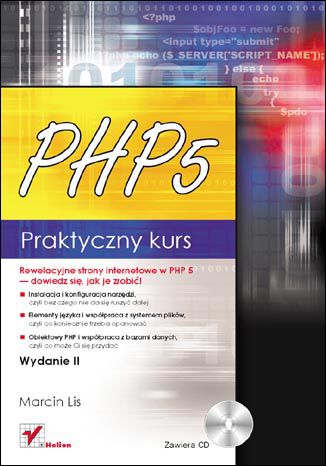
PHP 5. Praktyczny kurs. Wydanie II
Marcin Lis
Rewelacyjne strony internetowe w PHP 5 — dowiedz się, jak je zrobić! Instalacja i konfiguracja narzędzi, czyli bez czego nie da się ruszyć dalej Elementy języka i współpraca z systemem plików, czyli co koniecznie trzeba opanować Obiektowy PHP i współpraca z bazami danych, czyli co może Ci się przydać Znajomość języka skryptowego PHP, szczególnie w wersji PHP 5, to w dzisiejszych czasach standard, bez którego nie może się obyć żaden szanujący się twórca stron internetowych. Środowisko PHP 5 pozwala tworzyć dynamiczne witryny, efektywnie komunikujące się z bazami danych. Zapewnia też możliwość współpracy Twojej strony z różnymi rodzajami danych, a ponadto nadaje się do tworzenia samodzielnie działających aplikacji. Jeśli marzy Ci się kariera webmastera, a nie masz jeszcze odpowiednich umiejętności w tej dziedzinie lub chcesz odświeżyć wiedzę, ta książka umożliwi Ci szybkie wejście na grunt praktycznego zastosowania możliwości języka PHP w Twoich własnych projektach. W podręczniku "PHP 5. Praktyczny kurs. Wydanie II" znajdziesz kompletne informacje o podstawach PHP — od kwestii związanych z nazewnictwem, instalacją i konfiguracją niezbędnych narzędzi, przez omówienie zasad budowy skryptów, aż po programowanie obiektowe i obsługę sieci. Dowiesz się, jak uruchomić działającą (i atrakcyjną) witrynę internetową, jak wykorzystać możliwości grafiki i o czym należy pamiętać, aby uniknąć kłopotów z wyświetlaniem witryny w przeglądarce. Nauczysz się obsługiwać protokoły sieciowe i zrozumiesz, na czym polega obsługa sesji. Sprawdź, jak wiele możesz osiągnąć, programując w PHP! Instalacja i konfiguracja narzędzi Pierwszy skrypt Zmienne, typy danych i operatory Instrukcje sterujące i funkcje Obsługa daty i czasu, ciągi znaków, tablice Operacje na strukturze systemu plików Operacje na plikach i praktyczne wykorzystanie plików Odbieranie danych z przeglądarki Wysyłanie danych do przeglądarki Obsługa cookies, sesje i wyjątki Programowanie obiektowe Obsługa grafiki Połączenia sieciowe, poczta i FTP PHP i popularne bazy danych Obiektowa współpraca z MySQL i SQLite Bazy danych w praktyce PHP 5 — po prostu musisz to znać!
PHP 7 Data Structures and Algorithms. Implement linked lists, stacks, and queues using PHP
Mizanur Rahman
PHP has always been the the go-to language for web based application development, but there are materials and resources you can refer to to see how it works. Data structures and algorithms help you to code and execute them effectively, cutting down on processing time significantly.If you want to explore data structures and algorithms in a practical way with real-life projects, then this book is for you.The book begins by introducing you to data structures and algorithms and how to solve a problem from beginning to end using them. Once you are well aware of the basics, it covers the core aspects like arrays, listed lists, stacks and queues. It will take you through several methods of finding efficient algorithms and show you which ones you should implement in each scenario. In addition to this, you will explore the possibilities of functional data structures using PHP and go through advanced algorithms and graphs as well as dynamic programming. By the end, you will be confident enough to tackle both basic and advanced data structures, understand how they work, and know when to use them in your day-to-day work
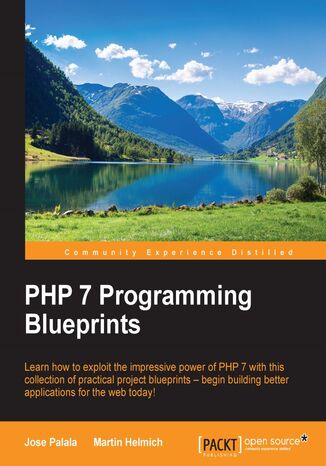
PHP 7 Programming Blueprints. Rethink PHP
Jose Palala, Martin Helmich
When it comes to modern web development, performance is everything. The latest version of PHP has been improvised and updated to make it easier to build for performance, improved engine execution, better memory usage, and a new and extended set of tools. If you’re a web developer, what’s not to love? This guide will show you how to make full use of PHP 7 with a range of practical projects that will not only teach you the principles, but also show you how to put them into practice. It will push and extend your skills, helping you to become a more confident and fluent PHP developer.You’ll find out how to build a social newsletter service, a simple blog with a search capability using Elasticsearch, as well as a chat application. We’ll also show you how to create a RESTful web service, a database class to manage a shopping cart on an e-commerce site and how to build an asynchronous microservice architecture. With further guidance on using reactive extensions in PHP, we’re sure that you’ll find everything you need to take full advantage of PHP 7. So dive in now!