
Informatyka
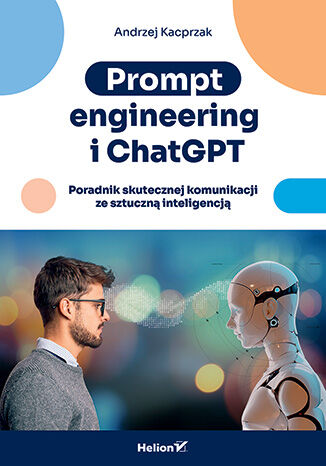
Prompt engineering i ChatGPT. Poradnik skutecznej komunikacji ze sztuczną inteligencją
Andrzej Kacprzak
Twój przewodnik po świecie prompt engineeringu Wszystkie znaki na niebie i ziemi wskazują wyraźnie: wkraczamy w erę, w której sztuczna inteligencja (SI) będzie wszechobecna. Wygra na tym ten, kto szybciej nauczy się z nią skutecznie porozumiewać. Nie czekaj zatem i już dziś opanuj sztukę tworzenia precyzyjnych i trafnych promptów, czyli instrukcji dla modeli językowych, takich jak ChatGPT. Autor z zapałem dzieli się swoją fascynacją sztuczną inteligencją i prezentuje praktyczne metody jej zastosowania w różnych obszarach. Korzystając z własnego doświadczenia inżynierskiego, w przystępny sposób wyjaśnia zasady prompt engineeringu, pozwalające optymalnie formułować "podpowiedzi" dla SI. Pracując z tym praktycznym przewodnikiem, nauczysz się między innymi: Efektywnie komunikować się z SI Budować prompty, które przynoszą oczekiwane rezultaty Korzystać z prostych, a także bardziej zaawansowanych strategii i technik prompt engineeringu Zaprzęgać ChatGPT do rozwiązywania problemów z różnych dziedzin życia zarówno prywatnego, jak i zawodowego Odkryj fascynujący świat sztucznej inteligencji i poznaj możliwości, jakie otwiera przed Tobą dobrze skonstruowany prompt.
Prompt engineering. Projektowanie aplikacji z wykorzystaniem LLM
John Berryman, Albert Ziegler
Duże modele językowe (ang. large language models) są fundamentem istnienia wielu nowoczesnych aplikacji. LLM mogą realizować szeroki zakres zadań i służą do rozwiązywania złożonych problemów. Jednak projektowanie niezawodnych rozwiązań z wykorzystaniem modeli wymaga opanowania zupełnie nowych kompetencji. Dowiedz się, na czym polega skuteczne komunikowanie się z modelami LLM i w jaki sposób przekuwać śmiałe pomysły w działające aplikacje. Poznaj filozofię działania modeli i kluczowe techniki inżynierii promptów: od pozyskiwania i oceny kontekstu, przez konstruowanie efektywnych promptów, aż po tworzenie szablonów gwarantujących wysoką jakość odpowiedzi. W książce znajdziesz także opis bardziej zaawansowanych technik, takich jak konstruowanie pętli, potoków i przepływów pracy czy budowa agentów konwersacyjnych. Poznasz też metody oceniania modeli LLM. A ponadto: zrozumiesz architekturę modeli LLM i nauczysz się je stosować zaprojektujesz przemyślaną strategię tworzenia promptów nauczysz się budować kontekst i przekształcać go w skuteczne zapytania opanujesz najlepsze praktyki w tworzeniu aplikacji opartych na LLM Styl autorów sprawia, że tematyka promptów staje się dostępna dla każdego! Hamel Husain, niezależny badacz i konsultant
Prompt Engineering Using ChatGPT. Crafting Effective Interactions and Building GPT Apps
Mercury Learning and Information, Mehrzad Tabatabaian
This book is designed for mastering prompt engineering in artificial intelligence, focusing on ChatGPT, GPT-4, and GPT plug-ins. It explores fundamental principles, practical techniques, and real-world applications. Readers will learn the role of prompts in AI interactions, the anatomy of well-constructed prompts, and various prompt styles. The book also covers setting constraints to guide AI responses and ensure ethical interactions, making it ideal for both beginners and advanced users.The journey begins with the foundations of prompts and crafting contextual prompts. It progresses to asking specific questions, providing constraints, and creating diverse content prompts. Advanced chapters cover debugging, iterating prompts, and using GPT-4 with plug-ins. The book concludes with real-world applications, future trends, and ethical considerations, ensuring a comprehensive understanding of prompt engineering.Understanding these concepts is crucial for effective AI interactions. This book transitions readers from basic to advanced prompt engineering, blending theoretical knowledge with practical skills. It is an essential resource for mastering prompt engineering and building innovative GPT applications.
Prosta matematyka. Licz sprytnie
Piotr Kosowicz
Matematyka jest… prosta! Wielu uczniom ― ale także ich skazanym na opłacanie kosztownych korepetycji rodzicom ― matematyka kojarzy się jak najgorzej. Nie każdy nauczyciel bowiem potrafi przekazać swoją pasję do tego przedmiotu w taki sposób, by zainspirować młodego człowieka. Nie każdy też umie wytłumaczyć (pozornie) skomplikowane reguły algebraiczne i nauczyć trików pozwalających liczyć prościej, sprytniej i zupełnie bez problemów. Prosta matematyka. Licz sprytnie to zestaw 21 spotkań, dzięki którym nawet uczeń niedarzący sympatią królowej nauk szybko opanuje łatwe, często odkrywcze sposoby rachowania. W rezultacie liczby i dokonywane na nich operacje przestaną być dla niego groźną tajemnicą. Przemyślany układ treści pozwala na przyswajanie zebranych tu wiadomości we własnym tempie i w dowolnej kolejności. Proponowane zadania można rozwiązywać wybiórczo, ale najlepiej zmierzyć się z każdym! Uwaga! Zeszyt ćwiczeń jest przeznaczony dla uczniów szkoły podstawowej.
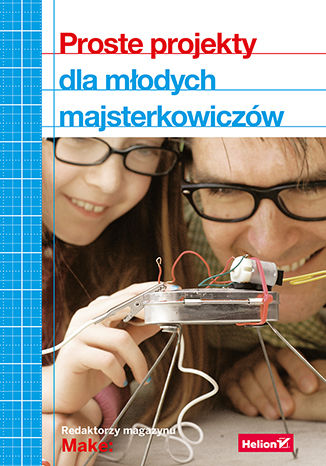
Proste projekty dla młodych majsterkowiczów
The Editors of Make
Majsterkowanie jest świetnym sposobem na nudę, a przy tym doskonale stymuluje kreatywność i sprawia, że trudne i niezrozumiałe dziedziny, takie jak fizyka, elektronika czy matematyka nagle stają się praktyczne, potrzebne i interesujące. Własnoręczne wykonanie zaskakujących, ale i przydatnych przedmiotów z materiałów, które najczęściej są w zasięgu ręki, przynosi także sporo satysfakcji, a przy tym wszystkim jest świetną, inspirującą i pochłaniającą zabawą. Trzymasz w dłoni niezwykłą książkę: zbiór kilkudziesięciu przeróżnych projektów opracowanych przez przeróżnych ludzi. Wszystkie są bardzo proste do wykonania i doskonale nadają się do wspólnej pracy rodziców i dzieci lub dla młodych majsterkowiczów. Dowiesz się, jak wykonać pomysłowe zabawki, gry, a także konstrukcje mechaniczne czy obwody elektroniczne, które potem będzie można wykorzystać do różnych rzeczy. W realizacji większości projektów okażą się przydatne przedmioty i materiały znajdujące się w każdym gospodarstwie domowym. Zabawa ta może mieć jednak skutek uboczny: nagłe zainteresowanie naukami ścisłymi! Zrób to sam, ze swoim dzieckiem, kumplem lub rodzicem: zdalnie sterowany statyw do kamery, bumerang, rakieta wysokociśnieniowa, silnik cieplny, lampion aktywowany wiatrem, wiele, wiele innych! Zainspiruj się, zafascynuj, pokaż, co potrafisz! Autorami książki są ludzie, którzy publikowali swoje projekty na łamach magazynu „Make:”. Są to nauczyciele, pisarze, rodzice, reporterzy, artyści, matematycy, wykładowcy akademiccy. Z kolei „Make:” jest dwumiesięcznikiem ukazującym się w USA, poświęconym projektom do samodzielnego wykonania z wykorzystaniem wiedzy z obrębu takich dziedzin, jak elektronika, robotyka, obróbka metali i drewna. „Make:” jest uznawany za „centralny organ majsterkowiczów”.
Prosto o AI. Jak działa i myśli sztuczna inteligencja?
Robert Trypuz
Książka Prosto o AI. Jak działa i myśli sztuczna inteligencja? Roberta Trypuza zdobyła III Nagrodę w konkursie na Najlepszą Polską Książkę Informatyczną 2025r. organizowanym przez Polskie Towarzystwo Informatyczne. Wszystko, co chcesz wiedzieć o AI i czego dotąd nikt nie był w stanie Ci (prosto) wyjaśnić Sztuczna inteligencja jest na ustach wszystkich. Odkąd pojawił się ChatGPT, newsy ze świata informatyki trafiają na pierwsze strony gazet, pojawiają się w serwisach informacyjnych, programach radiowych i telewizyjnych. Na temat AI dyskutują już nie tylko programiści, ale także fizycy, filozofowie i specjaliści zajmujący się rynkiem pracy. Wojskowi i naukowcy odkrywają dla niej kolejne zastosowania w swoich dziedzinach, futurolodzy zaś na zmianę straszą wizjami rodem z Terminatora i Czarnego lustra i uspokajają, że to wszystko dla naszego dobra, a sztuczna inteligencja pozostaje przecież pod ludzką kontrolą. W tym nowym, wspaniałym świecie, w którym każdy ma na temat AI swoje zdanie, opinie te są często sprzeczne, a ich uzasadnienia niezrozumiałe dla większości z nas, łatwo się pogubić. Jak się odnaleźć? Chcemy, by Twoim przewodnikiem po świecie sztucznej inteligencji stała się ta książka. Napisana prostym, przystępnym językiem przez informatyka i filozofa w jednej osobie, przybliży Ci najważniejsze zagadnienia związane z AI: Czym jest AI i jak się buduje sztuczną inteligencję, w tym ChatGPT Na jakich zasadach funkcjonują duże modele językowe W jaki sposób AI odczytuje tekst, a jak rozpoznaje obiekty na zdjęciu Czy sztuczna inteligencja może mieć wolną wolę Jakie znaczenie AI będzie miała dla edukacji O książce w mediach: Bać się, czy oswajać? „Prosto o AI”. Rozmowa z Robertem Trypuzem [Radio WNET] Eksperyment Myślowy - recenzja książki Kopalnia Wiedzy - recenzja książki Pozwól, że wyjaśnię - recenzja książki
Protocol Buffers Handbook. Getting deeper into Protobuf internals and its usage
Clément Jean
Explore how Protocol Buffers (Protobuf) serialize structured data and provides a language-neutral, platform-neutral, and extensible solution. With this guide to mastering Protobuf, you'll build your skills to effectively serialize, transmit, and manage data across diverse platforms and languages.This book will help you enter the world of Protocol Buffers by unraveling the intricate nuances of Protobuf syntax and showing you how to define complex data structures. As you progress, you’ll learn schema evolution, ensuring seamless compatibility as your projects evolve. The book also covers advanced topics such as custom options and plugins, allowing you to tailor validation processes to your specific requirements. You’ll understand how to automate project builds using cutting-edge tools such as Buf and Bazel, streamlining your development workflow. With hands-on projects in Go and Python programming, you’ll learn how to practically apply Protobuf concepts. Later chapters will show you how to integrate data interchange capabilities across different programming languages, enabling efficient collaboration and system interoperability.By the end of this book, you’ll have a solid understanding of Protobuf internals, enabling you to discern when and how to use and redefine your approach to data serialization.
Wasim Ahmed
Proxmox VE's intuitive interface, high availability, and unique central management system puts it on par with the world’s best virtualization platforms. Its simplicity and high quality of service is what makes it the foremost choice for most system administrators.Starting with a step-by-step installation of Proxmox nodes along with an illustrated tour of Proxmox graphical user interface where you will spend most of your time managing a cluster, this book will get you up and running with the mechanisms of Proxmox VE. Various entities such as Cluster, Storage, and Firewall are also covered in an easy to understand format. You will then explore various backup solutions and restore mechanisms, thus learning to keep your applications and servers safe. Next, you will see how to upgrade a Proxmox node with a new release and apply update patches through GUI or CLI. Monitoring resources and virtual machines is required on an enterprise level, to maintain performance and uptime; to achieve this, we learn how to monitor host machine resources and troubleshoot common issues in the setup. Finally, we will walk through some advanced configurations for VM followed by a list of commands used for Proxmox and Ceph cluster through CLI.With this focused and detailed guide you will learn to work your way around with Proxmox VE quickly and add to your skillset.