
Informatyka
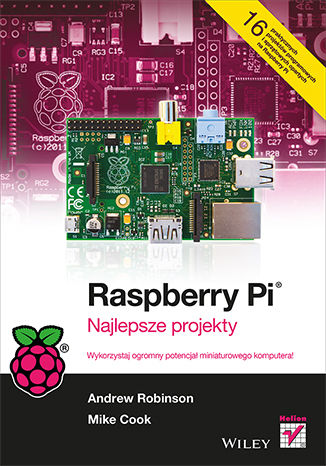
Raspberry Pi. Najlepsze projekty
Andrew Robinson, Mike Cook
Wykorzystaj ogromny potencjał miniaturowego komputera! Raspberry Pi to prawdziwy komputer o rozmiarach lekko przerośniętej karty kredytowej. Posiada on ogromny potencjał, całkiem sporą moc obliczeniową, a do tego kosztuje naprawdę niewiele. Platforma ta była projektowana z myślą o nauce programowania dla dzieci. Jednak, jak to często bywa, historia potoczyła się zupełnie inaczej. Obecnie Raspberry Pi znajduje zastosowanie jako serwer WWW, odtwarzacz filmów lub sterownik urządzeń. Masz dobry pomysł, żeby wykorzystać Pi w projekcie? A może jeszcze nie wiesz, co chciałbyś zrobić z Raspberry Pi? Ta książka rozwieje wszystkie Twoje wątpliwości i podsunie pomysły na atrakcyjne projekty. W trakcie lektury poznasz budowę Raspberry Pi oraz dowiesz się, jak go podłączyć i uruchomić system Linux. W kolejnych rozdziałach przygotujesz grę kółko i krzyżyk oraz stworzysz własny teleprompter. Jeżeli potrzebny Ci jest elektroniczny zegar do pomiaru czasu reakcji lub marzy Ci się twittująca zabawka, to trzymasz w ręku właściwą książkę! Jeżeli pragniesz zamieszkać w inteligentnym domu za rozsądne pieniądze — zainteresuje Cię rozdział poświęcony jego automatyzacji. Sprawdź, jakie to proste! Jest to obowiązkowa lektura dla wszystkich pasjonatów, chcących wycisnąć z Raspberry Pi siódme poty! Sięgnij po tę książkę i: poznaj budowę i podstawy korzystania z Raspberry Pi wygeneruj labirynt w Minecraft zbuduj światła dyskotekowe przygotuj własny czujnik ruchu zrealizuj swoje elektroniczne marzenia Zbiór najlepszych projektów dla Pi!
Daniel Leonard Bates
This tutorial contains all-important information about how to use your Raspberry Pi to develop any application you like. It is broken down into several action-packed projects, each containing easy-to-follow steps, just to show you how easy and fun computer programming can be! If you are someone with a big imagination and would like to dive straight into the realm of technology and computers, then this is the book for you. With only a Raspberry Pi and no prior experience required, you will be shown how to translate your ideas into computer programs, creating any game, tool, or animation you can dream of.
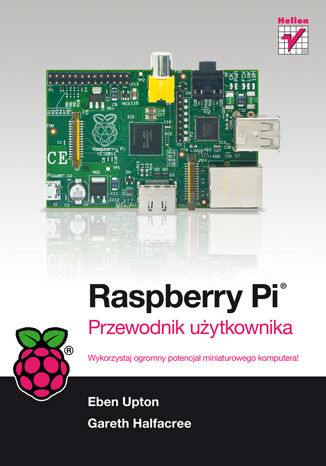
Raspberry Pi. Przewodnik użytkownika
Gareth Halfacree, Eben Upton
Wykorzystaj ogromny potencjał miniaturowego komputera! Prawdziwy komputer wielkości lekko przerośniętej karty kredytowej - czy to możliwe? Oczywiście! Do tego kosztuje on naprawdę niewiele. Początkowo miał służyć dzieciom do nauki programowania, jednak jego możliwości rozrosły się błyskawicznie. W tej chwili Raspberry Pi wykorzystywany jest często jako platforma do odtwarzania filmów, serwer WWW lub sterownik urządzeń. Masz już na niego jakiś własny pomysł? Recenzja książki na Forbot.pl >> Ta książka to instrukcja użytkownika. Dzięki niej poznasz wszystkie tajniki pracy z platformą Raspberry Pi. Na samym początku nauczysz się rozróżniać architekturę x86 i ARM oraz poznasz zalety systemu Linux, pod którym działa Raspberry Pi. Jak na porządną instrukcję przystało, poznasz każdy aspekt pracy z tym urządzeniem. Najpierw poczytasz o podłączaniu klawiatury i myszy, a pod koniec trafisz na tematy związane z zarządzaniem systemem operacyjnym Linux. Ponadto dowiesz się, jak przygotować to urządzenie do pracy w systemach produkcyjnych, pisać programy w językach Scratch i Python oraz sterować innymi urządzeniami. Raspberry Pi to gwarancja dobrej zabawy dla każdego pasjonata informatyki. Przekonaj się sam! Raspberry Pi to: interesujący i tani komputer platforma pozwalająca zrealizować różne projekty sterownik dla innych urządzeń świetna zabawa Kompletne źródło informacji o Raspberry Pi!
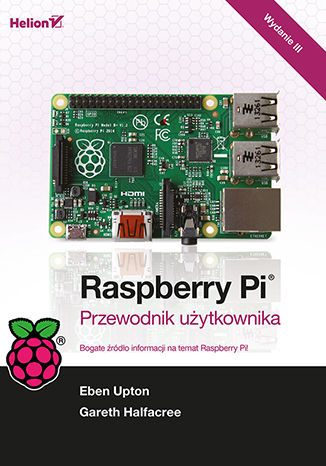
Raspberry Pi. Przewodnik użytkownika. Wydanie III
Eben Upton, Gareth Halfacree
Bogate źródło informacji na temat Raspberry Pi! Raspberry Pi to komputer wielkości karty kredytowej. Wśród jego głównych atutów można wymienić ogrom możliwości oraz niską cenę. Początkowo miał pełnić rolę platformy do nauki programowania, jednak szybko znalazł tysiące innych zastosowań! Raspberry Pi jest używany jako serwer WWW, domowe media center, sterownik urządzeń lub baza do zaawansowanych projektów elektronicznych. Jaki Ty masz pomysł na jego zastosowanie? Ta książka to kolejne wydanie instrukcji użytkownika, dzięki której poznasz tajniki pracy z platformą Raspberry Pi. Została wzbogacona i zaktualizowana o informacje o najnowszej wersji Pi, oznaczonej symbolem B+. Nowa wersja to jeszcze większa moc oraz ciekawe możliwości. Sięgnij po tę książkę i przekonaj się, czym charakteryzuje się architektura ARM oraz jak przygotować Pi do pracy. Naucz się pracować z systemem Linux, a także tworzyć programy i skrypty między innymi za pomocą języka Python. Dowiedz się, jak zbudować centrum multimedialne na podstawie platformy Raspberry Pi oraz jak podłączyć do Pi dodatkowe urządzenia. Książka ta jest obowiązkową lekturą dla wszystkich osób zafascynowanych możliwościami Raspberry Pi. Dzięki tej książce: poznasz historię platformy oraz jej możliwości dowiesz się, jak podłączyć do Pi zewnętrzne urządzenia wykorzystasz złącza GPIO zbudujesz centrum multimedialne z Pi na czele wykorzystasz w pełni możliwości tej niesamowitej platformy Kompletne źródło informacji o Raspberry Pi!
Simon Monk
Wyobraź sobie komputer o rozmiarach niewiele większych od karty kredytowej, posiadający całkiem sporą moc obliczeniową, pracujący pod kontrolą systemu Linux i kosztujący grosze. Tak, taki sprzęt istnieje naprawdę! Mowa o Raspberry Pi — urządzeniu zaprojektowanym z myślą o nauce programowania dla dzieci, które sprawdziło się w wielu zastosowaniach i odniosło ogromny sukces na rynku komercyjnym jako serwer WWW, odtwarzacz filmów oraz platforma do budowy niezwykłych projektów elektronicznych. Brzmi intrygująco? Otwórz tę książkę i poznaj najlepsze przepisy na wykorzystanie możliwości Raspberry Pi. Stąd dowiesz się wszystkiego o budowie i możliwościach tego urządzenia. Po lekturze kolejnych rozdziałów podłączysz Pi do sieci — zarówno kablowej, jak i bezprzewodowej, oraz wykorzystasz złącza GPIO. Ponadto poznasz podstawy języka Python i zobaczysz, jak zastosować go w Pi. Po lekturze tej książki będziesz umiał samodzielnie sterować sprzętem elektronicznym i silnikami oraz zbierać dane z czujników różnego typu. Książka ta jest obowiązkową pozycją dla każdego posiadacza tej niezwykłej platformy! Dzięki tej książce: rozpoczniesz pracę z Raspberry Pi, podłączysz Raspberry Pi do sieci, będziesz pracował w środowisku opartym na systemie Linux, skorzystasz z gotowych aplikacji przeznaczonych dla Raspberry Pi, będziesz sterował pracą elektroniki podłączonej do złącza GPIO, poznasz zagadnienia dotyczące sterowania za pomocą Raspberry Pi pracą różnych silników, rozpoczniesz pracę z przełącznikami, blokami klawiszy i innymi cyfrowymi urządzeniami wejściowymi, wykonasz różne pomiary za pomocą czujników podłączonych do Raspberry Pi, podłączysz do Raspberry Pi różne wyświetlacze — między innymi matryce diodowe, stworzysz dynamiczne projekty korzystające z możliwości Arduino i Raspberry Pi. Twój przewodnik po platformie Raspberry Pi!
Raspberry Pi. Receptury. Wydanie III
Simon Monk
Raspberry Pi sukcesywnie zdobywa coraz więcej użytkowników. Dla niektórych jest to sposób na realizację życiowych pasji, dla innych - praktyczny, tani komputer, który może pracować pod kontrolą Linuksa i pełnić funkcję platformy obsługującej przeróżne urządzenia elektroniczne. Skupiona wokół Raspberry Pi społeczność nieprzerwanie tworzy nowe oprogramowanie oraz płytki interfejsów. To wszystko sprawia, że możliwości Raspberry stale rosną. Pojawiające się technologie przy odrobinie kreatywności mogą łatwo przeobrazić się w praktyczne i niedrogie, a przy tym zdecydowanie innowacyjne i nowoczesne rozwiązania. To zaktualizowane wydanie znakomitego zbioru receptur ułatwiających wykorzystanie potencjału Raspberry Pi. Uwzględniono tu nowe modele tego komputera, a także zmiany i ulepszenia systemu operacyjnego Raspbian. Dodano rozdziały traktujące o dźwięku i automatyce domowej. Te receptury bez trudu wykorzystasz dla zwiększenia wygody we własnym domu. Dzięki lekturze poznasz podstawowe reguły tej technologii, aby łatwiej zrozumieć zagadnienia dotyczące konkretnej płytki czy kodu. Z tej pozycji możesz korzystać podobnie jak z książki kucharskiej: przeczytać od deski do deski albo skupić się na rozwiązaniu jednego, konkretnego problemu. Być może docenisz, że w recepturach dotyczących sprzętu uwzględniono przede wszystkim rozwiązania niewymagające lutowania obwodów. W tej książce znajdziesz receptury, dzięki którym: rozpoczniesz pracę z Raspberry Pi, również w sieci zaprogramujesz Raspberry Pi w języku Python wykorzystasz technologię rozpoznawania obrazów będziesz sterować pracą silników, czujników i innych elementów elektroniki połączysz Raspberry Pi z różnymi urządzeniami wejściowymi podłączysz swój dom do internetu rzeczy Szczęśliwcy, którzy znają Simona Monka, uważają go za autorytet w dziedzinie elektroniki praktycznej, specjalistę w łączeniu projektów komputerowych ze światem fizycznym, wreszcie eksperta w zakresie sprzętu komputerowego i oprogramowania. Ta książka zawiera wiele przydatnych projektów i jest niezbędnym źródłem wiedzy o Raspberry Pi Alan O'Donohoe, exa.foundation, twórca inicjatywy Raspberry Jams Raspberry Pi: morze możliwości dla inżyniera z pasją!
Richard Grimmett
This book will allow you to take full advantage of Raspberry Pi Zero and Raspberry Pi 3 by building both simple and complex robotic projects. The book takes a mission-critical approach to show you how to build amazing robots and helps you decide which board to use for which type of robot. The book puts a special emphasis on designing mobile (or movable) robots using the Raspberry Pi Zero. The projects will show inexpensive, yet powerful, ways to take full advantage. It will teach you how to program Raspberry Pi, control the movement of your robot, and add features to your robots.
Rushi Gajjar
This book is perfect for hardware enthusiasts who want to develop amazing projects using Raspberry Pi. Some knowledge and experience working with Linux, C, and Python is a plus, but once you're set up to go, you'll be ready to push the creative capabilities of your Raspberry Pi even further.