
Informatyka
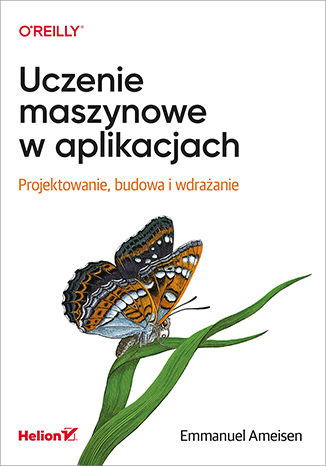
Uczenie maszynowe w aplikacjach. Projektowanie, budowa i wdrażanie
Emmanuel Ameisen
Uczenie maszynowe jest coraz popularniejsze. Stosuje się je w systemach wsparcia, systemach rekomendacyjnych, tłumaczeniach tekstów i wielu innych aplikacjach. Jednak podczas tworzenia tego rodzaju produktów inżynierowie napotykają bardzo poważne problemy. Jeśli ich nie rozwiążą, nawet obiecujący projekt może upaść. Trudność polega na tym, że zastosowanie uczenia maszynowego w konkretnej, użytkowej aplikacji jest złożonym zadaniem. Konieczne są wybór właściwej implementacji danej funkcjonalności, analiza błędów modelu, rozwiązanie problemów z czystością danych, a także weryfikacja wyników gwarantująca odpowiednią jakość produktu. To książka przeznaczona dla programistów i menedżerów, którzy wśród rodzących się idei uczenia maszynowego wciąż poszukują rozwiązań dla swojego biznesu. Autor omawia krok po kroku proces tworzenia i wdrażania aplikacji opartej na uczeniu maszynowym, a praktyczne koncepcje przedstawia za pomocą przykładowych kodów, rysunków i wywiadów z liderami w tej dziedzinie. Podpowiada, jak planować aplikację i oceniać jej jakość. Wyjaśnia także, jak budować skuteczny model, i demonstruje metody jego systematycznego usprawniania, aż do momentu osiągnięcia celu. W końcowej części opisuje strategie wdrażania i monitorowania modelu. W odróżnieniu od innych pozycji poświęconych uczeniu maszynowym ten przewodnik skupia się przede wszystkim na definiowaniu problemów, diagnozowaniu modeli i ich wdrażaniu. Dzięki tej książce: łatwiej określisz, do czego produkt ma służyć trafnie zdefiniujesz problem uczenia maszynowego szybko zbudujesz kompletny proces i pozyskasz początkowy zbiór danych zbudujesz, wytrenujesz i zoptymalizujesz model wdrożysz model w środowisku produkcyjnym przyjmiesz najlepszą metodę monitorowania pracy modelu Dobry pomysł - to zaledwie początek. Najważniejsze dzieje się później!
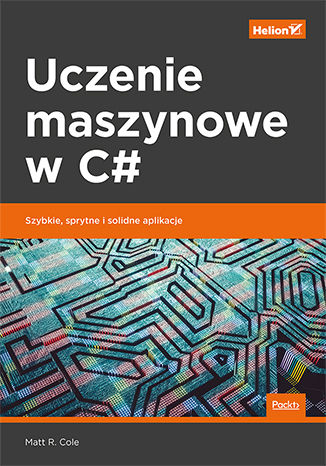
Uczenie maszynowe w C#. Szybkie, sprytne i solidne aplikacje
Matt R. Cole
Uczenie maszynowe weszło już do kanonu technologii informatycznych. Praktyczne umiejętności w tej dziedzinie powinien posiadać każdy programista i analityk. Standardowo do rozwiązań związanych z machine learning stosuje się Pythona i opracowane dla niego biblioteki, niemniej równie skutecznie można do tego celu używać innych języków programowania. Trzeba jedynie dobrze zaznajomić się z wdrożeniami algorytmów uczenia maszynowego. Niezwykle ciekawym rozwiązaniem jest pisanie takich implementacji w C#. Przemawiają za tym nie tylko zalety samego języka, ale i to, że większość aplikacji dla profesjonalistów jest pisana w C# przy użyciu takich narzędzi jak Visual Studio, SQL Server, Unity czy Microsoft Azure. Ta książka jest przeznaczona dla doświadczonych programistów C#, którzy chcą nauczyć się technik machine learning, deep learning i sztucznej inteligencji. Opisano tu dostępne narzędzia do uczenia maszynowego, dzięki którym można łatwo budować inteligentne aplikacje .NET wykorzystujące takie rozwiązania jak wykrywanie obrazów lub ruchu, wnioskowanie bayesowskie, głębokie uczenie i głęboka wiara. Omówiono zasady implementacji algorytmów uczenia nadzorowanego i nienadzorowanego oraz ich zastosowanie w budowie modeli predykcji. Przedstawiono różne techniki, od prostej regresji liniowej, przez drzewa decyzyjne i SVM, po zaawansowane rozwiązania, takie jak sztuczne sieci neuronowe, autoenkodery lub uczenie ze wzmocnieniem. Najciekawsze zagadnienia przedstawione w książce: podstawy uczenia maszynowego wykorzystywanie logiki rozmytej mapy samoorganizujące się framework Kelp.Net i jego integracja z systemem ReflectInsight realia obliczeń kwantowych Uczenie maszynowe - najlepiej z wydajnym C#!
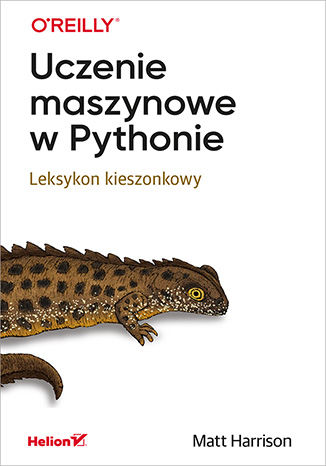
Uczenie maszynowe w Pythonie. Leksykon kieszonkowy
Matt Harrison
Uczenie maszynowe i nauka o danych są dziś ogromnie popularne. Dziedziny te szybko się rozwijają, a poszczególne techniki uczenia maszynowego znajdują coraz więcej różnorodnych zastosowań. Wiedza, którą można uzyskać dzięki odpowiedniemu przygotowaniu danych i ich eksploracji, często jest bezcenna. Umiejętność ich analizy oraz wiedza o możliwych sposobach rozwiązywania problemów napotykanych podczas uczenia maszynowego są więc dużymi atutami i mogą być wykorzystywane w wielu gałęziach nauki, techniki i biznesu. Z tego zwięzłego przewodnika po technikach uczenia maszynowego opartego na strukturalnych danych skorzystają programiści, badacze, osoby zajmujące się nauką o danych oraz twórcy systemów sztucznej inteligencji. Znalazł się tu wyczerpujący opis procesu uczenia maszynowego i klasyfikacji danych strukturalnych. Przedstawiono też metody klastrowania danych, analizy regresji, redukcji wymiarowości oraz inne ważne zagadnienia. Prezentowane treści zostały zilustrowane uwagami, tabelami i przykładami kodu. Nie zabrakło opisu przydatnych bibliotek, niezwykle użytecznych w pracy analityka danych. W efekcie książka pozwala na szybkie rozwiązywanie różnego rodzaju problemów związanych z przetwarzaniem danych strukturalnych. W książce między innymi: klasyfikacja, oczyszczanie i uzupełnianie braków danych eksploracyjna analiza danych i dobór modelu danych przykłady analiz regresji redukcja wymiarowości potoki w bibliotece scikit-learn Uczenie maszynowe: nowy wymiar analizy danych!
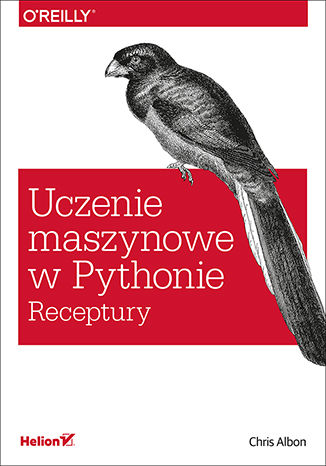
Uczenie maszynowe w Pythonie. Receptury
Chris Albon
Uczenie maszynowe jest dziś wykorzystywane w różnych dziedzinach życia: w biznesie, w polityce, w organizacjach non profit i oczywiście w nauce. Samouczące się algorytmy maszynowe stanowią wyjątkową metodę przekształcania danych w wiedzę. Powstało sporo książek wyjaśniających sposób działania tych algorytmów i prezentujących nieraz spektakularne przykłady ich wykorzystania. Do dyspozycji pozostają też narzędzia przeznaczone do tego rodzaju zastosowań, takie jak biblioteki Pythona, w tym pandas i scikit-learn. Problemem pozostaje implementacja rozwiązań codziennych problemów związanych z uczeniem maszynowym. Z tej książki najwięcej skorzystają profesjonaliści, którzy znają podstawowe koncepcje związane z uczeniem maszynowym. Osoby te potraktują ją jako przewodnik ułatwiający rozwiązywanie konkretnych problemów napotykanych podczas codziennej pracy z uczeniem maszynowym. Dzięki zawartym tu recepturom takie zadania jak wczytywanie danych, obsługa danych tekstowych i liczbowych, wybór modelu czy redukcja wymiarowości staną się o wiele łatwiejsze do wykonania. Każda receptura zawiera kod, który można wstawić do swojego programu, połączyć lub zaadaptować według potrzeb. Przedstawiono także analizy wyjaśniające poszczególne rozwiązania i ich kontekst. Z tą książką płynnie przejdziesz od rozważań teoretycznych do opracowywania działających aplikacji i praktycznego korzystania z zalet uczenia maszynowego. Receptury w tej książce dotyczą: wektorów, macierzy i tablic obsługi danych liczbowych i tekstowych, obrazów, a także związanych z datą i godziną redukcji wymiarowości za pomocą wyodrębniania i wyboru cech oceny i wyboru modelu oraz regresji liniowej i logistycznej maszyn wektorów nośnych (SVM), naiwnej klasyfikacji bayesowskiej, klasteryzacji i sieci neuronowych zapisywania i wczytywania wytrenowanych modeli Uczenie maszynowe w Pythonie - użyj sprawdzonych receptur kodu!
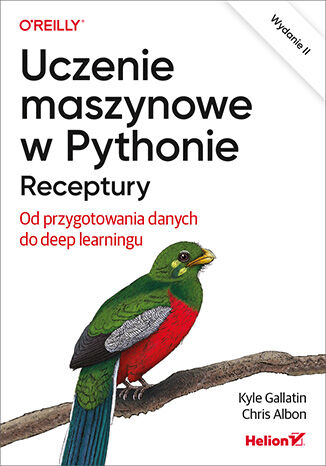
Uczenie maszynowe w Pythonie. Receptury. Od przygotowania danych do deep learningu. Wydanie II
Kyle Gallatin, Chris Albon
W ciągu ostatnich lat techniki uczenia maszynowego rozwijały się z niezwykłą dynamiką, rewolucjonizując pracę w różnych branżach. Obecnie do uczenia maszynowego najczęściej używa się Pythona i jego bibliotek. Znajomość najnowszych wydań tych narzędzi umożliwia efektywne tworzenie wyrafinowanych systemów uczących się. Oto zaktualizowane wydanie popularnego przewodnika, dzięki któremu skorzystasz z ponad dwustu sprawdzonych receptur bazujących na najnowszych wydaniach bibliotek Pythona. Wystarczy, że skopiujesz i dostosujesz kod do swoich potrzeb. Możesz też go uruchamiać i testować za pomocą przykładowego zbioru danych. W książce znajdziesz receptury przydatne do rozwiązywania szerokiego spektrum problemów, od przygotowania i wczytania danych aż po trenowanie modeli i korzystanie z sieci neuronowych. W ten sposób wyjdziesz poza rozważania teoretyczne czy też matematyczne koncepcje i zaczniesz tworzyć aplikacje korzystające z uczenia maszynowego. Poznaj receptury dotyczące: pracy z danymi w wielu formatach, z bazami i magazynami danych redukcji wymiarowości, jak również oceny i wyboru modelu regresji liniowej i logistycznej, drzew i lasów, a także k-najbliższych sąsiadów maszyn wektorów nośnych (SVM), naiwnej klasyfikacji bayesowskiej i klasteryzacji udostępniania wytrenowanych modeli za pomocą wielu frameworków Długo szukałam książki, która spójnie przedstawiałaby algorytm ANN, hiperpłaszczyzny i wybór cech za pomocą losowego lasu. I wtedy pojawiła się ta pozycja! Vicki Boykis, inżynier uczenia maszynowego w Duo
Uczenie maszynowe z językiem JavaScript. Rozwiązywanie złożonych problemów
Burak Kanber
Uczenie maszynowe jeszcze kilka lat temu stanowiło niemal wiedzę tajemną. Nieliczni eksperci w tej dziedzinie publikowali materiały w naukowym, matematycznym języku, który wymagał biegłości w algebrze liniowej czy rachunku wektorowym. Korzystano najczęściej z Pythona i jego bibliotek. Obecnie, wraz ze wzrostem popularności uczenia maszynowego, zwiększają się możliwości jego praktycznej implementacji. Rzeczywista biegłość w tej dziedzinie wymaga jednak dogłębnego zrozumienia mechaniki działania algorytmów stosowanych w uczeniu maszynowym. Implementacja tych algorytmów w JavaScripcie jest znakomitym wyborem: język ten stał się dojrzałym, potężnym i wszechstronnym narzędziem do rozwiązywania złożonych problemów. Chcesz nauczyć się implementacji algorytmów uczenia maszynowego bez zbytniego zagłębiania się w niuanse matematyczne? Jeśli dodatkowo znasz język JavaScript, ta książka jest dla Ciebie idealnym wyborem. Wyjaśniono w niej, w jaki sposób tworzyć własne implementacje, podano też przykłady przydatnych bibliotek. Sporo miejsca poświęcono sieciom neuronowym, ich architekturze i przykładom zastosowania. Przedstawiono takie zagadnienia jak wykrywanie twarzy, filtrowanie spamu, tworzenie systemów rekomendacji, rozpoznawanie znaków oraz przetwarzanie języka naturalnego. Znalazły się tu również wskazówki dotyczące dobierania odpowiednich bibliotek JavaScriptu, takich jak NaturalNode, brain, harthur oraz klasyfikatory, co umożliwia projektowanie bardziej inteligentnych aplikacji. Najważniejsze zagadnienia przedstawione w książce: potencjał JavaScriptu w uczeniu maszynowym algorytmy grupowania, klasyfikacji, reguły kojarzenia algorytmy regresji, przewidywanie wzorców i predykcja sieci neuronowe i głębokie sieci neuronowe uczenie maszynowe w aplikacjach czasu rzeczywistego Uczenie maszynowe - coś dla wyjadaczy JavaScriptu!
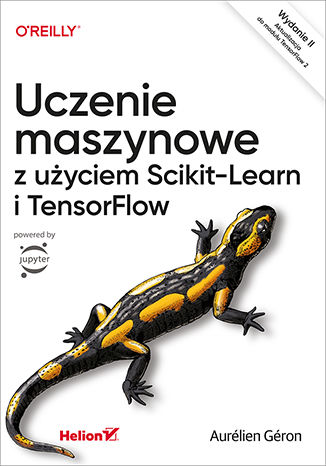
Uczenie maszynowe z użyciem Scikit-Learn i TensorFlow. Wydanie II
Aurélien Géron
W 2006 roku świat nauki zafascynował się głębokimi sieciami neuronowymi. Wbrew wcześniejszym przekonaniom okazało się, że ich uczenie jest możliwe. Technika ta została nazwana uczeniem głębokim. Wymagała zapewnienia olbrzymiej mocy obliczeniowej i potężnych ilości danych, jednak potencjał wytrenowanych sieci głębokich był niesamowity. Kolejne lata przyniosły bujny rozwój tej technologii w wielu obszarach, co pozwoliło na tworzenie przeróżnych zaawansowanych produktów. Prace nad nowymi zastosowaniami sieci głębokich trwają. Wszystko wskazuje na to, że już wkrótce zdominują one większość dziedzin naszego życia. To drugie wydanie bestsellerowego przewodnika po technikach uczenia maszynowego. Wystarczą minimalne umiejętności programistyczne, aby dzięki tej książce nauczyć się budowania i trenowania głębokiej sieci neuronowej. Zawarto tu minimum teorii, a proces nauki jest ułatwiony przez liczne przykłady i ćwiczenia. Wykorzystano gotowe rozwiązania i przedstawiono zasady pracy ze specjalistycznymi narzędziami, w tym z TensorFlow 2, najnowszą odsłoną modułu. W efekcie niepostrzeżenie przyswoisz niezbędny zasób pojęć i narzędzi służących do tworzenia systemów inteligentnych. Poznasz różnorodne techniki i zaczniesz samodzielnie ich używać. Po lekturze będziesz biegle posługiwać się najnowszymi technologiami sztucznej inteligencji! W tej książce między innymi: podstawy uczenia maszynowego i rozpoczęcie pracy z TensorFlow techniki wykrywania obiektów, segmentacji semantycznej i mechanizmy uwagi interfejs Keras, narzędzia TF Transform i TF Serving wdrażanie modeli TensorFlow techniki uczenia nienadzorowanego, wykrywanie anomalii oraz biblioteka TF Agents TensorFlow 2: źródło magii zaawansowanych technologii!
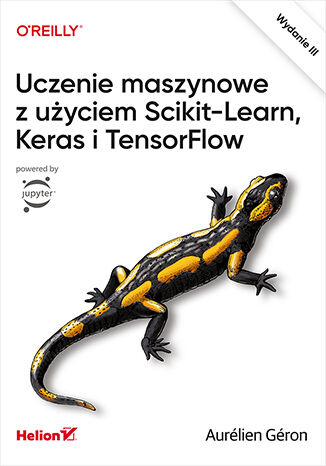
Uczenie maszynowe z użyciem Scikit-Learn, Keras i TensorFlow. Wydanie III
Aurélien Géron
Pojęcia, techniki i narzędzia służące do tworzenia systemów inteligentnych Głębokie sieci neuronowe mają niesamowity potencjał. Osiągnięcia ostatnich lat nadały procesom uczenia głębokiego zupełnie nową jakość. Obecnie nawet programiści niezaznajomieni z tą technologią mogą korzystać z prostych i niezwykle skutecznych narzędzi, pozwalających na sprawne implementowanie programów uczących się z danych. Znajdziesz tu rozsądne, intuicyjne objaśnienia, a także mnóstwo praktycznych porad! Francois Chollet, twórca interfejsu Keras To trzecie wydanie bestsellerowego przewodnika po uczeniu maszynowym. Książka jest adresowana do osób, które chcą wejść w świat uczenia maszynowego ― przy czym wystarczą do tego minimalne umiejętności programistyczne. Zawarto tu minimum teorii, a proces nauki ułatwiają liczne przykłady i ćwiczenia. Dzięki temu przyswoisz niezbędne pojęcia i nauczysz się korzystać z gotowych platform produkcyjnych Pythona: Scikit-Learn, Keras i TensorFlow. W tym wydaniu pokazano różnorodne techniki, od prostej regresji liniowej aż po głębokie sieci neuronowe. Szybko nauczysz się tworzyć działające systemy inteligentne! W książce między innymi: korzystanie ze Scikit-Learn, z TensorFlow i Keras modele: maszyny wektorów nośnych, drzewa decyzyjne, lasy losowe i metody zespołowe uczenie nienadzorowane: redukcja wymiarowości, analiza skupień, wykrywanie anomalii sieci neuronowe: sieci splotowe, rekurencyjne, modele dyfuzyjne i transformatory trenowanie i implementacje sieci neuronowych To znakomite wprowadzenie do teoretycznych i praktycznych rozważań na temat rozwiązywania problemów za pomocą sieci neuronowych! Pete Warden, mobile lead projektu Tensor Flow Twórz i trenuj nowoczesne sieci neuronowe!