
Informatyka
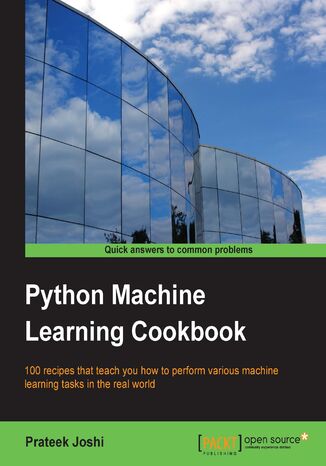
Prateek Joshi
Machine learning is becoming increasingly pervasive in the modern data-driven world. It is used extensively across many fields such as search engines, robotics, self-driving cars, and more. With this book, you will learn how to perform various machine learning tasks in different environments. We’ll start by exploring a range of real-life scenarios where machine learning can be used, and look at various building blocks. Throughout the book, you’ll use a wide variety of machine learning algorithms to solve real-world problems and use Python to implement these algorithms. You’ll discover how to deal with various types of data and explore the differences between machine learning paradigms such as supervised and unsupervised learning. We also cover a range of regression techniques, classification algorithms, predictive modeling, data visualization techniques, recommendation engines, and more with the help of real-world examples.
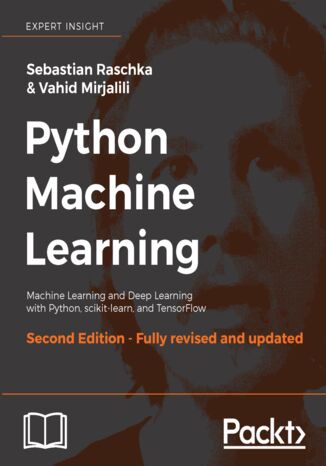
Sebastian Raschka, Vahid Mirjalili
Publisher's Note: This edition from 2017 is outdated and is not compatible with TensorFlow 2 or any of the most recent updates to Python libraries. A new third edition, updated for 2020 and featuring TensorFlow 2 and the latest in scikit-learn, reinforcement learning, and GANs, has now been published.Machine learning is eating the software world, and now deep learning is extending machine learning. Understand and work at the cutting edge of machine learning, neural networks, and deep learning with this second edition of Sebastian Raschka’s bestselling book, Python Machine Learning. Using Python's open source libraries, this book offers the practical knowledge and techniques you need to create and contribute to machine learning, deep learning, and modern data analysis.Fully extended and modernized, Python Machine Learning Second Edition now includes the popular TensorFlow 1.x deep learning library. The scikit-learn code has also been fully updated to v0.18.1 to include improvements and additions to this versatile machine learning library. Sebastian Raschka and Vahid Mirjalili’s unique insight and expertise introduce you to machine learning and deep learning algorithms from scratch, and show you how to apply them to practical industry challenges using realistic and interesting examples. By the end of the book, you’ll be ready to meet the new data analysis opportunities.If you’ve read the first edition of this book, you’ll be delighted to find a balance of classical ideas and modern insights into machine learning. Every chapter has been critically updated, and there are new chapters on key technologies. You’ll be able to learn and work with TensorFlow 1.x more deeply than ever before, and get essential coverage of the Keras neural network library, along with updates to scikit-learn 0.18.1.
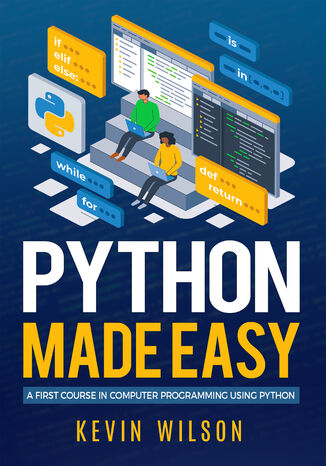
Python Made Easy. A First Course in Computer Programming Using Python
Kevin Wilson
Python Made Easy is designed to transform beginners into proficient Python programmers. The journey begins with an introduction to Python, covering basic concepts and syntax that lay the foundation for your coding skills. As you progress, you'll dive into essential programming constructs like data structures, functions, and file handling.In the second phase of the course, you'll explore more complex topics such as object-oriented programming, modules, and libraries. These sections will give you the tools to write efficient, reusable, and modular code. You'll also learn how to handle exceptions, ensuring your programs are robust and error-resistant. Special attention is given to graphical user interfaces (GUIs) and game development, making your Python skills applicable to a wide range of projects.The final part of the course covers advanced topics like debugging, testing, and deploying Python applications. You'll also delve into web development, where you'll learn to build and deploy web applications using Python. The course concludes with valuable video resources to reinforce your learning and provide additional insights. By the end of this course, you'll have a solid understanding of Python and be ready to tackle real-world programming challenges.
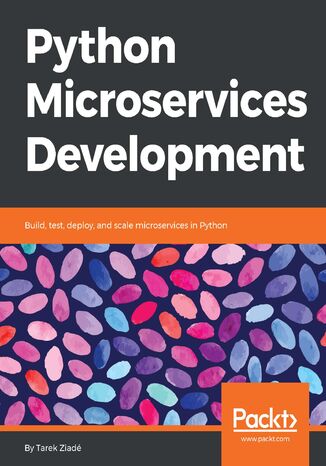
Python Microservices Development. Build, test, deploy, and scale microservices in Python
Tarek Ziadé
We often deploy our web applications into the cloud, and our code needs to interact with many third-party services. An efficient way to build applications to do this is through microservices architecture. But, in practice, it's hard to get this right due to the complexity of all the pieces interacting with each other.This book will teach you how to overcome these issues and craft applications that are built as small standard units, using all the proven best practices and avoiding the usual traps. It's a practical book: you’ll build everything using Python 3 and its amazing tooling ecosystem. You will understand the principles of TDD and apply them. You will use Flask, Tox, and other tools to build your services using best practices. You will learn how to secure connections between services, and how to script Nginx using Lua to build web application firewall features such as rate limiting. You will also familiarize yourself with Docker’s role in microservices, and use Docker containers, CoreOS, and Amazon Web Services to deploy your services.This book will take you on a journey, ending with the creation of a complete Python application based on microservices. By the end of the book, you will be well versed with the fundamentals of building, designing, testing, and deploying your Python microservices.
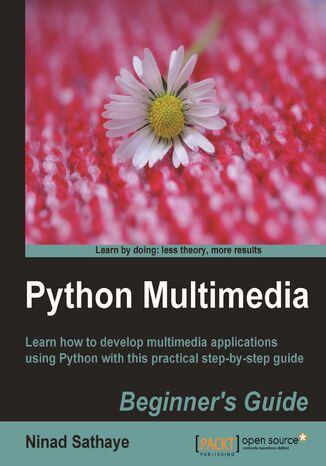
Ninad Sathaye
Multimedia applications are used by a range of industries to enhance the visual appeal of a product. This book will teach the reader how to perform multimedia processing using Python.This step-by-step guide gives you hands-on experience for developing exciting multimedia applications using Python. This book will help you to build applications for processing images, creating 2D animations and processing audio and video.Writing applications that work with images, videos, and other sensory effects is great. Not every application gets to make full use of audio/visual effects, but a certain amount of multimedia makes any application a lot more appealing. There are numerous multimedia libraries for which Python bindings are available. These libraries enable working with different kinds of media, such as images, audio, video, games, and so on. This book introduces the reader to the most widely used open source libraries through several exciting, real world projects. Popular multimedia frameworks and libraries such as GStreamer,Pyglet, QT Phonon, and Python Imaging library are used to develop various multimedia applications.
Python na maturze. Rozwiązania i analiza wybranych zadań programistycznych
Roland Zimek
Matura z Pythonem to nic trudnego! Ucz się! Analizuj! Programuj! Nauka programowania na dobre zadomowiła się w szkołach, a umiejętności informatyczne są od lat sprawdzane na egzaminach maturalnych. Jej adepci zapewne zdają sobie sprawę, jakim wzięciem na rynku cieszą się osoby, które mogą się pochwalić znajomością Pythona. To język, który dzięki swoim możliwościom i wszechstronności znajduje zastosowanie w najróżniejszych dziedzinach nauki, przemysłu i biznesu. Książka Python na maturze. Rozwiązania i analiza wybranych zadań programistycznych pozwoli Ci zapoznać się z prawdziwymi zadaniami maturalnymi z kilku ostatnich lat. Będziesz mógł je przeanalizować, a także opracować prawidłowe rozwiązania w języku Python. W efekcie nie tylko zdobędziesz i utrwalisz umiejętności programistyczne, lecz również - co nie mniej ważne - rozwiniesz zdolności w zakresie analizy problemów i wyboru właściwych rozwiązań. Treść zadań maturalnych Analiza problemów Praktyczne rozwiązania Uzasadnienie wybranych technik Typowe pułapki w zadaniach Składnia i instrukcje Pythona Zastosowanie języka w praktyce Naucz się Pythona i zdaj maturę jak prymus!
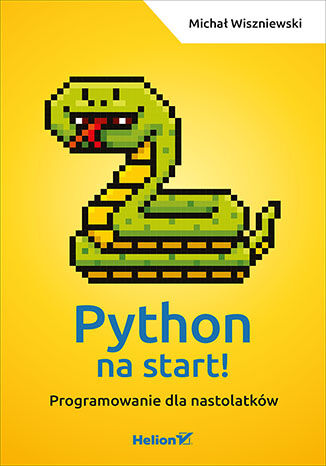
Python na start! Programowanie dla nastolatków
Michał Wiszniewski
Zacznij od skryptów, a skończysz na szczycie! Pierwsze kroki, czyli od czego zacząć przygodę z Pythonem Niezbędne gadżety, czyli z czego i jak budować programy w Pythonie Wędrówka przez style, czyli jak programować strukturalnie, obiektowo i funkcyjnie Czy kiedykolwiek zastanawiałeś się nad tym, dlaczego na świecie istnieje aż tyle języków programowania i czym różnią się one od siebie? I których z tych języków warto się nauczyć? Na pewno co najmniej kilku, ale na Twojej krótkiej liście nie może zabraknąć Pythona! Ten język ma dwie potężne zalety: po pierwsze, jest znacznie łatwiejszy w nauce i bardziej intuicyjny niż choćby C czy C++, a po drugie, umożliwia tworzenie skryptów, czyli funkcjonalnych programów, przydających się na co dzień programistom wszelkiej maści, administratorom sieci i wielu innym ludziom. Python to także fantastyczne narzędzie do tworzenia rozbudowanych projektów. Zresztą, możesz się o tym szybko przekonać. W tej książce znadziesz omówienie wszystkich najważniejszych funkcji i możliwości Pythona. Zobaczysz, jak pracować w środowisku tego języka, jak używać zmiennych, instrukcji warunkowych, funkcji i typów danych. Zobaczysz, w jakich sytuacjach warto wykorzystywać pętle i moduły, jak wykonywać operacje na plikach i jak obsługiwać wyjątki. Sprawdzisz, do czego przydaje się programowanie strukturalne, a do czego obiektowe, i zobaczysz, jak łatwo połączyć je w Pythonie! Krótko mówiąc, zanim się obejrzysz, zaczniesz samodzielnie pisać zaawansowane skrypty. Sprawdź, programuj i baw się dobrze! Pierwszy program, czyli jak zostałem programistą Zmienne są niezbędne... a zmienne znakowe jeszcze bardziej Operacje wejścia – przekaż skryptowi dowolne informacje Instrukcje warunkowe – początek prawdziwego programowania Funkcje – to jest to! Zasięg zmiennych i nieco więcej o instrukcjach warunkowych – trzeba uważać Pętle – czyli jak ułatwić sobie życie Zaawansowane typy danych – to tylko groźnie brzmi! Operacje na plikach – w końcu ciekawy rozdział! Moduły – one są wspaniałe! Wyjątki – czyli błędy w języku Python Obiekty, klasy i metody – czyli programowanie obiektowe Zaklinaj węża, czyli programuj w Pythonie!
Python na start! Programowanie dla nastolatków
Michał Wiszniewski
Zacznij od skryptów, a skończysz na szczycie! Pierwsze kroki, czyli od czego zacząć przygodę z Pythonem Niezbędne gadżety, czyli z czego i jak budować programy w Pythonie Wędrówka przez style, czyli jak programować strukturalnie, obiektowo i funkcyjnie Czy kiedykolwiek zastanawiałeś się nad tym, dlaczego na świecie istnieje aż tyle języków programowania i czym różnią się one od siebie? I których z tych języków warto się nauczyć? Na pewno co najmniej kilku, ale na Twojej krótkiej liście nie może zabraknąć Pythona! Ten język ma dwie potężne zalety: po pierwsze, jest znacznie łatwiejszy w nauce i bardziej intuicyjny niż choćby C czy C++, a po drugie, umożliwia tworzenie skryptów, czyli funkcjonalnych programów, przydających się na co dzień programistom wszelkiej maści, administratorom sieci i wielu innym ludziom. Python to także fantastyczne narzędzie do tworzenia rozbudowanych projektów. Zresztą, możesz się o tym szybko przekonać. W tej książce znadziesz omówienie wszystkich najważniejszych funkcji i możliwości Pythona. Zobaczysz, jak pracować w środowisku tego języka, jak używać zmiennych, instrukcji warunkowych, funkcji i typów danych. Zobaczysz, w jakich sytuacjach warto wykorzystywać pętle i moduły, jak wykonywać operacje na plikach i jak obsługiwać wyjątki. Sprawdzisz, do czego przydaje się programowanie strukturalne, a do czego obiektowe, i zobaczysz, jak łatwo połączyć je w Pythonie! Krótko mówiąc, zanim się obejrzysz, zaczniesz samodzielnie pisać zaawansowane skrypty. Sprawdź, programuj i baw się dobrze! Pierwszy program, czyli jak zostałem programistą Zmienne są niezbędne... a zmienne znakowe jeszcze bardziej Operacje wejścia – przekaż skryptowi dowolne informacje Instrukcje warunkowe – początek prawdziwego programowania Funkcje – to jest to! Zasięg zmiennych i nieco więcej o instrukcjach warunkowych – trzeba uważać Pętle – czyli jak ułatwić sobie życie Zaawansowane typy danych – to tylko groźnie brzmi! Operacje na plikach – w końcu ciekawy rozdział! Moduły – one są wspaniałe! Wyjątki – czyli błędy w języku Python Obiekty, klasy i metody – czyli programowanie obiektowe Zaklinaj węża, czyli programuj w Pythonie!
Python Network Programming. Conquer all your networking challenges with the powerful Python language
Abhishek Ratan, Eric Chou, Pradeeban Kathiravelu, Dr....
This Learning Path highlights major aspects of Python network programming such as writing simple networking clients, creating and deploying SDN and NFV systems, and extending your network with Mininet. You’ll also learn how to automate legacy and the latest network devices. As you progress through the chapters, you’ll use Python for DevOps and open source tools to test, secure, and analyze your network. Toward the end, you'll develop client-side applications, such as web API clients, email clients, SSH, and FTP, using socket programming.By the end of this Learning Path, you will have learned how to analyze a network's security vulnerabilities using advanced network packet capture and analysis techniques. This Learning Path includes content from the following Packt products:• Practical Network Automation by Abhishek Ratan • Mastering Python Networking by Eric Chou • Python Network Programming Cookbook, Second Edition by Pradeeban Kathiravelu, Dr. M. O. Faruque Sarker