
E-Books
Opracowanie zbiorowe
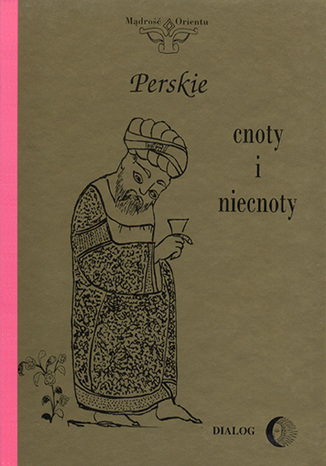
Utwory tworzone głównie ku "rozrywce i zabawie" istniały od najdawniejszych czasów w kulturze ludów Iranu i nadal są ogromnie popularne na tym terenie. Prezentowane w tomiku przypowieści, maksymy, opowieści komiczne i anegdoty dwóch autorów - poety i satyryka - zostały zaczerpnięte z dzieł klasycznej literatury perskiej i pochodzą z różnych regionów Iranu oraz różnych epok, zwłaszcza najdawniejszych. Wydaje się, że wiele spraw dotyczących moralności, sposobu postępowania i poglądów krytykowanych przez obu klasyków nie straciło na aktualności, co skłoni czytelnika do smutnej być może refleksji, a być może zabawi.

Persona non grata, czyli Sołtys w wielkim mieście
Kamil Dąbrowski
Debiut literacki Sołtysa Lubelszczyzny! Autor znany z zabawnych filmików przenosi swój humor na karty powieści. Jurek, sołtys Gołaszyna, w ciągu kilku dni traci wszystko: stanowisko, pracę w tartaku i złudzenia. Poza tym dowiaduje się, że zostanie dziadkiem i będzie musiał wyprawić synowi wesele. Skąd wziąć na to pieniądze?! Ale od czego jest Halinka jego żona, generał domowego frontu i autorka planu awaryjnego? Jurek ląduje w Warszawie i rozpoczyna nowe życie wśród deadlineów, asapów i innych korporacyjnych absurdów. A po godzinach? Stolica zaskakuje Jurka śmiesznymi papieroskami, nocnym życiem, od którego kręci mu się w głowie szybciej niż po bimbrze od szwagra, i informacją, że jego ulubione koszule to teraz pełnoprawny vintage. Persona non grata, czyli Sołtys w wielkim mieście to przezabawna opowieść o tym, że nigdy nie jest za późno, by przewrócić swoje życie do góry nogami. Mamy tu wszystko, co najlepsze w komedii: bohaterów z krwi i kości, kapitalne dialogi, rodzinne dramy, kłótnie przy rosole, wątek kryminalny i mnóstwo ironicznego humoru. A w tle bezcenne obserwacje na temat Polski prowincjonalnej i wielkomiejskiej. Jeśli kochasz klimat Rancza i bohaterów, którzy przypominają twoją rodzinę, ta książka rozśmieszy cię do łez.

Personal branding, czyli jak skutecznie zbudować autentyczną markę osobistą
Mateusz Grzesiak
Zbuduj skutecznie autentyczny wizerunek Kimkolwiek jesteś - żoną, mężem, dzieckiem, rodzicem, szefem, pracownikiem, klientką, menadżerem, influencerką, lekarzem, prawniczką, nauczycielem - Twój sukces w każdej sferze życia zależy od tego, jak postrzegają Cię ludzie, wśród których funkcjonujesz. Każdy ma zdanie na Twój temat, ale mało kto ma zdanie prawdziwe albo takie, jakie chcesz, by miał. Zbuduj więc adekwatny personal brand - spójny z Tobą wizerunek, który pokaże właściwie dobranym odbiorcom prawdziwego Ciebie. Przygotuj się na głęboką podróż w głąb siebie, bo proces kreowania marki osobistej uświadamia człowiekowi prawdę o nim samym. Ta wyprawa uzmysłowi Ci, kim naprawdę jesteś, pozwoli uwolnić się od głęboko zakorzenionych ocen innych oraz wyposaży Cię w rzetelne i przydatne narzędzia z zakresu nauk o marketingu i psychologii na miarę potrzeb współczesnego rynku. W efekcie staniesz się nową, jeszcze lepszą i skuteczniejszą w działaniu wersją siebie, a Twoje imię i nazwisko kojarzyć się będą innym dokładnie tak, jak to zaplanujesz. Skorzystaj z wiedzy zawartej w tej książce - to gwarancja, że otrzymujesz synergię rzetelnej nauki z niepodważalną praktyką popartą wynikami. Jeśli interesuje Cię zbudowanie własnego brandu, nie mogłeś trafić lepiej! Zabieram Cię w drogę ku Twojej autentycznej marce osobistej! dr Mateusz Grzesiak
Personal Recollections of Joan of Arc
Mark Twain
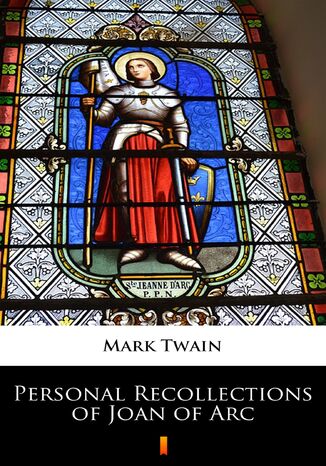
The name of Joan of Arc became a legend: an illiterate village girl, standing at the head of the French army, delivered her country from English rule and enthroned the king, who later betrayed her. In the novel by Mark Twain, the story of Jeanne her childhood, her victories and death is presented to the reader on behalf of her friend and secretary. This is a story about a great and noble soul, about a disinterested female heart that can withstand any load, even beyond the strength of the mighty of this world.
Ajschylos
Persowie to utwór Ajschylosa, jednego z najwybitniejszych, obok Sofoklesa i Eurypidesa, tragików ateńskich. Powszechnie uważany za rzeczywistego twórcę tragedii greckiej. "Persowie" są apoteozą potęgi Aten i całej cywilizacji greckiej. Ajschylos żałuje Persów, ale pokazuje, że sami byli winni straszliwej porażki, gdyż odważyli się na wojnę z Grekami. Ukazuje też wyższość demokracji nad tyranią, snując piękny obraz wolnych Ateńczyków z własnej woli stających do walki w obronie swoich praw.
Persowie. Epoka Wielkich Królów
Lloyd Llewellyn-Jones
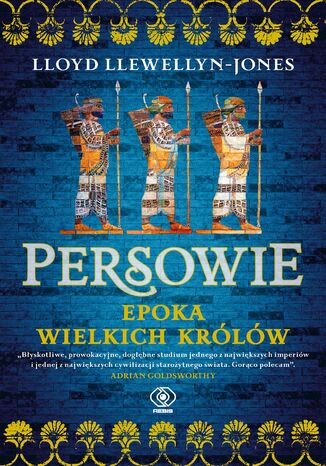
Błyskotliwe, prowokacyjne, dogłębne studium jednego z największych imperiów i jednej z największych cywilizacji starożytnego świata. Gorąco polecam. - Adrian Goldsworthy. Nowa, oparta na perskich źródłach historia imperium Achemenidów. Wielcy Królowie Persji rządzili największym imperium starożytności, rozciągającym się od Libii po stepy Azji i od Sudanu po Pakistan. Sercem ich państwa było legendarne miasto-pałac Persepolis, gdzie achemenidzcy monarchowie utrzymywali pełen niezrównanego przepychu dwór. To stamtąd Cyrus Wielki, Dariusz, Kserkses oraz ich następcy ogłaszali prawa, wysyłali armie i władali swym wielokulturowym imperium. Achemenidzi byli jednak też jednym z wielkich dysfunkcyjnych rodów w dziejach. Bracia bezwzględnie walczyli o władzę, żony i konkubiny spiskowały, aby wynieść swoich synów na tron, eunuchowie i dworzanie rywalizowali o wpływy i prestiż. Wiedza o perskim imperium tradycyjnie pochodziła z dzieł jego wrogów, m.in. greckich autorów, takich jak Herodot tak więc przez całe wieki patrzyliśmy na nie przez pryzmat starożytnych wizji politycznych i kulturowych. Profesor Llewellyn-Jones sięga do oryginalnych achemenidzkich źródeł, w tym inskrypcji, dzieł sztuki i niedawnych odkryć archeologicznych z Iranu, tworząc pasjonującą, autentyczną perską wersję tego pierwszego wielkiego imperium starożytności epoki wielkich królów, niezwykłych osiągnięć kulturowych, cywilizacyjnych i militarnych, imperialnych ambicji i pełnych przepychu rytuałów.
Tomasz Lachowski
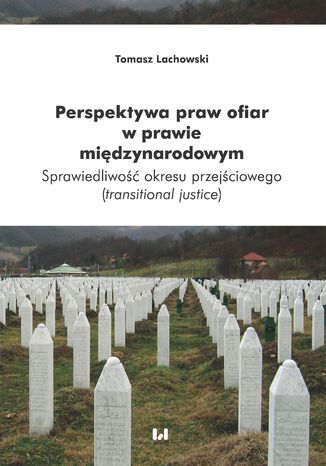
Monografia dotyczy tematyki związanej z pojęciem sprawiedliwości okresu przejściowego (transitional justice ) w prawie międzynarodowym - niezwykle dynamicznie rozwijające j się dyscypliny wiedzy, ale i przede wszystkim działań praktycznych, czerpiących wprost z nauk prawnych oraz z bogactwa nauk historycznych, politycznych, społecznych, a nawet psychologicznych. To przestrzeń, w której można znaleźć rozwiązania problemów społeczeństw postautorytarnych lub postkonfliktowych, znajdujących się pomiędzy rządami władzy opresyjnej a demokracją lub pomiędzy wojną a pokojem, chcących jednocześnie rozliczyć trudną przeszłość. Autor pochyla się w szczególności nad sytuacją prawną ofiar poważnych naruszeń praw człowieka lub prawa humanitarnego w czasie gwałtownych zmian polityczno-społecznych. W uzupełnieniu metodologii charakterystyczne j dla nauk prawnych odwołuje się także do swoich badań terenowych przeprowadzonych w państwach zmagających się z niełatwą przeszłością, takich jak: Bangladesz, Bośnia i Hercegowina, Mozambik oraz Ukraina.

Perspektywy i kierunki rozwoju budownictwa drogowego w Polsce na podstawie badań foresightowych
Piotr Radziszewski
Polska obecnie realizuje ambitny program przebudowy sieci drogowej, który zgodnie z wymaganiami Unii Europejskiej powinien uwzględniać wysoki poziom technologiczny budowy dróg z zachowaniem norm ochrony środowiska. W opracowaniu przedstawiono perspektywy i kierunki rozwoju konstrukcji oraz nowych rozwiązań materiałowo-technologicznych nawierzchni drogowych w aspekcie ochrony środowiska i zrównoważonego rozwoju. Zawarto między innymi unikalne wyniki badań forsightowych metodą Delphi, prowadzone w celu określenia priorytetowych technologii budowy nawierzchni drogowych w perspektywie około 30 lat. Pracę wykonał zespół autorski w składzie: Piotr Radziszewski, Jerzy Piłat, Karol J. Kowalski, Jan Król, Michał Sarnowski, Joanicjusz Nazarko, Katarzyna Dębkowska, Joanna Ejdys, Alicja Ewa Gudanowska, Katarzyna Halicka, Jarosław Kilon, Anna Kononiuk, Łukasz Nazarko
Jane Austen
Persuasion is the last novel fully completed by Jane Austen. The story begins seven years after the broken engagement of Anne Elliot to then Commander Frederick Wentworth. Now circumstances have conspired to bring him back into her social circle and Anne finds her old feelings for him reignited. However, when they meet again Wentworth behaves as if they are strangers and seems more interested in her friend Louisa.
Jane Austen
Persuasion is the last novel fully completed by Jane Austen. It was published at the end of 1817, six months after her death. The story concerns Anne Elliot, a young Englishwoman of 27 years, whose family is moving to lower their expenses and get out of debt, at the same time as the wars come to an end, putting sailors on shore. They rent their home to an Admiral and his wife. The wife’s brother, Navy Captain Frederick Wentworth, had been engaged to Anne in 1806, and now they meet again, both single and unattached, after no contact in more than seven years. This sets the scene for many humorous encounters as well as a second, well-considered chance at love and marriage for Anne Elliot in her second "bloom".
Jane Austen
Persuasion est un roman plutôt petit de Jane Austen. Lhistoire raconte lhistoire de la femme et, des les premieres pages, il est assez difficile de comprendre laquelle des héroines se trouvera au centre de lintrigue. Ann Elliot avait une apparence attrayante et un esprit subtil. Elle aurait pu etre heureuse en épousant le lieutenant Frederick Wentworth, avec qui elle avait un sentiment profond et fort, mais son pere était contre. Plus tard, tout le monde regrettera cette décision.
Perswazja i manipulacja w komunikacji. Wybrane zagadnienia
Grażyna Habrajska
W książce Wprowadzenie do gramatyki komunikacyjnej [Awdiejew, Habrajska 2004] zaproponowany został schemat komunikacji między nadawcą i odbiorcą, który pokazuje proces tworzenia i interpretacji komunikatów zarówno na poziomie ideacyjnym, jak i interakcyjnym. W schemacie tym reprezentacje kognitywne nadawcy i odbiorcy odpowiadają ich wiedzy doświadczeniowej (którą posiedli wskutek wizualizacji powtarzających się bodźców perceptywnych), umożliwiającej uogólnienie pojedynczych działań.

Perswazja w Social Media, czyli jak sprzedawać tam, gdzie inni zdobywają tylko lajki
Mirosław Skwarek
Handlowanie na Facebooku? To działa! Internet to błogosławieństwo dla wielu biznesów. Okno na świat, które daje szansę dotarcia z ofertą do osób, z którymi normalnie, w świecie offline'owym nie byłoby okazji nawet się spotkać. O sprzedaży nie wspominając. Sklep internetowy, czat tego sklepu, sprawny system płatności, perfekcyjne zdjęcia produktów, szybka komunikacja w każdym dostępnym kanale social mediów... I nic. Może nie nic, ale niewiele. Tyle się mówi i pisze o promocyjnej roli mediów społecznościowych, a tu proszę - nie działa. Przepalanie czasu i pieniędzy. O, czyżby? A może po prostu, w mediach społecznościowych jest jak w życiu? Jak w handlowaniu face to face? Ten jest skuteczniejszy, kto jest bardziej perswazyjny? Kto potrafi lepiej wywierać wpływ? Bo social media to tak naprawdę nie są media. To współczesny "miejski ryneczek", na którym sprzedawcy spotykają się z potencjalnymi kupującymi, a spośród wielu "stoisk" sukces odnosi to, którego właściciel jest najbardziej przekonujący. Rzecz w tym, by przestać wrzucać na Facebooka posty (bo przecież dziś środa, w środę trzeba coś napisać!) i zaprząc go do prawdziwej gry w sprzedawanie. Na 101 perswazyjnych sposobów. Jesteś na to gotów?

Perswazja w telewizyjnej reklamie społecznej. Studium socjologiczne
Ewa Kurzeja
Podjęty w monografii temat, obszerne zaplecze literaturowe, analiza teoretyczna problemu reklamy per se, a społecznej w szczególności, na tle historii komunikacji perswazyjnej, przeprowadzone badania empiryczne, analiza zabranych konkretnych licznych przykładów kampanii i spotów sprawiają, że monografia wzbogaci, jak dotąd niestety skromny, dorobek poznawczo-analityczny polskich badań nad reklamą, zwłaszcza w zakresie działań pożytku publicznego. Może się stać inspiracją nie tylko do dalszych badań medioznawczych i socjologicznych, lecz przede wszystkim do lepszej praktyki reklamy społecznej, uświadamiając praktykom – dyrektorom kreatywnym, wykonawcom reklamy, domom mediowym itd. – w porównawczej analizie mocne i słabe strony reklamy społecznej w Polsce, jej potencjał, a także niewykorzystane w pełni możliwości. Z recenzji prof. dr. hab. Tomasza Gobana-Klasa Autorka podjęła ciekawy poznawczo i ważny społecznie temat reklamy społecznej emitowanej w telewizji. […] Jej znaczenie stale wzrasta, stąd też konieczność podjęcia systematycznych badań nad mechanizmami konstruowania reklamy społecznej, jej treściami oraz skutecznością oddziaływania. […] Praca jest obszernym studium o charakterze teoretyczno-empirycznym. […] Może znaleźć szeroki krąg odbiorców wśród zainteresowanych perswazyjnymi funkcjami reklam, zwłaszcza reklam społecznych. Ma też wyraźnie aplikacyjny wymiar i zapewne spotka się również z zainteresowaniem tzw. praktyków, którzy właśnie poprzez reklamę społeczną podejmują próby upowszechniania prowadzonych przez siebie projektów socjalnych, aby w ten sposób zyskiwać ich zwolenników. Z recenzji prof. dr. hab. Wojciecha Świątkiewicza
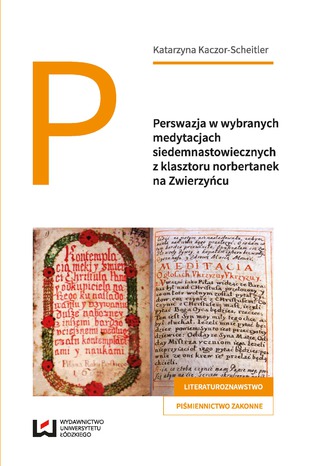
Perswazja w wybranych medytacjach siedemnastowiecznych z klasztoru norbertanek na Zwierzyńcu
Katarzyna Kaczor-Scheitler
Przedmiotem badań i materiałową podstawą prezentowanej monografii są medytacje zamieszczone w dwóch siedemnastowiecznych kodeksach rękopiśmiennych: Pobudkach do zakonnego życia Teresy Petrycówny, wnuczki renesansowego uczonego Sebastiana Petrycego, oraz Kontemplacyi męki i śmierci Chrystusa Pana i Odkupiciela naszego ku naśladowaniu i używaniu dusze nabożnej z inszemi bardzo uciesznemi według czasu kontemplacyjami i naukami. Pisanej Roku Pańskiego 1662 anonimowej norbertanki. Autorka dysertacji wykazała, że obydwa przekazy wiązały się z kulturą retoryczną siedemnastowiecznego społeczeństwa i powstały w celu perswazyjnym – by kształtować postawy odbiorców rozważań. Zasadniczym narzędziem takiej perswazji było powoływanie się na argument z autorytetu, czyli Biblię, pisma Ojców i Doktorów Kościoła, pisarzy starożytności chrześcijańskiej, siedemnastowieczną literaturę ascetyczno-mistyczną, żywoty świętych, a także egzempla. W zakresie elocutio zaprezentowane zostały słowne formy oddziaływania na odbiorców (literackie środki stylistyczne, wyszukane koncepty oraz obrazy-symbole), sposoby mające nakłonić ich do kształtowania właściwych postaw bądź do podjęcia określonego działania. Norbertańskie medytacje analizowane były z różnych punktów widzenia: jako tekst perswazyjny, jako siedemnastowieczna proza medytacyjna usytuowana w konkretnym obszarze literatury religijnej i pozostająca w związku z innymi dziełami, jako świadectwo ówczesnej religijności i duchowości autorek, wreszcie jako wyraz udziału zakonnic w staropolskiej kulturze literackiej.
Jane Austen
Błyskotliwe połączenie portretu szlachty angielskiej początku XIX wieku oraz intrygującego romansu. Perswazje to najpóźniejsza powieść Jane Austen. Wielokrotnie ekranizowana, być może także dlatego, że na tle poprzednich wyróżnia się bardzo subtelnym i wnikliwym rysunkiem psychologicznym bohaterów. Główna bohaterka, Anna Elliot, obdarzona łagodnym charakterem, chęcią niesienia pomocy innym i darem obserwacji, osiem lat temu pozwoliła sobie "wyperswadować" miłość i zerwała zaręczyny z kapitanem marynarki Fryderykiem Wentworthem. Zraniła siebie i złamała serce młodemu człowiekowi. Jednak nie dała się namówić na inny związek, wciąż jest samotna, żyje "przy rodzinie", która nie jest dla niej zbyt przyjazna. Czy prawdziwą wielką miłość można zniszczyć na zawsze? I czy czas zmienia ludzi?