
Видавець: 16
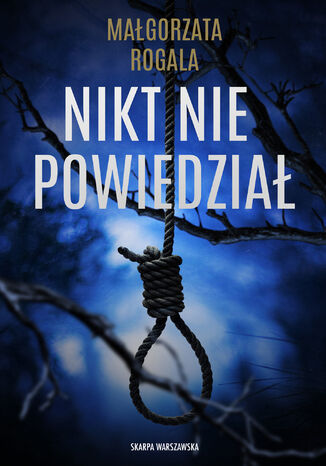
Nikt nie powiedział. Pełnia tajemnic. Tom 5
Małgorzata Rogala
To miała być miła, spokojna majówka. W życiu podkomisarz Moniki Gniewosz wreszcie zapanował spokój. Już nikt i nic nie zagraża jej rodzinie, a ona jest gotowa na nowy związek. Podczas nadchodzącej majówki, korzystając z kilkudniowej nieobecności matki i córki, zamierza spędzić więcej czasu z Michałem. Tymczasem na początku długiego weekendu zostają znalezione zwłoki powieszonego mężczyzny. Lekarz sądowy wyklucza samobójstwo. Kilkadziesiąt godzin później w taki sam sposób ginie kolejny mężczyzna, a wkrótce po nim kobieta. Śledztwo prowadzą Monika Gniewosz i Tadeusz Sokół. Przesłuchują świadków, analizują ślady i dochodzą do wniosku, że kluczem do rozwiązania zagadki jest modus operandi sprawcy. Czym kieruje się zabójca? Co łączy powieszone osoby? Prawda jest bardziej przerażająca, niż myślisz.

Nikt nie słucha starych ludzi. Prywatne śledztwo Agaty Brok t. 1
Iwona Wilmowska
Pierwszy tom serii kryminalnej zatytułowanej "Agata Brok na tropie". Agata to pracująca samotna trzydziestolatka, z dużym talentem do rozwiązywania zagadek. Kiedy jej ukochany wujek Antoni prosi ją, by przyjrzała się bliżej śmierci jego sąsiadki i przyjaciółki Leokadii, Agata postanawia mu pomóc. Policja uznała co prawda jej śmierć za samobójstwo, ale pan Antoni w to nie wierzy... Agata przystępuje do śledztwa, w którym pomaga jej kolega z pracy, Kermit. A że Agata właśnie rozstała się z chłopakiem...Wartka akcja osadzona we współczesnej Warszawie i spora dawka humoru przywodzi na myśl klasyczne kryminały Joanny Chmielewskiej. Odkryjmy więc razem - jaka była tajemnica Pani Leokadii?

Nikt nie widział, nikt nie słyszał
Małgorzata Warda
Wielowątkowa, świetnie napisana, boleśnie realistyczna powieść o zaginionych dzieciach i skutkach, jakie ich zniknięcia wywołują w życiu najbliższych. Dotyka spraw dramatycznych w delikatny, ale wyrazisty sposób. Lena od dwudziestu lat poszukuje swojej małej siostrzyczki Sary. Agnieszka mieszka w Paryżu, ale jest Polką, po latach podejrzewa, że kiedyś mogła zostać porwana. Monika ucieka z rąk psychopaty. Trzy życiorysy naznaczone zaginięciami i poszukiwaniem tożsamości, którym towarzyszą ból straty, dezorientacja i niepokój. Nastroje te udzielają się czytelnikom, którzy śledząc losy bohaterek, trafiają do świata pełnego emocji i niezwykłych doświadczeń. Inspirowana prawdziwymi wydarzeniami porywająca powieść obyczajowa z bogatym tłem psychologicznym i klimatem thrillera. Małgorzata Warda pisarka z Gdyni. Dwukrotnie nominowana do nagrody głównej Festiwalu Literatury Kobiecej; w 2013 r. otrzymała nagrodę za powieść o wykluczeniu, a trzy lata później odebrała Grand Prix tego festiwalu. Laureatka nagrody IBBY 2015 dla najlepszej książki młodzieżowej za powieść 5 sekund do Io. Jest także autorką tekstów piosenek. Z wykształcenia rzeźbiarka.
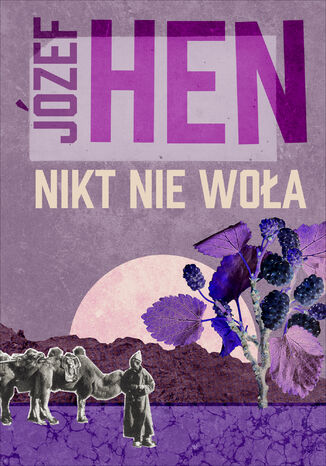
Józef Hen
„…Najpierw ucieczka ze stalingradzkiego batalionu pracy, żeby dotrzeć do armii Andersa, gdzieś w Uzbekistanie — tak, najpierw to: głód, nędza, upokorzenia. I znowu batalion pracy, ale tym razem dobrowolnie. Żeby przetrwać. To ten batalion w Angrenie pod Taszkientem. Znowu ucieczka (formalnie dezercja, za którą groziła czapa), dotarcie do armii Andersa, dramatyczna komisja — już wiadomo, że ostatnia — kolejne upokorzenie — ale wreszcie jakiś dokument, świadectwo istnienia, i do tego nieoczekiwany dar niebios: mundur, płaszcz, buty, wspaniałe angielskie buty — całkowita odmiana. A potem już Samarkanda, szkoła pedagogiczna, fabryka. I Ona...” Tak, trzeba przeczytać, bo jakże inaczej rozumieć te późniejsze strachy, emocje i tę ciszę… A dzisiaj, zwłaszcza teraz, gdy szukamy odpowiedzi, dlaczego Rosja jest taka, jak jest, warto się przyjrzeć radzieckiej duszy, jej dzikości, imperialnej determinacji i romantyczności.

Nikt nie zna mojego imienia. Dalsze zapiski syna tego kraju
James Baldwin
Tom esejów, w których James Baldwin mierzy się z kwestiami amerykańskiego rasizmu, afroamerykańskiej i amerykańskiej tożsamości, nierówności społecznych i w których wiele miejsca poświęca roli pisarza. Opowiada o Harlemie po swoim powrocie z Paryża i o podróży na amerykańskie Południe, kiedy wybuchała tam właśnie walka o równouprawnienie w szkołach. Relacjonuje paryski kongres czarnych pisarzy i artystów z 1956 roku, w którym wziął udział. Wdaje się w literackie polemiki, pisze krytycznie o Andre Gidzie i Williamie Faulknerze, kreśli portret Richarda Wrighta, starszego o pokolenie afroamerykańskiego autora, będącego najpierw jego mistrzem, a potem antagonistą. Barwnie przedstawia wieloletnią i pełną napięć przyjaźń z Normanem Mailerem. Teksty, zróżnicowane formalnie: jedne mają charakter intelektualnej spekulacji lub reminiscencji, a inne są podobne do reporterskich zapisków, dają interesujący wgląd w życie literackie lat pięćdziesiątych i atmosferę ówczesnych debat. Jak zawsze u Baldwina, na pierwszy plan wysuwa się jego własna postawa - osoby zaangażowanej, ale i samokrytycznej, niebojącej się dzielić swoimi wątpliwościami i wahaniami, próbującej opisywać rzeczy w ich złożoności, nieustannie negocjującej swój status Amerykanina.

Nikt się nie rodzi strukturalistą. Twórczość literacka Edwarda Balcerzana
Beata Małgorzata Wolska
Biografia Balcerzana zdaje się opowiadać o transformacji ról, przesuwaniu akcentów, swoistym negocjowaniu pozycji (auto)biografii w pejzażu humanistyki. Przez odsłonięcie związków między zdarzeniami z życia, teoretyzowaniem i pisaniem można dotrzeć do kluczowej w książce (i dzisiejszym literaturoznawstwie) kategorii doświadczenia, ale też odtworzyć historię dyscypliny, która w pewnym sensie reinterpretuje sama siebie. W uproszczeniu można mówić o zawieszeniu podmiotowości na początku tej historii i o triumfalnej ekspozycji „ja” w pierwszej dekadzie XXI wieku. Nawet bowiem czas triumfu semiotyki nie egzorcyzmował skutecznie podmiotowości, wdzierającej się w życie naukowe w kilku opisanych w pracy przebraniach. Podkreślam ten aspekt, bowiem takim tropem idzie badaczka: nie opisuje formalnej celności wierszy i prozy Edwarda Balcerzana, lecz ich doświadczeniowy, autobiograficzny charakter. Pokazuje przy tym, że ten trop – wycofywanie, kamuflowanie i eksponowanie podmiotowości – jest kluczowy dla rozumienia przemian dyscypliny w XX i w pierwszej dekadzie XXI wieku. Taki sposób czytania unieważnia jeden z najczęściej funkcjonujących schematów interpretacji literatury pisanej przez humanistów – poszukiwania formalnego kunsztu i tematycznych dominant. Twórczość Balcerzana w ujęciu Beaty Małgorzaty Wolskiej jest zarówno wypowiedzią na temat istoty literatury, jak i nieoczywistą notatką z życia poety. Nie chodzi w tej lekturze o dowodzenie prymatu wiedzy o literaturze nad jej praktykowaniem, lecz o spójność i niespójność będące tropem Balcerzanowego „ja”. prof. dr hab. Inga Iwasiów

Pawł Maj
OTWÓRZ SWÓJ UMYSŁ NA SPOTKANIE Z OBCYM Spokój nocnego nieba zakłóca dziwny ruch. To świetlisty punkt mknie w kierunku naszej planety. W nagłym rozbłysku obiekt dzieli się na mniejsze i po chwili ląduje na Ziemi. Ciemne jajowate kokony wbijają się w grunt. Wkrótce zaczynają pękać, a z ich szczelin coś się wydobywa. I to coś chce być znalezione... przez konkretne osoby. Odnajdujący się w nowej sytuacji Olo, odrzucona przez rodzinę Ariel i chodząca własnymi ścieżkami Nina to oni zostają wybrani. Trójkę młodych ludzi połączy wielka zagadka, próba wytrzymałości, a może i szansa na zmianę... Teleportacja, uleczanie, zmiennokształtność jakie jeszcze moce mają istoty zwane nikttu? Czy stanowią zagrożenie? A może zło czai się gdzie indziej?

Nil nisi veritas. Księga dedykowana Profesorowi Jackowi Matuszewskiemu
Marcin Głuszak, Dorota Wiśniewska-Jóźwiak
Jacek S. Matuszewski to osobowość zawsze pełna pasji twórczej, polemicznej, nauczycielskiej bądź pozaakademickiej, ujawniającej się w działaniach obywatelskich i wspólnotowych. Dorobek naukowy Jubilata to ponad sto różnorodnych publikacji, zapewnia Mu on znaczące oraz trwałe miejsce w historii polskiej nauki prawa, jak też w historii tout court. Dzięki bogactwu treści Jego prac, a także celnej formie wypowiedzi, starannie i jasno dobranym słowom, ciętym, ale i błyskotliwym sformułowaniom Jego wpływ na współczesną kulturę prawną, nie tylko naszego środowiska, jest niebagatelny. Nie wszystkie planowane prace udało Mu się do tej pory zakończyć. Możemy oczekiwać dalszych studiów nad testamentem Bolesława Krzywoustego idących w kierunku rewizji poglądów dotychczasowej historiografii nadających mu tak ważne znaczenie ustrojowe. W sferze zainteresowań J. S. Matuszewskiego znajdują się również badania nad dziejami polskiego podpisu, także problemu znaczącego nie tylko w sferze stosunków prawnych. Profesor prezentuje wyraźną skłonność naukową wynikającą z przekonania, że znacznie efektywniejsze są wyniki badań prowadzone przez więcej niż jedną osobę. Zapewnia to bowiem wielostronne, niemożliwe do uzyskania przez jedną osobę spojrzenie na opracowywane materiały, jak też pomaga uchronić przed pochopnymi wnioskami.

Franciszek Mirandola
Nim minie czar Gwiazd oglądanych nie licz, tylko patrz za temi, Których blask ci na niebie cień zasłania Ziemi, I tęsknij za tonami, które wtedy brzmiały, Gdyś gonił uchem słowa z szmerem aksamitu; Co gdyś wzrok od twej duszy odwrócił błękitu, Z jękiem lutni, co milknie, w nicość się rozwiały. Za tymi, co ci w nocy szumiały nad głową, A teraz gdzieś w twej duszy ukryły się głębi, Co leciały, jak białych szeregi gołębi Ponad morzem i wpadły w bezdeń szafirową, Za tymi patrz, co łupem stały się jastrzębi. [...]Franciszek MirandolaUr. 13 grudnia 1871 w Krośnie Zm. 3 czerwca 1930 w Krakowie Najważniejsze dzieła: Liber tristium (tomik poezji, 1898), Liryki (tomik poezji, 1902), Warszawianka 1905 roku, Tempore belli (tom nowel 1916), Tropy (tom nowel 1918) Poeta, prozaik i tłumacz okresu Młodej Polski. Sylwetka Mirandoli, w swej złożoności, być może najpełniej wyraża ducha epoki. Z wykształcenia magister farmacji; studiował również filozofię na uniwersytetach w Krakowie, Heidelbergu, Berlinie i Paryżu. Odwiedził Włochy i Anglię; podróż do Indii rozbudziła w nim fascynację buddyzmem. Pochodził z rodziny aptekarzy od pokoleń prowadzących aptekę ?Pod Jednorożcem? w Krośnie. Jego matka była spokrewniona z wynalazcą lampy naftowej, Ignacym Łukasiewiczem. Po powrocie do kraju pracował jako farmaceuta, publikując jednocześnie swoje utwory pod pseudonimem przybranym od renesansowego pisarza Francesco Pico della Mirandoli. Szczególnie godna uwagi jest jego ekspresjonistyczna proza, powstała w okresie I wojny światowej; w drugim tomie nowel Mirandola chętnie sięga po środki nowe w literaturze polskiej: paraboliczność, symbolizm, groteskę, surrealizm, baśniowość. Jego teksty oscylują z jednej strony w kierunku fantastyki, z drugiej dając wyraz ciekawym poglądom filozoficznym autora: był zdeklarowanym darwinistą zainteresowanym zarazem działaniem podświadomości (abonował czasopismo ?Sphinx?, czytał Carla du Prela i Wilhelma Huebbe-Schleidena), filozofią Wschodu czy pracami Nietzschego i Schopenhauera. Był związany z ruchem socjalistycznym i PPS, jest autorem słów do pieśni Warszawianka 1905 roku oraz innych wierszy opublikowanych w antologii Lutnia robotnicza (Kraków, 1906). W latach dwudziestych poświęcił się wyłącznie pracy przekładowej. Tłumaczył teksty wielu autorów, m.in.: Goethego, Verlaine'a, France'a, Rollanda, Kiplinga, Maeterlinka, Andersena, Knuta Hamsuna, Selmy Lagerfof, Tagore'a - jako podstawę traktując tekst niemiecki, oryginalny lub tłumaczenia. Kupując książkę wspierasz fundację Nowoczesna Polska, która propaguje ideę wolnej kultury. Wolne Lektury to biblioteka internetowa, rozwijana pod patronatem Ministerstwa Edukacji Narodowej. W jej zbiorach znajduje się kilka tysięcy utworów, w tym wiele lektur szkolnych zalecanych do użytku przez MEN, które trafiły już do domeny publicznej. Wszystkie dzieła są odpowiednio opracowane - opatrzone przypisami oraz motywami.
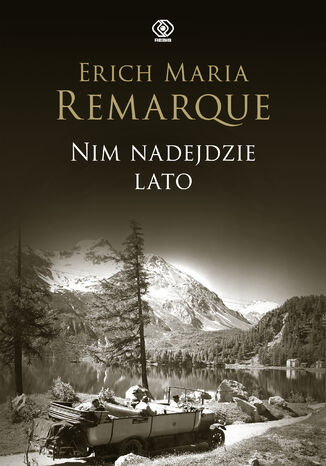
Erich Maria Remarque
Wyścigi samochodowe i związani z nimi ludzie pasje Remarque'a. On zblazowany, zbliżający się do końca kariery kierowca wyścigowy. Ona nieuleczalnie chora, piękna, dużo od niego młodsza pensjonariuszka położonego wysoko w górach sanatorium. Oboje mają za sobą traumatyczne przeżycia drugiej wojny światowej. Choć nie szukają już miłości, odnajdują ją w sobie uczucie powoli się rozpala między nimi, uciekają przed sobą i przyszłością, wracają. Czasu mają tak niewiele Na podstawie tej powieści Sidney Pollack nakręcił film Boby Deerfield z Alem Pacino i Marthe Keller w rolach głównych. Ludziom zaangażowanym w wyścigi samochodowe Remarque poświęcił również jedną ze swych najwcześniejszych powieści Przystanek na horyzoncie.

Alicja Wlazło
Podobno pierwsza miłość nie może trwać wiecznie. Podobno wypali się przy pierwszym podmuchu pędzącego życia... Czy na pewno? Theo pragnie by rodzice byli z niego dumni. Chodzi na treningi kickboxingu, jak niegdyś jego ojciec, gra również na skrzypcach, tym samym spełniając marzenie matki. Ich życie wydaje się poukładane, jednak ciągłe nieobecności ojca ciążą coraz bardziej. Vera chce tylko normalnego życia, lecz jej relacje z matką wykraczają daleko poza te panujące w zdrowej rodzinie. Żyje w stresie, strachu oraz spędza dnie na spełnianiu wygórowanych wymagań matki. Czy rodzące się pomiędzy Theo i Verą uczucie wystarczy, by przetrwać wszystko, co zgotował im los?

Szymon Rogowicz
Dystopia rozdzierająca do głębi Poruszająca powieść o miłości pomiędzy rodzicem i dzieckiem, o poświęceniu, grozie nałogu osadzona w postapokaliptycznej scenerii. Rogowicz zna tajniki duszy i serca. Pisze o nich w przejmujący sposób. Łukasz Orbitowski Nim pożrą nas ćmy opowieść o końcu świata, który może być... nowym początkiem. Wyobraź sobie, że budzisz się z kacem po fatalnej kłótni z żoną. Nie ma prądu, zasięgu, wody, nikogo na ulicach. Zostajesz tylko Ty i Twoja dwuletnia córka. Tak zaczyna się Dzień Zero początek świata bez ludzi. Dziewięć lat później Marek i jego córka Łucja wciąż żyją w opuszczonym mieście, próbując zbudować normalność w nienormalnych czasach. On ojciec z bagażem win i wątpliwości. Ona dziecko nowego świata, dla którego cywilizacja sprzed apokalipsy to już tylko blednąca baśń. Nim pożrą nas ćmy to poruszająca, intymna i zarazem niepokojąca opowieść o rodzicielstwie i człowieczeństwie wystawionym na próbę. Dla fanów Drogi Cormaca McCarthyego i Ściany Marlen Haushofer.

(Nim próg przestąpiłem celi...)
Guillaume Apollinaire
(Nim próg przestąpiłem celi...) Nim próg przestąpiłem celi Obnażyć kazano ciało Wyją sępy lub anieli Poeto! co ci się stało Łazarz wstępuje na schody Zamiast opuścić mogiłę Żegnajcie o korowody W młode lata pewnie żyłem [...]Guillaume ApollinaireUr. 26 sierpnia 1880 w Rzymie Zm. 9 listopada 1918 w Paryżu Najważniejsze dzieła: Alkohole, Poeta zamordowany, Kaligramy Własc. Wilhelm Albert Włodzimierz Apolinary de Wąż-Kostrowicki. Francuski poeta awangardowy, krytyk literacki i krytyk sztuki. Syn Polki, szlachcianki pochodzącej z Nowogródka na Litwie, i włoskiego oficera. Wychowany w Rzymie, przeniósł się do Francji po niezdanym egzaminie maturalnym. Już w szkole pisał i wydawał wiersze. W Paryżu próbował zarabiać na życie jako scenograf, potem sekretarz pisarza i nauczyciel domowy. Brał udział w życiu bohemy artystycznej Paryża, szczególnie przyjaźnił się z Pablem Picassem. Zmobilizowany w 1914 r., ranny w głowę w 1916, zmarł na hiszpańską grypę w 1918. Kupując książkę wspierasz fundację Nowoczesna Polska, która propaguje ideę wolnej kultury. Wolne Lektury to biblioteka internetowa, rozwijana pod patronatem Ministerstwa Edukacji Narodowej. W jej zbiorach znajduje się kilka tysięcy utworów, w tym wiele lektur szkolnych zalecanych do użytku przez MEN, które trafiły już do domeny publicznej. Wszystkie dzieła są odpowiednio opracowane - opatrzone przypisami oraz motywami.

Justyna Jelińska
Czasem los szykuje dla nas najlepsze niespodzianki Jagna wiedzie spokojne, poukładane życie singielki. Dobrą passę przerywa niespodziewany telefon od brata, który prosi ją o przysługę, chcąc skorzystać z bardzo ciekawej propozycji zawodowej. Choć niechętnie, Jagna zgadza się pojechać do rodzinnego domu na Suwalszczyźnie, aby zaopiekować się matką, z którą od lat ma skomplikowaną relację. To lato na zawsze odmieni jej życie. Na jaw zaczną wychodzić rodzinne mroczne sekrety, ale obok Jagny pojawi się niespodziewanie ktoś, kto pomoże jej przetrwać. I udowodni, że nawet w najgorszych momentach warto mieć iskierkę nadziei na lepsze jutro.

Justyna Jelińska
Czasem los szykuje dla nas najlepsze niespodzianki Jagna wiedzie spokojne, poukładane życie singielki. Dobrą passę przerywa niespodziewany telefon od brata, który prosi ją o przysługę, chcąc skorzystać z bardzo ciekawej propozycji zawodowej. Choć niechętnie, Jagna zgadza się pojechać do rodzinnego domu na Suwalszczyźnie, aby zaopiekować się matką, z którą od lat ma skomplikowaną relację. To lato na zawsze odmieni jej życie. Na jaw zaczną wychodzić rodzinne mroczne sekrety, ale obok Jagny pojawi się niespodziewanie ktoś, kto pomoże jej przetrwać. I udowodni, że nawet w najgorszych momentach warto mieć iskierkę nadziei na lepsze jutro.

Kazimiera Zawistowska
Nimfa Sącząc wodę z warkoczy, z łóz nadbrzeżnych wstaje I w brzóz idzie uśpione, białopienne gaje, Lotną stopą z ziół rośnych chłodne krople strąca, Wstecz rozkosznie podana pod falą miesiąca. Biódr nagość otuliwszy w mgielny zwój puszysty, Ku gwiazdom ócz ciekawych zwraca ametysty. Cała w przędzy srebrzystej rozwłóczonych cieni, Gra na siatce drgających, miesięcznych promieni. Jasnych dźwięków różaniec -- wszystkie szmerne gwary Drżą na strunach tej śpiewnej, miesięcznej cytary. [...]Kazimiera ZawistowskaUr. w 1870 r. w Rasztowcach na Podolu Zm. 28 lutego 1902 r. w Krakowie Poetka i tłumaczka. Początkowo dzięki ojcu, publicyście i daw. powstańcu styczniowym, nawiązała kontakt z czasopismami literackimi; jej wiersze drukowało krakowskie ?Życie? i ?Krytyka? oraz warszawska ?Chimera?. Jednak zbiorek jej poezji ukazał się dopiero po jej samobójczej śmierci, w 1903 r. (w oprac. Zenona Przesmyckiego). Jest autorką poezji miłosnej, w tym śmiałych jak na owe czasy erotyków oraz liryki poświęconej przyrodzie wsi podolskiej; oba tematy prowadziły poetkę do progu mistyki. Tłumaczyła symbolistów i parnasistów francuskich i belgijskich: Ch. Baudelaire'a, P. Verlaine'a, A. Samaina, A. Mockela.Kupując książkę wspierasz fundację Nowoczesna Polska, która propaguje ideę wolnej kultury. Wolne Lektury to biblioteka internetowa, rozwijana pod patronatem Ministerstwa Edukacji Narodowej. W jej zbiorach znajduje się kilka tysięcy utworów, w tym wiele lektur szkolnych zalecanych do użytku przez MEN, które trafiły już do domeny publicznej. Wszystkie dzieła są odpowiednio opracowane - opatrzone przypisami oraz motywami.
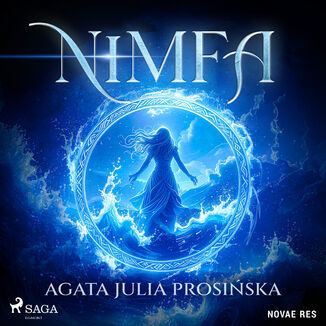
Agata Julia Prosińska
Zadaj sobie pytanie: Ty zawładniesz Eterem czy on Tobą? Bernard Oaken po pamiętnych wakacjach w Shieldaig wraca do domu w Cambridge. Niezwykłe wydarzenia, których był uczestnikiem latem, mają swój dalszy ciąg. Sprawy przybierają niezbyt fortunny obrót. Odżywają dawne kłopoty w szkole, do których dochodzi jeden nowy, równie uroczy, co kłopotliwy: Autumn będzie teraz jego koleżanką z ławki. Stanie się to źródłem wielu plotek i intryg, jednak Strażnik i sylfida będą mieli groźniejszych przeciwników niż szkolni koledzy. Będą musieli stawić czoła Zakonowi Edynburskiemu tajemniczej organizacji, której ani proweniencja, ani intencje nie są do końca znane Agata Julia Prosińska - urodzona w 1999 roku w Gołdapi dumna mieszkanka Mazur Garbatych. Autorka powieści, sztuk teatralnych oraz wierszy. Kiedy nie pisze, rysuje portrety, czyta książki, ogląda filmy i seriale oraz lepi figurki z plasteliny. Interesuje się również filozofią.

Kazimierz Przerwa-Tetmajer
Nimfy Pod księżyca złotawym, zimnym seledynem, w poblasku ciemno-mgliste morze bezwybrzeżne, mgieł lotnych pląsające stada złotopierzne i tygrysie gwiazd oczy na pustkowiu siném. Z krągłą puszystą czarą, z długim liści klinem z głębin się wydobyły na fale bezmierzne ogromne jakieś kwiaty i żółtawo-śnieżne lśnią w księżycu swych liści zimnym pergaminem. [...]Kazimierz Przerwa-Tetmajer Ur. 12 lutego 1865 w Ludźmierzu Zm. 18 stycznia 1940 w Warszawie Najważniejsze dzieła: Na Skalnym Podhalu (1910), Legenda Tatr (1912); wiersze: Eviva l'arte; Hymn do Nirwany; Koniec wieku XIX; Prometeusz; Lubię, kiedy kobieta; Widok ze Świnicy do Doliny Wierchcichej; Pieśń o Jaśku zbójniku; List Hanusi. Poeta, jeden z czołowych przedstawicieli polskiego modernizmu (Młodej Polski); spośród jego obfitej twórczości poetyckiej najistotniejsze dla historii literatury pozostają wiersze z drugiej (1894), trzeciej (1898) i czwartej (1900) serii Poezji, oddające ducha dziewiętnastowiecznego dekadentyzmu, pesymizmu egzystencjalnego, a także fascynacji myślą Schopenhauera i Nietzschego oraz mitologią i filozofią indyjską, które właściwe było pokoleniu Tetmajera, szczególnie młodopolskiej bohemie. Tetmajer zasłynął ponadto jako autor śmiałych erotyków, a także piewca górskiej przyrody Tatr i popularyzator folkloru podhalańskiego; pisał również dramaty (Zawisza Czarny, Rewolucja, Judasz), nowele i powieści (Ksiądz Piotr; Na Skalnym Podhalu; Legenda Tatr; Z wielkiego domu; Panna Mery). Był przyrodnim bratem Włodzimierza Tetmajera, stanowił prototyp postaci Poety z Wesela Wyspiańskiego. Jego ojciec, Adolf Tetmajer, brał udział w powstaniu listopadowym i styczniowym; matka, Julia Grabowska, należała do tzw. koła entuzjastek, literatek skupionych wokół Narcyzy Żmichowskiej. Podczas studiów na Wydziale Filozoficznym Uniwersytetu Jagiellońskiego (1884-1886) zaprzyjaźnił się z Lucjanem Rydlem, Stanisławem Estreicherem i Ferdynandem Hoesickiem. Zajmował się twórczością poetycką i pracą dziennikarską w "Kurierze Polskim" (współredaktor 1989--93), "Tygodniku Ilustrowanym", "Kurierze Warszawskim" i krakowskim "Czasie". Przez wiele lat pełnił funkcję sekretarza Adama Krasińskiego (wnuka Zygmunta, zajmującego się wydawaniem spuścizny autora Nie-Boskiej komedii) i w tej roli przebywał w Heidelbergu (1895). W czasie I wojny światowej był związany z legionami Piłsudskiego (redagował pismo "Praca Narodowa"); po wojnie wdał się w spór polsko-czechosłowacki o linię graniczną w Tatrach, był organizatorem Komitetu Obrony Spisza, Orawy i Podhala oraz prezesem Komitetu Obrony Kresów Południowych. W 1921 został prezesem Towarzystwa Literatów i Dziennikarzy Polskich, a w 1934 członkiem honorowym Polskiej Akademii Literatury. Drugą połowę życia poety naznaczyła choroba. Powikłania wywołane kiłą doprowadziły najpierw do zaburzeń psychicznych (które ujawniły się już podczas obchodów 25-lecia jego twórczości w 1912 r.), a w późniejszym czasie do utraty wzroku. Pod koniec życia Tetmajer egzystował dzięki ofiarności społecznej, umożliwiono mu mieszkanie w Hotelu Europejskim w Warszawie, skąd został eksmitowany w styczniu 1940 r. przez okupacyjne władze niemieckie. Zmarł w Szpitalu Dzieciątka Jezus z powodu nowotworu przysadki mózgowej oraz niewydolności krążenia. Jest pochowany na Cmentarzu Zasłużonych w Zakopanem; na warszawskich Powązkach znajduje się jego symboliczny grób. Przeczytaj artykuł o autorze w Wikipedii Kupując książkę wspierasz fundację Nowoczesna Polska, która propaguje ideę wolnej kultury. Wolne Lektury to biblioteka internetowa, rozwijana pod patronatem Ministerstwa Edukacji Narodowej. W jej zbiorach znajduje się kilka tysięcy utworów, w tym wiele lektur szkolnych zalecanych do użytku przez MEN, które trafiły już do domeny publicznej. Wszystkie dzieła są odpowiednio opracowane - opatrzone przypisami oraz motywami.

Craig Symonds
Geniusz Nimitza polegał na jego zdolności do przekonywania innych, że mogą dokonać wielkich rzeczy. Wciągająca, oparta na dogłębnym researchu i znakomicie napisana książka gen. Mike Hagee, były dowódca Korpusu Piechoty Morskiej US Navy, dyrektor generalny Admiral Nimitz Foundation Craig Symonds ma niezwykłą umiejętność. Umożliwia czytelnikowi spojrzenie oczami admirała, który zaplanował odpowiedź Floty Pacyfiku USA na atak na Pearl Harbor. Znakomicie napisana i naprawdę ekscytująca książka. Pozostanie na długie lata najważniejszą opowieścią o Nimitzu Andrew Roberts, historyk i bestsellerowy autor Genialna i wyważona relacja o tym, jak admirał Nimitz dowodził największą kampanią morską w historii. Ponadczasowy podręcznik doskonałego dowodzenia Richard B. Frank, historyk wojskowości specjalizujący się w wojnie na Pacyfiku To on wygrał II wojnę światową na Pacyfiku. Kilka dni po klęsce w Pearl Harbor Franklin D. Roosevelt mianuje adm. Chestera W. Nimitza głównodowodzącym Floty Pacyfiku USA. Admirał nie jest ani najstarszym, ani najbardziej doświadczonym spośród dowódców US Navy. Ale to on podniesie z kolan upokorzoną i zdewastowaną amerykańską marynarkę wojenną i przekształci ją w najpotężniejszą siłę morską w historii. Stoczy szereg krwawych bitew z Japończykami. Cztery lata później na pokładzie pancernika USS Missouri Nimitz będzie patrzył, jak przedstawiciele pokonanego Cesarstwa Japonii podpisują bezwarunkową kapitulację. Wykorzystując kwaterę główną Nimitza jako punkt obserwacyjny, Symonds opisuje wszystkie główne kampanie na Pacyfiku, od Guadalcanalu do Okinawy. Mistrzowski portret genialnego dowódcy.
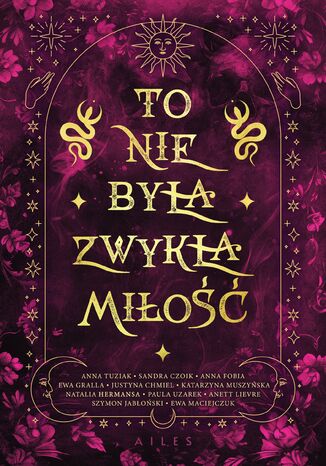
Nina Gralla
Opowiadanie z antologii "To nie była zwykła miłość". Stan zakochania zawsze ma w sobie pewną magię A co jeśli tej magii jest wyjątkowo dużo, a wokół dochodzi do przedziwnych wydarzeń? To nie była zwykła miłość to antologia jedenastu historii pełnych emocji i nadprzyrodzonych mocy. Autorzy zabiorą czytelnika do świata fantastyki i zjawisk paranormalnych, a stworzeni przez nich bohaterowie będą musieli zmierzyć się nie tylko z niecodziennymi sytuacjami, ale i z własnymi uczuciami. Książka wydana przez Wydawnictwo Ailes, Hm... zajmuje się dystrybucją.
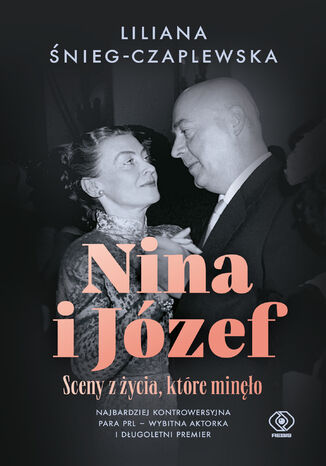
Nina i Józef. Sceny z życia, które minęło
Liliana Śnieg-Czaplewska
Portret najbardziej kontrowersyjnej pary PRL. Nina Andrycz i Józef Cyrankiewicz. Królowa polskiej sceny i najdłużej urzędujący premier PRL. Ich ślub w 1947 roku był sensacją, nigdy wcześniej nie było w Polsce takiego mariażu aktorki i polityka. Zamieszkali w luksusowym apartamencie przy słynnej alei Róż 8. Krążyły o nich legendy. Ona nie chciała mieć dzieci. On zdradzał ją na potęgę. Rozwiedli się w 1968 roku. On zmarł w 1989, w roku upadku PRL, ona w roku 2014 w wieku 102 lat. Z jakich pochodzili rodzin? Jakie były koleje ich losu? Kto był największą miłością Niny? Co sprawiło, że Józef, syn endeka, stał się socjalistą? Dlaczego ich małżeństwo nie przetrwało? Ile prawdy jest w legendach i anegdotach o kaprysach aktorki? Wnikliwa biografia autorstwa Liliany Śnieg-Czaplewskiej to frapująca opowieść o Ninie i Józefie, a także o czasach, w jakich żyli.

George Orwell
George Orwells novel 1984 is one of the best dystopian novels. Winston Smith, male, 39, works for the Ministry of Truth. Smiths job is to change the facts. If a person objectionable to the party appears, then you need to erase information about him, and rewrite some facts properly. Society must follow the laws of the Party and support its policy. The main character only pretends that his ideals coincide with the ideas in the party, but in fact he fiercely hates her politics.
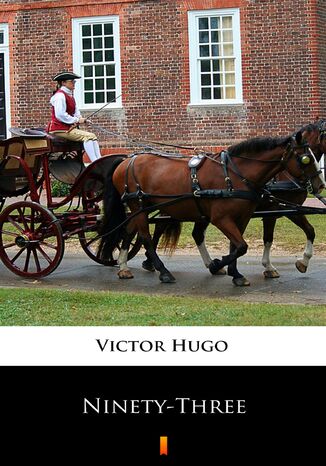
Victor Hugo
The historical novel of the famous and my beloved French writer, a fiery patriot of his homeland, a convinced democrat and great humanist. Hugo, in his novel, imbued with the spirit of freedom and humanity, shows the greatness of the revolutionary coup of the end of the 18th century, the fearlessness and heroism of the French revolutionary people, who staunchly defended their homeland from counter-revolutionary rebels and from foreign interventionists. Glorifying the courage of the French revolutionaries of the late 18th century, their patriotic devotion.

Mad Bartnicka
Kiedy jedna z najbliższych osób Niny Płońskiej przepada bez wieści, w jej życiu z dnia na dzień nastaje chaos. Początkowo dziewczyna widzi przed sobą tylko jeden cel - odnaleźć Romana. Jednak w miarę, jak nadzieje na szczęśliwe zakończenie tego wątku bledną, pojawia się konieczność poukładania się w życiu na nowo. Tymczasem jedne zmiany pociągają za sobą kolejne i nic już nie jest takie samo jak dawniej...