
Wydawca: 16
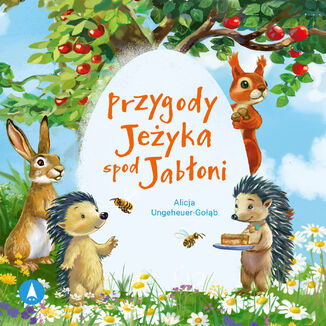
Alicja Ungeheuer-Gołąb
Pod koniec roku do ogrodu Marcina i jego rodziców wprowadził się jeż. Zadomowił się pod Jabłonią i zaczął gromadzić zapasy na zimę. Szybko się okazało, że nie jest jedynym mieszkańcem okolicy. Zyskał nowych przyjaciół. Oni pomogli jemu, a on też nie zostawił ich w potrzebie. Alicja Ungeheuer-Gołąb proponuje małym czytelnikom mądrą, ciepłą opowieść o zwierzątkach, które razem się bawią i razem pokonują kłopoty. Sympatyczni bohaterowie pomagają dzieciom zrozumieć prawdę, że nawet mały może wiele, jeśli wierzy w siebie i ma wiernych przyjaciół. Wyjątkową opowieść dopełniają ciepłe i radosne ilustracje Kazimierza Wasilewskiego.
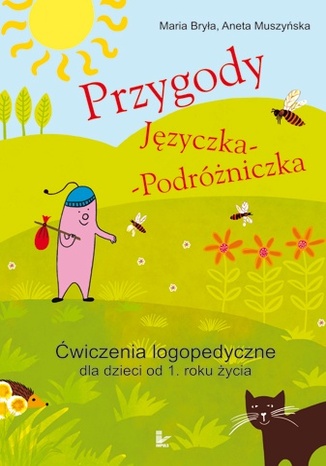
Przygody Języczka Podróżniczka
Bryła Maria, Muszyńska Aneta
Bajeczki o sympatycznym Języczku-Podróżniczku, z którym dziecko poznaje i odwiedza różne miejsca, mają na celu usprawnienie aparatu artykulacyjnego dzieci. Ćwiczenia dotyczą najbardziej zniekształcanych przez dzieci szeregów głosek. Bajeczki zostały opracowane w taki sposób, aby mogły z nich korzystać logopedzi, nauczyciele, rodzice zarówno w czasie zajęć indywidualnych, jak i grupowych w przedszkolu, szkole, domu. Stopień trudności opowiadań jest zróżnicowany zwiększa się wraz z wiekiem dziecka, a jednocześnie opowiada etapom rozwoju mowy i pojawiania się w nich określonych głosek. Proponowane ćwiczenia mają uatrakcyjnić proces nauki mowy głosek, jednak nie mogą zastąpić terapii logopedycznej.
Przygody komendanta Wilczka. Powieść
Jerzy Bandrowski
Jerzy Bandrowski to polski pisarz, dziennikach oraz tłumacz z języka angielskiego, żyjący w latach 18891940. Pisał powieści obyczajowe oraz dla dzieci, np. W kraju orangutanów i rajskich ptaków (1922), Na polskiej fali (1927), a także powieści sensacyjne w postaci scenariuszy filmowych, np. Przygody komendanta Wilczka (1929). W 1951 roku wszystkie jego powieści zostały objęte cenzurą i wycofane ze wszystkich bibliotek w Polsce.
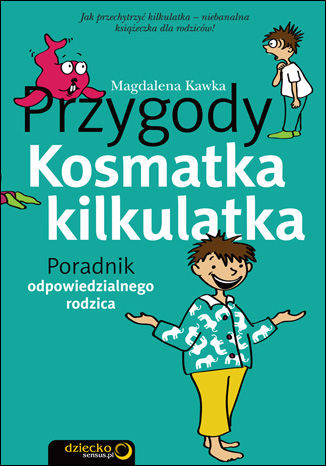
Przygody Kosmatka kilkulatka. Poradnik odpowiedzialnego rodzica
Magdalena Kawka
Jak przechytrzyć kilkulatka — niebanalna książeczka dla rodziców! Mądre wychowywanie dzieci nie jest najłatwiejszą sprawą na świecie, ale przy odrobinie cierpliwości i uporu każdy rodzic może osiągnąć wspaniałe rezultaty. Aby to jednak osiągnąć, warto stale poszerzać swoją wiedzę na temat skutecznych metod działania, wypracowywania dobrych nawyków oraz subtelnego kształtowania charakteru dziecka. Z pewnością przyda się także opanowanie pradawnej sztuki pozostawania przy zdrowych zmysłach i zachowywania odrobiny prywatności w oku szalejącego cyklonu, wywołanego przez samą obecność naszej pociechy. Konfrontacja rodzicielskich oczekiwań z potrzebami i emocjami przedszkolaka bywa bardzo trudna, na szczęście w takich chwilach z pomocą przyjdzie Ci ta znakomita książka Magdaleny Kawki. "Przygody Kosmatka kilkulatka. Poradnik odpowiedzialnego rodzica" to pozycja przeznaczona dla rodziców przedszkolaków. Dzięki niej cała rodzina nie tylko zobaczy świat oczami trzyletniego Kosmy, próbującego odnaleźć się w świecie dorosłych, ale także pozna perypetie Mamy, Taty i Babci, próbujących skierować jego ogromną inwencję i kreatywność na działania akceptowalne dla otoczenia. W kolejnych rozdziałach książki Czytelnik znajdzie nie tylko zabawne historie, ale także bardzo przydatne wskazówki dla dorosłych, dotyczące m.in. sposobu interpretowania zachowania małego dziecka, postępowania w sytuacjach kryzysowych i odpowiedzialnego zachowywania się w codziennym życiu. Pamiętaj! Nikt z nas nie jest idealny i wszyscy mamy prawo czasem popełniać błędy. Spróbuj zrozumieć własne dziecko — to wcale nie jest niemożliwe.

Przygody kota Afika. Bajki pełne dobrych myśli
Piotr Pogodny
Przygody kota Afika to świat pełen dobrych myśli. Wzrusza, śmieszy, pobudza do myślenia, a przede wszystkim buduje pewność siebie, zdrową samoocenę i poczucie wartości u maluchów. Bajki pełne dobrych myśli przychodzą też z pomocą rodzicom. Są bowiem dobrym początkiem do rozmów na trudne tematy: jak wytłumaczyć dziecku, że czegoś im nie kupimy, dlaczego nie warto uogólniać, mówiąc: ty zawsze, albo ty nigdy, co robić, gdy maluch wciąż ślimaczy się podczas ubierania, jak skutecznie zachęcić do sprzątania zabawek po skończonej zabawie i chyba jeden z najważniejszych tematów: jak radzić sobie z nauką samodzielności, gdy według dziecka dużo fajniejsze jest, kiedy to niemal wszystko robią za niego rodzice. Ciepły głos lektora sprawi, że dzieci słuchać będą bajek niemal na okrągło, a w domu coraz częściej rozbrzmiewać będą szybko wpadające w ucho rymowanki
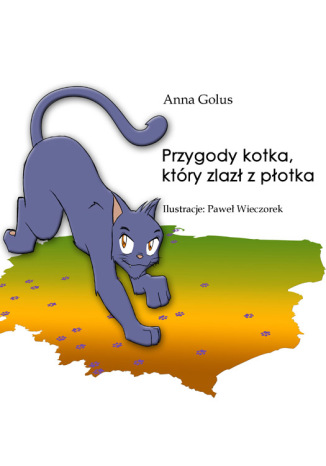
Przygody kotka, który zlazł z płotka
Anna Golus
"Przygody kotka, który zlazł z płotka" to cykl limeryków - wierszyków geograficznych - dla dzieci w wieku przedszkolnym i wczesnoszkolnym. Mały czytelnik towarzyszy kotkowi w podróży przez Polskę, przeżywa wraz z nim przygody i zabawne perypetie, jednocześnie obserwując jego drogę na mapie i poznając nazwy i położenie wielu miast w naszym kraju. "Przygody kotka, który zlazł z płotka" to zawierająca treści edukacyjne wesoła historia z morałem i zaskakującym zakończeniem. Pozycja obowiązkowa dla małych podróżników i kocich przyjaciół! Idealna w podróży i do poduszki, a nawet... do kolorowania! Zobacz wersję "Pomaluj kotka, który zlazł z płotka"!
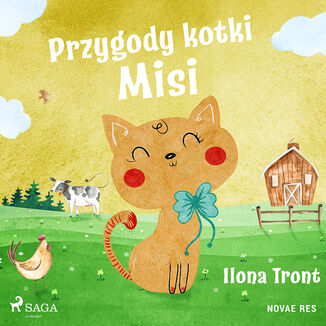
Ilona Tront
Ile znaczy dla nas spotkanie i rozmowa z drugim człowiekiem? Jak zrozumieć skomplikowany świat dorosłych? Czego można się nauczyć obserwując zachowania swoich opiekunów i przyjaciół? Odpowiedzi na te i podobne pytania szukajcie w zabawnej, pełnej przygód opowieści o przygodach kotki Misi. O czym dokładnie jest ta książka? Wokół nas żyje dużo zwierząt. Niektóre z nich trzymamy w domach, inne mieszkają w zagrodach czy ogrodach zoologicznych. Nie zdajemy sobie sprawy, że one też mają swoje rodziny, swoje uczucia i problemy, z którymi muszą się mierzyć każdego dnia. Reakcje kotki Misi, Brutusa, Pawia i innych bohaterów tej książki są podpowiedzią na przeróżne sytuacje, np. jak nie krzywdzić innych swoim postępowaniem, jak pomagać i współczuć innym w potrzebie, szanować rodziców i swój dom oraz swoją małą ojczyznę. Ponadto zwierzątka uczą zgody, kompromisów, przepisów drogowych, szlachetności, szacunku do środowiska i kultury osobistej. Przestrzegą przed zbytnim zaufaniem obcym i uzależnieniem się od rzeczy. Wspominają o higienie osobistej i odpowiedzialności za podjęte decyzje. Książka Ilony Front to zbiór pełnych empatii i optymizmu opowiadań o rezolutnej kotce poznającej świat u boku wiernych przyjaciół. Jeśli szukacie książeczki napisanej prostym językiem i przyjaznej młodemu odbiorcy, która przekazuje uniwersalne i godne naśladowania wartości, koniecznie sięgnijcie po przygody kotki Misi. Człowiek niejednokrotnie mógłby uczyć się od zwierząt" - mówi w pewnym momencie jedna z bohaterek przygód kotki Misi. Niech ta mądra książeczka będzie dla was nie tylko dobrą zabawą, ale też pożyteczną nauką.

Robert Louis Stevenson
Wkrocz do fascynującego świata fikcyjnego niemieckiego księstwa Grunewald, gdzie Robert Louis Stevenson, znany głównie z przygodowych powieści, prezentuje swoją zadziwiającą wszechstronność literacką. "Przygody księcia Ottona" to błyskotliwe połączenie romansu, intrygi politycznej i satyry społecznej, gdzie tytułowy książę Otto - idealista i marzyciel - musi zmierzyć się z bezwzględnymi realiami władzy, zdradą najbliższych i własnymi słabościami. Gdy jego piękna, lecz ambitna żona księżna Serafina knuje spisek, a dramatyczne wydarzenia zmuszają księcia do ucieczki przez dzikie górskie lasy, rozpoczyna się podróż, która odmieni nie tylko jego życie, ale i losy całego księstwa. Ta niedoceniana perełka w dorobku Stevensona zachwyca wyrafinowanym stylem, psychologiczną głębią postaci i mistrzowskim obrazem dworskich intryg, stanowiąc fascynujące studium władzy, miłości i odkrywania prawdziwych wartości. Daj się porwać tej wyjątkowej opowieści, która udowadnia, że autor "Wyspy skarbów" potrafił tworzyć równie porywające narracje w zupełnie odmiennych konwencjach literackich.

Gilbert Keith Chesterton
Ksiądz Brown to w historii światowej literatury detektywistycznej postać porównywalna z Sherlockiem Holmesem czy Herculesem Poirot. Ewenementem jest, że bohater sensacyjnych opowiadań G.K. Chestertona to kapłan katolicki. W czasach, gdy powstawały owe utwory, angielskie elity opiniotwórcze przedstawiały katolicyzm jako religię irracjonalną, sprzeczną z rozumem. Tymczasem ksiądz Brown okazuje się mistrzem analitycznego rozumowania, które doprowadza go do rozwiązania wielu zagadek kryminalnych. Demaskując jednego z przestępców bohater wypowiada charakterystyczne zdanie, że sprawcę zgubiło traktowanie religii katolickiej jak zabobonu a duchownych jak bezmyślnych funkcjonariuszy.

Gilbert K. Chesterton
Zapraszamy do przesłuchania zbioru kilkunastu opowiadań, które wprowadzą w klimat dawnej Anglii pełnej zagadek i dziwnych zdarzeń. Stań w szranki z niepospolitym umysłem księdza i spróbuj pierwszy rozwiązać sprawy, przed, którymi stawał zacny księżulo. Przygody księdza Browna to klasyk angielskiego kryminału, który jako jeden z pierwszych wprowadza postać kapłana do tego rodzaju powieści. Motyw ten, później często zapożyczany przez innych pisarzy, czy filmowców nigdy nie mógł się równać z przysadzistym księżulem stworzonym przez Chestertona. Gdyż skromny ksiądz Brown nie tylko znajduje skradzione brylanty, demaskuje morderców, ale także pomaga tym, którzy tego chcą, nie bojąc się stawić czoła osobnikom niebezpiecznym. Dzięki analitycznemu umysłowi bohatera i logicznemu dochodzeniu do rozszyfrowania zagadki, możemy zobaczyć, jak rozwiązuje się sprawy kryminalne w starym, ale nietrącącym myszką, stylu.
Przygody Madiki z Czerwcowego Wzgórza
Astrid Lindgren
Zbiorowe wydanie dwóch książek Astrid Lindgren: Madika z Czerwcowego Wzgórza oraz Madika i berbeć z Czerwcowego Wzgórza. Madika i Lisabeth dwie pełne wdzięku i fantazji dziewczynki żyją w domu na Czerwcowym Wzgórzu. Madika chce być miła i grzeczna, niestety rzadko jej się to udaje. Ale to chyba nie jej wina, że bez przerwy wpada na takie wspaniałe pomysły? Czasem nawet duże dziewczynki muszą sprawdzić, jak się lata z parasolem z dachu drewutni i czy w pralni sąsiadów naprawdę mieszkają duchy. Przecież liczy się dobra zabawa! Te pogodne, pełne mądrości opowieści o dzieciństwie, o tym, co małe bohaterki bawi i cieszy, i o tym, co je nierzadko głęboko zasmuca, są wyrazem prawdziwej radości życia.
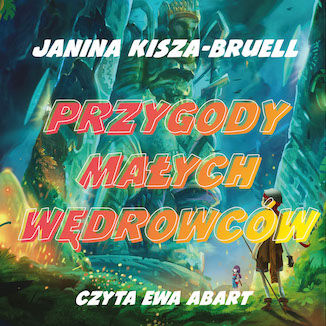
Janina Kisza-Bruell
Przygody Małych Wędrowców to opowiadanie o czwórce rodzeństwa, które stanęło przed wyzwaniem podróży do Królestwa za Błękitnymi Górami. Posługując się mapą i otrzymanymi wskazówkami, dzieci wybierają się w pełną zwrotów akcji wyprawę. Historia tej wędrówki to alegoria życia, w którym brak posłuszeństwa oraz charakter człowieka stają się przeszkodą, by słyszeć głos Króla.
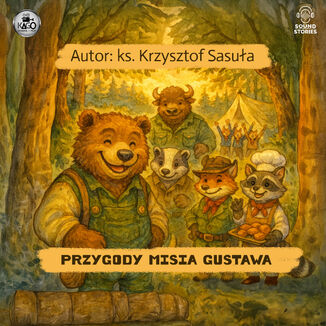
Krzysztof Sasuła
"Przygody Misia Gustawa" Audiobook: Słuchowisko Gatunek: Bajka dla dzieci W sercu tajemniczego i skrytego lasu, dzieją się niezwykłe przygody! To tutaj w szeregach elitarnej Leśnej Straży, dzielny Miś Gustaw oraz jego wierny, choć czasem niesforny przyjaciel Borsuk Bartek, uczą się co znaczy stać na straży porządku, prawdy i przyjaźni. "Przygody Misia Gustawa" to 17 krótkich opowieści, przeznaczonych dla najmłodszych słuchaczy, a każda z pogodnych historyjek jest pełna humoru i zwrotów akcji. Każda niesie z sobą cenną lekcję o odpowiedzialności, umiarze, przebaczeniu i bezinteresownej pomocy. To idealna pozycja do wspólnego słuchania, która pobudza dziecięcą wyobraźnię, a dorosłym przypomina o tym, co w życiu ważne i istotne. Lektor - Kamil Dawid Gałuszka Realizacja - Kacper Kolado Oprawa Muzyczna - Kacper Kolado Nagranie zrealizowane przez studio - soundstories.pl
Edith Nesbit
Przygody Młodych Bastablów to trzeci tom sagi o sześciorgu rodzeństwa, które w poprzednich tomach szukało skarbu i pisało złotą księgę dobrych uczynków. Dzieci nadal nie mogą narzekać na brak przygód. Ich wrażliwość nie pozwala im przejść obojętnie obok żadnego nieszczęścia każdemu z wielką ochotą pomagają, co rodzi wiele zabawnych, nieprzewidywalnych sytuacji.
Edith Nesbit
Rodzina Bastablów znana była z ubóstwa, ale też i z uczciwości. Skromny nasz dom, mieszczący się przy ulicy Lewisham, wiele pozostawiał do życzenia. Toteż pragnąc rodzinie Bastablów przywrócić dawną jej świetność i chwałę, jak się mówi w książkach, zajęliśmy się poszukiwaniem skarbu. Sześcioro, a raczej siedmioro - jeżeli do poszukiwaczy zaliczyć i ojca - zabrało się do tego dzieła. Mam nawet wrażenie, że tatuś najgorliwiej pracował w tym kierunku, ale biedaczek nie umiał brać się do rzeczy (Fragment)
Edith Nesbit
"Przygody Młodych Bastablów" to kolejny tom sagi o sześciorgu rodzeństwa, które w poprzednich częściach szukało skarbu i pisało złotą księgę dobrych uczynków. W tej kontynuacji, dzieci nadal nie mogą narzekać na brak przygód. Ryszard, Oswald, Noel i reszta braci i sióstr wciąż wykazują swoją niezwykłą pomysłowość w trosce o polepszanie losu bliźnich, dotkniętych rzeczywistym bądź wyimaginowanym nieszczęściem. W ich szlachetnych intencjach kryją się nieprzewidywalne, zaskakujące i niekoniecznie zamierzone skutki. Edith Nesbit wciąga nas w świat dziecięcej wyobraźni, humoru i przygód, tworząc historię, która zachwyci zarówno młodszych, jak i starszych czytelników. 2024 Wydawnictwo Błysk (Audiobook): 9788368186031
Edith Nesbit
Przygody młodych Bastablów Część pierwsza I. Archibald Niemiły Rodzina Bastablów znana była z ubóstwa, ale też i z uczciwości. Skromny nasz dom, mieszczący się przy ulicy Lewisham, wiele pozostawiał do życzenia. Toteż pragnąc rodzinie Bastablów przywrócić „dawną jej świetność i chwałę”, jak się mówi w książkach, zajęliśmy się poszukiwaniem skarbu. Sześcioro, a raczej siedmioro — jeżeli do poszukiwaczy zaliczyć i ojca — zabrało się do tego dzieła. [...]Edith NesbitUr. 15 sierpnia 1858 w Kennington (dziś część Londynu) Zm. 4 maja 1924 w New Romney (w płd.-wsch. Anglii) Najważniejsze dzieła: Pięcioro dzieci i coś (Five Children and It), Poszukiwacze skarbu (The Story of the Treasure Seekers), Księga smoków (The Book of Dragons) Angielska pisarka i poetka, autorka kilkudziesięciu książek dla dzieci. Ojciec Edith Nesbit był inżynierem chemikiem, zmarł przed jej czwartymi urodzinami. Rodzina często się przeprowadzała, mała Edith spędzała wiele czasu w szkołach lub u krewnych, długo nie widując matki ani czwórki rodzeństwa. W 1880 wyszła za mąż za urzędnika Huberta Blanda. Urodziła czworo dzieci. Wyznawała postępowe poglądy, nosiła krótkie włosy i sukienki, co było rzadkie w tym czasie. Była związana z Towarzystwem Fabiańskim, które walczyło z nierównościami społecznymi i postulowało stopniowe zastępowanie ustroju kapitalistycznego sprawiedliwszym porządkiem socjalistycznym. W 1897 Edith opublikowała wspomnienia z czasów szkolnych w piśmie dla młodzieży, a w latach 1899-1904 powstała trylogia o przygodach młodych Bastable'ów. Najbardziej znaną jej książką jest Pięcioro dzieci i coś. Pisywała też poezje, powieści i opowiadania dla dorosłych. Kupując książkę wspierasz fundację Nowoczesna Polska, która propaguje ideę wolnej kultury. Wolne Lektury to biblioteka internetowa, rozwijana pod patronatem Ministerstwa Edukacji Narodowej. W jej zbiorach znajduje się kilka tysięcy utworów, w tym wiele lektur szkolnych zalecanych do użytku przez MEN, które trafiły już do domeny publicznej. Wszystkie dzieła są odpowiednio opracowane - opatrzone przypisami oraz motywami.

Przygody mowy. Proza Mariana Pankowskiego wobec problematyki reprezentacji
Michał Bandura
"Rozprawa Michała Bandury to rezultat bardzo dobrej znajomości nie tylko samej twórczości Mariana Pankowskiego, ale też jej dotychczasowej krytycznej recepcji. Jest nadto świadectwem rozległej erudycji w zakresie teorii i historii literatury oraz dowodem wnikliwości analityczno-interpretacyjnej, jak również samodzielnie wypracowanych i ciekawie argumentacyjnie wyłożonych koncepcji metodyczno-typologicznego rozumienia idiomatycznych cech tego pisarstwa. Przede wszystkim zaś jest starannie przemyślaną i wykonaną monografią problemową form (i wariantów) językowo-literackiej reprezentacji, w których artykułowały się figury podmiotu oraz postaci rzeczywistości, nadające specyficzne rysy twórczości prozatorskiej Mariana Pankowskiego - jednego z najbardziej oryginalnych polskich pisarzy XX wieku". Z recenzji prof. dr. hab. Ryszarda Nycza
Przygody Mruczusia i jego kumpli
Grzegorz Radym
Akcja toczy się w szkole "Pod Rozłożystym Dębem" w Leśnym Osiedlu niedaleko dużego miasta. Zwierzątka lubią chodzić do szkoły, bardzo są z sobą zżyte i przeżywają różne przygody. Bawiąc się zdobywają wiedzę.
Przygody Mruczusia i jego kumpli
Grzegorz Radym
Akcja toczy się w szkole "Pod Rozłożystym Dębem" w Leśnym Osiedlu niedaleko dużego miasta. Zwierzątka lubią chodzić do szkoły, bardzo są z sobą zżyte i przeżywają różne przygody. Bawiąc się zdobywają wiedzę.

Przygody na okręcie "Chancellor“
Juliusz Verne
“Przygody na okręcie „Chancellor“” to powieść Juliusza Verne’a, uznanego za jednego z pionierów gatunku science fiction. Powieść ta została spisana w formie pamiętnika jednego z pasażerów statku "Chancellor", płynącego z Karoliny Południowej do Wielkiej Brytanii. Statek ulega katastrofie, a rozbitkowie przeżywają wydarzenia pełne grozy.

Przygody niezwykłych bohaterów
Paweł Maj
Nie ma nic lepszego od wspólnego rodzinnego czytania takiego, które sprawia, że na twarzach dzieci pojawia się uśmiech. Przygody niezwykłych bohaterów" ukazują świat widziany z dziecięcej perspektywy. Opisują sprawy trudne, bolesne bądź obce dziecięcemu doświadczeniu. To zbiór bajek terapeutycznych, które w przystępny dla dziecka sposób przedstawiają takie tematy jak adopcja, choroba, przeprowadzka, nocne strachy czy pójście do przedszkola. Razem z Zimową Owieczką, Kaczką Krzykaczką czy ślimakiem Winicjuszem mały czytelnik krok po kroku przebywa całą drogę wyjścia z lęku. Dzięki temu jest w stanie pojąć problem i uczy się, jak go pokonać.
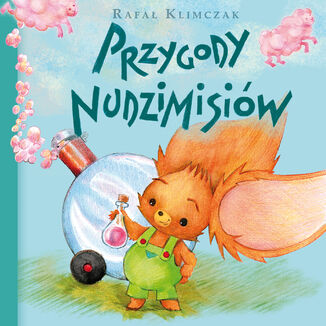
Rafał Klimczak
W krainie nudzimisiów jak zwykle dużo się dzieje. Hubek bawi się skonstruowaną przez Czarusia maszyną do robienia chmur. Postanawia poeksperymentować, co kończy się wielkim bum! Tymczasem w świecie ludzi pomocy potrzebuje Ludwiczek. Dzięki pomysłowemu Hubkowi odkrywa, że nudne wcześniej szachy są niezwykle fascynującą grą. Nudzimisie nie zostawiają w potrzebie także Julki. Wykorzystując swoje budowlane talenty, pomagają dziewczynce odzyskać zainteresowanie koleżanek. Nikt przecież nie lubi bawić się sam! Zupełnie nie przeszkadza to Aldebardowi, którego Hubek zabiera na plantację kakaowca. Po co i w jakim celu? Tego dowiedzcie się już sami!
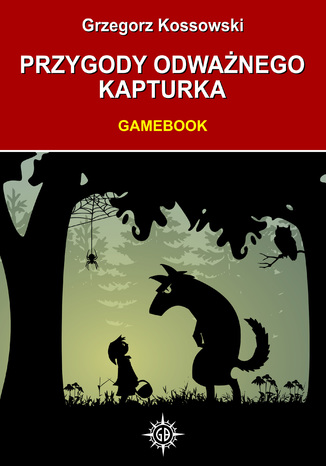
Przygody odważnego Kapturka. Gam
Grzegorz Kossowski
"Przygody odważnego Kapturka" to książka pełna nieposkromionej chęci przeżycia przygody. Autor wykorzystuje tu formę hipertekstu, nawiązując zarówno do korzeni, takich jak "Gra w klasy" Cortázara czy klasyki gatunku - serii "Fighting Fantasy" - stworzonej przez Jacksona i Livingstone'a. Oto czytelnik, podczas lektury, zostaje postawiony przed koniecznością wyboru przebiegu fabuły, która kpi sobie z liniowości. Co więcej, od jego decyzji zależy przyszłość bohatera utworu. "Przygody..." realizują ten cel wyśmienicie, wprowadzając jednocześnie młodego czytelnika lub słuchacza (jeśli jeszcze nie umie czytać) w świat alternatywnych rozwiązań, konsekwencji wyboru i kształtowania wyobraźni. Kochani, oddaję w wasze ręce gamebooka dla dzieci (i nie tylko). Czym jest gamebook? To książka, której fabułę tworzy się w trakcie czytania, dokonując wyboru odpowiednich paragrafów. Niestety, gatunek nieco umarły, m.in. ze względu na wszechobecne gry komputerowe. A przecież powszechnie wiadomo, że to właśnie literatura rozwija wyobraźnię, bez której nie byłoby... komputerów! Celem, jaki stawiam sobie jako autor jest: * aby rodzice mogli poczytać swoim dzieciom i spędzić z nimi więcej czasu. * aby za każdym razem opowieść była inna, dzięki wyborom dokonywanym przez same dzieci. * aby w trakcie lektury szkraby nauczyły się, że w życiu ponosi się konsekwencje dokonanych wyborów. * aby wreszcie odciągnąć maluchy choć na chwilę od komputerów, pokazując, że jest coś takiego, jak wyobraźnia. Był raz sobie Kapturek, Co miał dość już powtórek I przygody wciąż nowe chciał przeżyć Zaraz znalazł autora, Co przygody, jak z wora, Wciąż wyciągał, aż trudno uwierzyć Autor wszystko spisywał, Co Kapturek przeżywał Wydeptując tak ścieżki wśród buków Podpytajcie się wilka On historii też kilka znalazł już w tym gamebooku...