
Wydawca: 16
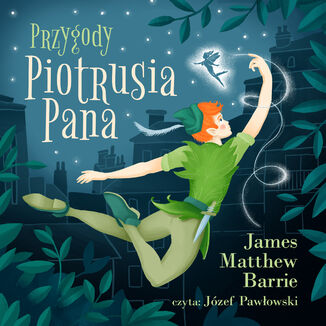
James Matthew Barrie
Przygody Piotrusia Pana to historia maleńkiego chłopca, który uciekając z domu do magicznego parku, został w nim na noc i już nigdy nie mógł powrócić do właściwej ludzkiej natury. Piotruś Pan jest idolem dla innych dzieci, odwiedzających Park Leśny, każdy chciałby choć raz go zobaczyć, porozmawiać z nim i pobawić się. Jednak nie jest to takie łatwe, gdyż park jest zamykany zawsze o stałej porze i nikt nie może pozostać w nim po zmroku. Jednak są dzieci, którym się to udało… Jak potoczą się losy dzielnego, małego chłopca? Czy Piotruś Pan powróci kiedykolwiek do swojego domu? Co czeka niesforną dziewczynkę, której jednak udało się spędzić noc w parku?
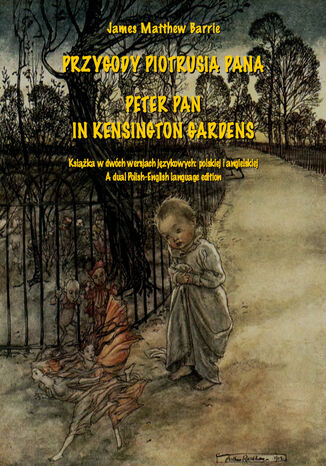
Przygody Piotrusia Pana. Peter Pan in Kensington Gardens
James Matthew Barrie
Przygody Piotrusia Pana. Peter Pan in Kensington Gardens. Książka w dwóch wersjach językowych: polskiej i angielskiej. A dual Polish-English language edition. Barrie stworzył Piotrusia Pana na potrzeby historii, które opowiadał synom Sylvii Llewelyn Davies, należącej do grona jego najbliższych przyjaciół, a imię postaci jest połączeniem imienia najmłodszego z chłopców, Petera, oraz greckiego boga lasów i pasterzy Pana. Kiedy Sylvia zmarła na raka parę lat po śmierci swego męża, Barrie został jednym z oficjalnych opiekunów ich synów. Głównym bohaterem jest tytułowy Piotruś Pan, psotny chłopiec, który nie chce dorosnąć. Piotruś, znakomity szermierz, spędza swe niekończące się, pełne przygód dzieciństwo na wyspie Nibylandii, przewodząc grupie Zaginionych Chłopców. Powieść zawiera elementy fantastyczne: Piotruś posiada pewne magiczne zdolności (np. potrafi latać), a do jego przyjaciół zalicza się wróżka Dzwoneczek. Głównym antagonistą Piotrusia jest Kapitan Hak. [https://pl.wikipedia.org/wiki/Piotruś_Pan_(powieść)]
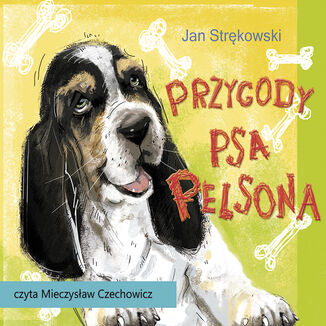
Jan Strękowski
Audiobook dla wielbicieli psów, dawnego „Misia” i talentu Mieczysława Czechowicza! Nigdy niepublikowane nagrania opowiadań Jana Strękowskiego o przygodach psa Pelsona w genialnej interpretacji Mieczysława Czechowicza, słynnego aktora, który niegdyś użyczał głosu Misiowi Uszatkowi. Pelson to zabawny i nieco nieporadny młody basset o długim ciele i długich uszach, który bardzo lubi jeść i poznawać świat w trakcie wypraw na podwórko, do lasu i na pobliską łąkę. Z zaciekawieniem obserwuje go wiewiórka Ewunia, nieco złośliwy kot Zieleniec, a mama Pela zawsze na niego czeka w domu. Opowiadania o przygodach Pelsona były publikowane w „Misiu” na przełomie lat osiemdziesiątych i dziewięćdziesiątych. Czyta Mieczysław Czechowicz
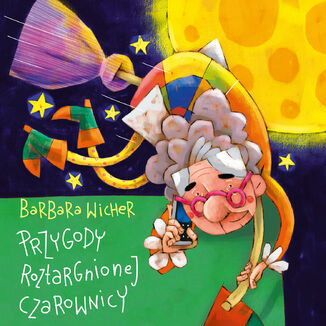
Przygody roztargnionej czarownicy
Barbara Wicher
Nina odkrywa, że jej ulubiona sąsiadka, pogodna, sympatyczna staruszka, jest dyplomowaną czarownicą. I to czarownicą, która ciągle wpada w tarapaty! Flora zgubiła właśnie różdżkę, która służyła jej od 100 lat dosłownie do wszystkiego: lepienia pierogów, sprzątania, przełączania programów telewizyjnych. I jak na złość akurat teraz musi przygotować nowe zaklęcie na zlot czarownic. Czy dziewczynce uda się wybawić Florę z kłopotów? Czy w tej sytuacji mogą pomóc cukierki prawdomówności? I co wspólnego mają czary z totolotkiem? Nie lada gratka dla samodzielnie czytających dzieci duże litery i quiz sprawdzający umiejętność czytania ze zrozumieniem.

Arthur Conan Doyle
Niezawodny duet z Baker Street kolejny raz stawia czoło kryminalnym zagadkom. Przygody Sherlocka Holmesa" to pierwszy zbiór opowiadań o pracy najsłynniejszego detektywa. Wykorzystując metodę dedukcji rozszyfrowuje każdą, nawet najbardziej tajemniczą sprawę. Jego ekscentryczne zachowanie zaskakuje, dziwi i rozśmiesza, jednak ostatecznie pozwala na dotarcie do prawdy. Holmes nierzadko znajduje się w niebezpieczeństwie. Na szczęście zawsze może liczyć na pomoc wiernego przyjaciela i kronikarza wydarzeń, doktora Watsona. Z jakimi wyzwaniami zmierzą się tym razem?

Arthur Conan Doyle
Niezawodny duet z Baker Street kolejny raz stawia czoło kryminalnym zagadkom. Przygody Sherlocka Holmesa" to pierwszy zbiór opowiadań o pracy najsłynniejszego detektywa. Wykorzystując metodę dedukcji rozszyfrowuje każdą, nawet najbardziej tajemniczą sprawę. Jego ekscentryczne zachowanie zaskakuje, dziwi i rozśmiesza, jednak ostatecznie pozwala na dotarcie do prawdy. Holmes nierzadko znajduje się w niebezpieczeństwie. Na szczęście zawsze może liczyć na pomoc wiernego przyjaciela i kronikarza wydarzeń, doktora Watsona. Z jakimi wyzwaniami zmierzą się tym razem?

Przygody Sherlocka Holmesa. Część I. Angielski z Arthurem Conanem Doylem
Conan Doyle, Ilya Frank
Angielski Przy Okazji! Pełny Angielski Tekst. 100% Tłumaczenia! Ucz się angielskiego czytając ciekawe książki, przygotowane według Metody Edukacyjnego Czytania Ilyi Franka ———————– Opis serii: Książki z serii Metoda Edukacyjnego Czytania Ilyi Franka służą do nauki języka angielskiego przy okazji czytania ciekawych książek w języku oryginalnym z wplecionym dosłownym polskim tłumaczeniem. Metoda polega na specjalnej adaptacji treści w taki sposób że cała zawartość książki jest podzielona na akapity. Najpierw czytamy akapit, z wplecionym polskim tłumaczeniem i niektórymi gramatycznymi i fonetycznymi wyjaśnieniami. Następnie ten sam akapit czytamy już bez tłumaczenia, w oryginalnym języku, czyli „płyniemy bez asekuracji”. Właśnie wtedy nasz mózg przyzwyczaja się do rozumienia języka obcego. Całość jest na tyle spójna, że odbiorca ma poczucie czytania książki w oryginale i przyswaja język, znajdując się w naturalnym stanie rozluźnienia i zaciekawienia treścią. U podstaw Metody leżą między innymi założenia Sugestopedii dr. G Łozanowa, a także prace Jego następców i samodzielnych lingwistów, A.Leontieva, G. Kitajgorodskiej. Seria zawiera dzieła klasyków literatury brytyjskiej i amerykańskiej i w ten sposób przybliża czytelnikowi specyfikę anglojęzycznej kultury. Język oryginału nie jest w żaden sposób uproszczony ani skrócony. Opis książki/treści: Idealny wybór dla osób, lubiących poczuć dreszczyk emocji. I część przygód legendarnego detektywa Sherlocka Holmesa obejmuje pięć następujących opowiadań: A Scandal in Bohemia (Skandal w Czechach), The Red-headed League (Liga Rudowłosych), The Man with the Twisted Lip (Człowiek z rozdwojoną wargą), The Adventure of the Blue Carbuncle (Przygoda błękitnego karbunkułu) oraz The Speckled Band (Nakrapiana przepaska). W każdej historii pojawia się zagadka kryminalna – często skomplikowana i nietypowa – która zawsze zostaje rozwiązana dzięki niezawodnym metodom Holmesa.

Przygody Sherlocka Holmesa. Część II. Angielski z Arthurem Conanem Doylem
Conan Doyle, Ilya Frank
Angielski Przy Okazji! Pełny Angielski Tekst. 100% Tłumaczenia! Ucz się angielskiego czytając ciekawe książki, przygotowane według Metody Edukacyjnego Czytania Ilyi Franka ———————– Opis serii: Książki z serii Metoda Edukacyjnego Czytania Ilyi Franka służą do nauki języka angielskiego przy okazji czytania ciekawych książek w języku oryginalnym z wplecionym dosłownym polskim tłumaczeniem. Metoda polega na specjalnej adaptacji treści w taki sposób że cała zawartość książki jest podzielona na akapity. Najpierw czytamy akapit, z wplecionym polskim tłumaczeniem i niektórymi gramatycznymi i fonetycznymi wyjaśnieniami. Następnie ten sam akapit czytamy już bez tłumaczenia, w oryginalnym języku, czyli “płyniemy bez asekuracji”. Właśnie wtedy nasz mózg przyzwyczaja się do rozumienia języka obcego. Całość jest na tyle spójna, że odbiorca ma poczucie czytania książki w oryginale i przyswaja język, znajdując się w naturalnym stanie rozluźnienia i zaciekawienia treścią. U podstaw Metody leżą między innymi założenia Sugestopedii dr. G Łozanowa, a także prace Jego następców i samodzielnych lingwistów, A.Leontieva, G. Kitajgorodskiej. Seria zawiera dzieła klasyków literatury brytyjskiej i amerykańskiej i w ten sposób przybliża czytelnikowi specyfikę anglojęzycznej kultury. Język oryginału nie jest w żaden sposób uproszczony ani skrócony. Opis książki/treści: To już II część przygód legendarnego detektywa Sherlocka Holmesa i jeszcze więcej opowiadań. Idealna propozycja dla osób lubiących poczuć dreszczyk emocji. W zbiorze znajduje się aż siedem następujących opowiadań: The Six Napoleons (Sześciu Napoleonów), The Three Students (Trzech studentów), The Second Stain (Druga plama), The Musgrave Ritual (Rytuał Musgrave’ów), The Noble Bachelor (Nobliwy kawaler), The Beryl Coronet (Diadem z berylami), The Resident Patient (Stały pacjent). W każdej historii pojawia się zagadka kryminalna – często skomplikowana i nietypowa – która zawszezostaje rozwiązana dzięki niezawodnym metodom Holmesa.

Bolesław Leśmian
Poetycka opowieść dla dzieci autorstwa Bolesława Leśmiana nawiązuje do postaci Sindbada Żeglarza z arabskiej Księgi tysiąca i jednej nocy. Jednak na kanwie wątków wschodnich poeta napisał całkiem nową historię mieszkający w Bagdadzie Sindbad za namową Diabła Morskiego udaje się w obfitującą w przygody podróż, która odmieni jego życie. Wydarzenia na granicy jawy i snu wzbudzają zachwyt w czytelnikach w każdym wieku.
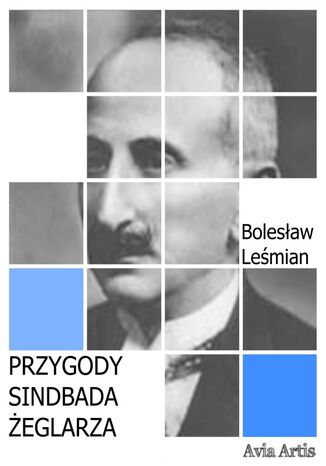
Bolesław Leśmian
„Przygody Sindbada żeglarza” to baśń Bolesława Leśmiana, twórcy nowego typu ballady w XX wieku, jak i jednego z najwybitniejszych przedstawicieli literatury dwudziestolecia międzywojennego. „Przygody Sindbada żeglarza” to ciekawa baśń z pogranicza poezji i prozy Bolesława Leśmiana. Opowiada ona o niesamowitych przygodach tytułowego bohatera, który skuszony przez Diabła Morskiego opuszcza swojego wuja - nieudolnego poetę, aby wyruszyć w morską podróż po świecie.

Bolesław Leśmian
Przygody Sindbada żeglarza Przygoda wstępna Nazywam się Sindbad. Mieszkam stale w Bagdadzie. Rodzice moi, umierając, zostawili mi w spadku tysiąc worów złota, tysiąc beczek srebra, sto pałaców, sto ogrodów i jeden trzonowy ząb mego pradziadka, który ojciec mój przechowywał w hebanowej szkatułce, jako pamiątkę i osobliwość. Pradziadek mój przez całe życie chorował na ból zębów i co pewien czas inny ząb musiał wyrywać, tak że w końcu jeden mu tylko ząb trzonowy pozostał. [...]Bolesław LeśmianUr. 22 stycznia 1878 r. w Warszawie Zm. 7 listopada 1937 r. w Warszawie Najważniejsze dzieła: zbiory wierszy: Sad rozstajny (1912), Łąka (1920), Napój cienisty (1936), Dziejba leśna (1938); zbiory baśni prozą: Klechdy sezamowe (1913), Przygody Sindbada Żeglarza (1913) i Klechdy polskie Wybitny polski poeta, eseista, prozaik i tłumacz tworzący w Młodej Polsce i dwudziestoleciu międzywojennym. Pochodził ze spolszczonej inteligenckiej rodziny Lesmanów. Spokrewniony z A. Langem i J. Brzechwą. Ukończył studia prawnicze w Kijowie. Współtworzył ?Chimerę? i Teatr Artystyczny w Warszawie. Jego poezję cechował symbolizm, sensualizm, mistycyzm, spirytyzm, zainteresowanie paranormalnością, postulowanie powrotu do natury (poeta jako ?człowiek pierwotny?), poszukiwanie miejsca Boga w świecie, ale i egzystencjalne spory ze stwórcą. Nawiązywał do ludowości (tworząc neologizmy oraz własne mity i postaci), stylistycznie do baroku i romantyzmu, ideowo do filozofii Nietzschego i Bergsona. Mistrz wiersza sylabotonicznego. W 1933 r. został członkiem Polskiej Akademii Literatury. autor: Alicja Szulkowska Kupując książkę wspierasz fundację Nowoczesna Polska, która propaguje ideę wolnej kultury. Wolne Lektury to biblioteka internetowa, rozwijana pod patronatem Ministerstwa Edukacji Narodowej. W jej zbiorach znajduje się kilka tysięcy utworów, w tym wiele lektur szkolnych zalecanych do użytku przez MEN, które trafiły już do domeny publicznej. Wszystkie dzieła są odpowiednio opracowane - opatrzone przypisami oraz motywami.

Bolesław Leśmian
Leśmian opisał siedem przygód Sindbada. Każda przygoda rozpoczyna się morską wyprawą i wysyła bohatera utworu w najdziwniejsze miejsca na Ziemi. Każdej towarzyszy gorące uczucie bohatera do pięknej księżniczki. Podróże naszego żeglarza obfitują w niesamowite spotkania, nie wszystkie bezpieczne. Niektóre perypetie Sindbada są zabawne, inne trochę przerażające, za to wszystkie niesamowicie oryginalne i utrzymane w klimacie orientu.

Bolesław Leśmian
Leśmian opisał siedem przygód Sindbada. Każda przygoda rozpoczyna się morską wyprawą i wysyła bohatera utworu w najdziwniejsze miejsca na Ziemi. Każdej towarzyszy gorące uczucie bohatera do pięknej księżniczki. Podróże naszego żeglarza obfitują w niesamowite spotkania, nie wszystkie bezpieczne. Niektóre perypetie Sindbada są zabawne, inne trochę przerażające, za to wszystkie niesamowicie oryginalne i utrzymane w klimacie orientu.

Bolesław Leśmian
Pełna poezji i uroku opowieść o przygodach młodego Sindbada. Chłopiec mieszka w Bagdadzie w pałacu wuja Tarabuka. Pewnego dnia zachęcony przez Diabła Morskiego postanawia wypłynąć w daleki świat. Poznaje smak prawdziwej przygody, wielkich wypraw i morskich podróży. Magiczne istoty i zwierzęta, baśniowi bohaterowie, drogocenne skarby, piękne księżniczki to tylko nieliczne z niezwykłych spotkań Sindbada. Młody żeglarz zawsze ratuje się ze straszliwych opresji i bezpiecznie wraca do Bagdadu, do zwariowanego wuja Tarabuka. Książka do słuchania w znakomitej interpretacji Jacka Kissa.

Przygody Sindbada Żeglarza. (wydanie arabsko-polskie)
Brak
"Przygody Sindbada Żeglarza" to pierwsza książka nowej, dwujęzycznej serii Czytanki Orientalne. Będzie ona prezentowała skarby literatur orientalnych zarówno w wersji oryginalnej, jak i w przekładzie najwybitniejszych polskich orientalistów. "Przygody Sindbada Żeglarza" w nowym tłumaczeniu Jolanty Kozłowskiej zaczerpnięto z "Baśni tysiąca i jednej nocy" bodaj najbardziej znanego arcydzieła literatury arabskiej, od lat zachwycającego czytelników na całym świecie.
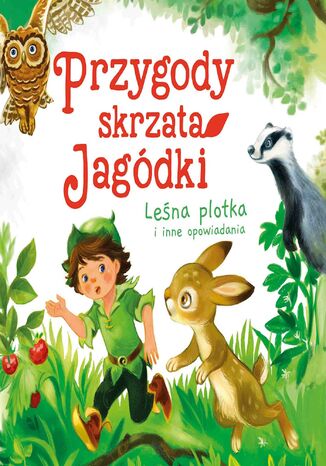
Przygody skrzata Jagódki. Leśna plotka i inne opowiadania
Ewa Stadtmüller
Skrzat Jagódka odetchnął rześkim powietrzem pachniało leśną przygodą! Ile magii kryją sowie księgozbiory i ślimacze marzenia? Dlaczego plotka niesie się jak pierze na wietrze? Czy tylko kwiat rozkwita bądź więdnie w oczach? I czy taka zima straszna, jak ją malują? Dowiecie się, poznając dobroduszne skrzaty i ich przyjaciół: wiewiórkę Rudą Skórkę, sowę Mądrą Głowę, zajączka Kicaja i misia Barnabę. Ciepłe i pełne humoru opowieści Ewy Stadtmüller. Jak las lasem, takich historii jeszcze nie było!
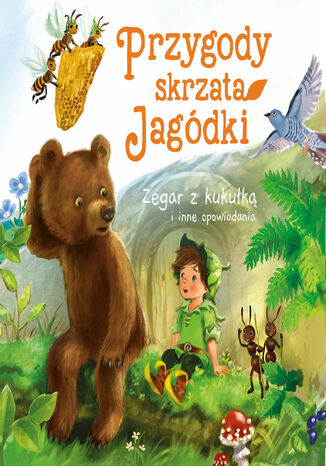
Przygody skrzata Jagódki. Zegar z kukułką i inne opowiadania
Ewa Stadtmüller
Skrzat Jagódka odetchnął rześkim powietrzem pachniało leśną przygodą! Czy w zegarze może mieszkać kukułka, a tchórz zostać złotą rybką? Co znaczy, że każdy wije niepowtarzalne gniazdo? Dlaczego przyjaźń jest cenna niczym skarb? I czemu niestraszne jej nawet szerszenie? Dowiecie się, poznając dobroduszne skrzaty i ich przyjaciół: wiewiórkę Rudą Skórkę, sowę Mądrą Głowę, zajączka Kicaja i misia Barnabę. Ciepłe i pełne humoru opowieści Ewy Stadtmüller. Jak las lasem, takich historii jeszcze nie było!

Alphonse Daudet
Powieść pełna przygód i humoru. Kto będzie prezydentem Klubu Alpejskiego po następnych wyborach: Tartarin, który wygodnie spędza swoje dni w domu, czy zbrojmistrz Costecalde, który odważnie prowadzi taraskończyków do ataku na Pic-des-Géants lub Mont-Terrible (200 metrów nad poziomem morza)? Odpowiedź zdaje się być przewidywalna, chyba że... chyba że... Właśnie! Dlatego w straszny sierpniowy poranek Tartarin stawia czoła mgle i śniegowi, które konkurują ze sobą, by zasłonić tak okropny dlań widok na Alpy. Czy Tartarin podoła wyzwaniu? Czy trzeba się o niego martwić? Nie zapominajmy: Opatrzność czuwa!

Przygody Telepatka i Melepetka
Magda Bielicka
Pełna ciepła i przygód opowieść o sile przyjaźni, współpracy i odwadze, które pozwalają pokonać nawet największe wyzwania. Mądry Telepatek i żywiołowy Melepetek to dwie dzielne myszki zamieszkujące przytulną norkę w domu Gertrudy Lofritz. Ich stosunki z samą gospodynią i jej wnuczką Ireną nie prezentują się może najlepiej, ale za to sympatyczne gryzonie mają wielu przyjaciół wśród innych zwierzęcych lokatorów wiejskiej posiadłości, niektórych całkiem zaskakujących. A gdyby to nie wystarczyło, żeby wypełnić ich życie przygodami, zawsze mogą liczyć na sprytnych kuzynów z miasta, których pojawienie się zwykle oznacza kłopoty. Z Telepatkiem, Melepetkiem i ich kompanami nie można się nudzić! Dołącz do nich! Magda Bielicka autorka książki dla dzieci zatytułowanej Przygody Telepatka i Melepetka opublikowanej po raz pierwszy w 2016 roku.
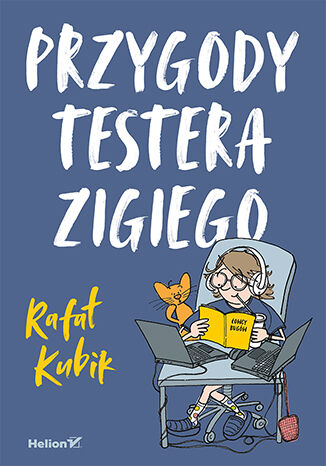
Rafał Kubik_
Nazywam się Zygfryd. Tester Zygfryd Zigi to postać fikcyjna - warta poznania! Autor książki, sam będący od wielu lat testerem, wyposażył swojego bohatera we własne doświadczenia. Dołożył do nich trochę "case'ów", które widział, o których słyszał lub czytał, ubrał je w przystępne słowa i sfabularyzował dla podkręcenia opowieści. Część historii wymyślił w taki sposób, aby pokazać konkretne zagadnienie związane z testowaniem nie w postaci nudnej teorii czy definicji, ale w kontekście sytuacji, która mogłaby się wydarzyć w prawdziwym życiu. Rafał Kubik stworzył postać testera Zygfryda i umieścił go w środku akcji, by pokazać zarówno problemy, z jakimi zmagają się testerzy w swojej pracy, jak i ich tok rozumowania, wnioski wyciągane z sukcesów i porażek. Wybrał tematy związane z oddzielnymi dziedzinami testowania i poruszył różne wątki. Czytając o Zigim, początkujący testerzy zobaczą, jak inni, którzy również są na starcie, radzą sobie w projektach, na co zwracają uwagę rekruterzy i czy warto się przebranżowić. Osoby doświadczone zaś znajdą tutaj ciekawe sytuacje z projektów, w których tester Zigi radzi sobie najlepiej, jak potrafi. Na końcu książki znajduje się słowniczek z trudniejszymi pojęciami, na wypadek gdyby przytoczone określenia i skrótowce używane w IT były dla Czytelnika czymś nowym.

Mark Twain
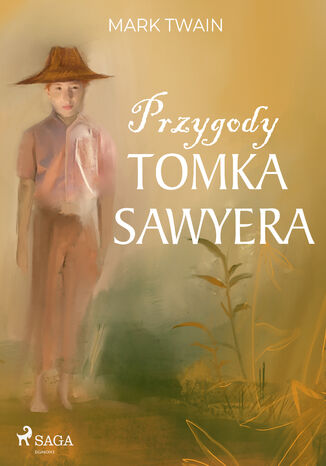
Przygody Tomka Sawyera (tytuł oryginalny The Adventures of Tom Sawyer) – powieść dla młodzieży amerykańskiego pisarza Marka Twaina z 1876 roku; pierwsze polskie wydanie – rok 1901. Akcja całej powieści toczy się w miasteczku St. Petersburg nad rzeką Missisipi i najbliższej okolicy. Tomaszem opiekuje się ciotka Polly, z którą chodzi do szkółki niedzielnej. W domu mieszka z ciotką, młodszym przyrodnim bratem Sidem i kuzynką Mary. W powieści, której głównym wątkiem są przygody chłopca w małym miasteczku, Mark Twain ukazuje ówczesne życie i obyczajowość.
Mark Twain
Nudną rzeczywistość małego miasteczka może przełamać tylko bujna wyobraźnia. Wie o tym doskonale żywiołowy chłopak o imieniu Tomek Sawyer. Wychowuje go skromna ciotka Polly, która czasem nie nadąża za jego pomysłami. Ale jak być opanowanym i spokojnym, kiedy na świecie czeka tyle przygód? Świat bywa jednak również niebezpieczny... Chłopiec przekonuje się o tym, gdy razem ze swoim najlepszym przyjacielem Huckiem Finnem przypadkiem stają się świadkami morderstwa. Od tego momentu muszą bardzo na siebie uważać. Indianin Joe pragnie się na nich zemścić. W dodatku, żeby tego było mało, Tomek dowiaduje się, gdzie zostały ukryte zrabowane pieniądze. Język, postacie i poglądy zawarte w tej publikacji nie odzwierciedlają poglądów ani opinii wydawcy. Utwór ma charakter publikacji historycznej, ukazującej postawy i tendencje charakterystyczne dla czasów z których pochodzi.

Mark Twain
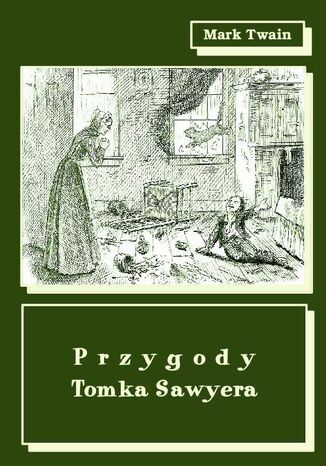
“Przygody Tomka Sawyera” to słynna powieść dla młodzieży amerykańskiego pisarza Marka Twaina którego William Faulkner nazwał „ojcem amerykańskiej literatury”. Akcja powieści toczy się w miasteczku St. Petersburg nad rzeką Missisipi i najbliższej okolicy. Tomek jest sierotą, mieszka z ciotką, młodszym przyrodnim bratem Sidem i kuzynką Mary. Głównym wątkiem powieści są wspaniałe przygody chłopca w małym miasteczku. Kontynuacją Przygód Tomka Sawyera są “Przygody Huck’a”
Mark Twain
Przygody Tomka Sawyera to przepiękna przygodowa powieść dla młodzieży amerykańskiego pisarza Marka Twaina. Akcja całej powieści toczy się w miasteczku St. Petersburg nad rzeką Missisipi i w jego najbliższej okolicy. Tomek - jak można domyślić się z lektury powieści - jest sierotą, którym opiekuje się ciotka Polly. Ciotka dba nie tylko o potrzeby jego ciała, nie tylko go karmi i ubiera, lecz również o wykształcenie chłopca i o jego duszę, posyłając go w dni powszednie do szkoły, a w niedziele do szkółki niedzielnej i zabierając z całą rodziną na nabożeństwa. Tomek mieszka w domu z ciotką, młodszym przyrodnim bratem Sidem i kuzynką Mary. W powieści, której głównym wątkiem są przygody chłopca w małym miasteczku, Mark Twain ukazuje ówczesne życie i obyczajowość. Powieść jest pełna humoru ale miejscami trzyma też w napięciu. Mamy tu i przygody chłopców i pierwszą miłość i skarby i bandytów...