
Verleger: 16

Przygody dobrego wojaka Szwejka
Jaroslav Hašek
Wielkie czasy wymagają wielkich ludzi. Istnieją bohaterowie nieznani, skromni, bez sławy i historii Napoleona. (...) Dzisiaj na ulicach praskich możecie spotkać steranego życiem człowieka, który sam nawet nie wie, jakie znaczenie ma w historii nowych wielkich czasów. Idzie sobie skromnie swoją drogą, nikomu się nie naprzykrza i jemu też nie naprzykrzają się dziennikarze, którzy domagaliby się od niego wywiadu. Gdybyście go zapytali, jak się nazywa, odpowiedziałby wam skromniutko i prosto: „Jestem Szwejk”. Otóż ten cichy, skromny człowiek jest naprawdę tym starym, poczciwym wojakiem Szwejkiem, mężnym i statecznym, który niegdyś za czasów Austrii był na ustach wszystkich obywateli królestwa czeskiego, a którego sława nie zagaśnie nawet w republice. Bardzo kocham zacnego wojaka Szwejka i opisując jego losy czasu wojny światowej, mam nadzieję, że wy wszyscy będziecie sympatyzowali z tym skromnym, nieznanym bohaterem. On nie podpalił świątyni bogini w Efezie, jak to uczynił ten cymbał Herostrates, aby się dostać do gazet i do czytanek szkolnych. To wiele. (Ze wstępu Autora). Starannie przygotowane wydanie jednego z bestsellerów wszech czasów. Nieśmiertelny klasyk literatury w nowoczesnej formie ebooka. Pobierz go już dziś na swój podręczny czytnik i ciesz się lekturą w dowolnym momencie!
Przygody dobrego wojaka Szwejka
Jaroslav Hašek
Klasyka literatury w nowej edycji to znakomity pretekst, by powrócić do dzieł wybitnych i ważnych - przypomnieć je sobie, przeżyć i zinterpretować na nowo lub odkryć, czytając po raz pierwszy. Seria obejmuje arcydzieła polskiej i światowej literatury pięknej - utwory, które mimo upływu lat wciąż zachwycają, intrygują, wzruszają i skłaniają do refleksji.
Przygody dobrego wojaka Szwejka podczas wojny światowej
Jaroslav Hašek
Przygody dobrego wojaka Szwejka podczas wojny światowej to wciągające perypetie Józefa Szwejka z Pragi, sprzedawcy psów i pucybuta. Wydarzenia odwołują się do realiów historycznych i doświadczeń czeskiego autora Jaroslava Haška, tworząc przesycony ironią obraz świata początku XX wieku. Obfitość anegdot i cynicznego humoru nie przesłania antywojennego i antyaustriackiego wydźwięku powieści.
Przygody dobrego wojaka Szwejka podczas wojny światowej
Jaroslav Hasek
„Przygody dobrego wojaka Szwejka podczas wojny światowej” to antywojenna powieść czeskiego pisarza Jaroslava Haška, której bohaterem jest Józef Szwejk, sprzedawca psów i pucybut porucznika Lukasza. Powieść Haška jest w dużej mierze książką opartą na faktach i doświadczeniach autora i jego przyjaciół. Prawdziwe jest nie tylko tło historyczne i geograficzne oraz realia dotyczące ówczesnej Pragi. Zdecydowana większość niehistorycznych bohaterów książki (a może nawet wszyscy) miało swoje pierwowzory w rzeczywistości, nierzadko obdarzone tymi samymi nazwiskami. Można też założyć, że część anegdot występujących w powieści wydarzyła się naprawdę, a większość z nich była gdzieś opowiedziana Haszkowi. Zdarzało się, iż po publikacji książki jej bohaterowie kontaktowali się z autorem, by wyrazić swoje pretensje, uwagi bądź podziękowanie.
Przygody dobrego wojaka Szwejka podczas wojny światowej
Jaroslav Hašek
Jaroslav Hašek Ur.30 kwietnia 1883 w Pradze Zm.3 stycznia 1923 w Lipnicy nad Sazawą Najważniejsze dzieła: Przygody dobrego wojaka Szwejka podczas wojny światowej (1921-23) Czeski pisarz, publicysta i dziennikarz. W młodości współpracował z różnymi czasopismami, na krótko związał się z ruchem anarchistycznym, krytykował policyjny reżim Austro-Węgier. W 1915 wcielony do wojska, trafił do niewoli rosyjskiej, w 1916 zgłosił się jako ochotnik do Korpusu Czechosłowackiego, po wybuchu rewolucji w 1918 wstąpił do Armii Czerwonej i do czeskiej socjaldemokratycznej partii robotniczej. W 1920 powrócił do kraju, rezygnując z zaangażowania politycznego i poświęcając się działalności literackiej. Światową sławę zdobył powieścią Przygody dobrego wojaka Szwejka, satyrą na wojsko i monarchię austro-węgierską czasów I wojny światowej. Kupując książkę wspierasz fundację Nowoczesna Polska, która propaguje ideę wolnej kultury. Wolne Lektury to biblioteka internetowa, rozwijana pod patronatem Ministerstwa Edukacji Narodowej. W jej zbiorach znajduje się kilka tysięcy utworów, w tym wiele lektur szkolnych zalecanych do użytku przez MEN, które trafiły już do domeny publicznej. Wszystkie dzieła są odpowiednio opracowane - opatrzone przypisami oraz motywami.

Przygody dobrego wojaka Szwejka podczas wojny światowej. Tom 1-2
Jaroslav Hašek
Przygodami dobrego wojaka Szwejka literatura czeska przebojem wbiła się do literatury światowej. Bohater powieści Jaroslava Haška to niepozorny człowieczek, postawiony w obliczu tępej machiny biurokratyczno-wojskowej. Broni się przed nią mieszaniną sprytu i szyderstwa, demaskuje małość otoczenia. Wykonuje otrzymywane rozkazy tak dokładnie, że sprowadza całą sytuacęj d absurdu. Jego dążenie do przetrwania, ubrane w maskę ślepego posłuszeństwa, doprowadza zwierzchników do bezsilnego szału. Nie wiedzą, czy mają do czynienia z genialnym kpiarzem, czy kompletnym matołem. Powieść jest arcydziełem literatury antywojennej. Stanowi podzwonne dla rozlatującej się monarchii austro-węgierskiej. Obnaża knowania polityków, których efektem jest rzeź milionów ludzi podczas strasznej wojny.
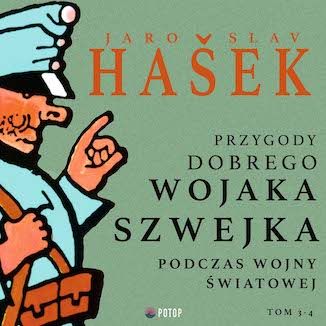
Przygody dobrego wojaka Szwejka podczas wojny światowej. Tom 3-4
Jaroslav Hašek
Przygodami dobrego wojaka Szwejka literatura czeska przebojem wbiła się do literatury światowej. Bohater powieści Jaroslava Haška to niepozorny człowieczek, postawiony w obliczu tępej machiny biurokratyczno-wojskowej. Broni się przed nią mieszaniną sprytu i szyderstwa, demaskuje małość otoczenia. Wykonuje otrzymywane rozkazy tak dokładnie, że sprowadza całą sytuacęj d absurdu. Jego dążenie do przetrwania, ubrane w maskę ślepego posłuszeństwa, doprowadza zwierzchników do bezsilnego szału. Nie wiedzą, czy mają do czynienia z genialnym kpiarzem, czy kompletnym matołem. Powieść jest arcydziełem literatury antywojennej. Stanowi podzwonne dla rozlatującej się monarchii austro-węgierskiej. Obnaża knowania polityków, których efektem jest rzeź milionów ludzi podczas strasznej wojny.
Przygody dobrego wojaka Szwejka podczas wojny światowej, tom I i II
Jaroslav Hašek
Jaroslav Hašek Przygody dobrego wojaka Szwejka podczas wojny światowej tłum. Paweł Hulka-Laskowski ISBN 978-83-288-2305-1 Tom pierwszy. Szwejk na tyłach Wstęp Wielkie czasy wymagają wielkich ludzi. Istnieją bohaterowie nieznani, skromni, bez sławy i historii Napoleona. Analiza ich charakteru zaćmiłaby jednak sławą nawet Aleksandra Macedońskiego. Dzisiaj na ulicach praskich możecie spotkać steranego życiem człowieka, który sam nawet nie wie, jakie znaczenie ma ... Jaroslav Hašek Ur.30 kwietnia 1883 w Pradze Zm.3 stycznia 1923 w Lipnicy nad Sazawą Najważniejsze dzieła: Przygody dobrego wojaka Szwejka podczas wojny światowej (1921-23) Czeski pisarz, publicysta i dziennikarz. W młodości współpracował z różnymi czasopismami, na krótko związał się z ruchem anarchistycznym, krytykował policyjny reżim Austro-Węgier. W 1915 wcielony do wojska, trafił do niewoli rosyjskiej, w 1916 zgłosił się jako ochotnik do Korpusu Czechosłowackiego, po wybuchu rewolucji w 1918 wstąpił do Armii Czerwonej i do czeskiej socjaldemokratycznej partii robotniczej. W 1920 powrócił do kraju, rezygnując z zaangażowania politycznego i poświęcając się działalności literackiej. Światową sławę zdobył powieścią Przygody dobrego wojaka Szwejka, satyrą na wojsko i monarchię austro-węgierską czasów I wojny światowej. Kupując książkę wspierasz fundację Nowoczesna Polska, która propaguje ideę wolnej kultury. Wolne Lektury to biblioteka internetowa, rozwijana pod patronatem Ministerstwa Edukacji Narodowej. W jej zbiorach znajduje się kilka tysięcy utworów, w tym wiele lektur szkolnych zalecanych do użytku przez MEN, które trafiły już do domeny publicznej. Wszystkie dzieła są odpowiednio opracowane - opatrzone przypisami oraz motywami.
Przygody dobrego wojaka Szwejka podczas wojny światowej, tom III i IV
Jaroslav Hašek
Jaroslav Hašek Przygody dobrego wojaka Szwejka podczas wojny światowej tłum. Paweł Hulka-Laskowski ISBN 978-83-288-2306-8 Tom trzeci. Przesławne lanie I. Przez Węgry Nareszcie wszyscy doczekali się chwili, w której powpychano ich do wagonów w każdym na 8 koni przypadało 42 szeregowców. Koniom podróżowało się oczywiście wygodniej niż szeregowcom, bo mogły spać stojąc, ale nikogo to właściwie nie obchodziło. Pociąg wojskowy wiózł do Galicji nową gromadę ludzi n... Jaroslav Hašek Ur.30 kwietnia 1883 w Pradze Zm.3 stycznia 1923 w Lipnicy nad Sazawą Najważniejsze dzieła: Przygody dobrego wojaka Szwejka podczas wojny światowej (1921-23) Czeski pisarz, publicysta i dziennikarz. W młodości współpracował z różnymi czasopismami, na krótko związał się z ruchem anarchistycznym, krytykował policyjny reżim Austro-Węgier. W 1915 wcielony do wojska, trafił do niewoli rosyjskiej, w 1916 zgłosił się jako ochotnik do Korpusu Czechosłowackiego, po wybuchu rewolucji w 1918 wstąpił do Armii Czerwonej i do czeskiej socjaldemokratycznej partii robotniczej. W 1920 powrócił do kraju, rezygnując z zaangażowania politycznego i poświęcając się działalności literackiej. Światową sławę zdobył powieścią Przygody dobrego wojaka Szwejka, satyrą na wojsko i monarchię austro-węgierską czasów I wojny światowej. Kupując książkę wspierasz fundację Nowoczesna Polska, która propaguje ideę wolnej kultury. Wolne Lektury to biblioteka internetowa, rozwijana pod patronatem Ministerstwa Edukacji Narodowej. W jej zbiorach znajduje się kilka tysięcy utworów, w tym wiele lektur szkolnych zalecanych do użytku przez MEN, które trafiły już do domeny publicznej. Wszystkie dzieła są odpowiednio opracowane - opatrzone przypisami oraz motywami.
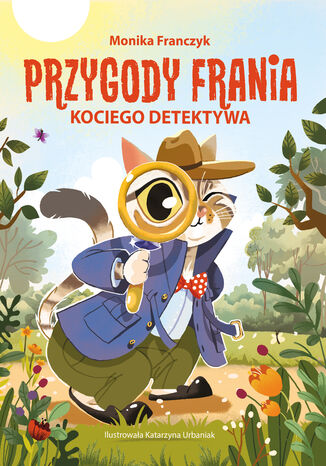
Przygody Frania kociego detektywa
Monika Franczyk
Cześć! Jestem Franio koci detektyw. Chcesz przeżyć superprzygodę? Zapraszam Cię do Krainy Puszystych Łapek, fantastycznego świata, w którym każdy dzień to nowe wyzwania i zagadki do rozwiązania! Moja siostra Ruda i ja tworzymy zgrany duet. Razem odkrywamy wszystkie tajemnice. Kim jestem? Jestem odważnym kotem o dużych, zielonych oczach, a moje zdolności akrobatyczne sprawiają, że mieszkańcy nazywają mnie Spider-Kotem. Moim najcenniejszym narzędziem detektywistycznym jest lupa, dzięki której widzę więcej. Kim jest Ruda? To moja siostra, prawdziwa księżniczka ze Stokrotkowego Wzgórza. Jest mądra i troskliwa. Gdzie mieszkam? W Mruczkowie, gdzie domki są kolorowe jak tęcza. Wyrusz z nami w podróż pełną przygód! Będziemy razem szukać skarbów, bawić się w zagadkowym lesie i odkrywać sekrety jaskiń. Nauczę Cię, że każda przeciwność losu to istotna lekcja, a prawdziwa przyjaźń jest najcenniejszym towarzyszem w każdej przygodzie. Dołącz do naszej drużyny! Czytając o przygodach Frania kociego detektywa, będziesz rozwiązywać zagadki wspólnie z bohaterami opowiadań. Drodzy Rodzice, wybierzcie książkę, która rozwija i inspiruje. Macie niepowtarzalną okazję, aby dać dzieciom coś więcej niż tylko historię dać im narzędzia do rozwijania wyobraźni.
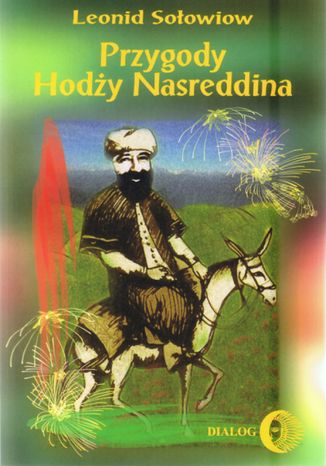
Sołowiow Leonid
Nie wiemy, czy Hodża Nasreddin istniał naprawdę. Anegdoty, facecje i żartobliwe historyjki o tej wesołej postaci krążyły, począwszy od XIII wieku, po Bliskim i Środkowym Wschodzie, a później także na Bałkanach. Hodżę Nareddina - choć pod różnymi imionami - zna cały muzułmański świat. Nie wiadomo, kim był - wieśniakiem czy wędrownym filozofem? Jest uosobieniem mądrości, przebiegłości i sprytu ludzi Wschodu, a jego najcelniejsza broń to śmiech. Książka zawiera trafne obserwacje muzułmańskich obyczajów i zachowań, zaskakuje mądrością i dowcipem, a jej język skrzy się aforyzmami i humorem.
Mark Twain
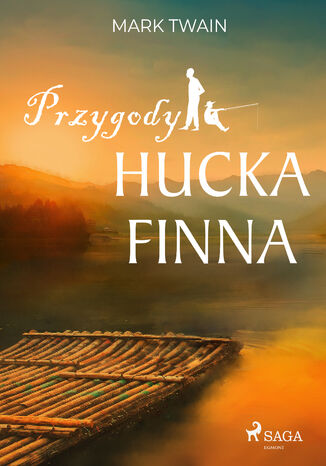
“Przygody Huck’a” to słynna powieść dla młodzieży amerykańskiego pisarza Marka Twaina którego William Faulkner nazwał „ojcem amerykańskiej literatury”. Powieść ta jest kontynuacją powieści “Przygody Tomka Sawyera” lecz głównym bohaterem jest Huckleberry Finn, występujący wcześniej w Przygodach Tomka jako postać drugoplanowa.
Mark Twain
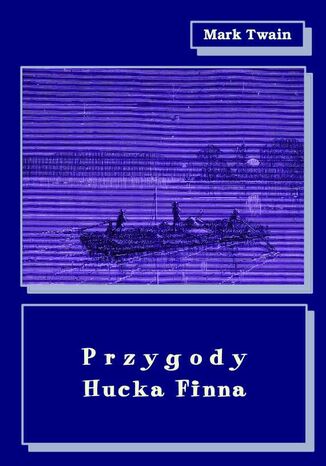
Przygody Hucka Finna (tytuł oryginalny Adventures of Huckleberry Finn) to powieść dla młodzieży amerykańskiego pisarza Marka Twaina z 1884 r.; pierwsze wydanie polskie 1898 r. Jest kontynuacją Przygód Tomka Sawyera, lecz głównym bohaterem jest Huckleberry Finn, występujący wcześniej w Przygodach Tomka jako postać drugoplanowa. Powieść wielokrotnie filmowana. Tagi: po polsku, polski, polskie, bestseller,
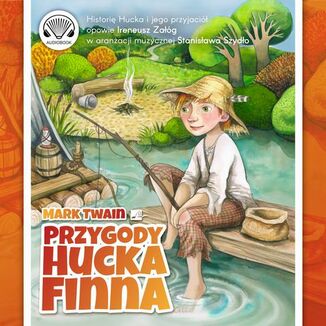
Mark Twain
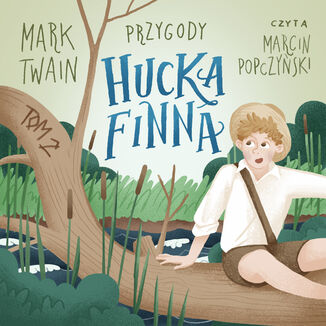
Tym razem wszystkich słuchaczy audiobooków to Huck Finn zaprasza do wyruszenia na spotkanie nowych przygód! Dlaczego mały zawadiaka będzie musiał wypłynąć tratwą na głębokie wody wraz z uciekającym niewolnikiem Jimem? Czy obaj poradzą sobie podczas tej niebezpiecznej przeprawy? Czy da się płynąć bez wioseł? Kogo spotkają na swojej drodze? I dlaczego Huck będzie musiał zakładać sukienkę malej dziewczynki? Jesteście ciekawi? Zapraszamy do słuchania!
Mark Twain
"Przygody "Hucka Finna" to książka autorstwa Marka Twaina, nawiązująca bezpośrednio do "Przygód Tomka Sawyera", jednej z jego najbardziej popularnych powieści dla młodzieży. Huck Finn nie miał w dzieciństwie zbyt wiele szczęścia. A może nie miał go wcale? Jedno jest pewne musiał uciekać od ojca alkoholika i ta właśnie ucieczka stała się dla niego początkiem niesamowitego życia. Pewnego dnia Huck poznaje kogoś, kto podobnie jak on musi uciekać. Czarnoskóry Jim staje się jego najprawdziwszym przyjacielem. Razem, ramię w ramię, zmagają się z niebezpieczeństwami. Wtedy chłopiec nie wie jeszcze, że w świecie dorosłych wolność człowieka nie jest niczym pewnym. Nagle Jim zostaje pojmany jako zbiegły niewolnik. Na pomoc Finnowi rusza Tomek Sawyer, z którym wspólnie obmyślają plan uwolnienia mężczyzny. Język, postacie i poglądy zawarte w tej publikacji nie odzwierciedlają poglądów ani opinii wydawcy. Utwór ma charakter publikacji historycznej, ukazującej postawy i tendencje charakterystyczne dla czasów z których pochodzi.
Mark Twain
Przygody Hucka, inny tytuł tłumaczenia Przygody Hucka Finna (tytuł oryginalny Adventures of Huckleberry Finn) - powieść dla młodzieży amerykańskiego pisarza Marka Twaina z 1884r.; pierwsze wydanie polskie - 1898 r. Jest kontynuacją Przygód Tomka Sawyera, lecz głównym bohaterem jest Huckleberry Finn, występujący wcześniej w Przygodach Tomka jako postać drugoplanowa. Uciekając od brutalnego ojca alkoholika, Huck Finn trafia na Wyspę Jacksona, gdzie spotyka znajomego Jima, zbiegłego niewolnika. Postanawiają razem spłynąć (na znalezionej tratwie) w dół Missisipi do stanów, gdzie Jimowi nie grozi niewola. Po drodze spotykają rozmaite osoby, co daje autorowi możliwość pokazania życia i obyczajów. Huck jest świadkiem zabójstwa, próby linczu, krwawych waśni między rodzinami sąsiadów i działania zawodowych oszustów. W końcowej części opowieści Huck spotyka Tomka Sawyera, mieszkają u Tomka krewnych i pracują nad uwolnieniem Jima, złapanego jako zbiegły niewolnik. (opis zaczerpnięto z polskiej Wikipedii: https://pl.wikipedia.org/wiki/Przygody_Hucka).
Mark Twain
Przygody Hucka to kontynuacja Przygód Tomka Sawyera, choć teraz głównym bohaterem jest Huckleberry Finn - mały urwis, który ucieka z domu przed ojcem alkoholikiem. Ukrywając się na jednej z wysepek, spotyka Jima, zbiegłego niewolnika, i razem postanawiają poplynąć tratwą w dół rzeki Missisipi. Po drodze przeżywają mnóstwo niebezpiecznych i zaskakujących sytuacji. Jeśli chcesz poczuć dreszcz emocji, daj się porwać awanturniczym przygodom bohaterów.
Justyna Szlęzak
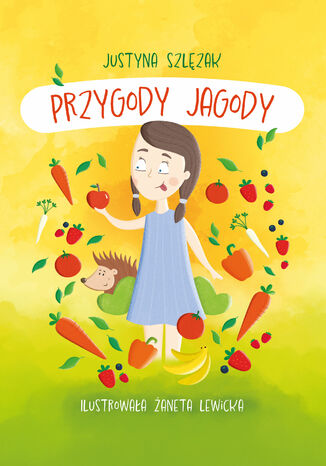
Jakie supermoce mają warzywa i owoce? Dlaczego trzeba pamiętać o piciu wody? Czy na pewno warto nie jeść śniadania? Tego wszystkiego dowiecie się razem z Jagódką, bohaterką książki. Ta rezolutna dziewczynka przeżywa wiele przygód. Jest uważną obserwatorką i wyciąga ciekawe wnioski o otaczającym ją świecie. Przygody Jagody to zbiór opowieści o niezwykłej dziewczynce, która poprzez zabawę zachęca dzieci do jedzenia warzyw i innych zdrowych produktów. Pod każdą historią znajdziecie nie tylko informacje o zdrowym żywieniu, ale też proste przepisy i pomysły na to jak zachęcić dzieci do właściwych wyborów żywieniowych. Książka zainteresuje wszystkie osoby, które w świadomy sposób chcą przekazywać swoim pociechom dobre nawyki żywieniowe, a także pogłębić relację z dzieckiem i tworzyć wraz z nim wspaniałe wspomnienia.
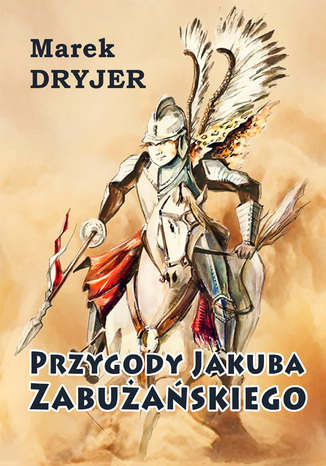
Marek Dryjer
Wielkie zwycięstwo polskiej husarii w bitwie pod Kłuszynem, zdobycie Moskwy i panowanie na Kremlu. To nie żart, tylko historyczna prawda. Odważni towarzysze hetmana Żółkiewskiego, którzy o świcie z marszu przystąpili do krwawej batalii z liczniejszą armią wroga. Ich najlepsze konie, długie i ostre kopie, pióra przymocowane do siodeł. Las szabel i pałaszy ponad głowami kawalerzystów, kiedy husarskie konie w pościgu galopowały za uciekającym z pola walki rozbitym przeciwnikiem. Skrzydlate rumaki, które z lekkością mknęły pod wiatr. Pegazy najprawdziwsze, a nie konie, jak pisali kronikarze. Ta książka to zapis tamtej bitwy, widzianej oczami Jakuba Zabużańskiego, walczącego u boku dzielnej husarii. To opis niezwykłych przygód młodzieńca, któremu los spłatał figla i wystawił na wielką próbę. Czy młodzik podoła zadaniu? Czym się wsławi podczas krwawej potyczki, czy ocali komuś życie, czy wreszcie przy boku Firleja zaatakuje kolano w kolano wrogich pikinierów ukrywających się za kobylicami, albo pomoże piechocie wyciągnąć falkonety z błota? I co z tym wszystkim wspólnego ma pewien tajemniczy dębowy płot? Jakim człowiekiem okaże się być niejaki Machowski, żartowniś i obżarciuch w jednym, oraz zacnych gabarytów zawadiaka, który z werwą rwie się do bitki i jadła, a i poswawolić, kiedy trzeba umie. Wartka akcja i żywe dialogi, to niewątpliwe zalety tej awanturniczej powieści, pełnej mistrzowskich szarż, krwawych potyczek i ciekawych polemik, zaś opisy husarskiego przyodziewku i uzbrojenia, staropolskiej kuchni, oraz taktyki walki towarzystwa z hetmańskich rot z międzynarodowym wrogiem, przypomną nam odległe i pełne chluby czasy. „Wtem wypadła od strony wojsk cudzoziemskich i zaatakowała odsłonięte skrzydło zdezorientowanego wojska moskiewskiego rozpędzona husaria polska, rozpoczynając rzeź. Rzędy szabli cięły rozbitego wroga, poranione ciała osuwały się na ziemię, martwi jeźdźcy pospadali z koni. Pałasze skąpane we krwi, ciała pokłute strzałami, połamane tarcze, pęknięte czaszki, odcięte członki i łby. Głowy zatknięte na szable. Przekłute tułowia, podziurawione kulami ciała, fragmenty kolorowego odzienia, połamane kopie. Martwe konie i te dogorywające, rzężące niemiłosiernie. Ryk trąb i nieustające w grze werble. Krzyk umierających ludzi. Łuny ognia, dym i ciała pokryte krwią wymieszaną z kurzem. Słabnące wystrzały. Strzępy żupanów i kontuszy. Porwane delie. Burki i opończe zabrudzone. Potargane pasy. Fragmenty zbroi. Obrazy żywcem wyjęte z samego piekła. Zapach spalonej ludzkiej skóry.” Marek Dryjer ur. 27.05.1976 we Wrocławiu. Miłośnik egzystencjalizmu w literaturze. Publikacje i nagrody: Powieść Droga ślepców, Wydawnictwo Radwan, 2010. Debiut książkowy, który został nominowany do Nagrody Angelusa w 2011 r., dla książek wydanych w 2010 roku. Opowiadanie Trzynasty schron zostało nagrodzone ex aequo główną nagrodą w konkursie literackim POLSKIE POSTAPO 2011 i trafi do druku, stając się częścią pierwszego polskiego postapokaliptycznego uniwersum. Opowiadanie Miasto umarłych ludzi zostało nagrodzone w ogólnopolskim konkursie literackim SECRETUM CALIGO 2012 w kategorii horror i będzie opublikowane w formie e-booka. Opowiadanie Bezprawie zostało wyróżnione w konkursie literackim OPOWIEŚCI NIESAMOWITE 2012 i opublikowane w wydaniu specjalnym czasopisma Opowieści niesamowite.
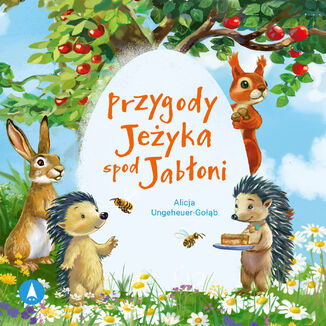
Alicja Ungeheuer-Gołąb
Pod koniec roku do ogrodu Marcina i jego rodziców wprowadził się jeż. Zadomowił się pod Jabłonią i zaczął gromadzić zapasy na zimę. Szybko się okazało, że nie jest jedynym mieszkańcem okolicy. Zyskał nowych przyjaciół. Oni pomogli jemu, a on też nie zostawił ich w potrzebie. Alicja Ungeheuer-Gołąb proponuje małym czytelnikom mądrą, ciepłą opowieść o zwierzątkach, które razem się bawią i razem pokonują kłopoty. Sympatyczni bohaterowie pomagają dzieciom zrozumieć prawdę, że nawet mały może wiele, jeśli wierzy w siebie i ma wiernych przyjaciół. Wyjątkową opowieść dopełniają ciepłe i radosne ilustracje Kazimierza Wasilewskiego.
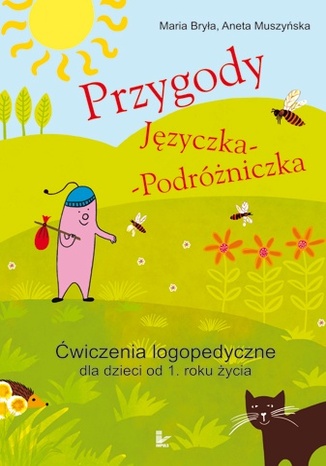
Przygody Języczka Podróżniczka
Bryła Maria, Muszyńska Aneta
Bajeczki o sympatycznym Języczku-Podróżniczku, z którym dziecko poznaje i odwiedza różne miejsca, mają na celu usprawnienie aparatu artykulacyjnego dzieci. Ćwiczenia dotyczą najbardziej zniekształcanych przez dzieci szeregów głosek. Bajeczki zostały opracowane w taki sposób, aby mogły z nich korzystać logopedzi, nauczyciele, rodzice zarówno w czasie zajęć indywidualnych, jak i grupowych w przedszkolu, szkole, domu. Stopień trudności opowiadań jest zróżnicowany zwiększa się wraz z wiekiem dziecka, a jednocześnie opowiada etapom rozwoju mowy i pojawiania się w nich określonych głosek. Proponowane ćwiczenia mają uatrakcyjnić proces nauki mowy głosek, jednak nie mogą zastąpić terapii logopedycznej.
Przygody komendanta Wilczka. Powieść
Jerzy Bandrowski
Jerzy Bandrowski to polski pisarz, dziennikach oraz tłumacz z języka angielskiego, żyjący w latach 18891940. Pisał powieści obyczajowe oraz dla dzieci, np. W kraju orangutanów i rajskich ptaków (1922), Na polskiej fali (1927), a także powieści sensacyjne w postaci scenariuszy filmowych, np. Przygody komendanta Wilczka (1929). W 1951 roku wszystkie jego powieści zostały objęte cenzurą i wycofane ze wszystkich bibliotek w Polsce.
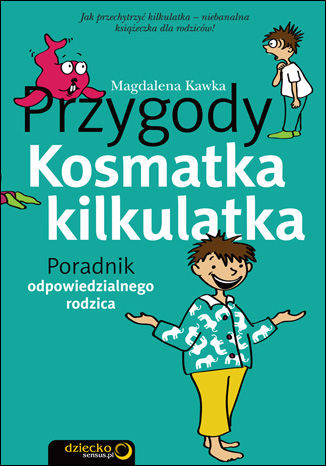
Przygody Kosmatka kilkulatka. Poradnik odpowiedzialnego rodzica
Magdalena Kawka
Jak przechytrzyć kilkulatka — niebanalna książeczka dla rodziców! Mądre wychowywanie dzieci nie jest najłatwiejszą sprawą na świecie, ale przy odrobinie cierpliwości i uporu każdy rodzic może osiągnąć wspaniałe rezultaty. Aby to jednak osiągnąć, warto stale poszerzać swoją wiedzę na temat skutecznych metod działania, wypracowywania dobrych nawyków oraz subtelnego kształtowania charakteru dziecka. Z pewnością przyda się także opanowanie pradawnej sztuki pozostawania przy zdrowych zmysłach i zachowywania odrobiny prywatności w oku szalejącego cyklonu, wywołanego przez samą obecność naszej pociechy. Konfrontacja rodzicielskich oczekiwań z potrzebami i emocjami przedszkolaka bywa bardzo trudna, na szczęście w takich chwilach z pomocą przyjdzie Ci ta znakomita książka Magdaleny Kawki. "Przygody Kosmatka kilkulatka. Poradnik odpowiedzialnego rodzica" to pozycja przeznaczona dla rodziców przedszkolaków. Dzięki niej cała rodzina nie tylko zobaczy świat oczami trzyletniego Kosmy, próbującego odnaleźć się w świecie dorosłych, ale także pozna perypetie Mamy, Taty i Babci, próbujących skierować jego ogromną inwencję i kreatywność na działania akceptowalne dla otoczenia. W kolejnych rozdziałach książki Czytelnik znajdzie nie tylko zabawne historie, ale także bardzo przydatne wskazówki dla dorosłych, dotyczące m.in. sposobu interpretowania zachowania małego dziecka, postępowania w sytuacjach kryzysowych i odpowiedzialnego zachowywania się w codziennym życiu. Pamiętaj! Nikt z nas nie jest idealny i wszyscy mamy prawo czasem popełniać błędy. Spróbuj zrozumieć własne dziecko — to wcale nie jest niemożliwe.

Przygody kota Afika. Bajki pełne dobrych myśli
Piotr Pogodny
Przygody kota Afika to świat pełen dobrych myśli. Wzrusza, śmieszy, pobudza do myślenia, a przede wszystkim buduje pewność siebie, zdrową samoocenę i poczucie wartości u maluchów. Bajki pełne dobrych myśli przychodzą też z pomocą rodzicom. Są bowiem dobrym początkiem do rozmów na trudne tematy: jak wytłumaczyć dziecku, że czegoś im nie kupimy, dlaczego nie warto uogólniać, mówiąc: ty zawsze, albo ty nigdy, co robić, gdy maluch wciąż ślimaczy się podczas ubierania, jak skutecznie zachęcić do sprzątania zabawek po skończonej zabawie i chyba jeden z najważniejszych tematów: jak radzić sobie z nauką samodzielności, gdy według dziecka dużo fajniejsze jest, kiedy to niemal wszystko robią za niego rodzice. Ciepły głos lektora sprawi, że dzieci słuchać będą bajek niemal na okrągło, a w domu coraz częściej rozbrzmiewać będą szybko wpadające w ucho rymowanki