
Wydawca: 24
Colorful Media
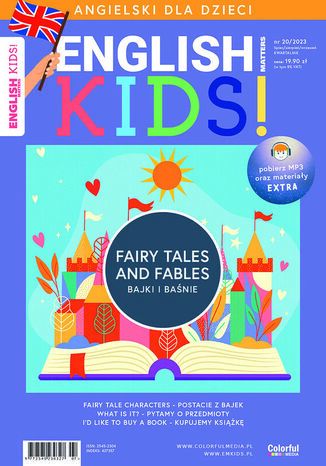
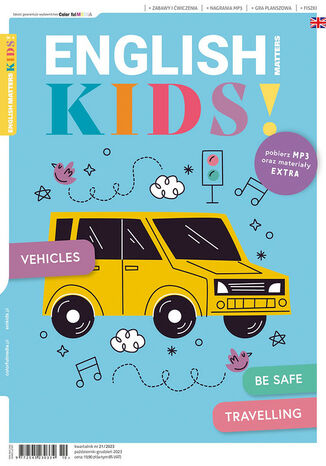
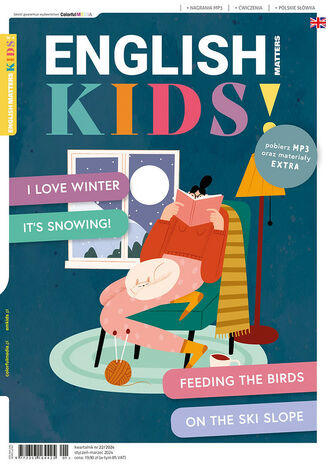
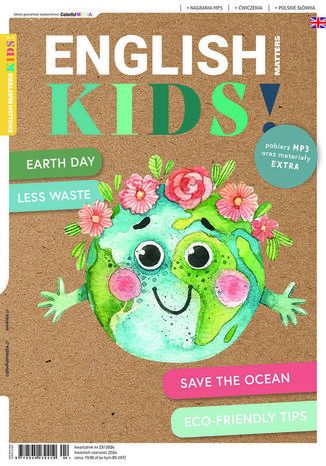
,,English Matters Kids" to młodszy brat wydawanego od ponad 10 lat magazynu ,,English Matters". To kwartalnik skierowany do najmłodszych - dzieci w wieku przedszkolnym i wczesnoszkolnym rozpoczynających naukę języka angielskiego. Treść magazynu stanowią wierszyki, piosenki, komiksy, ćwiczenia i wszystko, co zachęci dzieci do poznawania nowych słówek i zwrotów. Rodzice znajdą tu ponadto wskazówki i porady związane z nauką języka obcego oraz motywacją do tej nauki. Specyfikacja: czasopismo dla dzieci w wieku przedszkolnym i wczesnoszkolnym pełne zadań, piosenek i wierszyków uczących języka angielskiego; integralną częścią pisma są nagrania MP3 treści z magazynu Odbiorcy: dzieci rozpoczynające naukę języka angielskiego oraz ich rodzice, nauczyciele, lektorzy
Colorful Media
,,English Matters Kids" to młodszy brat wydawanego od ponad 10 lat magazynu ,,English Matters". To kwartalnik skierowany do najmłodszych - dzieci w wieku przedszkolnym i wczesnoszkolnym rozpoczynających naukę języka angielskiego. Treść magazynu stanowią wierszyki, piosenki, komiksy, ćwiczenia i wszystko, co zachęci dzieci do poznawania nowych słówek i zwrotów. Rodzice znajdą tu ponadto wskazówki i porady związane z nauką języka obcego oraz motywacją do tej nauki. Specyfikacja: czasopismo dla dzieci w wieku przedszkolnym i wczesnoszkolnym pełne zadań, piosenek i wierszyków uczących języka angielskiego; integralną częścią pisma są nagrania MP3 treści z magazynu Odbiorcy: dzieci rozpoczynające naukę języka angielskiego oraz ich rodzice, nauczyciele, lektorzy
Colorful Media
,,English Matters Kids" to młodszy brat wydawanego od ponad 10 lat magazynu ,,English Matters". To kwartalnik skierowany do najmłodszych - dzieci w wieku przedszkolnym i wczesnoszkolnym rozpoczynających naukę języka angielskiego. Treść magazynu stanowią wierszyki, piosenki, komiksy, ćwiczenia i wszystko, co zachęci dzieci do poznawania nowych słówek i zwrotów. Rodzice znajdą tu ponadto wskazówki i porady związane z nauką języka obcego oraz motywacją do tej nauki. Specyfikacja: czasopismo dla dzieci w wieku przedszkolnym i wczesnoszkolnym pełne zadań, piosenek i wierszyków uczących języka angielskiego; integralną częścią pisma są nagrania MP3 treści z magazynu Odbiorcy: dzieci rozpoczynające naukę języka angielskiego oraz ich rodzice, nauczyciele, lektorzy
Colorful Media
,,English Matters Kids" to młodszy brat wydawanego od ponad 10 lat magazynu ,,English Matters". To kwartalnik skierowany do najmłodszych - dzieci w wieku przedszkolnym i wczesnoszkolnym rozpoczynających naukę języka angielskiego. Treść magazynu stanowią wierszyki, piosenki, komiksy, ćwiczenia i wszystko, co zachęci dzieci do poznawania nowych słówek i zwrotów. Rodzice znajdą tu ponadto wskazówki i porady związane z nauką języka obcego oraz motywacją do tej nauki. Specyfikacja: czasopismo dla dzieci w wieku przedszkolnym i wczesnoszkolnym pełne zadań, piosenek i wierszyków uczących języka angielskiego; integralną częścią pisma są nagrania MP3 treści z magazynu Odbiorcy: dzieci rozpoczynające naukę języka angielskiego oraz ich rodzice, nauczyciele, lektorzy
Colorful Media
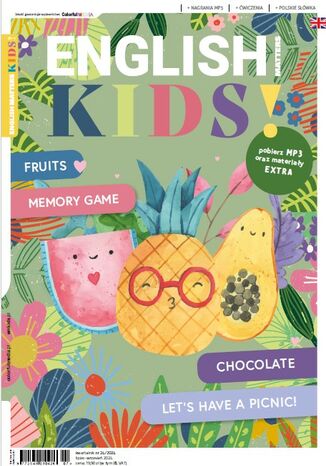
,,English Matters Kids" to młodszy brat wydawanego od ponad 10 lat magazynu ,,English Matters". To kwartalnik skierowany do najmłodszych - dzieci w wieku przedszkolnym i wczesnoszkolnym rozpoczynających naukę języka angielskiego. Treść magazynu stanowią wierszyki, piosenki, komiksy, ćwiczenia i wszystko, co zachęci dzieci do poznawania nowych słówek i zwrotów. Rodzice znajdą tu ponadto wskazówki i porady związane z nauką języka obcego oraz motywacją do tej nauki. Specyfikacja: czasopismo dla dzieci w wieku przedszkolnym i wczesnoszkolnym pełne zadań, piosenek i wierszyków uczących języka angielskiego; integralną częścią pisma są nagrania MP3 treści z magazynu Odbiorcy: dzieci rozpoczynające naukę języka angielskiego oraz ich rodzice, nauczyciele, lektorzy
Colorful Media
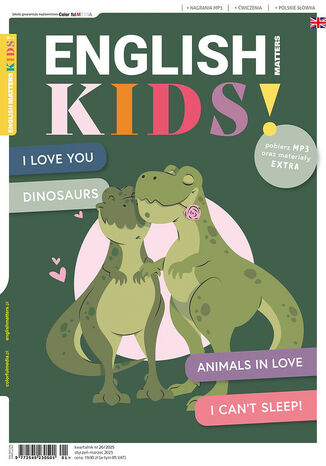
,,English Matters Kids" to młodszy brat wydawanego od ponad 10 lat magazynu ,,English Matters". To kwartalnik skierowany do najmłodszych - dzieci w wieku przedszkolnym i wczesnoszkolnym rozpoczynających naukę języka angielskiego. Treść magazynu stanowią wierszyki, piosenki, komiksy, ćwiczenia i wszystko, co zachęci dzieci do poznawania nowych słówek i zwrotów. Rodzice znajdą tu ponadto wskazówki i porady związane z nauką języka obcego oraz motywacją do tej nauki. Specyfikacja: czasopismo dla dzieci w wieku przedszkolnym i wczesnoszkolnym pełne zadań, piosenek i wierszyków uczących języka angielskiego; integralną częścią pisma są nagrania MP3 treści z magazynu Odbiorcy: dzieci rozpoczynające naukę języka angielskiego oraz ich rodzice, nauczyciele, lektorzy
Colorful Media
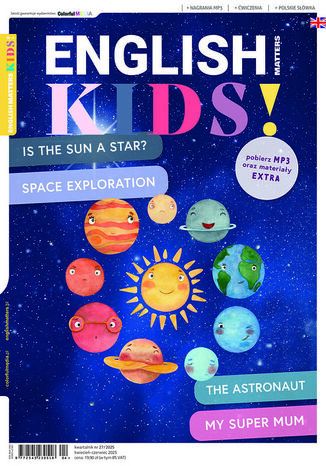
,,English Matters Kids" to młodszy brat wydawanego od ponad 10 lat magazynu ,,English Matters". To kwartalnik skierowany do najmłodszych - dzieci w wieku przedszkolnym i wczesnoszkolnym rozpoczynających naukę języka angielskiego. Treść magazynu stanowią wierszyki, piosenki, komiksy, ćwiczenia i wszystko, co zachęci dzieci do poznawania nowych słówek i zwrotów. Rodzice znajdą tu ponadto wskazówki i porady związane z nauką języka obcego oraz motywacją do tej nauki. Specyfikacja: czasopismo dla dzieci w wieku przedszkolnym i wczesnoszkolnym pełne zadań, piosenek i wierszyków uczących języka angielskiego; integralną częścią pisma są nagrania MP3 treści z magazynu Odbiorcy: dzieci rozpoczynające naukę języka angielskiego oraz ich rodzice, nauczyciele, lektorzy
Colorful Media
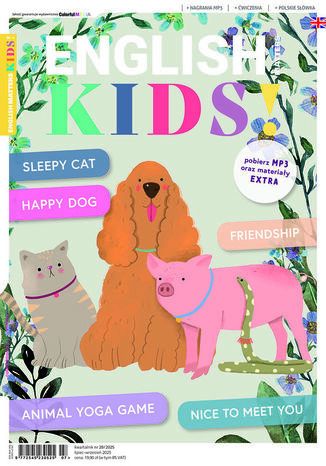
,,English Matters Kids" to młodszy brat wydawanego od ponad 10 lat magazynu ,,English Matters". To kwartalnik skierowany do najmłodszych - dzieci w wieku przedszkolnym i wczesnoszkolnym rozpoczynających naukę języka angielskiego. Treść magazynu stanowią wierszyki, piosenki, komiksy, ćwiczenia i wszystko, co zachęci dzieci do poznawania nowych słówek i zwrotów. Rodzice znajdą tu ponadto wskazówki i porady związane z nauką języka obcego oraz motywacją do tej nauki. Specyfikacja: czasopismo dla dzieci w wieku przedszkolnym i wczesnoszkolnym pełne zadań, piosenek i wierszyków uczących języka angielskiego; integralną częścią pisma są nagrania MP3 treści z magazynu Odbiorcy: dzieci rozpoczynające naukę języka angielskiego oraz ich rodzice, nauczyciele, lektorzy