
Видавець: K-i-s-publishing
Ayman Hourieh
Django is a high-level Python web framework that was developed by a fast-moving online-news operation to meet the stringent twin challenges of newsroom deadlines and the needs of web developers. It is designed to promote rapid development and clean, pragmatic design and lets you build high-performing, elegant web applications rapidly. Django focuses on automating as much as possible and adhering to the DRY (Don't Repeat Yourself) principle, making it easier to build high-performance web applications faster, with less code.This book will show you how to assemble Django's features and take advantage of its power to design, develop, and deploy a fully-featured web site. It will walk you through the creation of an example web application, with lots of code examples.Specially revised for version 1.0 of Django, the book starts by introducing the main design concepts in Django. Next, it leads you through the process of installing Django on your system. After that, you will start right away on building your social bookmarking application using Django. Various Django 1.0 components and sub-frameworks will be explained during this process, and you will learn about them by example.In each chapter, you will build one or more of the features that are essential in Web 2.0 applications, like user management, tags, and AJAX. You will also learn about good software development practices, such as keeping your application secure, and automating testing with unit tests. By the end of the book, you will have built a fully functional real-life Web 2.0 application, and learned how to deploy it to a production server.
Django 1.1 Testing and Debugging. Building rigorously tested and bug-free Django applications
Karen Tracey
Bugs are a time consuming burden during software development. Django's built-in test framework and debugging support help lessen this burden. This book will teach you quick and efficient techniques for using Django and Python tools to eradicate bugs and ensure your Django application works correctly. This book will walk you step by step through development of a complete sample Django application. You will learn how best to test and debug models, views, URL configuration, templates, and template tags. This book will help you integrate with and make use of the rich external environment of test and debugging tools for Python and Django applications. The book starts with a basic overview of testing. It will highlight areas to look out for while testing. You will learn about different kinds of tests available, and the pros and cons of each, and also details of test extensions provided by Django that simplify the task of testing Django applications. You will see an illustration of how external tools that provide even more sophisticated testing features can be integrated into Django's framework. On the debugging front, the book illustrates how to interpret the extensive debugging information provided by Django's debug error pages, and how to utilize logging and other external tools to learn what code is doing.
Django 2 by Example. Build powerful and reliable Python web applications from scratch
Antonio Melé
If you want to learn the entire process of developing professional web applications with Django 2, then this book is for you. You will walk through the creation of four professional Django 2 projects, teaching you how to solve common problems and implement best practices.You will learn how to build a blog application, a social image bookmarking website, an online shop and an e-learning platform. The book will teach you how to enhance your applications with AJAX, create RESTful APIs and set up a production environment for your Django 2 projects. The book walks you through the creation of real-world applications, solving common problems, and implementing best practices. By the end of this book, you will have a deep understanding of Django 2 and how to build advanced web applications.
Jake Kronika, Aidas Bendoraitis
Django is a framework designed to balance rapid web development with high performance. It handles high levels of user traffic and interaction, integrates with a variety of databases, and collects and processes data in real time. This book follows a task-based approach to guide you through developing with the Django 2.1 framework, starting with setting up and configuring Docker containers and a virtual environment for your project.You'll learn how to write reusable pieces of code for your models and manage database changes. You'll work with forms and views to enter and list data, applying practical examples using templates and JavaScript together for the optimum user experience. This cookbook helps you to adjust the built-in Django administration to fit your needs and sharpen security and performance to make your web applications as robust, scalable, and dependable as possible. You'll also explore integration with Django CMS, the popular content management suite.In the final chapters, you'll learn programming and debugging tricks and discover how collecting data from different sources and providing it to others in various formats can be a breeze. By the end of the book, you'll learn how to test and deploy projects to a remote dedicated server and scale your application to meet user demands.
Antonio Melé
If you want to learn the entire process of developing professional web applications with Python and Django, then this book is for you. In the process of building four professional Django projects, you will learn about Django 3 features, how to solve common web development problems, how to implement best practices, and how to successfully deploy your applications. In this book, you will build a blog application, a social image bookmarking website, an online shop, and an e-learning platform. Step-by-step guidance will teach you how to integrate popular technologies, enhance your applications with AJAX, create RESTful APIs, and set up a production environment for your Django projects. By the end of this book, you will have mastered Django 3 by building advanced web applications.
Aidas Bendoraitis, Jake Kronika
Django is a web framework for perfectionists with deadlines, designed to help you build manageable medium and large web projects in a short time span. This fourth edition of the Django Web Development Cookbook is updated with Django 3's latest features to guide you effectively through the development process.This Django book starts by helping you create a virtual environment and project structure for building Python web apps. You'll learn how to build models, views, forms, and templates for your web apps and then integrate JavaScript in your Django apps to add more features. As you advance, you'll create responsive multilingual websites, ready to be shared on social networks. The book will take you through uploading and processing images, rendering data in HTML5, PDF, and Excel, using and creating APIs, and navigating different data types in Django. You'll become well-versed in security best practices and caching techniques to enhance your website's security and speed. This edition not only helps you work with the PostgreSQL database but also the MySQL database. You'll also discover advanced recipes for using Django with Docker and Ansible in development, staging, and production environments.By the end of this book, you will have become proficient in using Django's powerful features and will be equipped to create robust websites.
Antonio Melé
Django 4 By Example is the 4th edition of the best-selling franchise that helps you build web apps. This book will walk you through the creation of real-world applications, solving common problems, and implementing best practices using a step-by-step approach.You'll cover a wide range of web app development topics as you build four different apps:A blog application: Create data models, views, and URLs and implement an admin site for your blog. Create sitemaps and RSS feeds and implement a full-text search engine with PostgreSQL.A social website: Implement authentication with Facebook, Twitter, and Google. Create user profiles, image thumbnails, a bookmarklet, and an activity stream. Implement a user follower system and add infinite scroll pagination to your website.An e-commerce application: Build a product catalog, a shopping cart, and asynchronous tasks with Celery and RabbitMQ. Process payments with Stripe and manage payment notifications via webhooks. Build a product recommendation engine with Redis. Create PDF invoices and export orders to CSV.An e-learning platform: Create a content management system to manage polymorphic content. Cache content with Memcached and Redis. Build and consume a RESTful API. Implement a real-time chat using WebSockets with ASGI. Create a production environment using NGINX, uWSGI and Daphne with Docker Compose.This is a practical book that will have you creating web apps quickly.
Greg Lim, Daniel Correa
Learning Django can be a tricky and time-consuming activity. There are hundreds of tutorials, loads of documentation, and many explanations that are hard to digest. However, this book enables you to use and learn Django in just a couple of days.In this book, you’ll go on a fun, hands-on, and pragmatic journey to learn Django full stack development. You'll start building your first Django app within minutes. You'll be provided with short explanations and a practical approach that cover some of the most important Django features, such as Django Apps’ structure, URLs, views, templates, models, CSS inclusion, image storage, authentication and authorization, Django admin panel, and many more. You'll also use Django to develop a movies review app and deploy it to the internet.By the end of this book, you'll be able to build and deploy your own Django web applications.
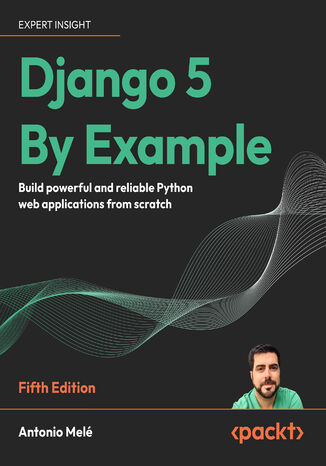
Antonio Melé, Paolo Melchiorre
If you want to learn Django by doing, this book is for you.This 2025 EDITION, fully updated to Django 5.2 LTS, is the fifth edition of the best-selling Django By Example franchise that helps you build real-world web apps. This book will walk you through planning and creation, solving common problems, and implementing best practices using a step-by-step approach.You’ll cover a wide range of web application development topics through four different projects: a blog application, a social website, an e-commerce application, and an e-learning platform. Pick up what’s new in Django 5 as you build end-to-end Python web apps, follow detailed project plans, and understand the hows and whys of Django.This is a practical and approachable book that will have you creating web apps quickly.*Email sign-up and proof of purchase required
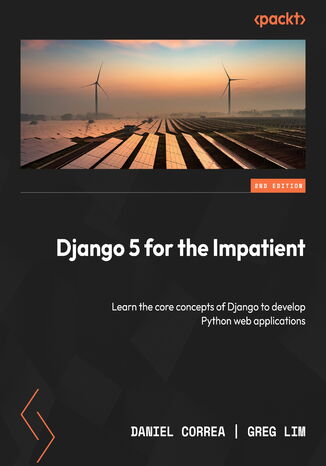
Daniel Correa, Greg Lim
Learning Django can be a challenging and time-consuming activity without the right guidance. With hundreds of tutorials, loads of documentation, and unclear explanations out there, it’s easy to lose sight of what’s most important. This book stands out by teaching you how to use Django in just a few days with a focused approach. In this second edition, you’ll go on a fun, practical, and pragmatic journey to learning full-stack development with Django 5. You’ll start building your first Django app within minutes. As you progress, you’ll learn from concise explanations that will help you get to grips with some of the most important Django features, including URLs, views, templates, models, CSS inclusion, image storage, Django admin panel, and more. You’ll also understand how to design Django MVT (Model-View-Template) architectures and implement them. Additionally, you’ll use Django to develop a movie store application and deploy it to the internet.By the end of this book, you’ll be able to build and deploy your own Django web applications confidently.
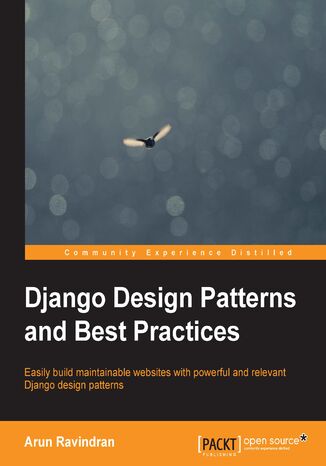
Arun Ravindran
If you want to learn how best to utilize commonly found patterns and learn best practices in developing applications with Django, this is the book for you. This book, like Django itself, is accessible to amateur and professional developers alike and assumes little in the way of prior experience.Although written for Python 3, the majority of the code in this book works in Python 2 or can be easily translated.
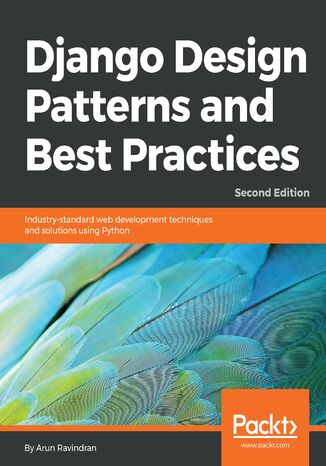
Arun Ravindran
Building secure and maintainable web applications requires comprehensive knowledge. The second edition of this book not only sheds light on Django, but also encapsulates years of experience in the form of design patterns and best practices. Rather than sticking to GoF design patterns, the book looks at higher-level patterns. Using the latest version of Django and Python, you’ll learn about Channels and asyncio while building a solid conceptual background. The book compares design choices to help you make everyday decisions faster in a rapidly changing environment.You’ll first learn about various architectural patterns, many of which are used to build Django. You’ll start with building a fun superhero project by gathering the requirements, creating mockups, and setting up the project. Through project-guided examples, you’ll explore the Model, View, templates, workflows, and code reusability techniques. In addition to this, you’ll learn practical Python coding techniques in Django that’ll enable you to tackle problems related to complex topics such as legacy coding, data modeling, and code reusability.You’ll discover API design principles and best practices, and understand the need for asynchronous workflows. During this journey, you’ll study popular Python code testing techniques in Django, various web security threats and their countermeasures, and the monitoring and performance of your application.
Arghya Saha
You may have got your first Django developer job after a six-week bootcamp or online course, and that’s great, but what’s next? In small companies, mentorship can be hard to come by and gaining the traits of a senior developer without that can take a long time. This is precisely where Django in Production comes into play.This book will first delve into the true meaning of good practice and help you understand the rationale behind industry professionals building websites in specific ways to develop a solid foundation for your Django projects. Next, you will uncover hidden Django secrets through hands-on exploration, leveraging the power of Docker and version control to your advantage. You will gain insights into mastering Git hooks for efficient code maintenance, establishing a robust CI pipeline, and harnessing the capabilities of AWS Beanstalk. These tools will empower you to develop highly scalable products—an essential skill set for aspiring developers transitioning from junior to senior roles. Later, you will understand the significance of monitoring and be introduced to industry-standard tools utilized by professionals for effective monitoring practices.By the end of this book, you will have set yourself apart from the crowd, equipped with the knowledge and expertise to thrive as a seasoned Django developer.
Django Project Blueprints. Develop stunning web application projects with the Django framework
Asad Jibran Ahmed
Django is a high-level web framework that eases the creation of complex, database-driven websites. It emphasizes on the reusability and pluggability of components, rapid development, and the principle of don't repeat yourself. It lets you build high-performing, elegant web applications quickly.There are several Django tutorials available online, which take as many shortcuts as possible, but leave you wondering how you can adapt them to your own needs. This guide takes the opposite approach by demonstrating how to work around common problems and client requests, without skipping the important details. If you have built a few Django projects and are on the lookout for a guide to get you past the basics and to solve modern development tasks, this is your book.Seven unique projects will take you through the development process from scratch, leaving no stone unturned. In the first two projects, you will learn everything from adding ranking and voting capabilities to your App to building a multiuser blog platform with a unique twist. The third project tackles APIs with Django and walks us through building a Nagios-inspired infrastructure monitoring system. And that is just the start!The other projects deal with customizing the Django admin to create a CMS for your clients, translating your web applications to multiple languages, and using the Elasticsearch search server with Django to create a high performing e-commerce web site. The seventh chapter includes a surprise usage of Django, and we dive deep into the internals of Django to create something exciting!When you're done, you'll have consistent patterns and techniques that you can build on for many projects to come.
Gastón C. Hillar
Django is a Python web framework that makes the web development process very easy. It reduces the amount of trivial code, which simplifies the creation of web applications and results in faster development. It is very powerful and a great choice for creating RESTful web services.If you are a Python developer and want to efficiently create RESTful web services with Django for your apps, then this is the right book for you.The book starts off by showing you how to install and configure the environment, required software, and tools to create RESTful web services with Django and the Django REST framework. We then move on to working with advanced serialization and migrations to interact with SQLite and non-SQL data sources. We will use the features included in the Django REST framework to improve our simple web service.Further, we will create API views to process diverse HTTP requests on objects, go through relationships and hyperlinked API management, and then discover the necessary steps to include security and permissions related to data models and APIs. We will also apply throttling rules and run tests to check that versioning works as expected. Next we will run automated tests to improve code coverage. By the end of the book, you will be able to build RESTful web services with Django.
Django: Web Development with Python. Web Development with Python
Aidas Bendoraitis, Samuel Dauzon, Arun Ravindran
Data science is hot right now, and the need for multitalented developers is greater than ever before. A basic grounding in building apps with a framework as minimalistic, powerful, and easy-to-learn as Django will be a useful skill to launch your career as an entrepreneur or web developer. Django is a web framework that was designed to strike a balance between rapid web development and high performance. This course will take you on a journey to become an efficient web developer thoroughly understanding the key concepts of Django framework. This learning path is divided into three modules. The course begins with basic concepts of the Django framework. The first module, Django Essentials, is like a practical guide, filled with many real-world examples to build highly effective Django web application. After getting familiar with core concepts of Django, it's time to practice your learning from the first module with the help of over 90 recipes available in this module. In the second module, Web Development with Django Cookbook, you'll learn varying complexities to help you create multilingual, responsive, and scalable websites with Django. By the end of this module, you will have a good understanding of the new features added to Django 1.8 and be an expert at web development processes.The next step is to discover the latest best practices and idioms in this rapidly evolving Django framework. This is what you'll be learning in our third module, Django Design Patterns and Best Practices. This module will teach you common design patterns to develop better Django code. By the end of the module, you will be able to leverage the Django framework to develop a fully functional web application with minimal effort.