
Elektronika
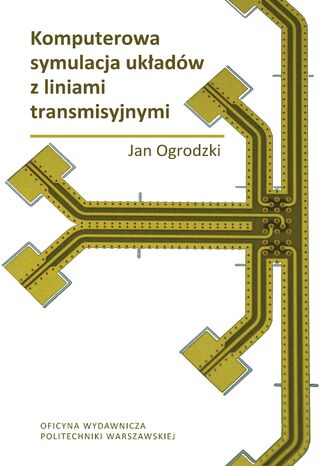
Komputerowa symulacja układów z liniami transmisyjnymi
Jan Ogrodzki
W niniejszej monografii zostały omówione metody i algorytmy modelowania i symulacji połączeń w układach elektronicznych. Połączenia to elementy przewodzące (wykonane na krzemie, płytce drukowanej lub jako kabel), które dla prądów stałych i wolno zmiennych (o długości fali dużej w porównaniu z długością połączenia), można opisywać rezystancjami albo zwarciami. Jednak dla wysokich częstotliwości (gdy długość fali jest porównywalna z długością połączenia) ma ono charakter układu o stałych rozłożonych, w ogólności wymagającego opisu za pomocą równań Maxwella. Jednak, jeżeli fala w połączeniu 1-D jest TEM lub quasi-TEM wystarczający staje się opis prostszy, za pomocą pary liniowych równań różniczkowych cząstkowych, zwanych równaniami telegrafistów. Należy zwrócić uwagę, że istotną cechą komunikacji z Czytelnikiem zaproponowanej w niniejszej pracy, jest fakt, że każdy z modeli literaturowych z rozdz. 3 oraz autorskich z rozdz. 5-8 został nie tylko opisany, ale także zaprogramowany w środowisku Matlab, aby Czytelnik mający dostęp do tego środowiska mógł sam z nimi eksperymentować. W tym celu dla każdego modelu napisano skrypt do symulacji w dziedzinie czasu. W ten sposób uzyskano własne wyniki dla modeli linii opracowanych wcześniej przez badaczy. Zaproponowano kilka przykładów, które są symulowane wszystkimi omawianymi modelami i przewijają się przez całą pracę - przede wszystkim jest to linia 50-omowa i 75-omowa. Pozwoliło to autorowi ocenić dokładność i złożoność oraz zajętość pamięci dla każdej z rozpatrzonych metod symulacji linii.
Komputerowe projektowanie układów cyfrowych, wyd. 1 / 2000
Tadeusz Łuba, Bogdan Zbierzchowski
Podstawowy wykład z zakresu komputerowego projektowania układów cyfrowych obejmujący syntezę układów cyfrowych wraz z przykładami i omówieniem ich budowy, języki specyfikacji sprzętu (VHDL) ze szczególnym uwzględnieniem języków dla układów programowalnych (AHDL, ABEL), a także komputerowe narzędzia syntezy logicznej (SIS, DEMAIN, ESPRESSO). Odbiorcy książki: studenci wydziałów elektroniki i technik informacyjnych o specjalności elektronika, telekomunikacja oraz informatyka, słuchacze studiów podyplomowych i studiów doktoranckich w dziedzinie techniki cyfrowej oraz specjalności pokrewnych.
Laboratorium sygnałów, modulacji i systemów
Mateusz Malanowski
Skrypt jest przeznaczony dla uczestników przedmiotu Sygnały, modulacje i systemy (SYMSE), prowadzonego na trzecim semestrze na Wydziale Elektroniki i Technik Informacyjnych Politechniki Warszawskiej, ale może być także wykorzystywany na innych uczelniach i wydziałach. W opracowaniu omówiono pięć ćwiczeń laboratoryjnych ściśle powiązanych z treścią wykładu. Dotyczą one: szeregu Fouriera, badania analogowych układów liniowych, próbkowania sygnałów i ich odtwarzania z probek, badania dyskretnych układów liniowych oraz stabilności układów analogowych i modulacji.
Danny Staple, Kevin McAleer
Learn Robotics Programming, Third Edition, addresses a common challenge for developers, hobbyists, and newcomers: turning robotics ideas into building and programming real, functional robots. While many resources focus either on theory or isolated components, it can be difficult to bring together hardware, software, and intelligent behavior into a working robotic system.This book provides a structured, hands-on path to designing and building robots using Raspberry Pi and Python. You’ll start by assembling a mobile robot and setting up its core systems, then progressively add capabilities such as motor control, sensor integration, and remote operation through web interfaces. As you advance, you’ll implement vision and voice features using OpenCV and ML voice models and explore intelligent behaviors, including localisation and sensor fusion, to help your robot navigate and respond to its environment.By the end of the book, you’ll have built a fully functional robot and developed the skills to design, program, and extend your own robotic systems. Whether you are getting started or already have programming experience, you’ll learn how to combine hardware and software into cohesive solutions and apply practical techniques for creating responsive, intelligent robots.*Email sign-up and proof of purchase required
Kassandra Perch
There has been a rapid rise in the use of JavaScript in recent times in a variety of applications, and JavaScript robotics has seen a rise in popularity too. Johnny-Five is a framework that gives NodeBots a consistent API and platform across several hardware systems.This book walks you through basic robotics projects including the physical hardware builds and the JavaScript code for them. You'll delve into the concepts of Johnny-Five and JS robotics.You'll learn about various components such as Digital GPIO pins, PWM output pins, Sensors, servos, and motors to be used with Johnny-Five along with some advanced components such as I2C, and SPI. You will learn to connect your Johnny-Five robots to internet services and other NodeBots to form networks. By the end of this book, you will have explored the benefits of the Johnny-Five framework and the many devices it unlocks.
Gary Garber
This book is for the hobbyists, builders, and programmers who want to build and control their very own robots beyond the capabilities provided with the LEGO EV3 kit. You will need the LEGO MINDSTORMS EV3 kit for this book. The book is compatible with both the Home Edition and the Educational Edition of the kit. You should already have a rudimentary knowledge of general programming concepts and will need to have gone through the basic introductory material provided by the official LEGO EV3 tutorials.
Samarth Shah, Serge Schneider
If you have a passion for technology and want to explore the world of Raspberry Pi, then this book provides you with all the tools and information you are looking for. Although being familiar with basic programming concepts is useful, you can still learn a lot from this book as a wide variety of topics are covered.
Alok Mani Tripathi
Robotic Process Automation (RPA) enables automating business processes using software robots. Software robots interpret, trigger responses, and communicate with other systems just like humans do. Robotic processes and intelligent automation tools can help businesses improve the effectiveness of services faster and at a lower cost than current methods.This book is the perfect start to your automation journey, with a special focus on one of the most popular RPA tools: UiPath.Learning Robotic Process Automation takes you on a journey from understanding the basics of RPA to advanced implementation techniques. You will become familiar with the UiPath interface and learn about its workflow. Once you are familiar with the environment, we will get hands-on with automating applications such as Excel, SAP, Windows and web applications, screen and web scraping, working with user events, and we'll cover exceptions and debugging. By the end of the book, you'll not only be able to build your first software robot, but you'll also wire it up to perform various automation tasks with the help of best practices for robot deployment.