
Języki obce
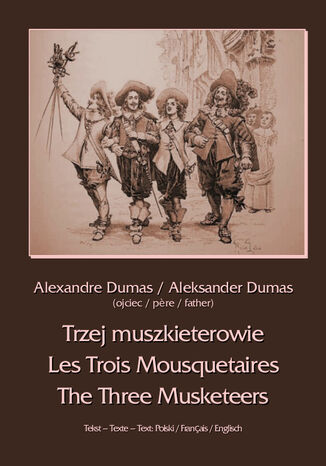
Trzej muszkieterowie - Les Trois Mousquetaires - The Three Musketeers
Aleksander Dumas
Alexandre Dumas / Aleksander Dumas (ojciec / pre / father) Trzej muszkieterowie / Les Trois Mousquetaires / The Three Musketeers / tekst w trzech językach: Polski / Français / Englisch Akcja powieści jest osadzona w pierwszej połowie XVII wieku we Francji i Anglii. Jest jedną z najsłynniejszych powieści Aleksandra Dumasa oraz powieści płaszcza i szpady. Została wielokrotnie zekranizowana i przetłumaczona na wiele języków. Francja, rok 1625. Krajem rządzi Ludwik XIII, ale faktycznym władcą jest żądny władzy kardynał Richelieu. Osiemnastoletni Gaskończyk d'Artagnan opuszcza rodzinne Tarbes, by wstąpić do elitarnej formacji muszkieterów królewskich. Na pożegnanie otrzymuje od matki przepis na maść leczącą wszystkie rany, zaś od ojca szpadę, list polecający do kapitana muszkieterów de Tréville'a, a także polecenie, żeby pojedynkować się z każdym, kto go obrazi. W przydrożnej karczmie w miasteczku Meung zaczepia człowieka, który śmieje się z jego konia. Nieznajomy nie chce jednak walczyć i wysyła swoich ludzi, którzy biją dArtagnana i łamią mu szpadę ojca. Tajemniczy człowiek kradnie chłopakowi list polecający do kapitana, po czym spotyka się z równie tajemniczą Milady. D'Artagnan przybywa do Paryża... (https://pl.wikipedia.org/wiki/Trzej_muszkieterowie) A co było dalej, dowiesz się drogi czytelniku po przeczytaniu książki. Les Trois Mousquetaires est un roman d'Alexandre Dumas. Le roman raconte les aventures d'un Gascon impécunieux de 18 ans, d'Artagnan, venu Paris pour faire carrire dans le corps des mousquetaires. Il se lie d'amitié avec Athos, Porthos et Aramis, mousquetaires du roi Louis XIII. Ces quatre hommes vont s'opposer au premier ministre, le cardinal de Richelieu et ses agents, dont le comte de Rochefort et la belle et mystérieuse Milady de Winter, pour sauver l'honneur de la reine de France Anne d'Autriche. (https://fr.wikipedia.org/wiki/Les_Trois_Mousquetaires) The Three Musketeers is a novel by Alexandre Dumas, first serialized in MarchJuly 1844. Set in the 17th century, it recounts the adventures of a young man named d'Artagnan after he leaves home to travel to Paris, to join the Musketeers of the Guard. D'Artagnan is not one of the musketeers of the title; those being his friends Athos, Porthos and Aramis, inseparable friends who live by the motto "all for one, one for all" ("tous pour un, un pour tous"), a motto which is first put forth by d'Artagnan. (https://en.wikipedia.org/wiki/The_Three_Musketeers)
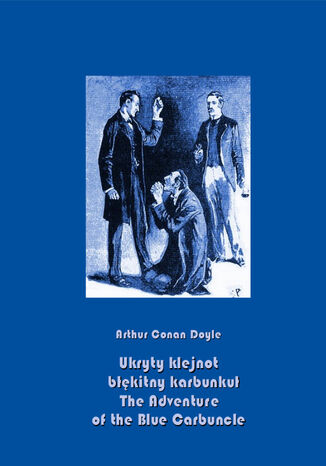
Ukryty klejnot błękitny karbunkuł. The Adventure of the Blue Carbuncle
Arthur Conan Doyle
Książka w dwóch wersjach językowych: polskiej i angielskiej. A dual Polish-English language edition. Przygoda dzieje się w okresie świąt Bożego Narodzenia. Znajomy Sherlocka Holmesa posłaniec Peterson jest świadkiem nocnej awantury. Wkracza, aby pomóc biednej ofierze pijanemu starcowi, napastowanemu przez chuliganów. Jednak ten, po nieumyślnym wybiciu szyby w sklepie, ucieka pozostawiając na ulicy podniszczony kapelusz i dorodną gęś. Peterson bez wahania zabiera te rzeczy do Holmesa. Sherlock dedukuje z kapelusza cechy właściciela, a gęś oddaje Petersonowi. Wkrótce w gęsi znaleziony zostaje błękitny karbunkuł skradziony w hotelu bogatej hrabinie Morcar. (za Wikipedią).
Un mundo cambiante en la enseñanza de la lengua y la literatura contemporáneas
Cecylia Tatoj, Marek Baran, R. Sergio Balches...
Monografia zbiorowa “Un mundo cambiante en la enseñanza de la lengua y la literatura contemporáneas” jest pokłosiem międzynarodowej konferencji współorganizowanej przez Instytut Języków Romańskich i Translatoryki UŚ, Sociedad Española de Didáctica de la Lengua y la Literatura, Instytut Cervantesa oraz Uniwersytet Łódzki i Uniwersytet Jagielloński, w dniach 25-28 marca 2018 w Krakowie. Niniejsza publikacja zawiera prace, które mogą szczególnie zainteresować osoby zajmujące się szeroko rozumianą dydaktyką języka hiszpańskiego jako obcego. Z jednej strony omawiane są zagadnienia teoretyczne, z drugiej praktyczne nauczania języka. Głos zabierają bowiem zarówno naukowcy skupiający swe badania wokół dydaktyki, jak i nauczyciele, którzy przedstawiają swoje obserwacje poczynione w klasie. Dodatkowo wielu z nich wspomaga się badaniami prowadzonymi przez socjologów, psychologów oraz antropologów, co sprawia, że spojrzenie na dydaktykę jest wieloaspektowe.

Under the Moon - With Audio Level 1 Oxford Bookworms Library
Akinyemi, Rowena
A level 1 Oxford Bookworms Library graded reader. This version includes an audio book: listen to the story as you read. Written for Learners of English by Rowena Akinyemi. It is the year 2522, and the planet Earth is dying. The Artificial Ozone Layer is only 300 years old, but it is breaking up fast. Now the sun is burning down on Earth with a white fire. There is no water. Without water, nothing can live. Trees die, plants die, animals die, people die . . . In a colony under the moon, people wait for news - news from home, news from the planet Earth. And in a spaceship high above Earth, a young man watches numbers on a computer screen. The numbers tell a story, and the young man is afraid. The planet Earth is burning, burning, burning . . .

Under the Moon Level 1 Oxford Bookworms Library
Akinyemi, Rowena
A level 1 Oxford Bookworms Library graded readers. Written for Learners of English by Rowena Akinyemi It is the year 2522, and the planet Earth is dying. The Artificial Ozone Layer is only 300 years old, but it is breaking up fast. Now the sun is burning down on Earth with a white fire. There is no water. Without water, nothing can live. Trees die, plants die, animals die, people die . . . In a colony under the moon, people wait for news - news from home, news from the planet Earth. And in a spaceship high above Earth, a young man watches numbers on a computer screen. The numbers tell a story, and the young man is afraid. The planet Earth is burning, burning, burning . . .
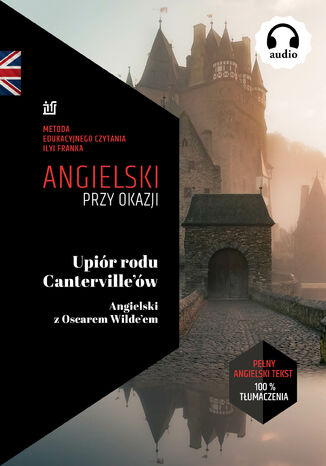
Upiór rodu Canterville'ów. Angielski z Oscarem Wilde\'em
Oscar Wilde
Książka dwujęzyczna ** ANGIELSKI + POLSKI + AUDIOBOOK **. ** CZYTASZ ** ROZUMIESZ ** ODSŁUCHUJESZ ** UCZYSZ SIĘ JĘZYKA ** Proponujemy czytanie ciekawych książek **W JĘZYKU ORYGINALNYM** z wplecionym polskim tłumaczeniem. Cała treść jest podzielona na akapity. Najpierw czytamy akapit **Z TŁUMACZENIEM**, następnie czytamy tę samą treść bez tłumaczenia, czyli "płyniemy bez asekuracji". Dodatkowo książka posiada QR code do **AUDIOBOOK**, żeby ćwiczyć wymowę. Mózg łączy obcojęzyczne i polskie znaczenia w jedną całość, a czytelnik **UCZY SIĘ JĘZYKA Z PRZYJEMNOŚCIĄ I PRZY OKAZJI**. Z serii mogą korzystać osoby zarówno początkujące i średniozaawansowane (czytając najpierw część z tłumaczeniem, a potem bez tłumaczenia), jak i osoby zaawansowane (czytając w odwrotnej kolejności albo tylko oryginalną treść). ** PEŁNY ORYGINALNY TEKST ** 100 % POLSKIEGO TŁUMACZENIA ** AUDIOBOOK ** Upiór rodu Canterville'ów - to często ekranizowane, zabawne opowiadanie grozy. Otóż duch, od wieków zamieszkujący zamek, który kupili gruboskórni Amerykanie, już całkowicie stracił nadzieję, że uda mu się kiedykolwiek ich przestraszyć. Ale urocza córka Amerykanina poznaje historię upiora i ratuje go od męki przeszłości. ** Pracujemy starannie nad tym, żeby odkrywać dla Ciebie urok oryginalnego języka, zawarty w każdej książce.
Utile e traducibile 2. Esercizi di lessico settoriale e quotidiano
Agnieszka Woch, Katarzyna Kowalik, Justyna Groblińska
Il manuale accademico Utile e traducibite 2. Esercizi di lessico settoriale e quotidiano e la seconda parte di una dispensa mirata ad ampliare le conoscenze degli apprendenti della lingua italiana. al livello B2+/C1 o superiore in diversi campi lessicali della vita quotidiana. Lo studio del vocabolario, questa volta nell'ambito di temi, come: l'arredamento della casa, la moda, la partecipazione alla cultura, lo sport, il lavoro e la medicina; e accompagnato da esercizi di traduzione e concentrato sull'introduzione di nuovi termini in un ampio contesto culturale. Si tratta non soltanto della cosiddetta cultura alta, ma anche di quella popolare. Il manuale sviluppa la comprensione della realta della vita quotidiana e delle abitudini, dei rituali, dei comportamenti, del modo di pensare e dei valori attualmente vigenti in Italia.
Utile e traducibile. Esercizi di lessico settoriale e quotidiano
Agnieszka Woch, Justyna Groblińska, Katarzyna Kowalik
La dispensa Utile e traducibile.Esercizi di lessico settoriale e quotidiano nasce dalla necessite di fornire ai docenti del Dipartimento di Italianistica dell'Universita di Łódź uno strumento originale che permetta di formare i futuri insegnanti e traduttori della lingua italiana. Il manuale si basa sull'esperienza diretta delle autrici ed e rivolto agli apprendenti polacchi di lingua italiana a livello B1 o superiore. E stato ideato come strumento pratico per favorire Io studio del lessico, degli elementi della civilta italiana e delle tecniche di traduzione. Lo studente approfondira le sue conoscenze dei campi lessicali importanti e degli elementi della cultura e vita quotidiana in Italia. Sviluppera anche le sue capacita di ricerca delle informazioni, delle tecniche di redazione e di traduzione nella lingua d'arrivo.
Uži si slovenčinu! Čítanka s cvičeniami pre stredne pokročilých
Miroslava Kyseľová, Sylwia Sojda
Podręcznik do nauczania języka słowackiego jako obcego Uži si slovenčinu! Čítanka s cvičeniami pre stredne pokročilých stanowi bardzo aktualny i potrzebny wkład do materiałów dydaktycznych dla cudzoziemców uczących się języka słowackiego, którzy opanowali umiejętności rozumienia tekstu czytanego na średniozaawansowanym poziomie B2-C1, a sprawności produktywne na poziomie B1 według ESOKJ. Pozycja powstała przede wszystkim z myślą o Słowianach, ale książka może posłużyć do nauki również studentom spoza tego kręgu kulturowego, których kontakt z językiem słowackim jest długotrwały, i którzy posiadają już odpowiednią kompetencję gramatyczną, a chcieliby udoskonalić swoje kompetencje, przede wszystkim w ramach umijętności komunikacyjnych. Ponadto, mogą po nią sięgnąć nie tylko filolodzy, ale wszyscy zainteresowani samodzielną nauką języka słowackiego na poziomie średniozaawansowanym (i wyższym). Publikacja składa się z 15 lekcji o takiej samej strukturze: blok lekcyjny złożony jest z trzech tekstów, dotyczących przewodniego tematu, do których dołączono ciekawe ćwiczenia komunikacyjne, ćwiczenia leksykalne, ćwiczenia gramatyczne oraz słowniczek, a wszystko odpowiednio dopasowane do założonego poziomu.Lekcje mogą składać się zarówno na odrębny kurs nauki języka słowackiego jako obcego, jak i stanowić uzupełnienie materiałów dydaktycznych w trakcie procesu nauczania. Atutem podręcznika są autentyczne, aktualne i oryginalne teksty zaczerpnięte ze słowackich portali internetowych. Stanowi to doskonałe źródło leksyki, której student często nie ma możliwości przyswoić podczas tradycyjnego kursu.
Vanity Fair - With Audio Level 6 Oxford Bookworms Library
Thackeray, William
A level 6 Oxford Bookworms Library graded reader. This version includes an audio book: listen to the story as you read. Retold for Learners of English by Diane Mowat. When Becky Sharp and Amelia Sedley leave school, their feet are set on very different paths. Kind, foolish Amelia returns to her comfortable home and wealthy family, to await a suitable marriage, while Becky must look out for herself, earning her own living in a hard world. But Becky is neither kind nor foolish, and with her quick brain and keen eye for a chance, her fortunes soon rise, while Amelia's fall. Greed, ambition, loyalty, folly, wisdom . . . this famous novel gives us a witty and satirical picture of English society during the Napoleonic wars.
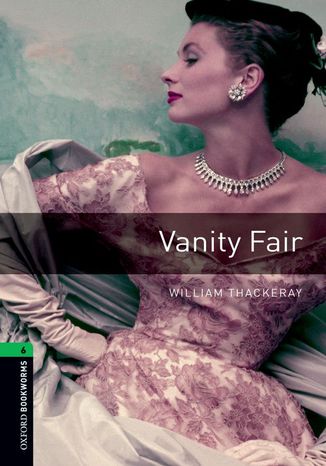
Vanity Fair Level 6 Oxford Bookworms Library
Thackeray, William
A level 6 Oxford Bookworms Library graded reader. Retold for Learners of English by Diane Mowat When Becky Sharp and Amelia Sedley leave school, their feet are set on very different paths. Kind, foolish Amelia returns to her comfortable home and wealthy family, to await a suitable marriage, while Becky must look out for herself, earning her own living in a hard world. But Becky is neither kind nor foolish, and with her quick brain and keen eye for a chance, her fortunes soon rise, while Amelia's fall. Greed, ambition, loyalty, folly, wisdom . . . this famous novel gives us a witty and satirical picture of English society during the Napoleonic wars.
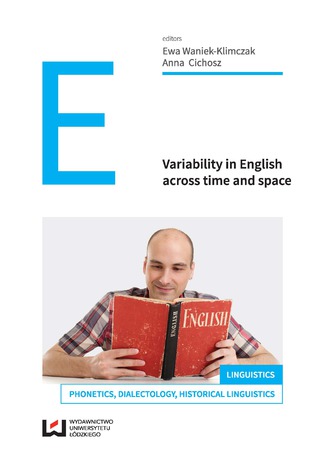
Variability in English across time and space
Ewa Waniek-Klimczak, Anna Cichosz
Synchronic variability in the area of phonetics, phonology, vocabulary, morphology and syntax is a natural feature of any language, including English. The existence of competing variants is in itself a fascinating phenomenon, but it is also a prerequisite for diachronic changes. This volume is a collection of studies which investigate variability from a contemporary and historical perspective, in both native and non-native varieties of English. The topics include Middle English spelling variation, lexical differences between Middle English dialects, Late Middle and Early Modern English forms of address, Middle English negation patterns, the English used by Polish immigrants living in London, lexical fixedness in native and non-native English used by Polish learners, and the phenomenon of phonetic imitation in Polish learners of English. The book should be of interest to anyone interested in English linguistics, especially English phonetics and phonology as well as history of English, historical dialectology and pragmatics.
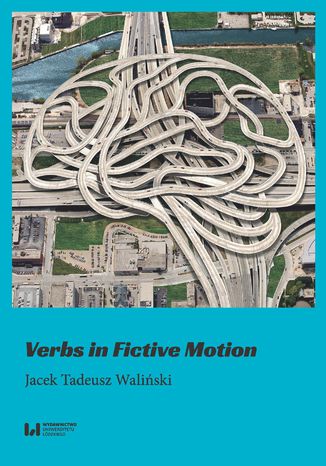
Jacek Tadeusz Waliński
This book presents a corpus-based study of verbs used in expressions of fictive motion, which refers to the cognitive-linguistic phenomenon of describing material objects incapable of movement in terms of motion over their configuration in space. The study focuses specifically on the category of coextension paths, which are used to describe the form, orientation, or location of a spatially extended object in terms of a path over the object’s extent. The analysis, carried out using the British National Corpus, indicates that in English only a fraction of motion verbs are used consistently to express coextension paths, and that some of them are used for this purpose far more systematically than others. A holographic image of structuring coextension paths that emerges from the linguistic data indicates that whereas directional motion verbs tend to be used in fictive motion to express bounded paths, directions, and routes, verbs of motion manner are employed to specify shapes constituting subjective counterparts of spatial contours of actual motion. Moreover, depending on the particular use and the wider linguistic context, certain coextension path expressions can be interpreted as a result of conceptual blending, which fuses multiple facets of motion via a common communicative platform established dynamically in discourse. From the perspective of the analysis, these interpretations are not mutually irreconcilable. The evocation of a particular conceptualization triggered by the semantic attributes conflated in a verb and its satellites is likely to depend not only on individual comprehension strategies, but also on the degree of cultural-linguistic conventionalization of certain fictive motion patterns established through the processes of language acquisition and social transfer.
Voces dialogantes. Estudios en homenaje al professor Wiaczesław Nowikow
Antonio María López González, Marek Baran, Agnieszka...
El presente volumen contiene cuarenta trabajos academicos preparados ex profeso para el homenaje al profesor Wiaczesław Nowikow. Los articulos han sido distribuidos en seis secciones, atendiendo a su contenido temático, a fin de mostrar un orden coherente que, al mismo tiempo, descubra contenidos y aproximaciones comunes. Dado el campo de especialización del homenajeado, la mayoría de las contribuciones –treinta y una– pertenecen al ámbito de la lingüística, en tanto que otros nueve artículos integran la sección literaria, cuya presencia, no obstante, es fruto del interés filológico e hispanista del profesor Nowikow, más allá de lo estrictamente lingüístico.
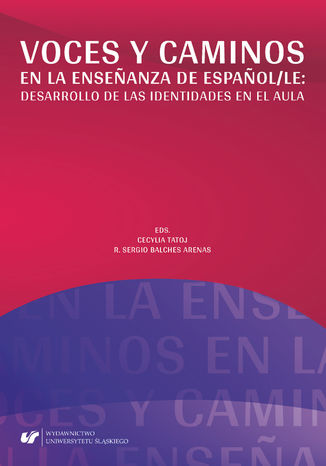
Voces y caminos en la enseñanza de español/LE: desarrollo de las identidades en el aula
R. Sergio Balches Arenas, Cecylia Tatoj
Monografia „Voces y caminos en la enseñanza de español /LE: desarrollo de las identidades en el aula”, ma na celu przedstawienie różnorodności badań prowadzonych we współczesnej dydaktyce języka hiszpańskiego dotyczących kształtowania się i rozwijania tożsamości. Znajdziemy w niej dwanaście rozdziałów napisanych przez autorów reprezentujących polskie i zagraniczne uczelnie, poświęconych zarówno rozważaniom teoretycznym zawartym w pierwszej części, jak i konkretnym propozycjom wykorzystania badań w praktyce glottodydaktycznej, które opisane zostały w części drugiej. Pierwszą część publikacji rozpoczyna tekst Evy Álvarez Ramos i Carmen Romero Claudio poświęcony rozwojowi indywidualnemu i jego wpływowi na edukację interkulturową. W dalszej części R. Sergio Balches Arenas i Magdalena Słowik, na bazie analizy porównawczej zdrobnień w języku hiszpańskim i polskim, przedstawiają nowe propozycje pracy na lekcji hiszpańskiego. Mª del Carmen García Manga wyjaśnia mechanizmy motywacyjnych w kształtowaniu i kreowaniu leksyki. Justyna Hadaś analizuje introspekcję jako główną strategię nauczania kultury. Antonio María López González, omawia rolę obserwacji w pracy nauczyciela. Manuel Fco. Romero Oliva, i Ester Trigo Ibáñez przedstawiają kształcenie nowych czytelników. José María Santos Rovira omawia rolę nauczyciela jako motywatora w nauce języków obcych, natomiast Bożena Wisłocka Breit skupia się na kursach typu MOOC’s i omawia ich możliwe zastosowania w nauczaniu języka hiszpańskiego. Druga część tomu zawiera propozycje wykorzystania badań naukowych w praktyce nauczania języka hiszpańskiego, których autorami są: Roland Campos López, Rafael Fernández Jiménez, Hugo Heredia Ponce, Fátima Quirós Rivero, Monika Ciesielkiewicz, Raúl Fernández Jódar i Joanna Fernández. R. Sergio Balches Arenas, starszy wykładowca w Zakładzie Filologii Hiszpańskiej Uniwersytetu Jagiellońskiego. Koordynator studiów magisterskich filologii hiszpańskiej specjalność nauczycielska. W latach 2001–2002 koordynator Kursu Mediacji Interkulturowej oraz w latach 2003–2004 studiów magisterskich specjalność mediacja interkulturowa prowadzonych przez Uniwersytet w Almerii, wchodzących w skład europejskiego programu EQUAL. Zainteresowania badawcze: socjolingwistyka, językoznawstwo stosowane w dydaktyce, pragmatyka i glottodydaktyka. Jest współautorem podręcznika do nauczania języka hiszpańskiego, współredaktorem monografii dotyczącej nauczania języka hiszpańskiego w Polsce oraz autorem licznych artykułów naukowych. We współpracy z Instytutem Cervantesa w Krakowie i polskimi ośrodkami naukowymi koordynuje oraz organizuje liczne konferenyje naukowe na temat nauczania języka hiszpańskiego. [16.05.2018] Cecylia Tatoj, doktor nauk humanistycznych w zakresie językoznawstwa, specjalność gramatyka kontrastywna hiszpańsko-polska. Od początku związana z językiem hiszpańskim na Uniwersytecie Śląskim: jako studentka nowo powstałego kierunku, asystent naukowo-dydaktyczny, a obecnie adiunkt w Zakładzie Studiów Iberyjskich i Latynoamerykańskich (dawniej Zakład Hispanistyki). Zainteresowania badawcze: porównywanie różnych pól semantycznych języka hiszpańskiego i polskiego na bazie gramatyki kognitywnej oraz glottodydaktyka ze szczególnym uwzględnieniem roli kompetencji interkulturowej w nauczaniu języka hiszpańskiego Polaków. Jest współredaktorką pięciu monografii wydanych w Polsce i w Hiszpanii, autorką 18 artykułów i rozdziałów w monografiach naukowych opublikowanych w polskich i zagranicznych czasopismach naukowych, materiałów dla nauczycieli, a także raportu na temat nauczania języka hiszpańskiego w sekcjach dwujęzycznych w Polsce. [16.05.2018]
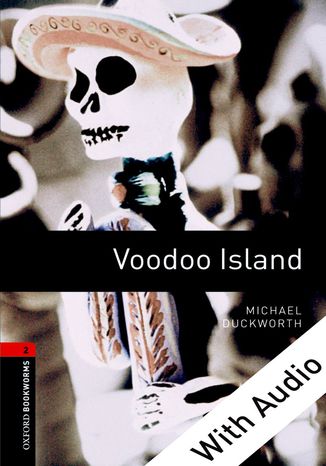
Voodoo Island - With Audio Level 2 Oxford Bookworms Library
Duckworth, Michael
A level 2 Oxford Bookworms Library graded reader. This version includes an audio book: listen to the story as you read. Written for Learners of English by Michael Duckworth. Mr James Conway wants to make money. He wants to build new houses and shops - and he wants to build them on an old graveyard, on the island of Haiti. There is only one old man who still visits the graveyard; and Mr Conway is not afraid of one old man. But the old man has friends - friends in the graveyard, friends who lie dead, under the ground. And when Mr Conway starts to build his houses, he makes the terrible mistake of disturbing the sleep of the dead . . .