
Języki obce
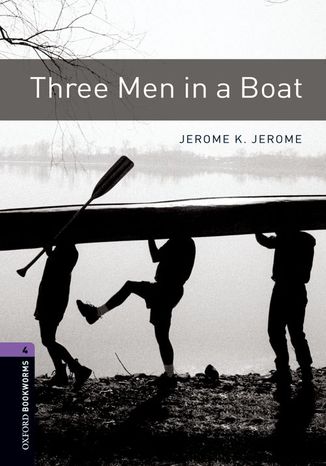
Three Men in a Boat Level 4 Oxford Bookworms Library
Jerome, Jerome K.
A level 4 Oxford Bookworms Library graded readers. Retold for Learners of English by Diane Mowat 'I like work. I find it interesting . . . I can sit and look at it for hours.' With ideas like this, perhaps it is not a good idea to spend a holiday taking a boat trip up the River Thames. But this is what the three friends - and Montmorency the dog - decide to do. It is the sort of holiday that is fun to remember afterwards, but not so much fun to wake up to early on a cold, wet morning. This famous book has made people laugh all over the world for a hundred years . . . and they are still laughing.
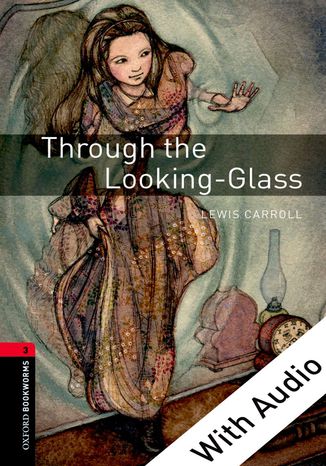
Through the Looking-Glass - With Audio Level 3 Oxford Bookworms Library
Carroll, Lewis
A level 3 Oxford Bookworms Library graded reader. This version includes an audio book: listen to the story as you read. Retold for Learners of English by Jennifer Bassett. 'I wish I could get through into looking-glass house,' Alice said. 'Let's pretend that the glass has gone soft and . . . Why, I do believe it has! It's turning into a kind of cloud!' A moment later Alice is inside the looking-glass world. There she finds herself part of a great game of chess, travelling through forests and jumping across brooks. The chess pieces talk and argue with her, give orders and repeat poems . . . It is the strangest dream that anyone ever had . . .
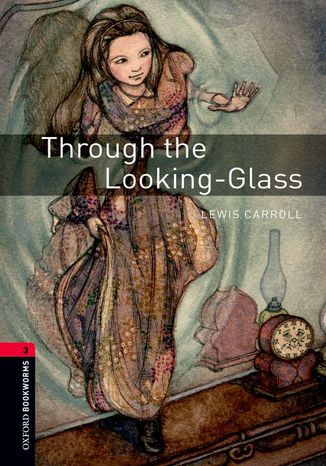
Through the Looking-Glass Level 3 Oxford Bookworms Library
Carroll, Lewis
A level 3 Oxford Bookworms Library graded reader. Retold for Learners of English by Jennifer Bassett 'I wish I could get through into looking-glass house,' Alice said. 'Let's pretend that the glass has gone soft and . . . Why, I do believe it has! It's turning into a kind of cloud!' A moment later Alice is inside the looking-glass world. There she finds herself part of a great game of chess, travelling through forests and jumping across brooks. The chess pieces talk and argue with her, give orders and repeat poems . . . It is the strangest dream that anyone ever had . . .

Edgar Rice Burroughs
“Thuvia, Maid of Mars“ is a novel by Edgar Rice Burroughs, an American fiction writer, who created such great characters as Tarzan and John Carter of Mars. Thuvia, Maid of Mars is a science fantasy novel, the fourth of the Barsoom series. It features the characters of John Carter and Carter's wife Dejah Thoris. Full of swordplay and daring feats, the series is considered a classic example of 20th-century pulp fiction. The story is set on Mars, imagined as a dying planet with a harsh desert environment. This vision of Mars was based on the work of the astronomer Percival Lowell, whose ideas were widely popularized in the late 19th and early 20th centuries.

Tips and Advice for Your Firm's Website
Steve Sibbald
Specjalistyczny poradnik językowo-biznesowy, tematycznie zgromadzone pojęcia i zagadnienia wraz z tłumaczeniami. Przykład: focal point /ˈfəʊkl pɔɪnt/ - punkt centralny, punkt skupienia uwagi (odwiedzającego) - The part of a website which the eye naturally looks at first.
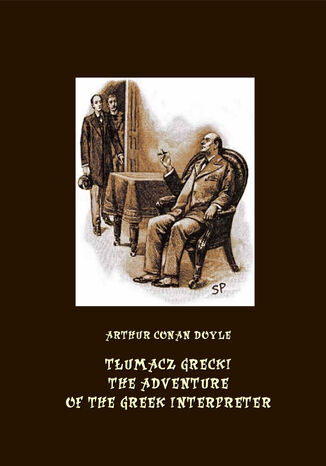
Tłumacz grecki. The Adventure of the Greek Interpreter
Arthur Conan Doyle
Książka w dwóch wersjach językowych: polskiej i angielskiej. A dual Polish-English language edition. Sherlock Holmes wybiera się z wizytą do swojego brata, Mycrofta. Towarzyszy mu Doktor Watson bardzo chcący poznać brata swego przyjaciela. W Klubie Diogenesa okazuje się, że znajomy Mycrofta ma do rozwiązania zagadkę dla słynnego detektywa. Otóż poprzedniego dnia zamieszkały w Londynie grecki tłumacz nazwiskiem Melas został porwany przez niejakiego Harolda Latimera oraz Wilsona Kempa i wywieziony do domu położonego w nieustalonym miejscu, gdzie miał pośredniczyć w ważnej rozmowie porywaczy z pewnym Grekiem, jak się okazało przetrzymywanym tam wbrew swej woli. Pan Melas zorientował się, że porywacze w ogóle nie znają greckiego i w trakcie rozmowy z Grekiem (zakneblowanym i dającym odpowiedzi na piśmie) wymawiał z początku zbędne słowa, aż w końcu zaczął toczyć rozmowę o okolicznościach porwania. (za Wikipedią).
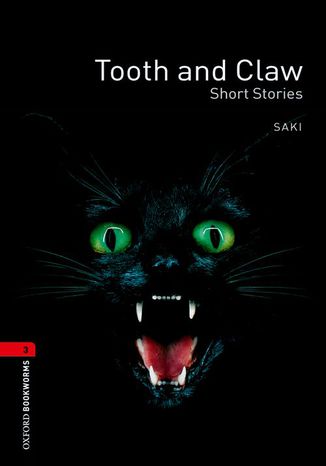
Tooth and Claw - Short Stories Level 3 Oxford Bookworms Library
Saki
A level 3 Oxford Bookworms Library graded readers. Retold for Learners of English by Rosemary Border Conradin is ten years old. He lives alone with his aunt. He has two big secrets. The first is that he hates his aunt. The second is that he keeps a small, wild animal in the garden shed. The animal has sharp, white teeth, and it loves fresh blood. Every night, Conradin prays to this animal and asks it to do one thing for him, just one thing. This collection of short stories is clever, funny, and shows us 'Nature, red in tooth and claw'. In other words, it is Saki at his very best.
Topics in Applied Psycholinguistics
red. Danuta Gabryś-Barker
Tom Topics in Applied Psycholinguistics pod redakcją Danuty Gabryś-Barker jest zbiorem artykułów badawczych zajmujących się tematyką związaną z przyswajaniem/uczeniem się języka obcego/drugiego z perspektywy badawczej psycholingwistyki stosowanej. Obejmuje artykuły poświecone zagadnieniom przyswajania poszczególnych poziomów języka obcego (fonologia, słownictwo), jak również porusza tematykę związaną z osobowością uczącego się, jego sferą emocji oraz zagadnieniu rozwijania współpracy w grupie, jaką jest klasa. Jest to interesująca pozycja nie tylko ze względu na przedstawioną tematykę, ale również ze względu na różnorodność metod badawczych stosowanych przez poszczególnych autorów w przedstawionych przez nich badaniach, począwszy od tradycyjnych metod do bardziej innowacyjnych. Książka powstała z myślą o studentach, przyszłych nauczycielach języka angielskiego jako obcego, ale będzie też zapewne interesująca dla innych badaczy zajmujących się zagadnieniami z zakresu psycholingwistyki i psycholingwistyki stosowanej.
Traduttologia e Traduzioni, vol. III. Interdisciplinarietà della traduzione
Łukasz Jan Berezowski
Nel suo complesso il volume Interdisciplinarieta della traduzione, curato da tukasz Jan Berezowski, offre una rassegna ricca e aggiornata di studi che analizzano, dalle prospettive pia diverse, i risvolti interdisciplinari della traduzione e della traduttologia. Si tratta di una pubblicazione utile non solo per gli specialisti di traduttologia, ma anche per i letterati, i linguisti e i culturologi interessati al dialogo e al confronto tra le culture. Tra i meriti del libro, che presenta contributi in varie lingue, c'e anche l'ampio spettro dei testi e dei contesti presi in considerazione che rendono questa pubblicazione preziosa per una ideale biblioteca europea. (dalla recensione del prof. Raoul Bruni)
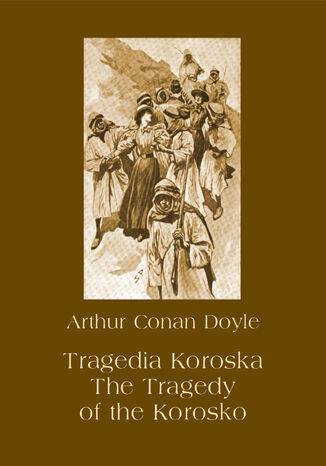
Tragedia Koroska. The Tragedy of the Korosko
Arthur Conan Doyle
Grupa europejskich turystów cieszy się podróżą do Egiptu w 1895 roku. Żeglują w górę Nilu ku miejscowości Korosko. Stamtąd zamierzają udać się do Abousir leżącego przy południowej granicy Egiptu, poza którą zaczyna się kraj derwiszów. Europejczycy zostają zaatakowani i uprowadzeni przez grasującą grupę arabskich wojowników i doświadczają licznych, niekoniecznie przyjemnych przygód... Klasyczny thriller.
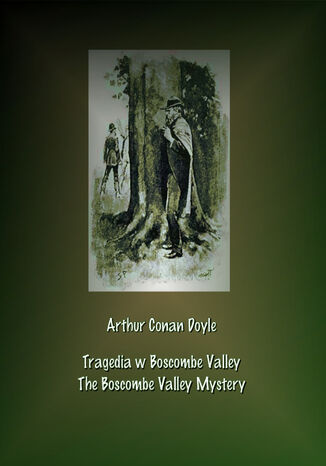
Tragedia w Boscombe Valley. The Boscombe Valley Mystery
Arthur Conan Doyle
W 1884 r. Abercrombie Smith, sportowiec i student medycyny na Uniwersytecie Oksfordzkim, zostaje wezwany do pokoi swojego sąsiada i kolegi Edwarda Bellinghama. Bellingham, fanatycznego student egiptologii, który posiada wiele starożytnych egipskich artefaktów, który zemdlał z powodu szoku. Kiedy Smith wykorzystuje swoje umiejętności medyczne, aby ożywić Bellinghama, przyjaciel tego ostatniego, William Monkhouse Lee wyjaśnia, że Bellingham ma dziwną obsesję na punkcie egipskiej mumii, którą kupił na aukcji. Bellingham trzyma mumię w swoim pokoju i nazwa ją Lot 249, bo tak brzmiały słowa, którymi określano ją podczas licytacji. Przez kilka następnych tygodni Smithowi często przeszkadzają odgłosy bełkotu i mamrotania z pokoju Bellinghama. Dozorca budynku, Thomas Styles, zwierza się Smithowi, że słyszał, jak coś chodzi po pokoju Bellinghama, gdy Bellingham jest poza domem. Niedługo potem student o imieniu Long Norton, do którego Bellingham ma od zadawnioną urazę, zostaje brutalnie zaatakowany przez tajemniczą i pozornie nieludzką postać. A co było dalej czytelnik dowie się po lekturze opowiadania. Zachęcamy!

Tragiczny koniec. After the Fact
Ernest William Hornung
Jedna z książek z serii o A. J. Rafflesie, złodzieju-dżentelmenie, której autorem jest Ernest William Hornung angielski pisarz. Seria ta spowodowała w owym czasie pewien szok kulturowy, ponieważ jej bohaterem jest nie policjant lub detektyw broniący prawa i porządku, ale przestępca (a raczej para przestępców, bo Raffles zwykle działa w parze ze swoim przyjacielem i narratorem tej serii opowiadań, Bunnym Mandersem). Budzą oni w dodatku sympatię czytelnika, który kibicuje ich niebezpiecznym przygodom (za Wikipedią). Książka w dwóch wersjach językowych: polskiej i angielskiej. A dual Polish-English language edition.
red. Agnieszka Adamowicz-Pośpiech, Marta Mamet-Michalkiewicz
Książka jest zbiorem artykułów poświęconych znaczeniu przekładu w kulturze. W prezentowanych rozprawach autorzy opisują i interpretują różne funkcje, jakie pełnią tłumaczenia poezji i prozy w zarówno w kulturze anglojęzycznej jak i polskiej. Autorzy analizują bariery kulturowe w przekładzie artystycznym, odmienne funkcjonowanie tłumaczeń w różnych kulturach, serie przekładowe, historię recepcji przekładów oraz ich wpływ na kulturę przyjmującą. Publikacja adresowana jest do studentów filologii zainteresowanych przekładem artystycznym, badaczy literatury i kultury anglojęzycznej i polskiej oraz do wszystkich zainteresowanych pogłębieniem wiedzy na temat roli przekładu w kulturze.
Treasure Island - With Audio Level 4 Oxford Bookworms Library
Stevenson, Robert Louis
A level 4 Oxford Bookworms Library graded reader. This version includes an audio book: listen to the story as you read. Retold for Learners of English by John Escott. 'Suddenly, there was a high voice screaming in the darkness: "Pieces of eight! Pieces of eight! Pieces of eight!" It was Long John Silver's parrot, Captain Flint! I turned to run . . .' But young Jim Hawkins does not escape from the pirates this time. Will he and his friends find the treasure before the pirates do? Will they escape from the island, and sail back to England with a ship full of gold?
Treasure Island Level 4 Oxford Bookworms Library
Stevenson, Robert Louis
A level 4 Oxford Bookworms Library graded reader. Retold for Learners of English by John Escott 'Suddenly, there was a high voice screaming in the darkness: "Pieces of eight! Pieces of eight! Pieces of eight!" It was Long John Silver's parrot, Captain Flint! I turned to run . . .' But young Jim Hawkins does not escape from the pirates this time. Will he and his friends find the treasure before the pirates do? Will they escape from the island, and sail back to England with a ship full of gold?
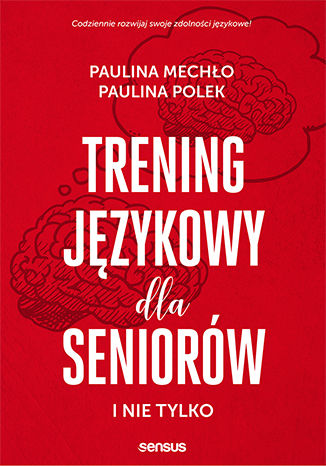
Trening językowy dla seniorów i nie tylko
Paulina Mechło, Paulina Polek
Język to podstawowe narzędzie naszej komunikacji z innymi - to on pozwala nam zrozumieć świat, a światu zrozumieć nas. Pozwala opowiedzieć o naszych emocjach, wyrazić potrzeby, nawiązać relacje. Jest narzędziem podstawowym, a jednocześnie najważniejszym, dlatego istotne jest, by działał sprawnie, pozwalając nam zarówno w mowie, jak i w piśmie oddać precyzyjnie każdą naszą myśl, zrelacjonować każde wydarzenie. A ponieważ wszystkie narzędzia do właściwego funkcjonowania wymagają odpowiedniej konserwacji, a wszystkie umiejętności treningu, także nasze zdolności werbalne możemy wesprzeć odpowiednim zestawem ćwiczeń, aby służyły nam jak najlepiej. Taki trening, zestaw zadań pozwalających zachować i rozwinąć płynność językową w mowie i w piśmie znajdą Państwo w tej książce. Przy okazji przygotowane przez Autorki zagadki i łamigłówki poprawią także pamięć i koncentrację, a przy tym dostarczą, co nie jest przecież bez znaczenia, po prostu pierwszorzędnej rozrywki intelektualnej. Powodzenia i niech, jak u Słowackiego, język giętki wypowie wszystko, co pomyśli głowa. Do dzieła!