
Hardware
Dział poświęcony w całości tematyce związanej ze sprzętem komputerowym. Gdy Twój pecet nie działa jak należy, sięgnij po którąś z niniejszych pozycji.
Książki nie tylko dla profesjonalistów: serwisantów, projektantów urządzeń współpracujących z PC i programistów. Każdy, kto chce dowiedzieć się jak działa jego pecet znajdzie tu odpowiedzi na wszystkie swoje pytania.
Niedoświadczony użytkownik komputera nie będzie musiał się już obawiać samodzielnego majstrowania we wnętrzu "peceta". Dzięki naszym książkom pozna dokładnie budowę komputera, dowie się jak połączyć poszczególne jego komponenty, tak by pracował on szybko i stabilnie. Zaawansowani znajdą tu wiele cennych wskazówek, podpowiedzi i sprawdzonych sposobów osiągania maksymalnej wydajności komputera.
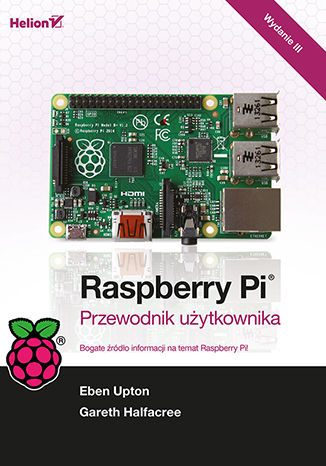
Raspberry Pi. Przewodnik użytkownika. Wydanie III
Eben Upton, Gareth Halfacree
Bogate źródło informacji na temat Raspberry Pi! Raspberry Pi to komputer wielkości karty kredytowej. Wśród jego głównych atutów można wymienić ogrom możliwości oraz niską cenę. Początkowo miał pełnić rolę platformy do nauki programowania, jednak szybko znalazł tysiące innych zastosowań! Raspberry Pi jest używany jako serwer WWW, domowe media center, sterownik urządzeń lub baza do zaawansowanych projektów elektronicznych. Jaki Ty masz pomysł na jego zastosowanie? Ta książka to kolejne wydanie instrukcji użytkownika, dzięki której poznasz tajniki pracy z platformą Raspberry Pi. Została wzbogacona i zaktualizowana o informacje o najnowszej wersji Pi, oznaczonej symbolem B+. Nowa wersja to jeszcze większa moc oraz ciekawe możliwości. Sięgnij po tę książkę i przekonaj się, czym charakteryzuje się architektura ARM oraz jak przygotować Pi do pracy. Naucz się pracować z systemem Linux, a także tworzyć programy i skrypty między innymi za pomocą języka Python. Dowiedz się, jak zbudować centrum multimedialne na podstawie platformy Raspberry Pi oraz jak podłączyć do Pi dodatkowe urządzenia. Książka ta jest obowiązkową lekturą dla wszystkich osób zafascynowanych możliwościami Raspberry Pi. Dzięki tej książce: poznasz historię platformy oraz jej możliwości dowiesz się, jak podłączyć do Pi zewnętrzne urządzenia wykorzystasz złącza GPIO zbudujesz centrum multimedialne z Pi na czele wykorzystasz w pełni możliwości tej niesamowitej platformy Kompletne źródło informacji o Raspberry Pi!
Simon Monk
Wyobraź sobie komputer o rozmiarach niewiele większych od karty kredytowej, posiadający całkiem sporą moc obliczeniową, pracujący pod kontrolą systemu Linux i kosztujący grosze. Tak, taki sprzęt istnieje naprawdę! Mowa o Raspberry Pi — urządzeniu zaprojektowanym z myślą o nauce programowania dla dzieci, które sprawdziło się w wielu zastosowaniach i odniosło ogromny sukces na rynku komercyjnym jako serwer WWW, odtwarzacz filmów oraz platforma do budowy niezwykłych projektów elektronicznych. Brzmi intrygująco? Otwórz tę książkę i poznaj najlepsze przepisy na wykorzystanie możliwości Raspberry Pi. Stąd dowiesz się wszystkiego o budowie i możliwościach tego urządzenia. Po lekturze kolejnych rozdziałów podłączysz Pi do sieci — zarówno kablowej, jak i bezprzewodowej, oraz wykorzystasz złącza GPIO. Ponadto poznasz podstawy języka Python i zobaczysz, jak zastosować go w Pi. Po lekturze tej książki będziesz umiał samodzielnie sterować sprzętem elektronicznym i silnikami oraz zbierać dane z czujników różnego typu. Książka ta jest obowiązkową pozycją dla każdego posiadacza tej niezwykłej platformy! Dzięki tej książce: rozpoczniesz pracę z Raspberry Pi, podłączysz Raspberry Pi do sieci, będziesz pracował w środowisku opartym na systemie Linux, skorzystasz z gotowych aplikacji przeznaczonych dla Raspberry Pi, będziesz sterował pracą elektroniki podłączonej do złącza GPIO, poznasz zagadnienia dotyczące sterowania za pomocą Raspberry Pi pracą różnych silników, rozpoczniesz pracę z przełącznikami, blokami klawiszy i innymi cyfrowymi urządzeniami wejściowymi, wykonasz różne pomiary za pomocą czujników podłączonych do Raspberry Pi, podłączysz do Raspberry Pi różne wyświetlacze — między innymi matryce diodowe, stworzysz dynamiczne projekty korzystające z możliwości Arduino i Raspberry Pi. Twój przewodnik po platformie Raspberry Pi!
Raspberry Pi. Receptury. Wydanie III
Simon Monk
Raspberry Pi sukcesywnie zdobywa coraz więcej użytkowników. Dla niektórych jest to sposób na realizację życiowych pasji, dla innych - praktyczny, tani komputer, który może pracować pod kontrolą Linuksa i pełnić funkcję platformy obsługującej przeróżne urządzenia elektroniczne. Skupiona wokół Raspberry Pi społeczność nieprzerwanie tworzy nowe oprogramowanie oraz płytki interfejsów. To wszystko sprawia, że możliwości Raspberry stale rosną. Pojawiające się technologie przy odrobinie kreatywności mogą łatwo przeobrazić się w praktyczne i niedrogie, a przy tym zdecydowanie innowacyjne i nowoczesne rozwiązania. To zaktualizowane wydanie znakomitego zbioru receptur ułatwiających wykorzystanie potencjału Raspberry Pi. Uwzględniono tu nowe modele tego komputera, a także zmiany i ulepszenia systemu operacyjnego Raspbian. Dodano rozdziały traktujące o dźwięku i automatyce domowej. Te receptury bez trudu wykorzystasz dla zwiększenia wygody we własnym domu. Dzięki lekturze poznasz podstawowe reguły tej technologii, aby łatwiej zrozumieć zagadnienia dotyczące konkretnej płytki czy kodu. Z tej pozycji możesz korzystać podobnie jak z książki kucharskiej: przeczytać od deski do deski albo skupić się na rozwiązaniu jednego, konkretnego problemu. Być może docenisz, że w recepturach dotyczących sprzętu uwzględniono przede wszystkim rozwiązania niewymagające lutowania obwodów. W tej książce znajdziesz receptury, dzięki którym: rozpoczniesz pracę z Raspberry Pi, również w sieci zaprogramujesz Raspberry Pi w języku Python wykorzystasz technologię rozpoznawania obrazów będziesz sterować pracą silników, czujników i innych elementów elektroniki połączysz Raspberry Pi z różnymi urządzeniami wejściowymi podłączysz swój dom do internetu rzeczy Szczęśliwcy, którzy znają Simona Monka, uważają go za autorytet w dziedzinie elektroniki praktycznej, specjalistę w łączeniu projektów komputerowych ze światem fizycznym, wreszcie eksperta w zakresie sprzętu komputerowego i oprogramowania. Ta książka zawiera wiele przydatnych projektów i jest niezbędnym źródłem wiedzy o Raspberry Pi Alan O'Donohoe, exa.foundation, twórca inicjatywy Raspberry Jams Raspberry Pi: morze możliwości dla inżyniera z pasją!
Richard Grimmett
If you are a programmer with an interest in building advanced robotics projects using inexpensive hardware and open source software, then this book is for you. Some experience with computer programming and implementing simple mechanical systems is required.
Andrew K. Dennis
A cluster is a type of parallel/distributed processing system which consists of a collection of interconnected stand-alone computers cooperatively working together. Using Raspberry Pi computers, you can build a two-node parallel computing cluster which enhances performance and availability.This practical, example-oriented guide will teach you how to set up the hardware and operating systems of multiple Raspberry Pi computers to create your own cluster. It will then navigate you through how to install the necessary software to write your own programs such as Hadoop and MPICH before moving on to cover topics such as MapReduce. Throughout this book, you will explore the technology with the help of practical examples and tutorials to help you learn quickly and efficiently.Starting from a pile of hardware, with this book, you will be guided through exciting tutorials that will help you turn your hardware into your own super-computing cluster. You'll start out by learning how to set up your Raspberry Pi cluster's hardware. Following this, you will be taken through how to install the operating system, and you will also be given a taste of what parallel computing is about. With your Raspberry Pi cluster successfully set up, you will then install software such as MPI and Hadoop. Having reviewed some examples and written some programs that explore these two technologies, you will then wrap up with some fun ancillary projects. Finally, you will be provided with useful links to help take your projects to the next step.
Raspberry Pi Zero W. Kontrolery, czujniki, sterowniki i gadżety
Akkana Peck
Raspberry Pi Zero W potrafi komunikować się z komputerem, ma wbudowane moduły Wi-Fi i Bluetooth Low Energy (BLE), posiada także złącza służące do podłączania zewnętrznych elementów elektronicznych. Może posłużyć do budowy najprzeróżniejszych robotów, sterowników, czujników czy interfejsów do komunikacji z innymi urządzeniami. Przy tym wszystkim jest małe, tanie i energooszczędne. Dodatkowo praca z Raspberry Pi to znakomity i bardzo przyjemny sposób nauki podstaw elektroniki, informatyki czy programowania. Dzięki tej niewielkiej książeczce błyskawicznie zaczniesz realizować własne projekty z zastosowaniem Raspberry Pi Zero W. Najpierw przygotujesz się do pracy, a następnie nauczysz się sterować pracą diod LED, i to zarówno z poziomu wiersza poleceń, jak i programu napisanego w Pythonie. Wykonasz monitor stanu środowiska wyposażony w sterownik, dzięki któremu możliwe będzie utrzymywanie temperatury w domu na żądanym poziomie - naturalnie z wykorzystaniem klimatyzatora lub wentylatora. Ostatnim projektem przedstawionym w książce jest bransoletka - pasek z diod LED, który monitoruje wybrane serwisy internetowe i powiadamia o ciekawych wydarzeniach. To, jak wykorzystasz wiedzę z tej książki, zależy wyłącznie od Twojej wyobraźni! Najważniejsze zagadnienia: przygotowanie środowiska i konfiguracja płytki praca z diodami LED i czujnikami temperatury aplikacje współpracujące z Twitterem projekty zastosowań przenośnych Raspberry Pi: małe wymagania, wiele świetnych zastosowań!
Rajnish Harjika
Agile implementation of enterprise architecture (EA) in the cloud is a powerful organizational tool, but it is challenging, particularly for architects who are used to on-premises environments. This in-depth guide will tell you all you need to know to reap the benefits of applying EA in your organization to achieve operational efficiency.Starting with an overview of the foundations of enterprise architecture, you'll see how it can be applied to AWS as well as explore the frameworks AWS provides for EA, such as the AWS Well-Architected Framework. That's not all – the book shows you how these frameworks align with The Open Group Architecture Framework (TOGAF) architecture development method (ADM) and the Zachman Framework so that you can choose the right fit for your organization. As you advance, you'll learn how to apply SAFe to make your organization agile as well as efficient. Once you've gotten to grips with the theory, you can explore use cases and take a quiz at the end of the book to test yourself and see how EA is applied in practice.By the end of this enterprise architecture book, you'll have the skills and knowledge required to apply EA in the cloud with AWS and drive your organization to become super-efficient and agile.
Red Hat Enterprise Linux 8 Essentials. Learn to install, administer and deploy RHEL 8 systems
Neil Smyth
Red Hat Enterprise Linux 8 is one of the most secure and dependable operating systems available. For this reason, the ambitious system or network engineer will find a working knowledge of Red Hat Enterprise 8 to be an invaluable advantage in their respective fields. This book, now updated for RHEL 8.1, begins with a history of Red Enterprise Linux and its installation. You will be virtually perform remote system administration tasks with cockpit web interface and write shell scripts to maintain server-based systems without desktop installation. Then, you will set up a firewall system using a secure shell and enable remote access to Gnome desktop environment with virtual network computing (VNC). You’ll share files between the Red Hat Enterprise Linux 8 (RHEL 8) and Windows System using Samba client and NFS. You will also run multiple guest operating systems using virtualization and Linux containers, and host websites using RHEL 8 by installing an Apache web server. Finally, you will create logical disks using logical volume management and implement swap space to maintain the performance of a RHEL 8 system. By the end of this book, you will be armed with the skills and knowledge to install the RHEL 8 operating system and use it expertly.
Abhishek Nalwaya
The four Rhomobile products – Rhodes, Rhosync, RhoHub, and Rhogallery – provide a complete toolkit for creating a mobile application. Rhomobile is cross-platform and so allows you to build your application for many different types of smartphone – including iPhone and Blackberry – just with a single codebase. This makes it the most preferred and quickest way of developing mobile apps. As you create a native Rhomobile application, you can use the built-in device features such as GPS, Push, and Camera, all with offline capabilities.Rhomobile Beginner's Guide is filled with practical examples to help you to create a mobile application from scratch. You can choose on which operating system to build, as well as for which smartphone to develop your application, giving you the freedom to create a customized mobile application quickly and easily.Once you have learned how to install Rhomobile on Windows, Mac, or Linux, you will create a simple application, which will be used to explore the products of Rhomobile one by one. Things really get going when you write unit test cases for your application before deploying it to the server and making builds for your chosen Smartphone.You will learn about the different aspects of Rhomobile, starting with Rhodes 3, which helps you to build a native mobile application. Rhosync 2.1 carries out the offline device capabilities and RhoHub deploys the code on the server and creates a build for the different smartphones.Rhomobile Beginner's Guide gives you the freedom to create a mobile web application on the platform of your choice, for the smartphone of your choice.
Adil Zafar, Dharma Alturi, Sanket Taur, Mihir...
If you’re unsure whether adopting SAP S/4HANA is the right move for your enterprise, then this book is for you. This practical and comprehensive guide will help you determine your next steps toward building a business case, while preparing you for all the possible scenarios and enabling you to make informed decisions during implementation. RISEwith SAP toward a Sustainable Enterprise is packed with clear and detailed advice, including a run-through of what it takes to design the landscape using RISE with SAP. As you go through the chapters, you’ll get a solid understanding of precisely what services are available (such as Process Discovery, data migration, the fit-to-standard approach), and which scope items on RISE with SAP should be considered, allowing you to make the most of RISE with the SAP-based model. Finally, you’ll get an overview of different industry-based use cases and how they can be brought to reality with the platform that’s set up on the RISE with SAP offering. By the end of this book, you’ll be able to build a detailed business case to determine if RISE with SAP is the right transformation engine for you, along with a clear idea of optimized landscape design on RISE with SAP that addresses the pain points for your implementation and support activities.
Robot Framework Test Automation. Create test suites and automated acceptance tests from scratch
Sumit Bisht
Testing has traditionally been a part of software development, and has always involved a lot of manual effort. It can be automated with Robot Framework, which offers numerous benefits from cost saving to increased quality assurance in the software delivery. This book will help you to start designing test suites and Automated Acceptance Tests.Helping you to get started with automating acceptance tests, this book will provide a detailed overview of acceptance test management practices and principles. You will also be introduced to advanced techniques that you can use to customize the test suite, along with helpful tips and tricks to extend and leverage it in a wide variety of scenarios.Starting with a detailed explanation of the need for automated acceptance test driven development, this guide will help you with an empty test project creation and execution for proof of concept, and validation of installation. This book will also cover the Robot Framework in detail, and will help you test desktop applications using Java Swing. You will gain an in-depth knowledge of tricky activities, such as setting up a test environment and using it with Selenium.You will also learn about other popular libraries, and how to test network protocols, web services, and databases. This book will cover the entire Robot Framework with real- world practical material to make its content informative and interesting.By the end of this book you will be able to write acceptance tests for desktop and web applications, as well as know how to extend acceptance testing in other scenarios that are commonly devoid of tests, and present the results appropriately.
Danny Staple
The field of robotics is expanding, and this is the perfect time to learn how to create robots at home for different purposes. This book will help you take your first steps in planning, building, and programming a robot with Raspberry Pi Pico, an impressive controller bursting with I/O capabilities. After a quick tour of Pico, you’ll begin designing a robot chassis in 3D CAD. With easy-to-follow instructions, shopping lists, and plans, you’ll start building the robot. Further, you’ll add simple sensors and outputs to extend the robot, reinforce your design skills, and build your knowledge in programming with CircuitPython. You’ll also learn about interactions with electronics, standard robotics algorithms, and the discipline and process for building robots. Moving forward, you’ll learn how to add more complicated sensors and robotic behaviors, with increasing complexity levels, giving you hands-on experience. You’ll learn about Raspberry Pi Pico’s excellent features, such as PIO, adding capabilities such as avoiding walls, detecting movement, and compass headings. You’ll combine these with Bluetooth BLE for seeing sensor data and remotely controlling your robot with a smartphone. Finally, you’ll program the robot to find its location in an arena.By the end of this book, you’ll have built a robot at home, and be well equipped to build more with different levels of complexity.
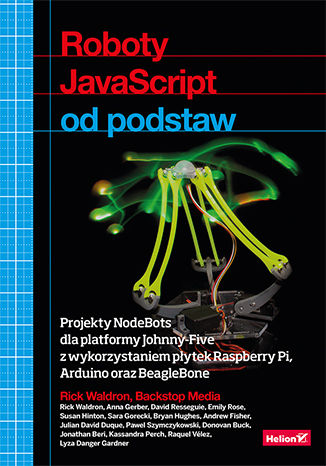
Rick Waldron, Backstop Media (lista współautorów w...
Powszechnie JavaScript uważa się za doskonałe narzędzie do programowania aplikacji internetowych. To jednak nie wszystko: ten język świetnie nadaje się również do programowania robotów. Umożliwia zaprojektowanie zachowania robota, określenie, w jaki sposób będzie on zmierzał do celu, reagował na sygnały z otoczenia, oczekiwał na instrukcje czy omijał przeszkody. Bardzo wygodnym narzędziem do programowania robotów jest platforma Johnny-Five. Umożliwia ona programowanie robotów zbudowanych z płytek Arduino, Raspberry Pi i BeagleBone. Dzięki tej książce można nauczyć się budowania i programowania robotów o najrozmaitszej funkcjonalności i wielu zastosowaniach. Do jej napisania Rick Waldron zaprosił czternastu mistrzów JS — inżynierów, nauczycieli, popularyzatorów i liderów. Dowiesz się od nich, w jaki sposób zbudować poszczególne elementy robota, jakie części zastosować i jak napisać potrzebny kod. Podpowiedzą Ci, jak przygotować sobie warsztat pracy oraz zdobyć potrzebne materiały. Znajdziesz tu mnóstwo wskazówek pomocnych przy planowaniu, budowie i testowaniu już istniejących projektów. Poszczególne zadania zostały tak dobrane, aby po ich wykonaniu można było zabrać się za trudniejsze projekty, o wyższym stopniu złożoności. Zbuduj i zaprogramuj: roboty kroczące, piszące, pływające, a nawet tańczące domowy zegar słoneczny robota sterowanego głosem robota do sterowania oświetleniem system monitoringu robota ze sztuczną inteligencją robota delta interaktywne buty
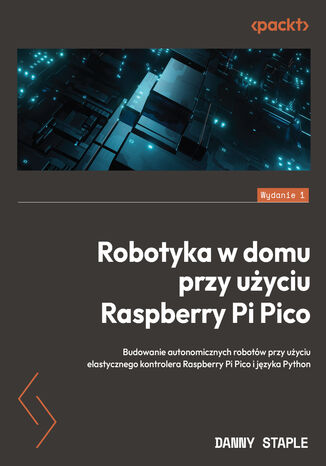
Danny Staple
Dziedzina robotyki rozrasta się i mamy teraz idealny moment, aby nauczyć się, jak tworzyć w domu roboty o różnym przeznaczeniu. Książka ta pomoże w podjęciu pierwszych kroków do planowania, budowy i programowania robota za pomocą Raspberry Pi Pico, robiącym wrażenie kontrolerze o ogromnym potencjale wejścia/wyjścia (I/O). Po krótkim przeglądzie Pico zaczniemy projektować korpus robota za pomocą narzędzia CAD 3D. Mając do dyspozycji proste do śledzenia instrukcje, listę zakupów i plany, zaczniecie budowę robota. Następnie dodacie proste czujniki i wyjścia, aby rozszerzyć działanie robota, podbudować swoje umiejętności projektowania i zdobyć wiedzę o programowaniu w języku CircuitPython. Dowiecie się także o interakcji z elektroniką, standardowych algorytmów robotyki oraz dyscypliny i procedur budowy robotów. Przechodząc dalej dowiecie się, jak dodawać bardziej skomplikowane czujniki i zachowania robota, na coraz wyższych poziomach złożoności, uzyskując praktyczne doświadczenia. Poznacie wspaniałe cechy Raspberry Pi Pico, jak PIO, dodawanie takich możliwości, jak unikanie ścian, wykrywanie ruchu i zrozumienie nagłówków. Połączycie to z Bluetooth BLE, aby oglądać dane z czujników i zdalnie kontrolować robota za pomocą smartfonu. Wreszcie zaprogramujecie robota, aby znajdować jego położenie na arenie. Kończąc tę książkę będziecie mieli zbudowanego samodzielnie robota i będziecie dobrze przygotowani do budowy innych o różnym stopniu złożoności. Czego się nauczycie? Interfejsu Raspberry Pi Pico z motorem do poruszania częściami Projektowania w CAD 3D za pomocą Free CAD Budowy prostego robota i rozszerzania na coraz bardziej złożone projekty Interfejsu Raspberry Pi Pico z czujnikami Bluetooth BLE Wizualizacji danych z pracy robota za pomocą MatPliotlib Algorytmów robotyki pozwalających na inteligentne zachowanie
Marcio Morales
Windows applications are everywhere, from basic intranet applications to high-traffic public APIs. Their prevalence underscores the importance of combining the same tools and experience for managing a modern containerized application with existing critical Windows applications to reduce costs, achieve outstanding operational excellence, and modernize quickly. This comprehensive guide to running and managing Windows containers on AWS looks at the best practices from years of customer interactions to help you stay ahead of the curve.Starting with Windows containers basics, you’ll learn about the architecture design that powers Amazon ECS, EKS, and AWS Fargate for Windows containers. With the help of examples and best practices, you’ll explore in depth how to successfully run and manage Amazon ECS, EKS, and AWS Fargate clusters with Windows containers support. Next, the book covers day 2 operations in detail, from logging and monitoring to using ancillary AWS tools that fully containerize existing legacy .NET Framework applications into containers without any code changes. The book also covers the most common Windows container operations, such as image lifecycle and working with ephemeral hosts.By the end of this book, you’ll have mastered how to run Windows containers on AWS and be ready to start your modernization journey confidently.
Maxwell Flitton
Are safety and high performance a big concern for you while developing web applications?With this practical Rust book, you’ll discover how you can implement Rust on the web to achieve the desired performance and security as you learn techniques and tooling to build fully operational web apps.In this second edition, you’ll get hands-on with implementing emerging Rust web frameworks, including Actix, Rocket, and Hyper. It also features HTTPS configuration on AWS when deploying a web application and introduces you to Terraform for automating the building of web infrastructure on AWS. What’s more, this edition also covers advanced async topics. Built on the Tokio async runtime, this explores TCP and framing, implementing async systems with the actor framework, and queuing tasks on Redis to be consumed by a number of worker nodes. Finally, you’ll go over best practices for packaging Rust servers in distroless Rust Docker images with database drivers, so your servers are a total size of 50Mb each.By the end of this book, you’ll have confidence in your skills to build robust, functional, and scalable web applications from scratch.