
Informatyka
Zajrzyj do kategorii Informatyka w księgarni internetowej Ebookpoint. Znajdziesz tutaj bestsellerowe książki, ebooki i kursy video z branży IT. Sięgnij po najlepszą literaturę dla specjalistów i rozwijaj doświadczenie, które już posiadasz, lub rozpocznij swoją przygodę z programowaniem, cyberbezpieczeństwem lub grafiką komputerową. Pogłębiaj swoją wiedzę tak, jak Ci wygodnie - z tradycyjną książką, wygodnym ebookiem lub nowoczesnym videokursem. Sprawdź, jakie tytuły znajdziesz w kategorii Informatyka!
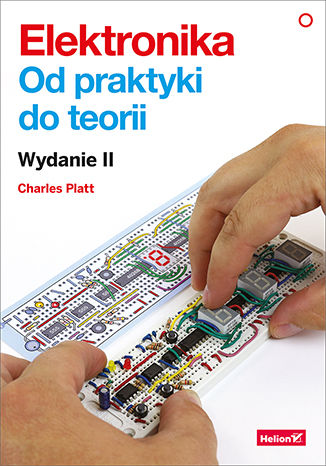
Elektronika. Od praktyki do teorii. Wydanie II
Charles Platt
Elektronika jest uważana za trudną dziedzinę wiedzy. Zwykle naucza się jej standardowymi metodami: najpierw przedstawia się definicje, wzory i prawidła, a dopiero potem przechodzi się do ćwiczeń praktycznych. Adept elektroniki najpierw zapoznaje się ze wskazówkami i, postępując ściśle według instrukcji, buduje proste obwody. Oczywiście, nie jest to zła metoda nauki. Niemniej jednak, jeśli chcesz się zaciekawić, zafascynować i naprawdę nauczyć elektroniki, o wiele lepszą metodą jest nauka przez odkrywanie. Polega ona na eksperymentowaniu, własnoręcznym łączeniu komponentów i obserwacji - dzięki temu zrozumienie procesów, które zachodzą w działających układach, przychodzi dużo łatwiej i naturalniej, a nabyta wiedza jest o wiele trwalsza. Książka, którą masz przed sobą, to nietuzinkowy podręcznik podstaw elektroniki. Nauka następuje głównie dzięki eksperymentom, a podstawy teoretyczne są przedstawiane nieco później. Świat elektroniki staje się fantastycznym polem do własnych badań, prób i odkryć. Książka ma tę samodzielną drogę Czytelnikowi wskazać i ułatwić. Zawiera przy tym mnóstwo cennych wskazówek, począwszy od listy niezbędnych przyrządów, na instrukcjach rozwiązywania problemów skończywszy. Autor zachęca do prawdziwego eksperymentowania, w którym ewentualne pomyłki będą istotnym elementem procesu nauki! W tej książce znajdziesz: mnóstwo świetnych projektów, uszeregowanych od najprostszych po dość złożone, instrukcje dotyczące przygotowania własnego "laboratorium elektroniki", jasne i łatwe do zrozumienia wskazówki dotyczące poszczególnych eksperymentów, informacje o kluczowych częściach elektronicznych oraz ich funkcjach w obwodach elektronicznych, przystępnie podane podstawy teoretyczne elektroniki, wskazówki odnoszące się do korzystania z mikrokontrolera Arduino, instrukcje, jak zbudować alarm przeciwwłamaniowy, lampki choinkowe, elektroniczną biżuterię, procesory dźwięku, tester refleksu, zamek szyfrowy i wiele innych urządzeń. Spal, zepsuj, eksperymentuj - oto Twoja ścieżka do wiedzy!
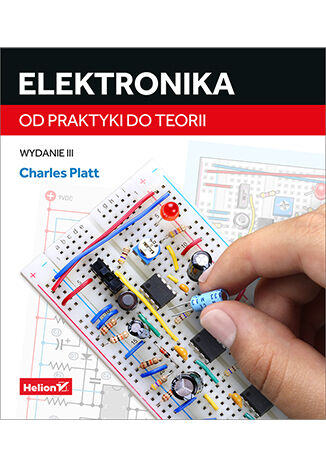
Elektronika. Od praktyki do teorii. Wydanie III
Charles Platt
Ludzie uważają, że elektronika jest bardzo trudną dziedziną i że wymaga zarówno znajomości skomplikowanych zagadnień teoretycznych, jak i umiejętności manualnych. Trzeba biegle poruszać się w świecie rezystorów, tranzystorów, przełączników... Tymczasem w rzeczywistości elektronika jest pasjonującą zabawą, sprawiającą radość i satysfakcję licznym entuzjastom na całym świecie. Trzeba tylko wiedzieć, jak zacząć przygodę z elektroniką i co należy przygotować, aby już wkrótce zrozumieć jej zasady i bez trudu radzić sobie nawet z bardzo złożonymi zadaniami. To trzecie, ulepszone i uzupełnione wydanie kultowego podręcznika dla początkujących pasjonatów elektroniki. Dzięki tej książce nauczysz się elektroniki przez odkrywanie, zabawę i doświadczenia. Znajdziesz tu, poza praktycznymi wskazówkami dotyczącymi przygotowania własnego warsztatu i skompletowania potrzebnych urządzeń i komponentów, opis trzydziestu eksperymentów na różnym poziomie zaawansowania. Zaczniesz od sprawdzenia prawideł rządzących napięciem, natężeniem, oporem, pojemnością elektryczną i indukcyjnością, a potem zapoznasz się z układami logicznymi, działaniem radia i mikrokontrolerów. Zbudujesz tester refleksu, alarm antywłamaniowy, zamek szyfrowy i wiele innych gadżetów. Wszystkie eksperymenty wymagają jedynie bezpiecznych niskich napięć, a większość z nich przeprowadzisz bez lutowania. Dzięki książce: przygotujesz własny warsztat i odpowiednio go wyposażysz zrozumiesz prawidła rządzące elektroniką nauczysz się prawidłowej pracy z lutownicą zastosujesz w pracy układy scalone i poznasz podstawy logiki cyfrowej własnoręcznie zbudujesz i przetestujesz przydatne gadżety elektroniczne Baw się. Buduj. Psuj. Odkrywaj. Nauczysz się!

Elektronika. Projekty dla pasjonatów
Witold Wrotek
Poznaj tajniki układu 555 i naucz się korzystać z tego genialnego wynalazku! Powiedzieć, że elektronika to dziedzina wiedzy, która rządzi dzisiejszym światem, to jak nic nie powiedzieć. Bez elektroniki - czyli gałęzi techniki i nauki zajmującej się wytwarzaniem, a także przetwarzaniem sygnałów w postaci prądów i napięć elektrycznych lub pól elektromagnetycznych - nie byłoby informatyki, automatyki, współczesnej medycyny, komunikacji, obronności, przemysłu samochodowego, nanotechnologii... Jeśli chcesz się w praktyce przekonać, jak działa elektronika - to książka dla Ciebie! Skupiamy się w niej na prostych projektach z użyciem legendarnego układu scalonego 555, określanego też jako NE 555. Jest to chip, który pozwala na realizację wielu funkcji, na przykład skonstruowanie układu czasowego czy multiwibratora. Zaprojektowany i skonstruowany przez Hansa R. Camenzinda w 1970 roku, zrobił niesamowitą karierę - jeszcze na początku XXI wieku co roku na potrzeby przemysłu powstawał miliard takich układów. Teraz o wszechstronności NE 555 możesz się przekonać osobiście, projektując i uruchamiając między innymi różnego rodzaju czujniki, generatory, lampki czy mierniki czasu. Sprawdź, jak szerokie zastosowanie ma NE 555!
Witold Wrotek
Poznaj podstawy elektroniki na konkretnych przykładach Naucz się wyznaczać charakterystyki układów za pomocą Excela Dowiedz się, jak przy użyciu arkusza rozwiązywać elektroniczne problemy projektowe Naucz się elektroniki z programem Excel! Excel na dobre zagościł w szkołach, firmach i instytucjach naukowych, w których wykorzystywany jest do rozwiązywania różnorodnych problemów obliczeniowych: od przeprowadzania symulacji, wyznaczania trendów i wskaźników, poprzez generowanie różnych zestawień, porównań i podsumowań danych, aż po tworzenie na ich podstawie charakterystyk i wykresów. Aplikacja ta znajduje też zastosowanie w wielu dziedzinach techniki, wspomagając zarówno proste rachunki czy działania związane z wyceną kosztów realizacji projektów, jak i zaawansowane obliczenia inżynierskie. Jeśli chcesz poznać podstawy elektroniki i dowiedzieć się, jak wykorzystać arkusz kalkulacyjny do rozwiązywania typowych problemów z tej dziedziny, sięgnij po książkę "Elektronika z Excelem". Dzięki niej łatwo zrozumiesz działanie najważniejszych elementów i układów elektronicznych analogowych oraz cyfrowych, a także nauczysz się wykorzystywać program Excel do wyznaczania parametrów układów elektronicznych, wykreślania charakterystyk czy prezentacji otrzymanych wyników. Książka okaże się nieocenioną pomocą, jeśli chcesz poznać metodykę eksperymentów elektronicznych bez angażowania laboratorium i nauczyć się wykonywać solidne sprawozdania z zajęć laboratoryjnych. Budowa i zasada działania podstawowych elementów elektronicznych Przegląd najczęściej wykorzystywanych układów analogowych Sposoby przetwarzania sygnałów analogowych na cyfrowe i na odwrót Podstawy techniki cyfrowej i mikroprocesorowej Zagadnienia związane z nadawaniem, propagacją i odbiorem sygnałów radiowych oraz telewizyjnych Przekonaj się, ile prac możesz wykonać z pomocą Excela, bez laboratorium elektronicznego!

Elektrotechnika w pigułce. I wszystko jasne
Witold Krieser
Elektrotechnika, czyli: wszystko, co trzeba wiedzieć o prądzie stałym i prądzie zmiennym Znaczenie elektrotechniki w codziennym życiu i w przemyśle trudno przecenić. W obliczu dynamicznego rozwoju technologii znajomość tej dziedziny wiedzy staje się koniecznością. Ta książka ma na celu przybliżenie Czytelnikowi jej podstaw. Zostały one tu opisane w sposób przystępny i zrozumiały - także dla osób, które zetkną się z elektrotechniką po raz pierwszy. Publikację polecamy nie tylko uczniom i studentom, ale także osobom, które chcą sobie przypomnieć lub zrozumieć zasady rządzące elektrotechniką, jak również poznać jej zastosowania w codziennym życiu. W środku znajdziesz teoretyczne podstawy, pozwalające lepiej zrozumieć możliwości i wyzwania, przed którymi stoi współczesna elektrotechnika. Dzięki książce: Poznasz najważniejsze prawa elektrotechniki Opanujesz terminologię używaną przez specjalistów Przyswoisz kluczowe zagadnienia elektryki
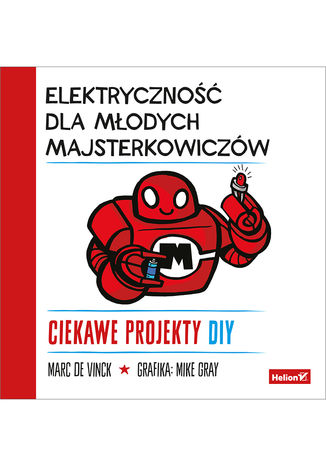
Elektryczność dla młodych majsterkowiczów. Ciekawe projekty DIY
Marc de Vinck
Elektryczność jest tajemnicza i dziwna, a prąd może boleśnie porazić. Bez niej jednak byłoby człowiekowi trudno w codziennym życiu! Większość domowych (i nie tylko) urządzeń działa właśnie dzięki prądowi elektrycznemu. Bardzo dobrym pomysłem jest więc bliższe zapoznanie się ze światem elektryczności, rządzącymi nim zasadami i przeprowadzenie kilku łatwych eksperymentów z prądem elektrycznym. To świetna zabawa, a takie majsterkowanie często przeradza się w bardzo przyjemne hobby! W tej książce dla młodych majsterkowiczów znajdziesz garść świetnych projektów przeznaczonych do samodzielnego wykonania. Dzięki nim zdobędziesz wiedzę, która przyda Ci się w wielu sytuacjach. Do wykonania projektów będą potrzebne jedynie podstawowe elementy: diody, baterie, miedziane przewody czy magnesy. Znalazło się tu kilka ważnych informacji dotyczących zachowania bezpieczeństwa podczas eksperymentów. Poszczególne projekty zostały bardzo dokładnie opisane, a towarzyszące im instrukcje pozwolą Ci się dowiedzieć, jak krok po kroku zbudować każdy z nich. To świetne wprowadzenie w fascynujący świat samodzielnego majsterkowania! Dzięki tej książce: poznasz prąd elektryczny i nauczysz się z nim prawidłowo postępować nauczysz się zasad ekperymentowania z wykorzystaniem prostych elementów wykonasz zadziwiające projekty: wyrzutnię, diodowy helikopter, głośnik, silnik i inne stworzysz światło, dźwięk i ruch niepostrzeżenie zdobędziesz przydatne umiejętności i wartościową wiedzę! Elektryczność? Obwody? Cewki? Najlepsza zabawa!
Elementy logiki matematycznej i metodologii nauk ścisłych (skrypt z wykładów)
Stanisław Jaśkowski
Prezentowany tom stanowi reedycję skryptu wykładów z logiki matematycznej i metodologii nauk ścisłych autorstwa Stanisława Jaśkowskiego (1906-1965), wybitnego polskiego logika i matematyka, reprezentanta Szkoły Lwowsko-Warszawskiej, twórcy m.in. systemów dedukcji naturalnej i logik parakonsystentnych. Skrypt został wydany w 1947 roku na potrzeby studentów matematyki Uniwersytetu Mikołaja Kopernika w Toruniu, z którym Jaśkowski był związany zawodowo przez ostatnie dwadzieścia lat życia. Książka jest oryginalnym, autorskim, niezwykle nowoczesnym ujęciem przedmiotu, w znaczący sposób różniącym się od innych podręczników. To pierwsza praca, w której logika prezentowana jest konsekwentnie w postaci systemu dedukcji naturalnej, co stało się później standardem w dydaktyce logiki. Biorąc pod uwagę, że Jaśkowski w latach trzydziestych XX wieku skonstruował pierwsze systemy tego typu, mamy do czynienia z niezwykle ważnym historycznym świadectwem ich pierwszego wykorzystania w nauczaniu. Wybitne walory dydaktyczne skryptu sprawiają, że jest interesujący dla specjalistów i może być nadal przydatny jako podręcznik logiki, pomimo ponad siedemdziesięciu lat, które upłynęły od jego pierwszego wydania.

Elementy matematyki dyskretnej
Jolanta Pozorska, Izabela Zamorska
Matematyka dyskretna jest fascynującym działem matematyki, zlepkiem innych działów, ewoluującym od wieków. Interesowali się nią już starożytni, lecz największy rozwój matematyki dyskretnej przypada na wiek XX n.e. Cały czas się rozwija i wymaga ciągłej aktualizacji wiedzy, przez to wciąż można na nowo ją odkrywać. Znamy już sporo jej zastosowań, a ile jest jeszcze nieodkrytych? Wciąż wiele pytań zostaje otwartych, wiele twierdzeń i lematów nieudowodnionych. Podręcznik Elementy matematyki dyskretnej przeznaczony jest nie tylko dla studentów kierunku informatyka, ale również dla wszystkich pasjonatów matematyki dyskretnej. Każdy znajdzie w nim coś interesującego dla siebie. Wybór zagadnień jest subiektywny, dlatego zapewne omawiane tematy nie zostały przedstawione w sposób wyczerpujący, jednak wystarczający.

Marek Nowak
Monografia zawiera najważniejsze elementy aksjomatycznej teorii mnogości Zermelo-Fraenkla z aksjomatem wyboru: aksjomatykę, definicje podstawowych pojęć, teorie relacji binarnych, częściowo porządkujących, równoważnościowych, funkcji, liczb porządkowych oraz liczb kardynalnych. Powstała na podstawie wieloletnich wykładów prowadzonych przez autora dla studentów filozofii Uniwersytetu Łódzkiego. Nie wymaga więc gruntownego przygotowania matematycznego, wystarcza pewne "wyrobienie" logiczne w zakresie umiejętności dowodzenia twierdzeń, a właściwie znajomość takich stałych logicznych, jak spójniki boolowskie i kwantyfikatory. Może służyć nie tylko matematykom i studentom matematyki, lecz także humanistom chcącym ugruntować swoją wiedzę o zbiorach, wykorzystywaną często w różnych zabiegach formalizacyjnych. Tym bardziej, że pewne wątki mają charakter filozoficzny, m.in. dyskusje na temat aksjomatu regularności i pojęcia ufundowania zbioru, relacji równoważnościowej, liczby porządkowej czy aksjomatu wyboru.
Frahaan Hussain
Elevate SwiftUI Skills by Building Projects helps you harness the cutting-edge potential of SwiftUI and its innovative and user-friendly approach to crafting user interfaces for Apple platforms with the power of Swift. This book will enhance your UI programming skills with SwiftUI through a project-based methodology, guiding you to create four real-world projects.Starting with a quick recap of Swift and SwiftUI, you’ll gradually develop projects tailored for iPhone, iPad, macOS, and watchOS using Swift and Xcode. You’ll experience SwiftUI’s versatility in action as you build a tax calculator for iPhone and a photo gallery for the iPad, which uses a larger display to enhance the viewing experience. You’ll also create an app store for Mac and, finally, get to grips with the power of SwiftUI for smaller devices such as the Apple Watch by designing a Fitness Companion app.By the end of this book, you'll have built fully functional projects across multiple platforms and gained the expertise needed to excel as a professional SwiftUI developer.
Samuel Larsen-Disney
Gatsby is a powerful React static site generator that enables you to create lightning-fast web experiences. With the latest version of Gatsby, you can combine your static content with server-side rendered and deferred static content to create a fully rounded application. Elevating React Web Development with Gatsby provides a comprehensive introduction for anyone new to GatsbyJS and will help you get up to speed in no time.Complete with hands-on tutorials and projects, this easy-to-follow guide starts by teaching you the core concepts of GatsbyJS. You'll then discover how to build performant, accessible, and scalable websites with the GatsbyJS framework. Once you've worked through the practical projects in the book, you'll be able to build anything from a personal website to large-scale applications with authentication and make your site rise through those SEO rankings.By the end of this Gatsby development book, you'll be well-versed in every aspect of the tool's performance and accessibility and have learned how to build client websites that your users will love.
ElevenLabs. Zastosowanie w biznesie i twórczości
Witold Wrotek
To do mnie przemawia Wśród rozmaitych zastosowań sztucznej inteligencji znajdują się możliwości klonowania i generowania głosu. Obecnie na rynku dostępnych jest kilka narzędzi służących do tych celów ― jedno z nich to wciąż zyskująca na popularności platforma ElevenLabs. Stworzył ją zespół pod przewodnictwem dwóch polskich inżynierów: Piotra Dąbkowskiego, który wcześniej pracował dla Google, i Mateusza Staniszewskiego, byłego stratega wdrażania w Palantir Technologies. Inspiracją do powstania ich firmy ElevenLabs była chęć kreowania bardziej realistycznych dubbingów filmowych. Jeśli chcesz się nauczyć klonować głosy w taki sposób, by były nieodróżnialne od prawdziwych — odpowiednio modulowane, o oczekiwanej barwie i intonacji, przekazujące emocje — ta książka jest dla Ciebie. Obsługa narzędzi do generowania głosów AI nie jest trudna, a dzięki temu poradnikowi opanujesz ją błyskawicznie. Z książki dowiesz się między innymi: Dlaczego spośród dostępnych syntezatorów mowy warto wybrać ElevenLabs Jak szybko stworzyć swój pierwszy głosowy komentarz W jaki sposób promptować, by uzyskać naturalnie brzmiące rezultaty Co o klonowaniu i generowaniu głosów mówi prawo Jak przygotowywać nagrania wysokiej jakości ― w tym na potrzeby radia i w różnych językach Jak generować dialogi, podcasty i audiobooki W jaki sposób można zarabiać dzięki syntezie głosu opartej na AI
Eleventy By Example. Create powerful, performant websites with a static-first strategy
Bryan Robinson
11ty is the dark horse of the Jamstack world, offering unparalleled flexibility and performance that gives it an edge against other static site generators such as Jekyll and Hugo. With it, developers can leverage the complete Node ecosystem and create blazing-fast, static-first websites that can be deployed from a content delivery network or a simple server. This book will teach you how to set up, customize, and make the most of 11ty in no time.Eleventy by Example helps you uncover everything you need to create your first 11ty website before diving into making more complex sites and extending 11ty’s base functionality with custom short codes, plugins, and content types. Over the course of 5 interactive projects, you’ll learn how to build basic websites, blogs, media sites, and static sites that will respond to user input without the need for a server. With these, you’ll learn basic 11ty skills such as templates, collections, and data use, along with advanced skills such as plugin creation, image manipulation, working with a headless CMS, and the use of the powerful 11ty Serverless plugin.By the end of this book, you’ll be well-equipped to leverage the capabilities of 11ty by implementing best practices and reusable techniques that can be applied across multiple projects, reducing the website launch time.
Cash Costello
As an updated version of the first ever Elgg book, this is an excellent resource for those interested in Elgg development due to its attention to detail, clearly written style and knowledgeable author. - Dave Tosh, Elgg co-founder.In his book, Cash Costello makes full use of his skills in development and communication to tackle the complex subject of Elgg social networking. This easy-to-read guide gives end users, new developers, and old pros alike a solid base to start their venture into social media with Elgg. I highly recommend it as a useful and enjoyable read.- Brett Profitt, Elgg Lead DeveloperThe web is becoming increasingly social as millions of people use it to blog, share, post, 'friend', 'unfriend' (which was made the Oxford word of the year in 2009), comment, and chat. Elgg ñ your award-winning open source social networking engine ñ is tailor-made to create any social networking or social media website you can imagine.If you want to create a social networking website from scratch using Elgg, then this book is exactly what you need.Elgg 1.8 Social Networking covers everything you need to know about building a social networking site with Elgg. It begins with instructions for installing Elgg, continues with a guided tour of its capabilities, and finishes with practical advice on deploying Elgg on a production server. And in between, it is packed with information on configuring and customizing Elgg through plugins and themes.This book is a learn-by-doing guide to creating your own social networking site. It includes three sample case studies on how Elgg could be used as an e-learning tool, an intranet application for organizations, and a niche social networking site. Step by step it takes you through the installation, configuration, and customization of Elgg. Valuable advice is sprinkled throughout the book to enable you to build your site like an expert.For developers, this book provides a multitude of options. First, there is a tutorial-based section that systematically teaches you how to build plugins. Soon you will have ten plugins for use on your site in addition to all the knowledge you have gained. Second, if you prefer a quick overview, this book has an appendix that describes Elgg using the terminology and design patterns common in web development. Third, if you are interested in creating a theme, it also includes a design tutorial and a catalog of Elgg's view templates.The book then goes on to describe what is involved in running a production website. It has sections on selecting a hosting provider, configuring and tuning the server, backing up the site, and dealing with spammers.
Paulo Pereira
This book is intended for users with some knowledge of the Elixir language syntax and basic data types/structures. Although this is a cookbook and no sequential reading is required, the book’s structure will allow less advanced users who follow it to be gradually exposed to some of Elixir’s features and concepts specific to functional programming. To get the most out of this book, you need to be well versed with Erlang.
Daiane Angolini, Otavio Salvador
The Yocto Project powers some of the world's most demanding embedded Linux products, from medical devices and industrial gateways to networking gear and consumer electronics. With this book, you join the engineers who rely on it every day to ship reliable, reproducible Linux systems. Embedded Linux Development Using Yocto Project, 4th Edition, is your hands-on guide to the Yocto Project 6.0 (Wrynose) LTS release. You'll move from your first QEMU boot to a custom production distribution running on real hardware, mastering Poky and BitBake along the way. The book covers custom layers and recipes, the Standard and Extensible SDKs, Toaster, package feeds, Build History, devshell debugging, and GPL compliance backed by SPDX 3.0 SBOMs and CVE scanning. A brand-new chapter on Managing BitBake Configuration walks through the bitbake-setup and bitbake-config-build workflows reshaping how teams bootstrap, share, and reproduce builds. You'll package BitBake Configuration Templates and Fragments, manage registries, and synchronize configurations across teams. By the end, you'll be ready to bake images for BeagleBone Black, Raspberry Pi 4 and 5, and VisionFive RISC-V boards, generate SBOMs ready for EU CRA and U.S. EO 14028 reporting, speed up iteration with QEMU, and lead embedded Linux projects with confidence. *Email sign-up and proof of purchase required
Alex González, Chris Simmonds
The Yocto Project has become the de facto distribution build framework for reliable and robust embedded systems with a reduced time to market.You'll get started by working on a build system where you set up Yocto, create a build directory, and learn how to debug it. Then, you'll explore everything about the BSP layer, from creating a custom layer to debugging device tree issues. In addition to this, you’ll learn how to add a new software layer, packages, data, scripts, and configuration files to your system. You will then cover topics based on application development, such as using the Software Development Kit and how to use the Yocto project in various development environments. Toward the end, you will learn how to debug, trace, and profile a running system. This second edition has been updated to include new content based on the latest Yocto release.
Otavio Salvador, Daiane Angolini
Yocto Project is turning out to be the best integration framework for creating reliable embedded Linux projects. It has the edge over other frameworks because of its features such as less development time and improved reliability and robustness.Embedded Linux Development using Yocto Project starts with an in-depth explanation of all Yocto Project tools, to help you perform different Linux-based tasks. The book then moves on to in-depth explanations of Poky and BitBake. It also includes some practical use cases for building a Linux subsystem project using Yocto Project tools available for embedded Linux. The book also covers topics such as SDK, recipetool, and others.By the end of the book, you will have learned how to generate and run an image for real hardware boards and will have gained hands-on experience at building efficient Linux systems using Yocto Project.
Otavio Salvador
A practical tutorial guide which introduces you to the basics of Yocto Project, and also helps you with its real hardware use to boost your Embedded Linux-based project. If you are an embedded systems enthusiast and willing to learn about compelling features offered by the Yocto Project, then this book is for you. With prior experience in the embedded Linux domain, you can make the most of this book to efficiently create custom Linux-based systems.
Mohammed Billoo
Embedded Linux now powers everything from IoT devices to industrial systems, making it essential for embedded software engineers to be skilled at customizing, deploying, and developing for these platforms. This hands-on guide walks you through the core concepts of Embedded Linux using practical, real-world examples on Raspberry Pi 4 and 5. For those without access to hardware, it also demonstrates how to simulate embedded Linux systems using QEMU.This book contains code samples that you can follow along and build three real-world projects: a Python web-based dashboard that retrieves and displays data from a temperature sensor and two GUI applications demonstrating how to use the Qt framework on Embedded Linux using two different development paradigms. You’ll also step into advanced territory with Linux kernel debugging techniques and discover how to harness eBPF, building the experience employers want and the confidence to tackle complex embedded challenges.By the end of this book, you'll have a solid grasp of Embedded Linux development and the skills to build and deploy production-ready, modern embedded applications.
Alex González
If you are an embedded developer learning about embedded Linux with some experience with the Yocto project, this book is the ideal way to become proficient and broaden your knowledge with examples that are immediately applicable to your embedded developments. Experienced embedded Yocto developers will find new insight into working methodologies and ARM specific development competence.
Embedded Vision. Mastering Advanced Techniques for Real-Time Image Processing and Analysis
Mercury Learning and Information, S. R. Vijayalakshmi,...
Embedded vision integrates computer vision into machines using algorithms to interpret images or videos. This book serves as an introductory guide for designing vision-enabled embedded products, with applications in AI, machine learning, industrial, medical, automotive, and more. It covers hardware architecture, software algorithms, applications, and advancements in cameras, processors, and sensors.The course begins with an overview of embedded vision, followed by industrial and medical vision applications. It then delves into video analytics, digital image processing, and camera-image sensors. Subsequent chapters cover embedded vision processors, computer vision, and AI integration. The final chapter presents real-time vision-based examples.Understanding these concepts is vital for developing advanced vision-enabled machines. This book takes readers from the basics to advanced topics, blending theoretical knowledge with practical applications. It is an essential resource for mastering embedded vision technology across various industries.
Erik Hanchett
Ember.js is an open source JavaScript framework that will make you more productive. It uses common idioms and practices, making it simple to create amazing single-page applications. It also lets you create code in a modular way using the latest JavaScript features. Not only that, it has a great set of APIs to get any task done. The Ember.js community is welcoming newcomers and is ready to help you when needed.This book provides in-depth explanations on how to use the Ember.js framework to take you from beginner to expert. You’ll start with some basic topics and by the end of the book, you’ll know everything you need to know to build a fully operational Ember application. We’ll begin by explaining key points on how to use the Ember.js framework and the associated tools. You’ll learn how to effectively use Ember CLI and how to create and deploy your application. We’ll take a close look at the Ember object model and templates by examining bindings and observers. We’ll then move onto Ember components, models, and Ember Data. We’ll show you examples on how to connect to RESTful databases. Next we’ll get to grips with testing with integration and acceptance tests using QUnit. We will conclude by covering authentication, services, and Ember add-ons. We’ll explore advanced topics such as services and initializers, and how to use them together to build real-time applications.
Jesse Cravens, Thomas Q Brady
Poznaj atuty Ember.js! Ember.js to biblioteka języka JavaScript, dzięki której możesz sprawnie budować aplikacje na podstawie wzorca MVC (ang. Model View Controller). Ember.js znakomicie sprawdza się przy tworzeniu jednostronicowych aplikacji internetowych (ang. Single Page Applications), a ponadto usprawnia automatyczne aktualizowanie szablonów czy dwustronne wiązanie danych. Jeżeli chcesz zgłębić tajniki tej biblioteki, ta książka jest dla Ciebie. Dzięki niej poznasz potencjał Ember.js, jej atuty oraz techniki pracy. Lektura kolejnych rozdziałów pozwoli Ci poznać zasady działania generatora aplikacji Ember i szablonów, a także proces budowy modelu danych i kontrolerów. Na sam koniec dowiesz się, jak zapisywać dane po stronie klienta. Po zgłębieniu możliwości Ember.js nauczysz się przygotowywać serwer, który będzie przetwarzał żądania wysyłane z Twojej aplikacji. W tym celu wykorzystasz Rails MVC. W trakcie lektury zbudujesz własną aplikację o nazwie Rock’n’roll. Jesteś ciekaw, co potrafi? Sięgnij po tę książkę i przekonaj się sam! Przygotuj środowisko pracy oraz wygeneruj podstawowy kod. Sprawdź, w jaki sposób „ergonomia” zapewniana przez Ember pozwala minimalizować ilość kodu. Przygotuj szablony dla prototypu książki dzięki Handlebars.js. Wykorzystaj rutery do zarządzania stanem aplikacji bez przeładowywania zawartości strony. Połącz kontrolery i widoki ze zdarzeniami oraz synchronizuj dane dzięki powiązaniom. Przygotuj infrastrukturę wspierającą Ember za pomocą REST-owego API lub Ruby on Rails. Wykorzystaj bibliotekę Data do zapisywania danych i komunikacji z infrastrukturą wspierającą. Twórz uniwersalne modularne widżety rozszerzające możliwości Twoich aplikacji. Pisz ambitne programy w JavaScript. Z Ember.js zaawansowane aplikacje internetowe są w Twoim zasięgu!