
Informatyka
AI-Ready PostgreSQL 18. Building Intelligent Data Systems with Transactions, Analytics, and Vectors
Vibhor Kumar, Marc Linster, Ed Boyajian
In today’s data-first world, businesses need applications that blend transactions, analytics, and AI to power real-time insights at scale. Mastering PostgreSQL 18 for AI-Powered Enterprise Apps is your essential guide to building intelligent, high-performance systems with the latest features of PostgreSQL 18.Through hands-on examples and expert guidance, you’ll learn to design architectures that unite OLTP and OLAP, embed AI directly into apps, and optimize for speed, scalability, and reliability. Discover how to apply cutting-edge PostgreSQL tools for real-time decisions, predictive analytics, and automation. Go beyond basics with advanced strategies trusted by industry leaders. Whether you’re building data-rich applications, internal analytics platforms, or AI-driven services, this book equips you with the patterns and insights to deliver enterprise-grade innovation.Ideal for developers, architects, and tech leads driving digital transformation, this book empowers you to lead the future of intelligent applications. Harness the power of PostgreSQL 18—and unlock the full potential of your data.
Bogdan Brinzarea, Cristian Darie, Filip Chereches-Tosa
Assuming a basic knowledge of PHP, XML, JavaScript and MySQL, this book will help you understand how the heart of AJAX beats and how the constituent technologies work together. After teaching the foundations, the book will walk you through numerous real-world case studies covering tasks you'll be likely to need for your own applications:Server-enabled form-validation pageOnline chat collaboration toolCustomized type-ahead text entry solutionReal-time charting using SVGDatabase-enabled, editable and customizable data gridRSS aggregator applicationA server-managed sortable list with drag&drop support using the script.aculo.us JavaScript toolkitThe appendices guide you through installing your working environment, using powerful tools that enable debugging, improving, and profiling your code, working with XSLT and XPath.From the Author, Cristian Darie AJAX and PHP: Building Responsive Web Applications is mainly a book for beginners, but when designing its contents we tried to find the ideal blend of topics that would help both novice and experienced web developers make a big step forward. One customer was very kind to let us know, through a review, that we succeeded:The theory behind all the technologies used is very clearly explained, without boring you with details about obvious things. Right from the first chapter you start learning by examples. The examples can be easily adapted to many web projects and they cover stuff that is both useful and fun.Here are a few examples of such useful and fun things that you can find in this book:details on using proxy scripts to work around the security measures in modern browsersclient-side and server-side code that doesn't break when fed with special characters (such as
AJAX i PHP. Tworzenie interaktywnych aplikacji internetowych. Wydanie II
Bogdan Brinzarea-Iamandi, Cristian Darie, Audra Hendrix
Jak tworzyć szybsze i sprawniejsze aplikacje internetowe? Jak pracować z biblioteką jQuery? Jak wprowadzać nowe rozwiązania do już istniejących stron? Wprowadzenie technologii AJAX pozwoliło na tworzenie bardziej atrakcyjnych i przyjaznych użytkownikowi witryn, które nie wymagają przeładowywania po każdej interakcji. To zapewniło AJAX-owi ogromną popularność wśród webmasterów. Otrzymali bowiem doskonałe narzędzie do projektowania interaktywnych i dynamicznych aplikacji, tak pożądanych w dobie WEB 2.0. Jednak nic nie jest doskonałe i nawet AJAX, mimo wielkiego potencjału, ma swoje słabości i ograniczenia. Jakie? W trakcie lektury książki poznasz plusy i minusy tej technologii! Intencją autorów było przede wszystkim przekazanie wiedzy niezbędnej do opanowania sztuki tworzenia interaktywnych aplikacji, wykorzystujących PHP, JavaScript, MySQL i jQuery. Dowiesz się stąd również, jak przeprowadzać weryfikację danych wprowadzanych na stronie za pomocą technologii AJAX i jak łączyć ze sobą funkcje programu występujące po stronie serwera z tymi, które pojawiają się po stronie klienta. Poznasz skuteczne metody debugowania kodu. Ponadto na kilku rozbudowanych przykładach nauczysz się sprawnie pracować z biblioteką jQuery. Autorzy pokażą Ci, jak unikać najczęstszych błędów, tworzyć wydajny kod AJAX z myślą o pozycjonowaniu witryny oraz w prosty sposób wprowadzać nowe rozwiązania, także do istniejących już stron internetowych. Przygotowanie środowiska pracy Wprowadzenie w świat zagadnień technologii AJAX JavaScript i klient AJAX Programowanie obiektowe w JavaScript Skrypty PHP i używanie MySQL po stronie serwera Weryfikacja poprawności wprowadzanych danych za pomocą AJAX Debugowanie i profilowanie aplikacji AJAX Zaawansowane metody budowania aplikacji internetowych Arkusze danych w technologii AJAX Opanuj sztukę tworzenia aplikacji WEB 2.0!
Scott Raymond
Zobacz, jak wykorzystać potencjał technologii Ajax i Rails w tworzeniu zaawansowanych aplikacji internetowych! Jak używać platformy Rails do budowy dynamicznych aplikacji internetowych? Jak szybko tworzyć witryny ajaksowe, wykorzystując wydajne biblioteki? Jak zwiększyć komfort pracy użytkowników Twoich aplikacji internetowych? Ajax to olbrzymie możliwości w zakresie tworzenia dynamicznych i interaktywnych aplikacji internetowych, działających niemal tak szybko, jak tradycyjne programy. Jednak lepsza jakość witryn wymaga zwykle pisania bardziej skomplikowanego kodu i, co za tym idzie, większych nakładów pracy i czasu. Tak też było do niedawna w przypadku Ajaksa, ale obecnie, gdy wzrosła popularność tej technologii, a ona sama dojrzała, programiści mogą korzystać z wielu bibliotek i platform, dzięki którym tworzenie efektownych aplikacji internetowych stało się niezwykle proste. "Ajax on Rails" to podręcznik dla programistów, którzy chcą szybko i łatwo budować wydajne aplikacje internetowe na bazie dwóch popularnych mechanizmów -- technologii Ajax oraz platformy Rails. Czytając go, dowiesz się, w jaki sposób Ajax umożliwia kreowanie funkcjonalnych i wygodnych w obsłudze witryn, a także nauczysz się błyskawicznie stosować tę technologię w oparciu o biblioteki Prototype i scipt.aculo.us oraz kompletną platformę do tworzenia aplikacji internetowych, czyli Rails. Poznasz też sposoby sprawnego diagnozowania aplikacji ajaksowych oraz zapewnisz im bezpieczeństwo i wydajność, aby udostępniać swym klientom produkty najwyższej klasy. Przegląd mechanizmów technologii Ajax Działanie platformy Rails Ajaksowe przesyłanie danych za pomocą biblioteki Prototype Dodawanie efektów do witryn przy użyciu biblioteki scipt.aculo.us Generowanie kodu JavaScript za pomocą szablonów RJS Zwiększanie użyteczności aplikacji Diagnozowanie aplikacji na platformie Rails Zapewnianie bezpieczeństwa programu Zwiększanie wydajności aplikacji
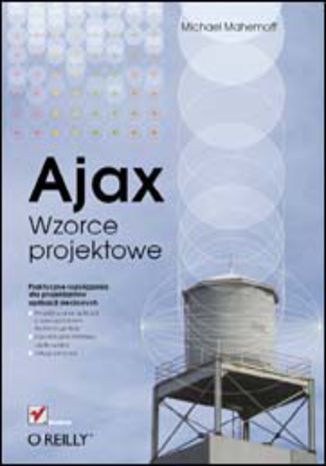
Michael Mahemoff
Praktyczne rozwiązania dla projektantów aplikacji sieciowych Projektowanie aplikacji z wykorzystaniem technologii Ajax Dynamiczne interfejsy użytkownika Usługi sieciowe Technologia Ajax, będąca połączeniem języków XML i JavaScript, ostatnio zyskuje coraz większe uznanie wśród twórców witryn WWW i aplikacji sieciowych. Pozwala na ograniczenie do minimum komunikacji pomiędzy przeglądarką i serwerem, dzięki czemu aplikacje internetowe zachowują się niemal identycznie jak powszechnie wykorzystywane narzędzia biurkowe. Użytkownicy programów zaprojektowanych z wykorzystaniem Ajaksa nie muszą czekać na przeładowanie strony -- odbywa się to w tle i nie wpływa na szybkość działania. W dobie rosnącej popularności narzędzi internetowych Ajax wydaje się być idealnym rozwiązaniem. Czytając książkę "Ajax. Wzorce projektowe" opanujesz najlepsze praktyki tworzenia aplikacji sieciowych z wykorzystaniem tej technologii. Poznasz podstawowe wzorce projektowe oraz zasady ich stosowania w typowych aplikacjach. Nauczysz się korzystać z usług sieciowych, przesyłu strumieniowego i modelu DOM. Przeczytasz o optymalizacji kodu oraz powtórnym wykorzystywaniu jego fragmentów. Znajdziesz tu także wzorce dotyczące funkcjonalności i użyteczności witryn WWW oraz efektów graficznych. Ostatnią grupę wzorców opisanych w książce stanowią techniki diagnozowania tworzonych aplikacji. Geneza Ajaksa Podstawy projektowania w Ajaksie Zdalne wywoływanie poleceń Usługi sieciowe Transformacje XSLT Refaktoryzacja kodu Optymalizowanie wydajności aplikacji Efekty graficzne Użyteczne formularze Testowanie aplikacji Wykorzystaj w swoich projektach sprawdzone rozwiązania. Pobierz dodatkowy spis wzorców.
Akceptacja technologii IoT w inteligentnych miastach
Renata Walczak
Monografia pt. "Akceptacja technologii Internetu rzeczy w inteligentnych miastach" została zrealizowana na potrzeby Urzędu Miasta Płocka w ramach zrealizowanego przez autorkę projektu pt. "Identyfikacja czynników determinujących akceptację rozwiązań wykorzystujących sensory Internetu rzeczy jako elementu warunkującego projektowanie uniwersalne w inteligentnych miastach"; grant nr 23/WED/z/1119/2021 był finansowany przez Prezydenta Płocka w programie "Współpraca z uczelniami wyższymi". Władze dążą do przekształcenia Płocka w inteligentne miasto. Sukcesywnie wdrażane są nowe rozwiązania wykorzystujące technologie informatyczne. Coraz częściej stosuje się zasady projektowania uniwersalnego. Dane o zachowaniach mieszkańców mogą być przydatne dla lepszego zaprojektowania przestrzeni miejskiej, wiąże się to jednak z obserwacją życia miejskiego oraz wykorzystania technologii Internetu rzeczy do zbierania danych. W związku z tym, że mieszkańcy obawiają się o bezpieczeństwo swoje, danych oraz funkcjonowania miasta, władze Płocka zdecydowały o przeprowadzeniu badań społecznych pozwalających na ocenę obaw i zastrzeżeń mieszkańców. Celem badań przeprowadzonych w niniejszej pracy było wskazanie kluczowych czynników wpływających na akceptację wykorzystania danych przez urządzenia Internetu rzeczy, które zbierają dane dla potrzeb projektowania uniwersalnego w inteligentnych miastach, przy założeniu anonimowego przetwarzania danych w trybie Edge Computing. Zakres pracy obejmował analizę przedmiotowej literatury, przeprowadzenie badań ankietowych, budowę i analizę modelu statystycznego oraz przedstawienie zaleceń dla władz miasta. W roku 2021 przeprowadzono badania ankietowe wśród mieszkańców Płocka. W badaniach wzięło udział 150 mieszkańców. Struktura respondentów była zgodna ze strukturą populacji Płocka ze względu na wiek i płeć. Ankietę przeprowadziła specjalistyczna firma realizująca badania społeczne. Analiza danych ankietowych obejmowała statystyki opisowe, eksploracyjną analizę czynnikową, konfirmacyjną analizę czynnikową oraz budowę i analizę modelu strukturalnego. Wyniki analizy danych ankietowych wskazują, że społeczeństwo rozumie potrzeby osób z niepełnosprawnościami oraz popiera dostosowanie przestrzeni miejskiej dla wszystkich mieszkańców. Respondenci rozumieją, że dane pochodzące z urządzeń IoT (ang. Internet of Things, Internetu rzeczy) mogą być wykorzystane do celów projektowania uniwersalnego, i to popierają. Mimo zapewnienia, że dane zbierane są w trybie anonimowym, respondenci obawiają się o bezpieczeństwo swoje i danych. W modelu strukturalnym wykorzystano zmienne: empatię (podzieloną na empatię do osób o specjalnych potrzebach oraz zrozumienie konieczności dostosowania przestrzeni miejskiej do ich potrzeb), zaufanie do technologii, zaufanie do władz miasta, akceptację zbierania danych przez urządzenia IoT, akceptację technologii IoT, bezpieczeństwo i postrzeganą użyteczność technologii IoT. Model pozwolił na wyjaśnienie 86% wariancji. Najważniejszą zmienną modelu jest postrzegane bezpieczeństwo, które wpływa na pozostałe zmienne. Największe znaczenie w modelu mają wpływ bezpieczeństwa na zaufanie do technologii IoT, wpływ bezpieczeństwa na empatię w stosunku do osób o specjalnych potrzebach, wpływ empatii na zrozumienie potrzeby dostosowania miasta do potrzeb tych osób, wpływ zaufania do technologii IoT na zaufanie do władz miasta oraz wpływ bezpieczeństwa na postrzeganą użyteczność technologii. Średnie znaczenie miały wpływ bezpieczeństwa na zrozumienie dostosowania miasta do potrzeb osób o specjalnych potrzebach, wpływ tego zrozumienia na zaufanie do władz miasta i akceptację zbierania danych przez urządzenia IoT, na co również średni wpływ ma zrozumienie dla konieczności dostosowania miasta do potrzeb osób o specjalnych potrzebach. Model strukturalny przetestowano w rozbiciu na wiek, płeć i wykształcenie. Analiza wskazała, że kobiety wykazują się większą empatią w stosunku do osób o specjalnych potrzebach niż mężczyźni. Młodsza grupa mieszkańców (do 45 roku życia) jest bardziej świadoma problemów bezpieczeństwa technologii IoT, co ma wpływ na ich zaufanie do technologii. Zależność jest silniejsza dla grupy osób młodszych w stosunku do osób starszych. Wskazano też, że zaufanie do technologii ma większy wpływ na zaufanie do władz miasta w grupie osób młodszych. W przypadku analizy wpływu wykształcenia na akceptację technologii IoT wskazano, że wpływ ten jest niższy dla grupy osób z wykształceniem podstawowym i średnim w stosunku do grupy osób z wykształceniem wyższym. Przeprowadzona analiza mediacji wskazała, że empatia, zaufanie do władz miasta, zgoda na zbieranie danych z urządzeń IoT oraz użyteczność technologii są najważniejszymi mediatorami zależności między bezpieczeństwem a akceptacją technologii IoT. W wyniku przeprowadzonej analizy modelu strukturalnego wskazano istotne zalecenia dla władz miejskich. Najważniejsze jest zadbanie o bezpieczeństwo zbierania danych z urządzeń IoT oraz komunikowanie tego faktu. Edukacja i informowanie o stosowanych technologiach oraz o celu zbierania danych dla potrzeb projektowania uniwersalnego są kluczowe w uzyskaniu akceptacji dla zastosowania urządzeń IoT w mieście. Działania te mogą się przyczynić do podniesienia akceptacji dla władz miasta.
Akka Cookbook. Recipes for concurrent, fast, and reactive applications
Vivek Mishra, Héctor Veiga Ortiz
Akka is an open source toolkit that simplifies the construction of distributed and concurrent applications on the JVM. This book will teach you how to develop reactive applications in Scala using the Akka framework.This book will show you how to build concurrent, scalable, and reactive applications in Akka. You will see how to create high performance applications, extend applications, build microservices with Lagom, and more.We will explore Akka's actor model and show you how to incorporate concurrency into your applications. The book puts a special emphasis on performance improvement and how to make an application available for users. We also make a special mention of message routing and construction.By the end of this book, you will be able to create a high-performing Scala application using the Akka framework.

Konrad Pankiewicz
Będziesz co najmniej poirytowany faktem, jak wiele błędów popełniałeś i jak skutecznie sabotowałeś swoje osiągnięcia sprzedażowe. A wszystko to do momentu przeczytania tej książki. Alchemia sprzedaży Jak przekształcić każdy zawodowy kontakt w handlowe złoto? W dzisiejszych czasach Twój sukces zależy w znaczniej mierze od jakości relacji, które potrafisz zbudować. Jeśli podczas rozmowy z klientem zdołasz stworzyć nić sympatii i zaufania, wówczas realizacja Twoich celów sprzedażowych nagle okazuje się niezwykle prosta i przyjemna. Czy chciałbyś, by Twoja praca przynosiła zarówno pieniądze, jak i pełne zadowolenie? Ta książka nauczy Cię, jak docierać do klientów, wyzwalać w nich najlepsze emocje i nastawiać na "tak". To trening budowania dobrych relacji handlowych. Zastanów się: Z jakim handlowcem chciałbyś rozmawiać? Co chciałbyś od niego usłyszeć? Jaki musiałby być, abyś chciał z nim współpracować? Wiedz, że niewielu handlowców zadaje sobie trud poszukiwania odpowiedzi na te pytania. A to tylko początek drogi doskonalenia, na jaką wejdziesz, kiedy zaczniesz czytać tę książkę i chłonąć praktyczne rady w niej zawarte. Poznaj Konrada Pankiewicza -- założyciela Instytutu Perswazji oraz twórcę Dynamicznego Modelu Perswazji® (Persuasion Dynamic Model®). Konrad jest fantastycznym trenerem. Charyzmatycznym coachem. Doświadczonym praktykiem sprzedaży i marketingu. Zobacz co o nim i jego książce sądzą autorytety perswazji, sprzedaży i marketingu: "Wśród wszystkich Polaków znam tylko trzy osoby, od których mógłbym się uczyć perswazji. Konrad Pankiewicz jest jedną z nich. Dostarcza on nowych umiejętności i uczy technik oraz strategii, których nie poznacie nigdzie indziej." Dr Kevin Hogan, autor książki"Ukryta perswazja. Psychologiczne taktyki wywierania wpływu" "Konrad przekazuje pasjonującą wiedzę. To obowiązkowa lektura dla sprzedawców, negocjatorów i marketerów." Bohdan Pawłowicz; Dyrektor Generalny Międzynarodowego Stowarzyszenia Reklamy w Polsce "Zaawansowana wiedza. Zaawansowane strategie i techniki. Wszystko bardzo profesjonalnie przekazane." Agnieszka Bzdyra-Maciorowska Redaktor naczelna Miesięcznika "Marketing w praktyce" Dowiedz się: jak budować sympatię, wiarygodność i zaufanie jak dystansować konkurencję i wygrywać walkę o klienta jak nawiązywać relacje i przekształcać je w cenne kontrakty jak wykorzystywać narzędzia perswazji w skutecznej sprzedaży i obsłudze klienta jak umiejętnie wykorzystać wiedzę o procesach decyzyjnych Twoich klientów To książka dla Ciebie, jeśli stawiasz zaufanie i wiarygodność ponad nieudolną manipulację prowadzącą do frustracji i nieuchronnej katastrofy. Książka zawiera płytę CD z pełnym szkoleniem: "Najczęstsze techniki negocjacyjne". Czy stać Cię na to, by nie zarabiać więcej? Przyjemniej? Skuteczniej? Nie trać czasu na odpowiedź, kupuj póki jest.