
Sztuczna inteligencja
Saurabh Shrivastava, Neelanjali Srivastav, Kamal Arora
Becoming a solutions architect gives you the flexibility to work with cutting-edge technologies and define product strategies. This handbook takes you through the essential concepts, design principles and patterns, architectural considerations, and all the latest technology that you need to know to become a successful solutions architect.This book starts with a quick introduction to the fundamentals of solution architecture design principles and attributes that will assist you in understanding how solution architecture benefits software projects across enterprises. You'll learn what a cloud migration and application modernization framework looks like, and will use microservices, event-driven, cache-based, and serverless patterns to design robust architectures. You'll then explore the main pillars of architecture design, including performance, scalability, cost optimization, security, operational excellence, and DevOps. Additionally, you'll also learn advanced concepts relating to big data, machine learning, and the Internet of Things (IoT). Finally, you'll get to grips with the documentation of architecture design and the soft skills that are necessary to become a better solutions architect.By the end of this book, you'll have learned techniques to create an efficient architecture design that meets your business requirements.
Srikanth Yarlagadda
The IT sector's appetite for Splunk and skilled Splunk developers continues to surge, offering more opportunities for developers with each passing decade. If you want to enhance your career as a Splunk Enterprise administrator, then Splunk 9.x Enterprise Certified Admin Guide will not only aid you in excelling on your exam but also pave the way for a successful career.You’ll begin with an overview of Splunk Enterprise, including installation, license management, user management, and forwarder management. Additionally, you’ll delve into indexes management, including the creation and management of indexes used to store data in Splunk. You’ll also uncover config files, which are used to configure various settings and components in Splunk.As you advance, you’ll explore data administration, including data inputs, which are used to collect data from various sources, such as log files, network protocols (TCP/UDP), APIs, and agentless inputs (HEC).You’ll also discover search-time and index-time field extraction, used to create reports and visualizations, and help make the data in Splunk more searchable and accessible. The self-assessment questions and answers at the end of each chapter will help you gauge your understanding.By the end of this book, you’ll be well versed in all the topics required to pass the Splunk Enterprise Admin exam and use Splunk features effectively.
Kyle Smith
If you are a Splunk user and want to enter the wonderful world of Splunk application development, then this book is for you. Some experience with Splunk, writing searches, and designing basic dashboards is expected.
This book is intended for users of all levels who are looking to leverage the Splunk Enterprise platform as a valuable operational intelligence tool. The recipes provided in this book will appeal to individuals from all facets of a business – IT, Security, Product, Marketing, and many more!
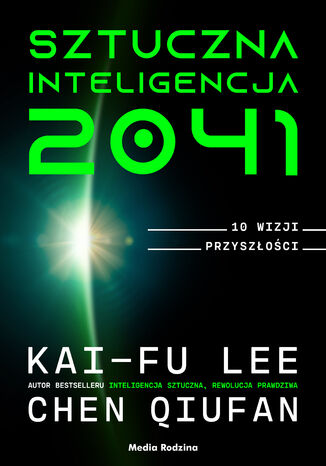
Sztuczna inteligencja 2041. 10 wizji przyszłości
Kai-Fu Lee, Chen Qiufan
Autor bestsellerowej książki Inteligencja sztuczna, rewolucja prawdziwa, ekspert do spraw AI, były prezes Google China, oraz znany powieściopisarz s.f. połączyli w tej książce siły, żeby odpowiedzieć na pytanie, jak sztuczna inteligencja zmieni nasz świat w ciągu najbliższych dwudziestu lat. Sztuczna inteligencja będzie definicją rozwoju XXI wieku wygeneruje bezprecedensowe bogactwo, zrewolucjonizuje medycynę i edukację poprzez symbiozę człowiek-maszyna oraz stworzy zupełnie nowe formy komunikacji i rozrywki. Jednak uwalniając nas od rutynowej pracy, zakwestionuje także zasady organizacyjne naszego ładu gospodarczego i społecznego i przyniesie nowe zagrożenia w postaci autonomicznej broni i inteligentnej technologii. W tym prowokacyjnym i oryginalnym dziele w dziesięciu porywających opowiadaniach, osadzonych w przyszłości, autorzy wprowadzają czytelników w szereg pouczających scenerii z 2041 roku.
Sztuczna inteligencja dla inżynierów. Istotne obszary i zastosowania
Mieczysław Muraszkiewicz, Robert Nowak
Na treść książki składają się przede wszystkim zagadnienia związane z zastosowaniami sztucznej inteligencji. Wstępem są rozważania na temat tzw. odpowiedzialnej sztucznej inteligencji. Podstawowym tworzywem, na którym działa sztuczna inteligencja, są dane, informacja i wiedza. O inżynierii wiedzy, a w tym o metodach reprezentacji wiedzy, traktuje rozdział drugi niniejszej monografii. Jego kontynuacją jest rozdział trzeci, omawiający typowe problemy i sposoby radzenia sobie z nimi, przy wykorzystywaniu uczenia maszynowego do analizy danych ustrukturyzowanych, zwanych też danymi tabelarycznymi. W rozdziale czwartym czytelnik znajdzie wykład na temat przetwarzania języka naturalnego. Rozdział piąty jest poświęcony bioinformatyce, czyli analizie napisów reprezentujących biopolimery DNA, RNA i białka. Do takich analiz z powodzeniem stosuje się metody sztucznej inteligencji. Innym obszarem jest analiza obrazu i dźwięku. Obecnie główną rolę odgrywają tutaj sztuczne sieci neuronowe. Zagadnienia te omówiono w rozdziale szóstym, w którym zawarto informacje dotyczące percepcji maszyn, w tym widzenia maszynowego oraz metod analizy dźwięku. Swego rodzaju nawiązaniem do rozdziału wstępnego jest rozdział siódmy, poświęcony wyjaśnialnej sztucznej inteligencji, która to kwestia ma zasadnicze znaczenie dla upowszechnienia systemów sztucznej inteligencji. Książkę zamyka rozdział na temat inżynierii uczenia maszynowego, który traktuje o poprawnym procesie realizacji projektów korzystających z metod uczenia maszynowego, a także obszerna bibliografia.
Sztuczna inteligencja dla inżynierów. Metody ogólne
Mieczysław Muraszkiewicz, Robert Nowak
Autorami poszczególnych rozdziałów są wykładowcy Wydziału Elektroniki i Technik Informacyjnych Politechniki Warszawskiej, którzy aktywnie biorą udział w rozwoju sztucznej inteligencji. W rozdziale pierwszym znajdują się informacje o historii, charakterze i zastosowaniach sztucznej inteligencji. Rozdział drugi traktuje o podstawowym nie tylko dla sztucznej inteligencji zagadnieniu przeszukiwania przestrzeni stanów w poszukiwaniu rozwiązań zadanego problemu. Towarzyszy temu omówienie metod optymalizacji, które wskazują najlepsze rozwiązanie z punktu widzenia przyjętego kryterium. Tematem kolejnego rozdziału jest uczenie maszynowe. Rozdział czwarty został poświęcony archi-tekturom sztucznych sieci neuronowych, w tym sieciom głębokim. W rozdziale piątym znajduje się prezentacja i dyskusja dotycząca wzajemnych związków etyki i sztucznej inteligencji, ze szczególnym naciskiem na konieczność przedstawiania wyników działania systemów SI w sposób zrozumiały dla człowieka. Każdy rozdział jest opatrzony notą bibliograficzną, która podaje pozycje rozszerzające omówiony materiał. Książka może służyć jako podręcznik i wsparcie dydaktyczne wykładów z zakresu SI, a czytelnik powinien wiedzieć, jak dane są reprezentowane w postaci cyfrowej, umie czytać pseudokod i potrafi programować strukturalnie. Przedstawione metody autorzy wyjaśniają w sposób intuicyjny, ale dbają też o precyzję, wykorzystują przykłady i podają algorytmy. Kontynuacją książki jest tom prezentujący metody sztucznej inteligencji dla różnych grup zastosowań, m.in. analizy danych strukturalnych (tabelarycznych), analizy tekstów w języku naturalnym, analizy sekwencji biologicznych, widzenia maszynowego, przetwarzania mowy oraz bezpieczeństwa systemów SI.
Sztuczna inteligencja. Inspiracje dla biznesu
Maciej Stanusch
Sztuczna inteligencja (AI) przestała być jedynie futurystycznym konceptem i stała się kluczowym narzędziem wspierającym rozwój biznesu. Firmy na całym świecie wykorzystują AI do optymalizacji procesów, automatyzacji pracy, personalizacji komunikacji z klientami oraz podejmowania trafniejszych decyzji opartych na danych. "Sztuczna inteligencja. Inspiracje dla biznesu" to książka dla tych, którzy chcą zrozumieć, jak AI może pomóc im w pracy, zwiększyć efektywność organizacji i przekształcić sposób zarządzania firmą. Autor, praktyk z ponad 20-letnim doświadczeniem w obszarze AI i automatyzacji, prowadzi czytelnika przez kluczowe zagadnienia związane z zastosowaniem sztucznej inteligencji w przedsiębiorstwach. Zrozumienie tej technologii nie wymaga już specjalistycznej wiedzy technicznej - książka pokazuje w prosty i przystępny sposób, jak wykorzystać AI do rozwiązywania realnych problemów biznesowych. Pierwsza część książki przedstawia historię rozwoju AI, wyjaśnia różnice między klasycznym podejściem regułowym a nowoczesnym uczeniem maszynowym oraz opisuje przełomowe technologie, takie jak modele transformacyjne (np. ChatGPT, BERT). Zrozumienie tych fundamentów pozwala lepiej zrozumieć, jak działają nowoczesne systemy AI i jakie mają ograniczenia. Następnie książka skupia się na praktycznych zastosowaniach AI w biznesie. Omówione zostają chatboty i voiceboty, które rewolucjonizują obsługę klienta, redukując koszty i poprawiając jakość komunikacji. Przedstawione są też systemy automatyzacji procesów (RPA), które eliminują żmudne, powtarzalne zadania i pozwalają pracownikom skupić się na bardziej strategicznych działaniach. Jednym z kluczowych aspektów książki jest temat przetwarzania języka naturalnego (NLP) i jego zastosowań w biznesie. Czytelnik dowie się, jak AI może analizować teksty, podsumowywać informacje, wykrywać nastroje klientów oraz generować treści - od raportów po posty na media społecznościowe. Opisane zostają również sposoby integracji AI z systemami CRM i ERP, co umożliwia lepsze zarządzanie relacjami z klientami i optymalizację procesów wewnętrznych firmy. Szczególna uwaga została poświęcona pisaniu skutecznych promptów dla narzędzi AI, takich jak ChatGPT i Claude.AI. Dzięki praktycznym wskazówkom czytelnik nauczy się formułować precyzyjne zapytania, które pozwolą mu uzyskać lepsze wyniki i efektywniej korzystać z modeli językowych. Znajdzie tu konkretne przykłady promptów, które mogą wspierać różne działy firmy - od marketingu, przez sprzedaż, aż po HR. Książka porusza również kwestie etyczne i organizacyjne związane z wdrażaniem AI w biznesie. Czytelnik dowie się, jakie wyzwania stoją przed firmami wdrażającymi sztuczną inteligencję, jakie ryzyko wiąże się z automatyzacją oraz jakie są najlepsze praktyki zapewniające odpowiedzialne i bezpieczne wykorzystanie AI. Na koniec książka podsumowuje ewolucję AI, jej wpływ na codzienne życie i prognozy dotyczące przyszłości. Sztuczna inteligencja rozwija się w zawrotnym tempie, a firmy, które potrafią ją skutecznie wdrożyć, zyskują przewagę konkurencyjną. "Sztuczna inteligencja w biznesie - praktyczny przewodnik" to nie tylko zbiór informacji, ale przede wszystkim narzędzie dla tych, którzy chcą świadomie korzystać z AI, podejmować lepsze decyzje i dostosować swoje firmy do dynamicznie zmieniającej się rzeczywistości cyfrowej. Bez względu na to, czy jesteś przedsiębiorcą, menedżerem, specjalistą ds. marketingu, analitykiem danych czy po prostu osobą zainteresowaną praktycznym wykorzystaniem AI - ta książka dostarczy Ci wiedzy i narzędzi, które pozwolą skutecznie wdrożyć sztuczną inteligencję do codziennej pracy i zwiększyć efektywność Twojej organizacji.