
Python
W kategorii Python zostały zebrane podręczniki poruszające tematykę programowania z zastosowaniem praktycznie niezależnego sprzętowo, dostępnego na licencji Open Source języka. Książki przedstawią Wam wszechstronności i elastyczności Pythona a także różne typy tworzenia kodu poprzez programowanie strukturalne, obiektowe czy funkcjonalne.
Nauczycie się tworzyć aplikacje sieciowe o dowolnym przeznaczeniu, komunikujące się z systemami operacyjnymi, lub korzystające z baz danych. Techniki analizy składni, przetwarzanie tekstu czy rozłożenie obciążenia programu na wiele wątków i procesów przestanie być problematyczne.
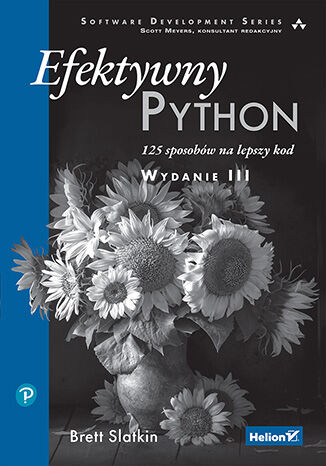
Efektywny Python. 125 sposobów na lepszy kod. Wydanie III
Brett Slatkin
Python cieszy się dużym uznaniem. Jest wszechstronny i efektywny, a przy tym konsekwentnie rozwijany. Język ten ma również wiele trudniejszych do uchwycenia zalet. Aby uzyskać imponujące efekty wydajności kodu, jego wieloplatformowość i bezpieczeństwo, a przy tym w pełni korzystać z możliwości Pythona, potrzebujesz czegoś więcej niż tylko znajomość jego składni. To trzecie, zaktualizowane i uzupełnione wydanie lubianego podręcznika programowania w Pythonie. Zawiera dodatkowe rozdziały dotyczące tak ważnych zagadnień jak algorytmy i struktury danych. Zawarty w książce materiał, w tym słowniki , ułatwi Ci tworzenie solidnego i wydajnego kodu. Znajdziesz tu jasne, zwięzłe i praktyczne rady przeznaczone dla programistów na różnym poziomie zaawansowania. Niezależnie od tego, czy tworzysz aplikacje internetowe, analizujesz dane, czy trenujesz modele sztucznej inteligencji, dzięki temu podręcznikowi zdobędziesz cenne umiejętności pracy z Pythonem! W książce: 125 gotowych do użycia sposobów na lepszy kod uaktualnione najlepsze praktyki, uwzględniające nowości w Pythonie do wersji 3.13 dodatkowe rozdziały poświęcone tworzeniu niezawodnych, wysoko wydajnych programów tworzenie modułów rozszerzeń w języku C współpraca z natywnymi bibliotekami współdzielonymi praktyczne przykłady kodu odzwierciedlające najlepsze praktyki Programujesz w Pythonie? Poznaj 125 sposobów na lepszy kod!
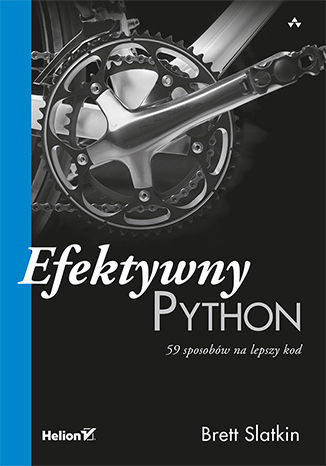
Efektywny Python. 59 sposobów na lepszy kod
Brett Slatkin
Twórz zoptymalizowany i efektywny kod! Python to jeden z najstarszych używanych języków programowania. Co ciekawe, jego nazwa wcale nie pochodzi od zwierzęcia, a od popularnego serialu komediowego. Język ten daje programistom ogromne pole do popisu, a ponadto posiada sporo bibliotek realizujących najbardziej wymyślne zadania. Z uwagi na te atuty rozpoczęcie programowania w tym języku nie powinno przysporzyć Ci większych problemów. Jeżeli jednak chcesz robić to efektywnie, potrzebujesz tej książki. Sięgnij po nią i poznaj 59 sposobów na tworzenie lepszego kodu w Pythonie! W kolejnych rozdziałach znajdziesz bezcenne informacje na temat programowania zgodnego z duchem Pythona, funkcji, klas i dziedziczenia oraz metaklas i atrybutów. Dalsze strony zawierają przydatną wiedzę na temat wątków i współbieżności, wbudowanych modułów oraz sposobów zarządzania kodem. Książka ta sprawdzi się w rękach każdego programisty pracującego w języku Python. Warto ją mieć! W książce poruszono następujące zagadnienia: Podpowiedzi na wszystkich najważniejszych obszarach programowania w Pythonie 3.x i 2.x wraz z dokładnymi objaśnieniami i przykładami. Najlepsze praktyki dotyczące tworzenia funkcji czytelnie wyrażających intencje, promujących wielokrotne użycie tego samego kodu i pomagających uniknąć błędów. Omówienie tematu właściwego wyrażenia zachowania programu za pomocą klas i obiektów. Podpowiedzi pomagające uniknąć pułapek podczas użycia metaklas i atrybutów dynamicznych. Prezentacja znacznie efektywniejszego podejścia w zakresie współbieżności i równoległości. Przedstawienie lepszych technik i sposobów użycia wbudowanych modułów Pythona. Prezentacja narzędzi i najlepszych praktyk stosowanych podczas wspólnej pracy nad projektami. Rozwiązania dotyczące usuwania błędów, testowania i optymalizacji, co prowadzi do poprawy jakości kodu i wydajności jego działania. Poznaj najlepsze praktyki programowania w Pythonie!
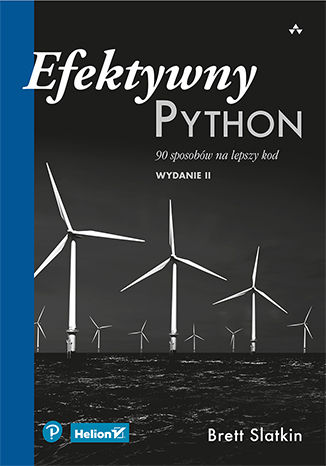
Efektywny Python. 90 sposobów na lepszy kod. Wydanie II
Brett Slatkin
Python słusznie cieszy się stale rosnącym uznaniem programistów: jest wszechstronny i efektywny, pozwala też na tworzenie wysokiej jakości oprogramowania. Język ten ma poza tym wiele trudniejszych do uchwycenia zalet. Aby uzyskać naprawdę imponujące efekty w zakresie wydajności kodu, jego przenaszalności i bezpieczeństwa, trzeba zagłębić się w dość subtelne niuanse kodowania. Wielu programistów, choć posiada spore doświadczenie w programowaniu w innych językach, nie dostrzega tych zależności. Z kolei osoby dopiero rozpoczynające przygodę z programowaniem mogą poczuć się zaskoczone i zdezorientowane, jeśli nie zdołają uniknąć kilku nieoczywistych błędów podczas pracy. To drugie, zaktualizowane i uzupełnione wydanie podręcznika programowania w duchu Pythona. Zawarty tu materiał umożliwia wykorzystanie tego języka do tworzenia wyjątkowo solidnego i niezwykle wydajnego kodu źródłowego. Książka jest napisana w zwięzłym stylu i ma przemyślany układ, oparty na scenariuszach, dzięki czemu przystępnie przedstawia 90 najlepszych praktyk, wskazówek i skrótów oraz wyjaśnia ich działanie na rzeczywistych przykładach kodu. Pokazano tu szereg mało znanych, być może nieco dziwnych sztuczek i sposobów udoskonalających pracę kodu źródłowego. Przyswojenie zaprezentowanych tu praktyk pozwoli Ci tworzyć kod łatwy do zrozumienia, obsługi i dalszej rozbudowy. W tym wydaniu treść poszczególnych wskazówek zaktualizowano do Pythona 3, a poszczególne przykłady kodu zostały przejrzane i udoskonalone - najlepsze praktyki również ewoluują! W tej książce: nowe rozwiązania dla wszystkich najważniejszych obszarów programowania w Pythonie techniki stosowania konstrukcji składanych i funkcji generatorów właściwe korzystanie z klas, obiektów, metaklas i atrybutów dynamicznych współbieżność, równoległość, optymalizacja i bezpieczeństwo kodu wbudowane moduły Pythona do debugowania i testowania narzędzia i najlepsze praktyki podczas wspólnej pracy nad projektami Python: elegancja, wydajność i ekspresja kodu!
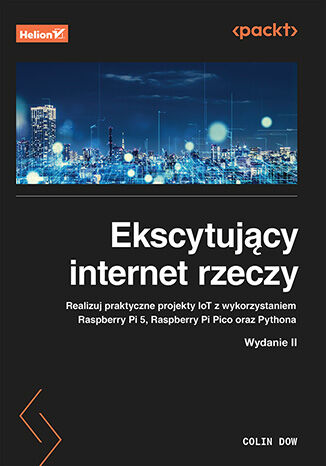
Colin Dow
Programowanie dla internetu rzeczy różni się od tworzenia standardowych aplikacji internetowych. Najlepszym sposobem na naukę praktycznych projektów IoT jest praca z mikrokontrolerami Raspberry Pi - znanymi z wszechstronności i przystępnej ceny. To one znajdują się dziś w awangardzie urządzeń stosowanych w inteligentnych rozwiązaniach internetu rzeczy i wyznaczają nowe trendy. Dzięki tej książce pewnie wkroczysz do fascynującego świata internetu rzeczy! Zaczniesz od podstaw: poznasz usługi internetowe, komunikację LoRa, porty GPIO, a także możliwości najnowszych mikrokontrolerów Raspberry Pi. Dowiesz się też, czym jest ROS i jak stworzyć projekt oparty na rozpoznawaniu obrazów. Krok po kroku będziesz przechodzić do coraz bardziej zaawansowanych rozwiązań. Nauczysz się integrować aplikacje z usługami sieciowymi i używać technologii LoRa do komunikacji na dużą odległość przy niskim zużyciu energii. Dzięki jasnym instrukcjom i zrozumiałym wyjaśnieniom uzyskasz niezbędne umiejętności, by tworzyć innowacyjne urządzenia IoT. W książce: integracja usług internetowych w celu pobierania i analizowania danych w czasie rzeczywistym łączenie czujników, silników i wyświetlaczy podczas budowy inteligentnych urządzeń IoT budowanie wskaźnika pogody konstruowanie autonomicznego robota projekt domowego systemu zabezpieczeń zastosowanie LoRa i LoRaWAN do zdalnego monitorowania warunków środowiskowych
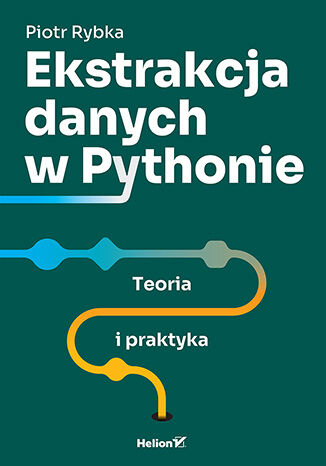
Ekstrakcja danych w Pythonie. Teoria i praktyka
Piotr Rybka
Dane: załaduj, przetwarzaj, analizuj Ekstrakcja danych jest procesem, w którym informacje pozyskuje się z różnych źródeł - zwykle po to, by następnie poddać je dalszej transformacji i analizie. Umiejętność pozyskiwania danych, scalania, filtrowania i obrabiania ich na rozmaite sposoby przydaje się nie tylko zawodowym analitykom. Zdolność poruszania się po świecie danych jest wysoce pożądana również u osób pracujących w działach IT i na stanowiskach menadżerskich. Kto ma dane, ten ma wiedzę i zyskuje przewagę nad konkurencją! Jeśli chcesz zgłębić teorię ekstrakcji danych i zdobyć praktyczne umiejętności pozwalające operować nimi w Pythonie, ten podręcznik powinien być dla Ciebie pozycją obowiązkową. Dzięki książce między innymi: Opanujesz podstawowe pojęcia, których znajomość jest niezbędna podczas działań na zbiorach danych Zrozumiesz specyfikę plików binarnych i tekstowych Dowiesz się, na czym polega kodowanie tekstu Poznasz zagadnienia wyrażeń regularnych Zorientujesz się, jakie formaty wymiany danych są dostępne w Pythonie Nauczysz się przeszukiwać dokumenty znacznikowe Zapoznasz się ze schematami formatów wymiany danych
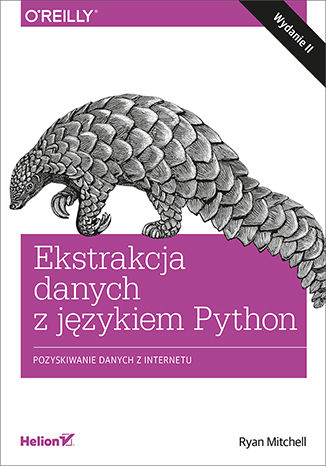
Ekstrakcja danych z językiem Python. Pozyskiwanie danych z internetu. Wydanie II
Ryan Mitchell
Ekstrakcję danych (ang. web scraping), zwaną też wydobywaniem danych z zasobów internetu, wiele osób postrzega jako wyższy stopień wtajemniczenia: przy niewielkim wysiłku można uzyskać imponujące wyniki i wykorzystać je w różnoraki sposób. Nie dziwi więc, że wokół tej dziedziny narosło mnóstwo mitów. Wątpliwości jest wiele, począwszy od legalności tego rodzaju praktyk, skończywszy na właściwościach różnych narzędzi. W praktyce na ekstrakcję danych składa się cały szereg zróżnicowanych technik i technologii, takich jak analiza danych, analiza składniowa języka naturalnego, a także zabezpieczenie informacji. Aby w pełni wykorzystać ich zalety, konieczne jest zrozumienie sposobu, w jaki funkcjonują. Ta książka jest znakomitym przewodnikiem po technikach pozyskiwania danych z internetu. Przedstawiono tu również zasady gromadzenia, przekształcania i wykorzystywania danych z różnych zasobów. W kontekście ekstrakcji danych omówiono zagadnienia związane z bazami danych, serwerami sieciowymi, protokołem HTTP, językiem HTML, bezpieczeństwem sieciowym, przetwarzaniem obrazów, analizą danych i wieloma innymi kwestiami. Zaprezentowane tu rozwiązania programistyczne zostały napisane w Pythonie. Nie zabrakło też omówienia bibliotek przydatnych w pracy osób tworzących roboty indeksujące. Dzięki tej książce szybko zaczniesz pozyskiwać i w dowolny sposób wykorzystywać posiadane dane. Już dziś te rozwiązania są stosowane w prognozowaniu rynkowym, tłumaczeniu maszynowym, a nawet w diagnostyce medycznej! Najważniejsze zagadnienia: korzystanie z platformy Scrapy do tworzenia robotów metody odczytu, wydobywania i przechowywania pozyskiwanych danych oczyszczanie i normalizacja danych interfejsy API przetwarzanie obrazów na tekst testowanie witryn za pomocą robotów Wyszukuj dane, gromadź je i korzystaj z nich do woli!
Elementy inżynierii oprogramowania w Pythonie
Jakub Walczak
Zdobądź ostrogi programisty w Pythonie! Python jest językiem, którego powszechnie używa się w wielu obszarach: od programowania gier, przez aplikacje webowe, po systemy analizy danych. Nic więc dziwnego, że cieszy się ogromną popularnością i jest dodatkowo wspierany przez liczną społeczność programistów, projektantów i sympatyków, którzy go rozwijają i rozszerzają. Do grona osób aktywnie korzystających z tego języka z pewnością należy Jakub Walczak, który w książce poświęconej Pythonowi i inżynierii oprogramowania wprowadza do jego ekosystemu. Dzięki jej lekturze czytelnicy poznają ideę środowisk wirtualnych, sposoby interakcji z interpreterem czy zasady podziału projektu na moduły i pakiety. Adepci sztuki programowania znajdą tu wprowadzenie do mechanizmów pakietu pytest, który zdecydowanie ułatwia pisanie i wykonywanie testów jednostkowych. Opanują również takie zagadnienia jak klasy i obiekty, a także zaawansowane aspekty programowania obiektowego, w tym metaklasy, dziedziczenie i emulowanie szczególnych zachowań obiektów Autor zadbał o klarowną strukturę podręcznika, który składa się z dwunastu uporządkowanych rozdziałów. Zawarta w nich treść została uzupełniona dodatkowymi wyjaśnieniami, wskazówkami i podsumowaniami, co ułatwia przyswojenie omawianego materiału. Organizacja środowiska pracy Organizacja projektu Wstęp do programowania zorientowanego obiektowo Deskryptory Dziedziczenie Mechanizm obsługi wyjątków Metody specjalne klas Dekoratory Serializacja i deserializacja Testy jednostkowe z użyciem biblioteki pytest Wytyczne dotyczące stylu Python od A do Z! Jakub Walczak — rocznik 1994, doktorant w dyscyplinie informatyki technicznej i telekomunikacji, od 2019 roku asystent w grupie pracowników badawczo-dydaktycznych na Politechnice Łódzkiej i deweloper oprogramowania naukowego w CMCC Foundation. Od kilku lat entuzjasta Pythona, aktywnie zgłębiający jego tajniki zarówno w pracy zawodowej, jak i poza nią. Miłośnik podróży, kultury hiszpańskiej i słodyczy. W wolnych chwilach mól książkowy i amator sportów. Ciągły poszukiwacz nowych wyzwań, z których ostatnim było przygotowanie tego podręcznika.
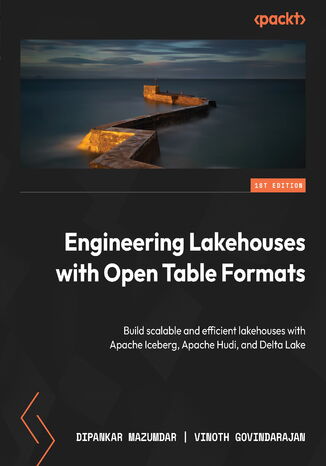
Dipankar Mazumdar, Vinoth Govindarajan, Chao Sun
Engineering Lakehouses with Open Table Formats provides detailed insights into lakehouse concepts, and dives deep into the practical implementation of open table formats such as Apache Iceberg, Apache Hudi, and Delta Lake.You’ll explore the internals of a table format and learn in detail about the transactional capabilities of lakehouses. You’ll also get hands on with each table format with exercises using popular computing engines, such as Apache Spark, Flink, Trino, and Python-based tools. The book addresses advanced topics, including performance optimization techniques and interoperability among different formats, equipping you to build production-ready lakehouses. With step-by-step explanations, you’ll get to grips with the key components of lakehouse architecture and learn how to build, maintain, and optimize them.By the end of this book, you’ll be proficient in evaluating and implementing open table formats, optimizing lakehouse performance, and applying these concepts to real-world scenarios, ensuring you make informed decisions in selecting the right architecture for your organization’s data needs.