
Systemy operacyjne
Tutaj dowiecie się jak prawidłowo zainstalować i skonfigurować wybrany system operacyjny, naprawić ewentualne błędy lub zwiększyć wydajność komputera. Znajdziecie przydatne informacje na temat administracji OS, nauczycie się optymalnie wykorzystywać oparte na nim aplikacje oraz w pełni opanować potencjał waszego systemu.
Poszczególne pozycje odkrywają tajemnice wszystkich, mniej lub bardziej popularnych systemów operacyjnych, od DOS, Unix, Mac OS, poprzez wszelkie dystrybucje Linuxa, zarówno desktopowe, serwerowe i typu live-CD, aż po większość wersji Microsoft Windows, także wersje serwerowe. Książki napisane są przystępnym i zrozumiałym językiem, przeznaczone zarówno dla zwykłego użytkownika, stanowią również cenne źródło informacji dla profesjonalnych administratorów.
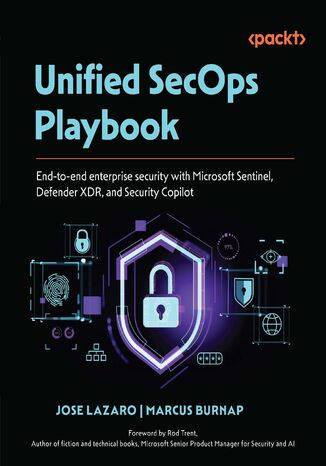
Jose Lazaro, Marcus Burnap, Rod Trent
In the evolving cybersecurity landscape, the integration of Microsoft Defender XDR and Security Copilot presents a game-changing approach to modern threat detection and response. With this book, you’ll understand how these tools, in conjunction with Microsoft’s extensive ecosystem, enable organizations to outpace emerging threats.Starting with core XDR concepts, security frameworks, and Microsoft’s competitive advantages in cybersecurity, you’ll master the foundational aspects of deploying Microsoft Sentinel, configuring security infrastructure, and optimizing security operations using AI-driven tools. Advanced topics, including Zero-Trust strategies, DevSecOps integration, and partner programs, prepare you for increasingly sophisticated scenarios in Microsoft cloud security. You’ll also explore practical deployment workflows, covering cost analysis, role-based access configurations, and fast-tracked Sentinel deployment using CI/CD pipelines.By the end of this book, you’ll have gained insights into security automation, threat detection, and AI integration with Security Copilot for optimized operations and have the confidence to implement and manage Microsoft Defender XDR and Sentinel in complex environments, driving scalable and secure solutions.*Email sign-up and proof of purchase required
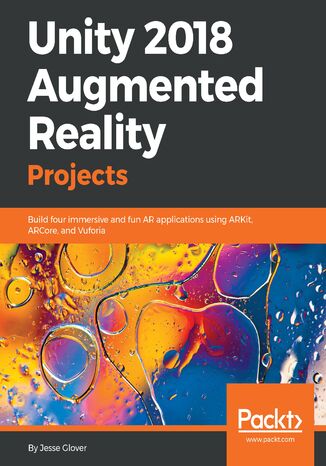
Jesse Glover
Augmented Reality allows for radical innovations in countless areas. It magically blends the physical and virtual worlds, bringing applications from a screen into your hands. Meanwhile, Unity has now become the leading platform to develop augmented reality experiences, as it provides a great pipeline for working with 3D assets.Using a practical and project-based approach, Unity 2018 Augmented Reality Projects educates you about the specifics of augmented reality development in Unity 2018.This book teaches you how to use Unity in order to develop AR applications which can be experienced with devices such as HoloLens and Daydream. You will learn to integrate, animate, and overlay 3D objects on your camera feed, before gradually moving on to implementing sensor-based AR applications. In addition to this, you will explore the technical considerations that are especially important and possibly unique to AR. The projects in the book demonstrate how you can build a variety of AR experiences, whilst also giving insights into C# programming as well as the Unity 3D game engine via the interactive Unity Editor.By the end of the book, you will be equipped to develop rich, interactive augmented reality experiences for a range of AR devices and platforms using Unity.
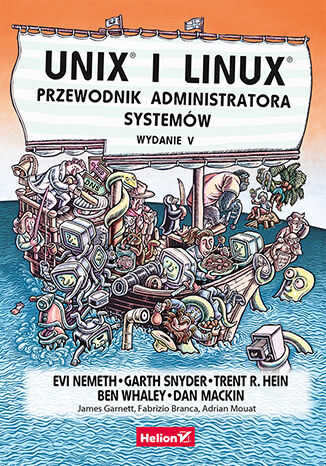
Unix i Linux. Przewodnik administratora systemów. Wydanie V
Evi Nemeth, Garth Snyder, Trent R. Hein...
Mijają lata, a systemy Unix i Linux są ciągle gwarancją najwyższej niezawodności, wydajności i elastyczności. Ich potencjał jest niekwestionowany, a odporność na niestandardowe warunki zapewnia bezawaryjną pracę w różnych sytuacjach. To wszystko sprawia, że systemy te wykorzystywane są w dużych i złożonych organizacjach. Ich sieci wymagają profesjonalnego administrowania, co jest trudną i odpowiedzialną pracą. Łatwo skonfigurować pojedynczy system, znacznie trudniej jednak zapewnić stabilne działanie rozproszonej, opartej na chmurze platformy, narażonej na skokowe wzrosty popularności, rozbicia sieci i celowe ataki. Ta książka jest kolejnym, uzupełnionym i zaktualizowanym wydaniem kultowego podręcznika dla profesjonalnych administratorów zarządzających środowiskami produkcyjnymi w korporacjach czy urzędach. Znajdziesz tu obszerne wyjaśnienie takich zagadnień, jak instalacja systemu, skrypty powłoki, kontrolowanie procesów czy konfiguracja uprawnień. Dowiesz się, jak zarządzać użytkownikami, przestrzenią dyskową, zadaniami okresowymi oraz backupami. Przestudiujesz zagadnienia sieciowe, a zwłaszcza kwestie bezpieczeństwa i reakcji na incydenty. W tym wydaniu znajdziesz m.in. omówienie demonów zarządzania systemem, zasady zarządzania kontem użytkownika root, techniki kontroli wersji za pomocą Git, kwestie związane z zarządzaniem sieciami w chmurze, tworzeniem i utrzymywaniem centrów danych, opis metodologii DevOps i wiele innych! Najciekawsze zagadnienia: podstawy administrowania i obowiązki administratora system plików i zarządzanie oprogramowaniem rejestrowanie zdarzeń zarządzanie jądrem systemu i sterownikami sieci i sprzęt sieciowy zapewnianie wydajności i niezawodności sieci metodologie i reguły w IT Unix i Linux: niezawodność, wydajność i elastyczność na najwyższym poziomie!
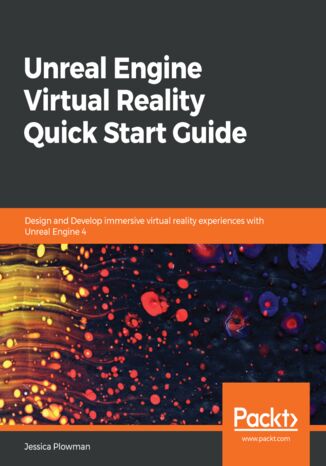
Jessica Plowman
With the ability to put players directly in the game, virtual reality gives users the chance to experience digital worlds directly. Nevertheless, many designers are unsure where to start when working with this amazing technology.With this book, you will learn user experience design processes and create immersive gameplay experiences designed for entertainment and player comfort. Using the power of Unreal Engine 4’s Blueprint visual scripting language, you will build player interaction and locomotion systems from scratch and use these flexible systems to create a sample game, as well as develop functional 2D and 3D user interfaces for players to interact with. And also learn the best practices for creating game art for virtual reality. Finally, you will learn how to test your application with your target audience and finalize your game for distribution.By the end of this book, you will have the knowledge to be able to make the leap from traditional game development to creating immersive virtual reality experiences using Unreal Engine 4.
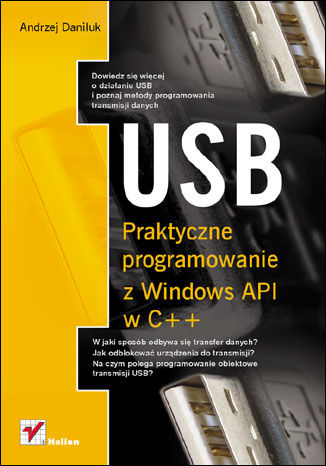
USB. Praktyczne programowanie z Windows API w C++
Andrzej Daniluk
Dowiedz się więcej o działaniu USB i poznaj metody programowania transmisji danych W jaki sposób odbywa się transfer danych? Jak odblokować urządzenia do transmisji? Na czym polega programowanie obiektowe transmisji USB? USB (skrót od ang. Universal Serial Bus -- uniwersalna magistrala szeregowa) to rodzaj bardzo praktycznego portu komunikacyjnego, dzięki któremu możliwe jest podłączanie do komputera wielu różnych urządzeń, takich jak mysz, kamera, aparat fotograficzny, telefon komórkowy, modem, skaner, przenośna pamięć. Podłączone w ten sposób urządzenia są od razu wykrywane i rozpoznawane przez system, dzięki czemu instalacja sterowników i konfiguracja sprzętu odbywają się zwykle automatycznie. Książka "USB. Praktyczne programowanie z Windows API w C++" w zwięzły sposób przedstawia wszelkie zagadnienia, dotyczące użytkowania i programowania transmisji USB. Korzystając z tego podręcznika, poznasz nie tylko teoretyczne podstawy działania USB, ale także zdobędziesz praktyczne umiejętności w tym zakresie. Książka zawiera bowiem zarówno konkretne przykłady, jak i ćwiczenia do samodzielnego wykonania dla wszystkich, którzy chcą zyskać wiedzę na zaawansowanym poziomie. Dowiesz się między innymi, jakie są rodzaje transferów danych i transakcji USB, za co odpowiadają komponenty i jak wykorzystać wzorce projektowe. Zrozumiesz także metody projektowania obiektowego oraz implementacji oprogramowania sterującego łączem USB. Środowisko fizyczne i sygnałowe USB Klasy instalacji urządzeń Rejestr systemowy Transmisja danych Struktura systemu USB Detekcja i identyfikacja urządzeń Odczyt i zapis danych w formie raportu Programowanie obiektowe transmisji USB Wewnętrzne struktury danych Programy wielowątkowe Konwertery USB Tu znajdziesz wszystko o działaniu USB i możliwościach jego wykorzystania!
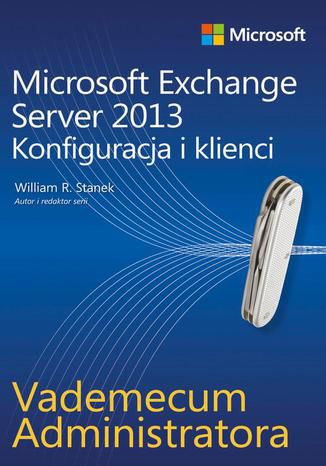
Vademecum administratora Microsoft Exchange Server 2013 - Konfiguracja i klienci
William R. Stanek
Praktyczny, kieszonkowy przewodnik administratora systemu Exchange! Poręczny i szczegółowy przewodnik pozwala błyskawicznie znaleźć odpowiedzi na pytania związane z zarządzaniem konfiguracją i klientami systemów Exchange Server 2013 i Exchange Online. Przewodnik koncentruje się na podstawowych procedurach i zadaniach opisywanych za pomocą przydatnych tabel, instrukcji i wykazów, a prezentowane informacje pozwalają szybko rozwiązywać problemy i wykonywać zadania zarówno w miejscu pracy, jak poza nim. Dowiedz się, jak: Instalować system w siedzibie, w sieci lub w wersji hybrydowej Zapewnić dostęp z sieci Web i urządzeń przenośnych Konfigurować klientów systemu i nimi zarządzać Konfigurować skrzynki pocztowe, dostarczanie i magazynowanie danych Administrować kontami użytkowników i kontaktami Implementować zabezpieczenia i grupy dystrybucji Zarządzać uprawnieniami i kontrolować dostęp za pomocą ról Korzystać z poleceń cmdlet programu Windows PowerShell i systemu Exchange Przenosić skrzynki pocztowe i przeprowadzać ich migracje Rozwiązywać problemy dotyczące konfiguracji i ustawień O autorze William R. Stanek zasłużenie uzyskał tytuł Microsoft MVP ma za sobą przeszło dwudziestoletnie doświadczenia w zarządzaniu systemami i zaawansowanym programowaniu, a także jest wielokrotnie nagradzanym autorem ponad 100 książek, a w tym Vademecum administratora Windows 8 Administration i Windows Server 2012 Inside Out. Jest redaktorem książek popularnej serii Vademecum administratora (Pocket Consultant).
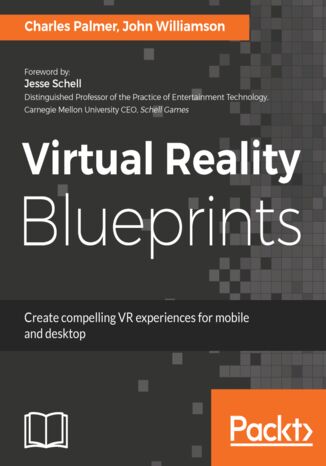
Virtual Reality Blueprints. Create compelling VR experiences for mobile and desktop
Charles Palmer, John Williamson
Are you new to virtual reality? Do you want to create exciting interactive VR applications? There's no need to be daunted by the thought of creating interactive VR applications, it's much easier than you think with this hands-on, project-based guide that will take you through VR development essentials for desktop and mobile-based games and applications. Explore the three top platforms—Cardboard VR, Gear VR, and OculusVR —to design immersive experiences from scratch.You’ll start by understanding the science-fiction roots of virtual reality and then build your first VR experience using Cardboard VR. You'll then delve into user interactions in virtual space for the Google Cardboard then move on to creating a virtual gallery with Gear VR. Then you will learn all about virtual movements, state machines, and spawning while you shoot zombies in the Oculus Rift headset. Next, you'll construct a Carnival Midway, complete with two common games to entertain players.Along the way, you will explore the best practices for VR development, review game design tips, discuss methods for combating motion sickness and identify alternate uses for VR applications
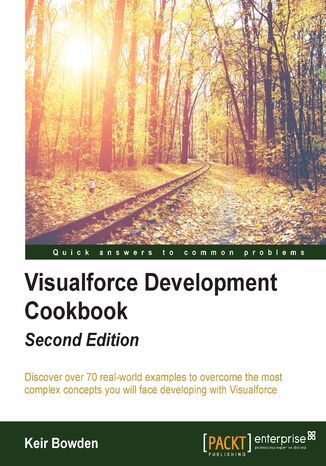
Visualforce Development Cookbook. Upgrade Your Development Skills - Second Edition
Keir Bowden
Visualforce is a framework that allows developers to build sophisticated, custom user interfaces that can be hosted natively on the Force.com platform. The Visualforce framework includes a tag-based markup language, similar to HTML that is used to write the Visualforce pages and a set of controllers that are used to write business logic to the Visualforce pages. Visualforce Development Cookbook provides solutions to a variety of challenges faced by Salesforce developers and demonstrates how easy it is to build rich, interactive pages using Visualforce. Whether you are looking to make a minor addition to the standard page functionality or override it completely, this book will provide you with the help you require throughout. You will start by learning about the simple utilities and will build up to more advanced techniques for data visualization and to reuse functionality. You will learn how to perform various tasks such as creating multiple records from a single page, visualizing data as charts, using JavaScript to enhance client-side functionality, building a public website, and making data available to a mobile device. With an interesting chapter on tackling common issues faced while developing Visualforce pages, the book provides lots of practical examples to enhance and extend your Salesforce user interface.