
Webmasterstwo
Darmowe sposoby na tworzenie profesjonalnych stron WWW. Podręcznik webmastera. Wydanie III
Mark William Bell
Stworzenie i prowadzenie witryny internetowej to obowiązkowa pozycja w budżecie każdej firmy. Koszt wykonania profesjonalnej, funkcjonalnej i imponującej klientom strony WWW może zszokować niejedną osobę. Czy da się go zminimalizować? Oczywiście! Z tym podręcznikiem pod ręką przy odrobinie samozaparcia i dużej dozie cierpliwości możesz osiągnąć naprawdę zadowalające efekty. W trakcie lektury dowiesz się, gdzie umieścić stronę internetową za darmo lub za minimalną opłatą oraz jak zaplanować proces tworzenia witryny. Przekonasz się również, że istnieje wiele narzędzi doskonale wspomagających proces tworzenia stron. Możesz wybierać spośród darmowych i płatnych platform. Po wstępie przejdziesz do konkretów, czyli poznasz język HTML! Tabele, listy, nagłówki i dziesiątki innych znaczników odkryją przed Tobą wszystkie tajemnice. W mig opanujesz CSS, JavaScript, osadzanie multimediów, statystyki oglądalności i wiele innych interesujących tematów. Książka ta będzie biblią dla każdego, kto chce rozpocząć przygodę z tworzeniem profesjonalnych stron WWW. Dowiedz się: jak zaprojektować witrynę WWW jakie narzędzia musisz mieć, żeby pracować szybko i wydajnie co to są kaskadowe arkusze stylów (CSS) i jak je połączyć z językiem HTML jak wykorzystać gotowe i darmowe systemy CMS, aby błyskawicznie stworzyć nową stronę Poznaj wydajne i oszczędne sposoby tworzenia nowych stron WWW!
Darmowe sposoby na tworzenie profesjonalnych stron WWW. Podręcznik webmastera. Wydanie III
Mark William Bell
Stworzenie i prowadzenie witryny internetowej to obowiązkowa pozycja w budżecie każdej firmy. Koszt wykonania profesjonalnej, funkcjonalnej i imponującej klientom strony WWW może zszokować niejedną osobę. Czy da się go zminimalizować? Oczywiście! Z tym podręcznikiem pod ręką przy odrobinie samozaparcia i dużej dozie cierpliwości możesz osiągnąć naprawdę zadowalające efekty. W trakcie lektury dowiesz się, gdzie umieścić stronę internetową za darmo lub za minimalną opłatą oraz jak zaplanować proces tworzenia witryny. Przekonasz się również, że istnieje wiele narzędzi doskonale wspomagających proces tworzenia stron. Możesz wybierać spośród darmowych i płatnych platform. Po wstępie przejdziesz do konkretów, czyli poznasz język HTML! Tabele, listy, nagłówki i dziesiątki innych znaczników odkryją przed Tobą wszystkie tajemnice. W mig opanujesz CSS, JavaScript, osadzanie multimediów, statystyki oglądalności i wiele innych interesujących tematów. Książka ta będzie biblią dla każdego, kto chce rozpocząć przygodę z tworzeniem profesjonalnych stron WWW. Dowiedz się: jak zaprojektować witrynę WWW jakie narzędzia musisz mieć, żeby pracować szybko i wydajnie co to są kaskadowe arkusze stylów (CSS) i jak je połączyć z językiem HTML jak wykorzystać gotowe i darmowe systemy CMS, aby błyskawicznie stworzyć nową stronę Poznaj wydajne i oszczędne sposoby tworzenia nowych stron WWW!
Darmowe sposoby na tworzenie profesjonalnych stron WWW. Podręcznik webmastera. Wydanie III
Mark William Bell
Stworzenie i prowadzenie witryny internetowej to obowiązkowa pozycja w budżecie każdej firmy. Koszt wykonania profesjonalnej, funkcjonalnej i imponującej klientom strony WWW może zszokować niejedną osobę. Czy da się go zminimalizować? Oczywiście! Z tym podręcznikiem pod ręką przy odrobinie samozaparcia i dużej dozie cierpliwości możesz osiągnąć naprawdę zadowalające efekty. W trakcie lektury dowiesz się, gdzie umieścić stronę internetową za darmo lub za minimalną opłatą oraz jak zaplanować proces tworzenia witryny. Przekonasz się również, że istnieje wiele narzędzi doskonale wspomagających proces tworzenia stron. Możesz wybierać spośród darmowych i płatnych platform. Po wstępie przejdziesz do konkretów, czyli poznasz język HTML! Tabele, listy, nagłówki i dziesiątki innych znaczników odkryją przed Tobą wszystkie tajemnice. W mig opanujesz CSS, JavaScript, osadzanie multimediów, statystyki oglądalności i wiele innych interesujących tematów. Książka ta będzie biblią dla każdego, kto chce rozpocząć przygodę z tworzeniem profesjonalnych stron WWW. Dowiedz się: jak zaprojektować witrynę WWW jakie narzędzia musisz mieć, żeby pracować szybko i wydajnie co to są kaskadowe arkusze stylów (CSS) i jak je połączyć z językiem HTML jak wykorzystać gotowe i darmowe systemy CMS, aby błyskawicznie stworzyć nową stronę Poznaj wydajne i oszczędne sposoby tworzenia nowych stron WWW!
Darmowe sposoby na tworzenie profesjonalnych stron WWW. Podręcznik webmastera. Wydanie III
Mark William Bell
Stworzenie i prowadzenie witryny internetowej to obowiązkowa pozycja w budżecie każdej firmy. Koszt wykonania profesjonalnej, funkcjonalnej i imponującej klientom strony WWW może zszokować niejedną osobę. Czy da się go zminimalizować? Oczywiście! Z tym podręcznikiem pod ręką przy odrobinie samozaparcia i dużej dozie cierpliwości możesz osiągnąć naprawdę zadowalające efekty. W trakcie lektury dowiesz się, gdzie umieścić stronę internetową za darmo lub za minimalną opłatą oraz jak zaplanować proces tworzenia witryny. Przekonasz się również, że istnieje wiele narzędzi doskonale wspomagających proces tworzenia stron. Możesz wybierać spośród darmowych i płatnych platform. Po wstępie przejdziesz do konkretów, czyli poznasz język HTML! Tabele, listy, nagłówki i dziesiątki innych znaczników odkryją przed Tobą wszystkie tajemnice. W mig opanujesz CSS, JavaScript, osadzanie multimediów, statystyki oglądalności i wiele innych interesujących tematów. Książka ta będzie biblią dla każdego, kto chce rozpocząć przygodę z tworzeniem profesjonalnych stron WWW. Dowiedz się: jak zaprojektować witrynę WWW jakie narzędzia musisz mieć, żeby pracować szybko i wydajnie co to są kaskadowe arkusze stylów (CSS) i jak je połączyć z językiem HTML jak wykorzystać gotowe i darmowe systemy CMS, aby błyskawicznie stworzyć nową stronę Poznaj wydajne i oszczędne sposoby tworzenia nowych stron WWW!
Data Oriented Development with Angularjs
Manoj Waikar
This book helps beginner-level AngularJS developers organize AngularJS applications by discussing important AngularJS concepts and best practices. If you are an experienced AngularJS developer but haven't written directives or haven't created custom HTML controls before, then this book is ideal for you.
Data Oriented Development with Angularjs
Manoj Waikar
This book helps beginner-level AngularJS developers organize AngularJS applications by discussing important AngularJS concepts and best practices. If you are an experienced AngularJS developer but haven't written directives or haven't created custom HTML controls before, then this book is ideal for you.
Nick Zhu
Master D3.js and create amazing visualizations with the Data Visualization with D3 4.x Cookbook. Written by professional data engineer Nick Zhu, this D3.js cookbook features over 65 recipes. ? Solve real-world visualization problems using D3.js practical recipes ? Understand D3 fundamentals ? Includes illustrations, ready-to-go code samples and pre-built chart recipes

Nick Zhu
Master D3.js and create amazing visualizations with the Data Visualization with D3 4.x Cookbook. Written by professional data engineer Nick Zhu, this D3.js cookbook features over 65 recipes. ? Solve real-world visualization problems using D3.js practical recipes ? Understand D3 fundamentals ? Includes illustrations, ready-to-go code samples and pre-built chart recipes
Alejandro Duarte
Vaadin is an open-source Java framework used to build modern user interfaces. Vaadin 8 simplifies application development and improves user experience. The book begins with an overview of the architecture of Vaadin applications and the way you can organize your code in modules.Then it moves to the more advanced topics about advanced topics such as internationalization, authentication, authorization, and database connectivity. The book also teaches you how to implement CRUD views, how to generate printable reports, and how to manage data with lazy loading.By the end of this book you will be able to architect, implement, and deploy stunning Vaadin applications, and have the knowledge to master web development with Vaadin.
Caio Calderari
In an era marked by a growing demand for tech solutions and a shortage of skilled developers, companies grapple with hiring expenses. No-code tools offer a faster, more affordable software development alternative. Leading this no-code revolution is Bubble, enabling newcomers to construct impressive web applications in a matter of weeks if not days.Written by Caio Calderari, a seasoned no-code expert with 17 years of experience to offers practical advice for mastering no-code application development. You'll learn to plan your app with Bubble's visual builder features and UI components and implement frontend functionalities such as customizing layouts and creating responsive user interfaces. The book covers workflow automation, database management, security best practices, and backend functionality setup and advances to span the Bubble plugin ecosystem and API integration for third-party services to improve the app's functionality. Additionally, you'll explore app testing, debugging, performance monitoring, and maintenance. From launching with a custom domain to gathering user feedback for continuous improvement and optimization of performance and scalability, you’ll learn every aspect of Bubble's app development and deployment.By the end of this book, you'll know how to bring your digital ideas to life without writing code.
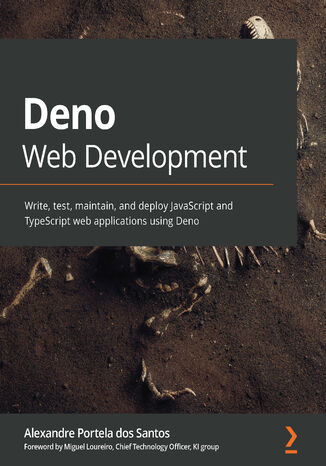
Alexandre Portela dos Santos
Deno is a JavaScript and TypeScript runtime with secure defaults and a great developer experience. With Deno Web Development, you'll learn all about Deno's primitives, its principles, and how you can use them to build real-world applications. The book is divided into three main sections: an introduction to Deno, building an API from scratch, and testing and deploying a Deno application.The book starts by getting you up to speed with Deno's runtime and the reason why it was developed. You'll explore some of the concepts introduced by Node, why many of them transitioned into Deno, and why new features were introduced. After understanding Deno and why it was created, you will start to experiment with Deno, exploring the toolchain and writing simple scripts and CLI applications. As you progress to the second section, you will create a simple web application and then add more features to it. This application will evolve from a simple 'hello world' API to a web application connected to the database, with users, authentication, and a JavaScript client. In the third section, the book will take you through topics such as dependency management, configuration and testing, finishing with an application deployed in a cloud environment.By the end of this web development book, you will become comfortable with using Deno to create, maintain, and deploy secure and reliable web applications.
Alexandre Portela dos Santos
Deno is a JavaScript and TypeScript runtime with secure defaults and a great developer experience. With Deno Web Development, you'll learn all about Deno's primitives, its principles, and how you can use them to build real-world applications. The book is divided into three main sections: an introduction to Deno, building an API from scratch, and testing and deploying a Deno application.The book starts by getting you up to speed with Deno's runtime and the reason why it was developed. You'll explore some of the concepts introduced by Node, why many of them transitioned into Deno, and why new features were introduced. After understanding Deno and why it was created, you will start to experiment with Deno, exploring the toolchain and writing simple scripts and CLI applications. As you progress to the second section, you will create a simple web application and then add more features to it. This application will evolve from a simple 'hello world' API to a web application connected to the database, with users, authentication, and a JavaScript client. In the third section, the book will take you through topics such as dependency management, configuration and testing, finishing with an application deployed in a cloud environment.By the end of this web development book, you will become comfortable with using Deno to create, maintain, and deploy secure and reliable web applications.
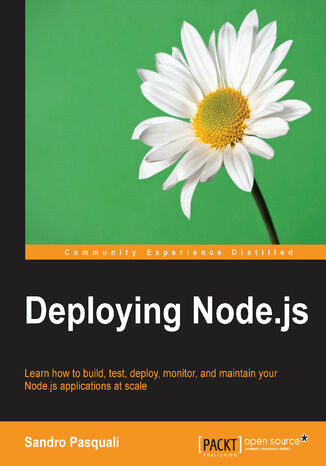
Sandro Pasquali
If you are an intermediate or advanced developer deploying your Node.js applications, then this book is for you. If you have already built a Node application or module and want to take your knowledge to the next level, this book will help you find your way.
Šimon Jůn
Figma isn’t just a design tool; it’s the modern designer’s command centerŠimon Jun, COO at Dotidot, longtime Figma lecturer, and organizer of the Czech Friends of Figma community, built this book from the trenches of real product work. After years of untangling messy files, rescuing failing handoffs, and coaching teams at scale, he distilled what actually works into a practical, recipe-driven guide.Over time, Šimon saw the same problems show up again and again: bloated files, broken handoffs, and design systems that couldn’t scale. This book is his way of sharing the patterns, tools, and habits that helped teams move past those roadblocks and build stronger, more connected design processes in Figma.Inside, you’ll learn how to structure files for real collaboration, use design tokens without chaos, build accessible, scalable libraries, and hand off to developers with confidence. You’ll see how to automate repetitive work with plugins and AI, run async reviews, and bake feedback loops into your process so projects keep moving, without losing polish.*Email sign-up and proof of purchase required
Šimon Jůn
Figma isn’t just a design tool; it’s the modern designer’s command centerŠimon Jun, COO at Dotidot, longtime Figma lecturer, and organizer of the Czech Friends of Figma community, built this book from the trenches of real product work. After years of untangling messy files, rescuing failing handoffs, and coaching teams at scale, he distilled what actually works into a practical, recipe-driven guide.Over time, Šimon saw the same problems show up again and again: bloated files, broken handoffs, and design systems that couldn’t scale. This book is his way of sharing the patterns, tools, and habits that helped teams move past those roadblocks and build stronger, more connected design processes in Figma.Inside, you’ll learn how to structure files for real collaboration, use design tokens without chaos, build accessible, scalable libraries, and hand off to developers with confidence. You’ll see how to automate repetitive work with plugins and AI, run async reviews, and bake feedback loops into your process so projects keep moving, without losing polish.*Email sign-up and proof of purchase required