
Programowanie w chmurze
Kubernetes. Receptury. Aplikacje natywne dla środowiska chmurowego. Wydanie II
Sameer Naik, Sébastien Goasguen, Jonathan Michaux
Kubernetes stał się standardem orkiestracji kontenerów i zarządzania rozproszonymi aplikacjami. Obecnie pozwala na uzyskiwanie automatyzacji, rozszerzalności i przenośności na wysokim poziomie, a sama praca z nim jest efektywna i satysfakcjonująca. Niekiedy jednak tworzenie i wdrażanie aplikacji Kubernetes sprawia problemy nawet zaawansowanym użytkownikom. To książka przeznaczona dla osób pracujących z systemami Kubernetes. Poszczególne zagadnienia przedstawiono w niej w przejrzystym formacie problem - rozwiązanie - omówienie, dzięki czemu szybko znajdziesz rozwiązanie konkretnego problemu, a to z kolei pozwoli Ci na korzystanie ze wszystkich zalet tej platformy w codziennej pracy. Znalazło się tu ponad 100 praktycznych receptur obejmujących takie tematy jak konfigurowanie klastra, zarządzanie obciążeniem w kontenerach przy użyciu obiektów Kubernetes API, użycie pamięci masowej indeksowanej wartościami klucz-wartość, konfigurowanie zabezpieczeń i wiele innych. Każda receptura jest niezależna od innych, a materiał został zorganizowany w sposób maksymalnie ułatwiający szybkie odnalezienie interesującego Cię zagadnienia. W książce między innymi: tworzenie klastra i interfejs wiersza poleceń Kubernetes zarządzanie obciążeniami i usługami interfejs API Kubernetes skalowanie na poziomie klastra i aplikacji zabezpieczanie aplikacji i jej monitorowanie utrzymywanie systemów w środowisku chmury i rozwiązywanie problemów Kubernetes w praktyce. Znajdź szybkie rozwiązania dla każdego wyzwania!
Emmanouil Gkatziouras, Chris Jenkins, Rom Adams, Chen...
Securing Secrets in containerized apps poses a significant challenge for Kubernetes IT professionals. This book tackles the critical task of safeguarding sensitive data, addressing the limitations of Kubernetes encryption, and establishing a robust Secrets management system for heightened security for Kubernetes.Starting with the fundamental Kubernetes architecture principles and how they apply to the design of Secrets management, this book delves into advanced Kubernetes concepts such as hands-on security, compliance, risk mitigation, disaster recovery, and backup strategies. With the help of practical, real-world guidance, you’ll learn how to mitigate risks and establish robust Secrets management as you explore different types of external secret stores, configure them in Kubernetes, and integrate them with existing Secrets management solutions.Further, you'll design, implement, and operate a secure method of managing sensitive payload by leveraging real use cases in an iterative process to enhance skills, practices, and analytical thinking, progressively strengthening the security posture with each solution.By the end of this book, you'll have a rock-solid Secrets management solution to run your business-critical applications in a hybrid multi-cloud scenario, addressing operational risks, compliance, and controls.
Kubernetes. Tworzenie natywnych aplikacji działających w chmurze
Michael Hausenblas, Stefan Schimanski
Mimo że w 2018 roku Kubernetes zyskał reputację standardowego narzędzia do zarządzania kontenerami, wciąż należy traktować tę technologię jako znajdującą się w dość wczesnej fazie rozwoju. Możliwości tej platformy z czasem rosną i stają się coraz ciekawsze. Standardowym działaniem jest uruchamianie klastrów w Kubernetesie, jednak o wiele bardziej interesujące wydaje się samodzielne rozszerzanie tej platformy o własne kontrolery i rozbudowa API Kubernetesa w celu dostosowania do swoich wymagań. W przypadku niektórych złożonych projektów programowanie potrzebnych komponentów jest jedynym racjonalnym rozwiązaniem. To książka przeznaczona dla programistów, którzy chcą maksymalnie wykorzystać możliwości Kubernetesa, również poprzez pisanie własnych zasobów. W praktyczny sposób pokazuje, jak rozwijać natywne, działające w chmurze aplikacje dla Kubernetesa. Wyjaśnia, w jaki sposób działa biblioteka API client-go i jak należy budować zasoby niestandardowe. Znalazło się tu obszerne i szczegółowe omówienie interfejsu programowania i działania platformy Kubernetes, a także pisania stabilnego oprogramowania w języku Go. Nie zabrakło szeregu wskazówek dotyczących samego pisania kodu oraz przeprowadzania testów. Dużo uwagi poświęcono niestandardowym zasobom, kontrolerom, webhookom i niestandardowym serwerom API oraz wzorcom rozszerzania Kubernetesa. W tej książce między innymi: zasady programowania dla Kubernetesa API Kubernetesa i client-go korzystanie z niestandardowych zasobów pisanie i udostępnianie operatorów tworzenie niestandardowych serwerów API Kubernetes: wykorzystaj w pełni jego potencjał!
Kubernetes. Tworzenie niezawodnych systemów rozproszonych. Wydanie II
Brendan Burns, Joe Beda, Kelsey Hightower
Kubernetes jest czymś więcej niż platformą do orkiestracji kontenerów. W ciągu zaledwie kilku lat stał się najpopularniejszym i najbogatszym narzędziem do tworzenia, wdrażania i utrzymywania aplikacji w chmurze. Tak radykalna zmiana sposobu funkcjonowania systemów informatycznych wymaga przemodelowania podejścia i stylu pracy zespołów programistycznych. Jeśli jednak wypróbujesz Kubernetesa, przekonasz się, że bardzo upraszcza on tworzenie, wdrażanie i utrzymywanie systemów rozproszonych. Jego twórcy, bazując na własnych wieloletnich doświadczeniach, zaprojektowali go od podstaw, aby zapewnić inżynierom wydajną, efektywną i przyjemną pracę. Ta książka jest przeznaczona dla początkujących i zaawansowanych użytkowników Kubernetesa. Dzięki niej osiągniesz nowe poziomy prędkości, zwinności, niezawodności i wydajności budowanych systemów. Opisano tu, jak działa orkiestrator klastrów Kubernetes oraz jak wykorzystać jego narzędzia i interfejsy API do usprawnienia procesów rozwoju, dostarczania i utrzymywania rozproszonych aplikacji. Wyjaśniono niezbędne szczegóły dotyczące aplikacji kontenerowych, uruchamiania i obsługi klastrów oraz wdrażania aplikacji w Kubernetesie. Przedstawiono sposoby integracji magazynów danych i rozszerzania platformy. Przydatnym podsumowaniem treści zawartych w książce jest kilka praktycznych przykładów tworzenia i wdrażania rzeczywistych aplikacji w Kubernetesie, a także omówienie metod organizowania aplikacji w systemie kontroli źródła. Najciekawsze zagadnienia: tworzenie i uruchamianie klastrów Kubernetesa projektowanie aplikacji: kapsuły, usługi, narzędzia Ingress i obiekty ReplicaSet integracja magazynów danych z kontenerowymi mikrousługami obiekty specjalne: DaemonSet, Job, ConfigMap i tajne dane praktyczne przykłady tworzenia i wdrażania rzeczywistych aplikacji w Kubernetesie Kubernetes: systemy rozproszone mogą być skalowalne i niezawodne!
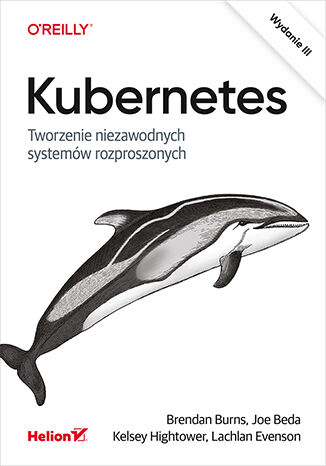
Kubernetes. Tworzenie niezawodnych systemów rozproszonych. Wydanie III
Brendan Burns, Joe Beda, Kelsey Hightower, Lachlan...
Kubernetes jest ważnym narzędziem do tworzenia, wdrażania i utrzymywania aplikacji w chmurze. Obecnie pozwala na uzyskiwanie prędkości, zwinności, niezawodności i wydajności na wysokim poziomie, a samo tworzenie i utrzymywanie systemów rozproszonych jest proste, efektywne i satysfakcjonujące. Trzeba tylko zrozumieć, na czym polega abstrakcja kontenerów i interfejsów API orkiestracji kontenerów i poświęcić trochę czasu na zapoznanie się z samym Kubernetesem. Oto podstawowe źródło wiedzy na temat systemu Kubernetes, okraszone przykładami, które umożliwiają samodzielne poznawanie tego produktu! Liz Rice To trzecie wydanie przewodnika autorstwa twórców Kubernetesa. Zostało starannie zaktualizowane i wzbogacone o tak ważne zagadnienia jak bezpieczeństwo, dostęp do Kubernetesa za pomocą kodu napisanego w różnych językach programowania czy tworzenie aplikacji wieloklastrowych. Dzięki książce poznasz podstawy funkcjonowania Kubernetesa, a naukę rozpoczniesz od budowy prostej aplikacji. Później dowiesz się, jak używać narzędzi i interfejsów API do automatyzacji skalowalnych systemów rozproszonych, w tym usług internetowych, aplikacji do uczenia maszynowego czy klastrów komputerów Raspberry Pi. Omówiono tu również zaawansowane zagadnienia, takie jak obiekty specjalne czy siatki usług i system kontroli źródła. Najciekawsze zagadnienia: budowa i działanie Kubernetesa na podstawie prostego przykładu specjalne obiekty, takie jak DaemonSet, Job, ConfigMap i tajne dane cykl życia kompletnej aplikacji rozproszonej zabezpieczanie wdrażanych aplikacji aplikacje wieloklastrowe i dostęp do Kubernetesa za pomocą własnego kodu Poznaj przyszłość infrastruktury!
Julien Simon
Amazon SageMaker enables you to quickly build, train, and deploy machine learning models at scale without managing any infrastructure. It helps you focus on the machine learning problem at hand and deploy high-quality models by eliminating the heavy lifting typically involved in each step of the ML process. This second edition will help data scientists and ML developers to explore new features such as SageMaker Data Wrangler, Pipelines, Clarify, Feature Store, and much more.You'll start by learning how to use various capabilities of SageMaker as a single toolset to solve ML challenges and progress to cover features such as AutoML, built-in algorithms and frameworks, and writing your own code and algorithms to build ML models. The book will then show you how to integrate Amazon SageMaker with popular deep learning libraries, such as TensorFlow and PyTorch, to extend the capabilities of existing models. You'll also see how automating your workflows can help you get to production faster with minimum effort and at a lower cost. Finally, you'll explore SageMaker Debugger and SageMaker Model Monitor to detect quality issues in training and production.By the end of this Amazon book, you'll be able to use Amazon SageMaker on the full spectrum of ML workflows, from experimentation, training, and monitoring to scaling, deployment, and automation.
Russ McKendrick
Are you tired of manually deploying and managing your infrastructure and looking for ways to streamline your deployments, introduce consistency and collaboration, and save time? If so, then Learn Ansible is for you. Written by a DevOps practitioner and system administrator with 30+ years of experience, this book will teach you how to automate repetitive tasks and effortlessly manage several resources from a single code base.From installing Ansible and writing your first playbook to deploying multi-tier applications across different cloud platforms, this book will take you on an exciting learning journey. By learning the art of defining highly available cloud infrastructure using code, you’ll find it easy to distribute configurations alongside your application. You’ll explore Ansible Galaxy, learn about community-contributed Ansible roles, and discover how to create and share your own roles. Later, the book delves into the capabilities of Ansible AWX and integrating Ansible with your CI/CD pipelines, using Azure DevOps and GitHub Actions. With real-world examples and hands-on tutorials, you’ll build a solid foundation to tackle any automation project.By the end of this book, you'll be able to confidently implement Ansible in your environment and day-to-day workflows, taking your deployments to the next level.

Learn Apache Mesos. A beginner's guide to scalable cluster management and deployment
Manuj Aggarwal
Apache Mesos is an open source cluster manager that provides efficient resource isolation and sharing across distributed applications or frameworks. This book will help you build a strong foundation of Mesos' capabilities along with practical examples to support the concepts explained throughout the book.Learn Apache Mesos dives straight into how Mesos works. You will be introduced to the distributed system and its challenges and then learn how you can use Mesos and its framework to solve data problems. You will also gain a full understanding of Mesos' internal mechanisms and get equipped to use Mesos and develop applications. Furthermore, this book lets you explore all the steps required to create highly available clusters and build your own Mesos frameworks. You will also cover application deployment and monitoring.By the end of this book, you will have learned how to use Mesos to make full use of machines and how to simplify data center maintenance.