
Hacking
Alena Traukina, Jayant Thomas, Prashant Tyagi, Veera...
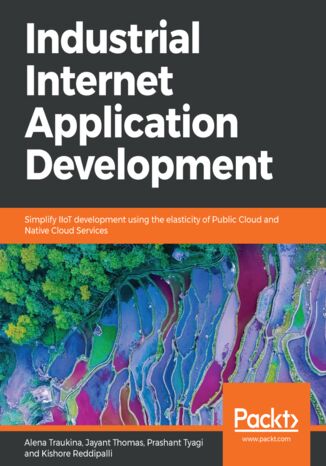
The Industrial Internet refers to the integration of complex physical machines with networked sensors and software. The growth in the number of sensors used in industrial machinery has led to an exponential increase in data being captured for predictive analytics.Industrial Internet Application Development is a practical guide for developers who want to create applications that leverage the full capabilities of IIoT. You will get started by learning how to develop your first IIoT application and understanding its deployment and security. Once you’re familiar with what IIoT is, you will move on to exploring Edge Development along with the analytics aspect of the IIoT stack. In later chapters, you’ll get to grips with the deployment of IIoT applications on the Predix platform. As you cover these concepts, you’ll be able to identify key elements of the development framework and understand their importance while considering architecture and design for IIoT applications.By the end of this book, you will have the skills you need to deploy IIoT applications on the Predix platform and incorporate best practices for developing fault-tolerant and reliable IIoT systems.
Darren Death
Information Security Handbook is a practical guide that’ll empower you to take effective actions in securing your organization’s assets. Whether you are an experienced security professional seeking to refine your skills or someone new to the field looking to build a strong foundation, this book is designed to meet you where you are and guide you toward improving your understanding of information security.Each chapter addresses the key concepts, practical techniques, and best practices to establish a robust and effective information security program. You’ll be offered a holistic perspective on securing information, including risk management, incident response, cloud security, and supply chain considerations. This book has distilled years of experience and expertise of the author, Darren Death, into clear insights that can be applied directly to your organization’s security efforts. Whether you work in a large enterprise, a government agency, or a small business, the principles and strategies presented in this book are adaptable and scalable to suit your specific needs.By the end of this book, you’ll have all the tools and guidance needed to fortify your organization’s defenses and expand your capabilities as an information security practitioner.

IT Governance Publishing, Alan Calder, Steve G...
This guide navigates through the essential processes of risk management within an ISO 27001/27002 framework. Beginning with foundational principles and methodologies, it systematically details every stage from assessment and analysis to treatment and review. Readers will learn how to apply both qualitative and quantitative techniques to measure impact, likelihood, and risk levels accurately.The book provides clarity on roles, policies, asset classification, and control selection, reinforced by practical tools like gap analysis and risk assessment software. Real-world scenarios and methodologies are contextualized for effective decision-making aligned with international compliance standards.By the end, readers will possess a comprehensive understanding of implementing and sustaining a risk management system that meets ISO 27001/27002 requirements, enabling them to better safeguard information assets and demonstrate regulatory accountability.

William Oettinger
Jak prowadzić cyberśledztwo. Zabezpieczanie i analiza dowodów elektronicznych Przestępcy sięgają po coraz to nowsze metody. Inżynierowie potrafią wykrywać ślady nielegalnych działań, jeśli jednak celem jest ujęcie i ukaranie sprawcy, potrzeba czegoś więcej. Zadaniem śledczego jest nie tylko przeprowadzenie badań, ale również zabezpieczenie i analiza dowodów, wreszcie - przedstawienie wyników swojej pracy tak, aby można ich było użyć w postępowaniu sądowym. By tak działać, konieczne jest przyswojenie zasad informatyki śledczej. Ta praktyczna książka zawiera omówienie reguł, jakimi powinien się kierować informatyk śledczy podczas pracy. Przedstawia podstawy kryminalistyki, stanowi też przegląd narzędzi i technik służących do skutecznego badania cyberprzestępstw, a także do efektywnego zbierania, utrwalania i wykorzystywania dowodów elektronicznych. Duży nacisk położono tu na techniki pozyskiwania danych z systemu Windows: opisano sposoby zbierania artefaktów w różnych wersjach systemu, zaprezentowano sposoby analizy pamięci RAM i poczty e-mail w kontekście prowadzenia dochodzenia. Ważną częścią publikacji są rozdziały dotyczące pisania raportów i zasad, których musi przestrzegać biegły sądowy w ramach swojej pracy. Dzięki książce dowiesz się: czym jest proces dochodzeniowy i jakie są zasady pracy z dowodami jakie narzędzia kryminalistyczne pozwalają na efektywną pracę na czym polega proces rozruchu z użyciem BIOS-u, UEFI i sekwencji rozruchowej jak pozyskiwać wartościowe dane znajdujące się w sieci i na urządzeniach jak lokalizować i wykorzystywać najpopularniejsze artefakty systemu Windows z czym się wiąże udział w postępowaniu sądowym lub administracyjnym Dowiedz się, jak powstrzymać cyberprzestępcę!

William Oettinger
Aby ująć i ukarać cyberprzestępcę, potrzeba czegoś więcej niż odnalezienie śladów włamania. Informatyk śledczy musi nie tylko prowadzić badania, ale również pozyskiwać i zabezpieczać dowody cyfrowe. Powinien też biegle analizować dowody i pisać raporty w taki sposób, aby można było z nich skorzystać w postępowaniu sądowym. Cała ta praca musi być wykonywana zgodnie z zasadami informatyki śledczej. To drugie wydanie popularnego przewodnika dla śledczych. Dzięki niemu sprawnie przygotujesz się do pracy z narzędziami kryminalistycznymi i zapoznasz się ze stosowanymi w informatyce śledczej technikami. Nauczysz się pozyskiwać informacje o podejrzanych i zabezpieczać znajdujące się w sieci dane, które mogą się okazać istotne w wyjaśnieniu sprawy. Zdobędziesz także potrzebną wiedzę o topologiach sieciowych, urządzeniach i niektórych protokołach sieciowych. Bardzo ważnym elementem publikacji jest rozdział poświęcony zasadom tworzenia raportów kryminalistycznych. Cenne informacje i wskazówki zawarte w przewodniku pomogą Ci odnieść sukces w dochodzeniach korporacyjnych lub śledztwach w sprawach karnych. W książce: proces dochodzeniowy i zasady pracy z dowodami walidacja narzędzi, oprogramowania i metod badawczych tworzenie i walidacja sterylnych nośników odkrywanie i analiza artefaktów przechwytywanie zawartości pamięci RAM analiza osi czasu, mediów, ciągów znaków i odzyskiwanie usuniętych plików Informatyka śledcza: Twoja tajna broń!
Shiva V. N. Parasram
Aby pomyślnie przeprowadzić dochodzenie cyfrowe, poza specjalnymi umiejętnościami i wiedzą techniczną musisz dysponować odpowiednimi narzędziami. Z rozwoju technologii korzystają również przestępcy, którzy popełniają swoje występki na wiele dotychczas nieznanych sposobów. W tych warunkach bezcenną pomoc możesz znaleźć w Kali Linuksie - potężnym systemie specjalnie przygotowanym do prowadzenia testów penetracyjnych i dochodzeń w informatyce śledczej. Ta książka pomoże Ci w doskonaleniu umiejętności potrzebnych na każdym etapie dochodzenia cyfrowego, od zbierania dowodów, poprzez ich analizę, po tworzenie raportów. Dzięki wielu wskazówkom i praktycznym ćwiczeniom przyswoisz techniki analizy, ekstrakcji danych i raportowania przy użyciu zaawansowanych narzędzi. Poznasz różne systemy przechowywania plików i nauczysz się wyszukiwać urządzenia sieciowe za pomocą skanerów Nmap i Netdiscover. Zapoznasz się też ze sposobami utrzymywania integralności cyfrowego materiału dowodowego. Znajdziesz tu ponadto omówienie kilku bardziej zaawansowanych tematów, takich jak pozyskiwanie ulotnych danych z sieci, nośników pamięci i systemów operacyjnych. Z książki dowiesz się: jak przygotować do pracy system Kali Linux na różnych platformach sprzętowych po co w analizach DFIR bada się zawartość RAM, a także systemy plików i nośniki danych jak używać narzędzi takich jak Scalpel, Magic Rescue, Volatility 3 czy Autopsy 4 czym jest ransomware i jak korzystać z artefaktów systemowych w dochodzeniach DFIR jak za pomocą narzędzi NFAT przechwytywać pakiety i analizować ruch sieciowy Kali Linux: Twój najlepszy partner w cyfrowej dochodzeniówce!

Gerard Johansen
Informatyka śledcza zapewnia narzędzia nie tylko prowadzącym dochodzenia kryminalne, ale również specjalistom do spraw cyberbezpieczeństwa. Na tym polu trwa ciągły wyścig zbrojeń między nimi a przestępcami, gdyż konsekwencje udanego ataku mogą się okazać niezwykle poważne. Umiejętność poprawnego reagowania na incydenty bezpieczeństwa jest tu kluczową sprawą. Ta książka jest przewodnikiem dla profesjonalistów do spraw cyberbezpieczeństwa. Przedstawia podstawowe zasady reagowania na incydenty bezpieczeństwa i szczegółowo, na przykładach, omawia proces tworzenia zdolności szybkiej i skutecznej reakcji na takie zdarzenia. Zaprezentowano tu techniki informatyki śledczej, od pozyskiwania dowodów i badania pamięci ulotnej po badanie dysku twardego i dowodów pochodzących z sieci. Szczególną uwagę poświęcono zagrożeniom atakami ransomware. Nie zabrakło omówienia roli analizy zagrożeń w procesie reagowania na incydenty, a także zasad sporządzania raportów dokumentujących reakcję na incydent i wyniki analizy. Pokazano również, w jaki sposób prowadzi się polowania na zagrożenia. Z tą książką: zbudujesz zdolność reagowania na incydenty w swojej organizacji nauczysz się poprawnego zbierania i analizowania dowodów zintegrujesz techniki i procedury śledcze z ogólnym procesem reagowania na incydenty przyswoisz różne metody polowania na zagrożenia opanujesz sposoby tworzenia raportów z incydentów wdrożysz odpowiednie praktyki reagowania na ataki ransomware Przygotuj się, znajdź i zlikwiduj zagrożenie!
Informatyka w kryminalistyce. Praktyczny przewodnik. Wydanie II
Darren R. Hayes
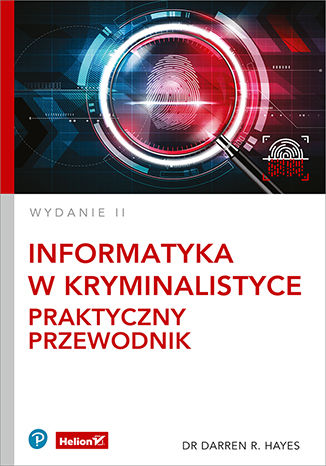
Nasilanie się zjawiska cyberprzestępczości sprawia, że prowadzenie dochodzeń kryminalnych wymaga specjalnych umiejętności i wiedzy technicznej. Bez odpowiedniego materiału dowodowego niemożliwe jest oskarżenie i osądzenie winnych. Sytuację utrudnia rozwój technologii: serwisy społecznościowe, urządzenia mobilne czy internet rzeczy są wykorzystywane do popełniania przestępstw na wiele dotychczas nieznanych sposobów. W tych warunkach informatycy śledczy są bardzo potrzebni, a specjaliści dysponujący aktualną wiedzą - wręcz bezcenni. Oto znakomity i w pełni zaktualizowany przewodnik po informatyce śledczej, uwzględniający najnowsze techniki, narzędzia i rozwiązania. W książce omówiono praktyczne aspekty zarówno umiejętności technicznych, jak i spraw ważnych z punktu widzenia prowadzenia dochodzeń w internecie i laboratorium. Opisano istotne zagadnienia dotyczące dokumentacji, dopuszczalności dowodów i innych aspektów prawnych. Szczegółowo zaprezentowano technologie ubieralne, analizy śledcze urządzeń IoT, kwestie komunikacji 5G, analizy śledczej pojazdów i analiz aplikacji mobilnych. Opracowanie uwzględnia też postępy w dziedzinie reagowania na incydenty oraz nowe techniki badania urządzeń mobilnych. Treści zostały uzupełnione praktycznymi zadaniami, realistycznymi przykładami oraz fascynującymi studiami przypadków. Dzięki książce dowiesz się, jak: wygląda praca informatyka śledczego wykorzystywać nowinki technologiczne w procesie zbierania dowodów rozpoznać naruszenia bezpieczeństwa i prawidłowo reagować na incydenty badać oszustwa finansowe analizować technologie ubieralne i urządzenia IoT zapewnić, aby zdobyte dowody zostały uznane w sądzie Wykryj. Znajdź dowody. Zabezpiecz je i zbadaj!