
Informatyka
Zajrzyj do kategorii Informatyka w księgarni internetowej Ebookpoint. Znajdziesz tutaj bestsellerowe książki, ebooki i kursy video z branży IT. Sięgnij po najlepszą literaturę dla specjalistów i rozwijaj doświadczenie, które już posiadasz, lub rozpocznij swoją przygodę z programowaniem, cyberbezpieczeństwem lub grafiką komputerową. Pogłębiaj swoją wiedzę tak, jak Ci wygodnie - z tradycyjną książką, wygodnym ebookiem lub nowoczesnym videokursem. Sprawdź, jakie tytuły znajdziesz w kategorii Informatyka!
Introduction to Programming. Learn to program in Java with data structures, algorithms, and logic
Nick Samoylov
Have you ever thought about making your computer do what you want it to do? Do you want to learn to program, but just don't know where to start? Instead of guiding you in the right direction, have other learning resources got you confused with over-explanations?Don't worry. Look no further. Introduction to Programming is here to help.Written by an industry expert who understands the challenges faced by those from a non-programming background, this book takes a gentle, hand-holding approach to introducing you to the world of programming. Beginning with an introduction to what programming is, you'll go on to learn about languages, their syntax, and development environments. With plenty of examples for you to code alongside reading, the book's practical approach will help you to grasp everything it has to offer. More importantly, you'll understand several aspects of application development. As a result, you'll have your very own application running by the end of the book. To help you comprehensively understand Java programming, there are exercises at the end of each chapter to keep things interesting and encourage you to add your own personal touch to the code and, ultimately, your application.
Gergely Daróczi, Michael Phule, Edina Berlinger (EURO),...
Introduction to R for Quantitative Finance will show you how to solve real-world quantitative fi nance problems using the statistical computing language R. The book covers diverse topics ranging from time series analysis to fi nancial networks. Each chapter briefl y presents the theory behind specific concepts and deals with solving a diverse range of problems using R with the help of practical examples.This book will be your guide on how to use and master R in order to solve quantitative finance problems. This book covers the essentials of quantitative finance, taking you through a number of clear and practical examples in R that will not only help you to understand the theory, but how to effectively deal with your own real-life problems.Starting with time series analysis, you will also learn how to optimize portfolios and how asset pricing models work. The book then covers fixed income securities and derivatives such as credit risk management.
Bogdan Noga, Zbigniew Kosma, Jan Parczewski
Książka opisuje Inventor v. 2009 Wkrocz w świat projektowania 3D Jak definiować parametry projektu? W jaki sposób korzystać z narzędzi projektowych? Jak generować dokumentację techniczną? Inventor, opracowany i sprzedawany przez firmę Autodesk, to program typu CAD, pozwalający na zamodelowanie projektowanego urządzenia lub elementu w postaci bryły trójwymiarowej. W oparciu o tak zamodelowaną bryłę Inventor umożliwia wygenerowanie pełnej dokumentacji projektowej -- rysunków wykonawczych i złożeniowych, wykazu części i innych. Aplikacja pozwala także na przeprowadzenie symulacji i analizy działania projektowanego urządzenia. "Inventor. Pierwsze kroki " to podręcznik dla wszystkich osób, które chcą poznać możliwości tej aplikacji i wykorzystać je w swojej pracy. Książka opisuje proces instalacji i konfiguracji programu oraz definiowania parametrów projektu. Pokazuje także kolejne kroki jego realizacji. Przeczytasz w niej o tworzeniu szkiców, definiowaniu wiązań, generowaniu modeli bryłowych i tworzeniu zespołów. Dowiesz się także, w jaki sposób wygenerować dokumentację techniczną w oparciu o gotowy model oraz jak zaprezentować elementy projektu w postaci animacji trójwymiarowej. Instalacja Inventora Konfiguracja interfejsu użytkownika Praca z oknami dialogowymi Tworzenie szkiców i wiązań Edycja obiektów graficznych Tworzenie brył trójwymiarowych Łączenie elementów w zespoły Tworzenie dokumentacji technicznej Prezentacja zespołów Zrealizuj swoje wizje za pomocą Inventora!
Inventor. Podstawy projektowania
Bogdan Noga
Książka opisuje Inventor v. 2011 Spraw, by Inventor nie miał przed Tobą tajemnic Poznaj najnowsze środowisko do projektowania przestrzennego Naucz się tworzyć szkice 2D i modelować w trzech wymiarach Opanuj narzędzia do tworzenia zespołów i techniki ich prezentacji Inventor to jedno z najczęściej używanych środowisk do wspomaganego komputerowo projektowania części i zespołów mechanicznych. Rosnąca popularność aplikacji, duże możliwości w zakresie tworzenia dokumentacji, cyfrowego prototypowania, symulacji działania mechanizmów i wymiany danych projektowych oraz wsparcie zapewniane przez producenta programu gwarantują, że czas poświęcony na jego naukę okaże się doskonałą inwestycją w przyszłość. Rozpoczęcie przygody z Inventorem znakomicie ułatwi książka "Inventor 2011 PL. Pierwsze kroki". Podręcznik "za rękę" poprowadzi początkującego użytkownika przez świat projektowania technicznego, przedstawiając podstawowe informacje o programie i sposobach jego stosowania. Czytelnik dowie się, do czego służą poszczególne narzędzia i jak skonfigurować interfejs aplikacji. Pozna metody tworzenia i edytowania płaskich rysunków, brył trójwymiarowych i całych zespołów. Zagadnienia związane z symulowaniem działania mechanizmów oraz animowaniem procesów ich montażu i demontażu nie będą stanowiły już żadnego problemu. Poszczególne tematy przedstawiane są w bardzo praktyczny sposób, dzięki czemu podręcznik doskonale nadaje się do samodzielnej nauki korzystania z najnowszej wersji środowiska Inventor, stanowiąc jednocześnie świetny materiał pomocniczy na kursach i szkoleniach z obsługi tego programu. Elementy interfejsu programu Inventor i sposoby ich używania Tworzenie szkiców w oparciu o wiązania geometryczne i wymiarowe Generowanie trójwymiarowych brył, przekształcanie ich i łączenie Korzystanie z biblioteki elementów znormalizowanych Symulacja ruchu oraz animowanie montażu i demontażu zespołów Tworzenie dokumentacji technicznej części i złożeń Praktyczne przykłady różnorodnych zastosowań Inventora Z przyjemnością rozpocznij praktyczną naukę obsługi jednego z najpopularniejszych środowisk do trójwymiarowego projektowania układów mechanicznych!
Inżynieria AI. Tworzenie aplikacji z wykorzystaniem modeli bazowych
Chip Huyen
Modele bazowe (foundation models) zapoczątkowały prawdziwy rozkwit aplikacji opartych na sztucznej inteligencji. AI stała się potężnym narzędziem rozwojowym, którego dziś może używać niemal każdy. Decyzja o stworzeniu własnej aplikacji AI wymaga jednak zrozumienia procesu budowy i świadomego podejmowania decyzji projektowych. Ta książka jest kompleksowym przewodnikiem po budowaniu generatywnych aplikacji AI w środowiskach produkcyjnych. Luke Metz, współtwórca ChatGPT w OpenAI Ten przystępnie napisany i praktyczny podręcznik pokazuje, czym jest inżynieria AI i w jaki sposób tworzy się aplikacje z wykorzystaniem łatwo dostępnych modeli bazowych. Dowiesz się, jak się poruszać w świecie sztucznej inteligencji, czym dokładnie są modele, zbiory danych, wskaźniki oceny i wzorce aplikacyjne. W książce przedstawiono również, krok po kroku, kompletny proces tworzenia aplikacji AI i ich efektywnego wdrażania. Poszczególne zagadnienia zostały zilustrowane dobrze udokumentowanymi studiami przypadków. Nie zabrakło również komentarzy odnoszących się do zaimplementowania systemu opinii użytkowników w celu zapewnienia przydatnych informacji zwrotnych. Najważniejsze zagadnienia: istota inżynierii AI proces tworzenia aplikacji AI różne techniki adaptacji modeli, w tym inżynieria promptów, generowanie wspomagane wyszukiwaniem (RAG), dostrajanie modeli, agenty i inżynieria zbiorów danych wąskie gardła modeli podstawowych i ich pokonywanie zasady wyboru modelu, wskaźników, danych oraz wzorców projektowych Pozycja obowiązkowa dla każdego profesjonalisty, który chce wdrożyć AI w swojej firmie! Vittorio Cretella, były dyrektor IT w P&G i Mars
Inżynieria danych w praktyce. Kluczowe koncepcje i najlepsze technologie
Joe Reis, Matt Housley
Ze względu na gwałtowny rozwój inżynierii danych, jaki nastąpił w ciągu ostatniej dekady, wielu inżynierów oprogramowania, badaczy i analityków danych zaczęło odczuwać potrzebę kompleksowego spojrzenia na tę praktykę. Dzięki tej praktycznej książce zawierającej opis najlepszych technologii dostępnych w ramach frameworka cyklu życia inżynierii danych, dowiesz się, jak planować i budować systemy, które mają zaspokoić potrzeby Twojej organizacji i klientów. Autorzy, Joe Reis i Matt Housley, przeprowadzą Cię przez cykl życia inżynierii danych i pokażą, jak połączyć różne technologie chmurowe, aby spełnić potrzeby konsumentów danych w dolnej części strumienia przetwarzania. Dzięki lekturze tej książki dowiesz się, jak zastosować koncepcje generowania, pozyskiwania, orkiestracji, przekształcania, przechowywania i zarządzania danymi - kluczowe w każdym środowisku danych, niezależnie od wykorzystywanej technologii. Dzięki książce: Uzyskasz zwięzły przegląd całego środowiska inżynierii danych. Nauczysz się oceniać problemy inżynierii danych i stosować kompleksowe frameworki najlepszych praktyk. Dowiesz się jak przebić się przez szum marketingowy i wybrać odpowiednie technologie, architekturę danych i procesy? Nauczysz się wykorzystywać cykl życia inżynierii danych do zaprojektowania i zbudowania solidnej architektury. Poznasz mechanizmy zarządzania danymi i bezpieczeństwa w całym cyklu życia inżynierii danych. "Świat danych ewoluuje już od jakiegoś czasu. Najpierw byli projektanci. Następnie administratorzy baz danych. Potem CIO. Następnie architekci danych. Ta książka sygnalizuje kolejny krok w ewolucji i dojrzałości branży. Jest to lektura obowiązkowa dla każdego, kto uczciwie podchodzi do swojego zawodu i kariery". Bill Inmon, twórca hurtowni danych "Inżynieria danych w praktyce" to świetne wprowadzenie do branży przenoszenia, przetwarzania i obsługi danych. Gorąco polecam ją każdemu, kto chce być na bieżąco z inżynierią danych lub analizą oraz wszystkim osobom zajmującym się danymi, którzy chcą uzupełnić luki w swojej wiedzy". Jordan Tigani, założyciel i dyrektor generalny firmy MotherDuck oraz inżynier-założyciel i współtwórca firmy BigQuery
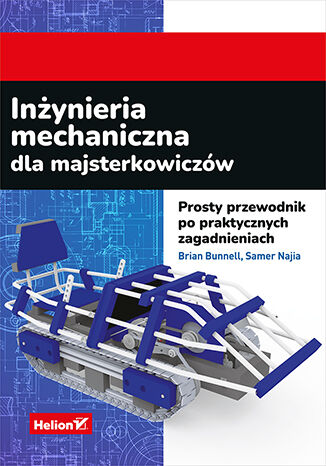
Inżynieria mechaniczna dla majsterkowiczów. Prosty przewodnik po praktycznych zagadnieniach
Brian Bunnell, Samer Najia
Majsterkowiczów wyróżnia ciekawość. Pasjonuje ich wyjaśnianie, jak działają poszczególne obiekty, i praktyczne zastosowanie wiedzy w coraz to ambitniejszych projektach. Bogatym źródłem inspiracji dla wszystkich złotych rączek jest inżynieria mechaniczna. Przydaje się również odrobina wiedzy o prawidłach fizyki i matematyki. Można ją zdobyć podczas lektury trudnych podręczników akademickich albo na wyczerpujących studiach inżynierskich. Nie jest to jednak droga dla każdego pasjonata czy amatora. Oto pozycja adresowana specjalnie do majsterkowiczów, którzy chcą poznać podstawowe zasady mechaniki, aby z powodzeniem kończyć swoje projekty. Znajdziesz w niej mnóstwo praktycznych informacji uzupełnionych elementami matematyki stosowanej, fizyki i inżynierii. Te dość trudne zagadnienia przedstawiono w bardzo zrozumiały, ciekawy i zabawny sposób, poprzez pokazanie praktycznego zastosowania opisywanych koncepcji. Zdobytą wiedzę wypróbujesz samodzielnie dzięki kilku projektom ― opisanym krok po kroku i bogato ilustrowanym. Do ich wykonania będziesz potrzebować jedynie powszechnie dostępnych, tanich materiałów i narzędzi. Z pewnością przydadzą Ci się również szczegółowe podpowiedzi, które sprawią, że wiele czynności wykonasz łatwiej i szybciej i unikniesz często popełnianych błędów. W książce znajdziesz: podstawy inżynierii mechanicznej podane specjalnie dla majsterkowiczów ciekawe informacje o różnorodnych materiałach, narzędziach i procesach wyjątkowo przydatne spostrzeżenia, wskazówki i ostrzeżenia przed błędami projekty do samodzielnego wykonania z użyciem tanich i powszechnych materiałów przystępne wyjaśnienia kluczowych koncepcji inżynierskich Mechanika - najlepsza przyjaciółka majsterkowicza!

Inżynieria odwrotna w praktyce. Narzędzia i techniki
Bruce Dang, Alexandre Gazet, Elias Bachaalany, Sébastien...
Inżynieria odwrotna pozwoli Ci na walkę z hakerami i rootkitami. Na użytkowników globalnej sieci czekają coraz wymyślniejsze pułapki. Każdego dnia grozi im zarażenie oprogramowaniem szpiegującym, rozsyłającym niechciane wiadomości lub wykorzystującym moc obliczeniową procesora do nieznanych celów. Wykrywanie tego typu zagrożeń i przeciwdziałanie im wymaga dogłębnej analizy niechcianego oprogramowania. Jak to zrobić? Na te i wiele innych pytań odpowiedzi dostarczy ta wspaniała książka! Dzięki niej zrozumiesz, jak działają procesory x86, x64 oraz ARM, zgłębisz tajniki jądra systemu Windows oraz poznasz najlepsze narzędzia, które wspomogą Cię w Twoich działaniach. W trakcie lektury kolejnych stron dowiesz się, jak korzystać z debuggera, jaką strukturę mają sterowniki oraz czym są pakiety żądań wejścia-wyjścia. Następnie dowiesz się, po co zaciemnia się kod oraz jakie narzędzia są do tego potrzebne. Techniką odwrotną do zaciemniania jest rozjaśnianie kodu. Zastanawiasz się, które narzędzia są skuteczniejsze? Przekonaj się sam! Ta pasjonująca lektura dostarczy Ci mnóstwo wiedzy na temat działania oprogramowania. Odkryj nowatorskie, usystematyzowane podejście do inżynierii zwrotnej oparte na analizie prawdziwego złośliwego oprogramowania. Poznaj szczegóły trzech najpopularniejszych architektur: x86, x64 i ARM. Zapoznaj się ze szczegółowo omówionymi zagadnieniami związanymi z jądrem systemu Windows oraz sterownikami działającymi w trybie jądra, które zostały opatrzone przykładowymi analizami prawdziwych rootkitów oraz ćwiczeniami. Opanuj skomplikowane techniki zaciemniania kodu takie jak te, które są stosowane w zabezpieczeniach mających postać maszyny wirtualnej. Dowiedz się jak analizować zabezpieczone programy. Odkryj zaawansowane techniki debugowania i automatyzacji, które przyśpieszą wykonywanie zadań związanych z inżynierią odwrotną. Przyjrzyj się jak profesjonaliści analizują programy. Zastosuj zdobytą wiedzę podczas samodzielnej analizy próbek prawdziwego złośliwego oprogramowania. Dowiedz się, jak działają exploity, wirusy, rootkity! Ich działanie można w pełni zrozumieć tylko poprzez inżynierię odwrotną...

Inżynieria oprogramowania. Jak zapewnić jakość tworzonym aplikacjom
Bogdan Bereza-Jarociński, Bolesław Szomański
Twórz rozwiązania najwyższej jakości! Ile kosztuje najwyższa jakość? Jak ją zapewnić? Jakie znaczenie ma bezpieczeństwo informacji? Inżynieria oprogramowania jest niezwykle obszerną dziedziną wiedzy, zajmującą się wszelkimi aspektami produkcji oprogramowania. Obejmuje zagadnienia takie, jak analiza, projektowanie czy też wdrożenie systemu informatycznego. Jeżeli kiedykolwiek spotkałeś się z oprogramowaniem miernej jakości, niewątpliwie na którymś z etapów jego produkcji pojawił się problem. Jak temu zapobiec? O tym właśnie traktuje ta książka. Dowiesz się z niej, jak unikać błędów, tak aby oprogramowanie, które wytworzysz, prezentowało najwyższą jakość! Poznasz podejście do kwestii jakości w czasach współczesnych oraz zobaczysz, jak temat ten był rozumiany wcześniej. Zdobędziesz wiedzę na temat miar używanych w inżynierii oprogramowania oraz najefektywniejszych metod i technik jego wytwarzania. Autor przedstawi Ci również narzędzia, które sprawią, że Twoje rozwiązania staną się jeszcze lepsze. Ponadto zobaczysz, jak ważne są tematy związane z bezpieczeństwem informacji. Warto podkreślić, że styl tej książki łączy lekkość i przyjemność lektury z poważną tematyką poruszanych w niej zagadnień. Jakość integralna Zarządzanie ryzykiem Zarządzanie procesami Cena jakości Spojrzenie na jakość wczoraj, dziś i jutro Zarządzanie jakością Socjologiczne i antropologiczne podejście do jakości Certyfikacja w inżynierii oprogramowania Najlepsze metody oraz techniki Dostępne narzędzia, automatyzacja testów Istota bezpieczeństwa informacji Spraw, aby Twoje aplikacje były najwyższej jakości!
Inżynieria oprogramowania według Google. Czego warto się nauczyć o tworzeniu oprogramowania
Titus Winters, Tom Manshreck, Hyrum Wright
Inżynieria oprogramowania jest pojęciem znacznie szerszym od kodowania: oznacza wszystkie niezbędne narzędzia i procesy stosowane przez organizację do tworzenia oprogramowania. To daje możliwość zachowania wartości kodu w dłuższej perspektywie czasu i pozwala ustanowić bardziej rygorystyczne zasady tworzenia oprogramowania, a dzięki temu sam kod jest podatniejszy na zmiany. Innymi słowy, inżynieria oprogramowania polega na optymalnym integrowaniu i organizowaniu tworzenia aplikacji ― od koncepcji, poprzez tworzenie, wdrażanie i utrzymywanie, po jej wycofywanie. To nie jest podręcznik dla programistów. Celem autorów jest zaprezentowanie jedynej w swoim rodzaju perspektywy firmy Google, od lat rozwijającej trwały ekosystem oprogramowania, co pozwoliło zebrać pożyteczne wnioski dotyczące skali działalności i czasu jej trwania. W książce zwrócono uwagę na to, że proces tworzenia oprogramowania jest wysiłkiem zespołowym, omówiono najlepsze praktyki związane z utrzymywaniem bazy kodu o dużych rozmiarach i długim stażu, pokazano także narzędzia, które mogą się okazać przydatne w jej utrzymywaniu. Omówione tu zagadnienia uwzględniają doświadczenia, jakie typowy inżynier oprogramowania zdobywa w ramach swojej pracy, służą też wskazaniu różnorodnych sposobów rozwiązywania poszczególnych problemów. Najciekawsze zagadnienia: unikatowa kultura pracy w Google procesy i narzędzia stosowane w Google metody zwiększania odporności kodu na upływ czasu wpływ skali oprogramowania na organizację pracy inżynierów kompromisy w procesie podejmowania decyzji projektowych Piszesz kod? To ważne zadanie - bierz przykład z najlepszych!
Inżynieria promptów bez tajemnic. Sztuka kreatywnego generowania tekstów
Gilbert Mizrahi
Pojawienie się dużych modeli językowych, takich jak GPT-4 czy Gemini, okazało się prawdziwym przełomem w wielu branżach. Modele te potrafią generować znakomite teksty i prowadzić zaawansowane konwersacje. Z ich potencjału można czerpać poprzez odpowiednio sformułowane prompty. Aby więc w pełni skorzystać z możliwości modelu do wykonania konkretnego zadania, trzeba opanować sztukę pisania promptów. Na podstawie tej praktycznej książki nauczysz się pisać skuteczne prompty dla dużych modeli językowych. Dowiesz się, w jaki sposób mogą posłużyć do generowania opisów produktów, spersonalizowanych wiadomości e-mail, postów w mediach społecznościowych, a nawet tekstów beletrystycznych i poetyckich. Poznasz także zaawansowane techniki użycia, takie jak integracja dużych modeli językowych z innymi narzędziami i tworzenie chatbotów. Wszystkie opisane tu techniki przetestujesz, eksperymentując i optymalizując swoje rozwiązania. W efekcie zdobędziesz umiejętności, które pozwolą Ci wykonywać codzienne zadania szybciej i lepiej! Dzięki tej książce: poznasz różne typy promptów i ich zastosowania rozwiniesz umiejętności kreatywnego pisania, korzystając ze sztucznej inteligencji zdobędziesz zaawansowane umiejętności tworzenia i wdrażania chatbotów nauczysz się integrować duże modele językowe z innymi narzędziami poznasz zagadnienia etyczne i najlepsze praktyki związane ze sztuczną inteligencją Moc promptów w Twoich rękach ― twórz, inspiruj, zaskakuj!
Inżynieria systemów internetu rzeczy. Zagadnienia bezpieczeństwa i komunikacji
Jacek Wytrębowicz, Paweł Radziszewski, Krzysztof Cabaj
Celem publikacji jest przedstawienie zagadnień inżynierskich związanych z bezpieczeństwem i komunikacją w systemach IoT (Internet of Things), w tym w systemach WoT (Web of Things), przy czym termin WoT oznacza koncepcję budowy systemu informatycznego wykorzystującego protokół HTTP i powiązane z nim techniki. We wstępie omówiono komponenty wchodzące w skład systemów IoT, architekturę ich połączeń i wewnętrzną architekturę urządzenia IoT, będącego minikomputerem zespolonym z wybraną rzeczą, środowiskiem, zwierzęciem czy nawet z człowiekiem, terminologię definiowaną w różnych modelach referencyjnych systemów IoT, problemy konstrukcyjne wynikające ze specyfiki tych systemów i zagadnienia badawcze inspirowane tymi problemami. W rozdziale o bezpieczeństwie zawarto wprowadzenie podstawowych pojęć i skrótową prezentację rozwiązań stosowanych w tradycyjnych sieciach komputerowych. Uwypuklono zagrożenia specyficzne dla systemów IoT i techniki bezpieczeństwa dedykowane komponentom o ograniczonych zasobach obliczeniowych. Zaprezentowano także techniki bezpieczeństwa mogące znaleźć zastosowanie w budowie systemów WoT. Opis technik komunikacyjnych podzielono na trzy kolejne rozdziały poświęcone zagadnieniom warstwy aplikacji (identyfikacja urządzeń IoT, technologie WWW i protokoły wymiany wiadomości stosowane do budowy systemów IoT), warstwy sieci (protokół Internet w wersji szóstej - IPv6, protokół routingu) i warstwy łącza danych według modelu OSI/ISO (standardy sieci radiowych wykorzystywane do komunikacji między urządzeniami IoT i służące do podłączania tych urządzeń do internetu). Książka jest przeznaczona dla studentów i inżynierów zainteresowanych problematyką projektowania i implementowania systemów internetu rzeczy, a potencjalni odbiorcy powinni mieć podstawowe wykształcenie informatyczne i znajomość sieci komputerowych. Wiedza zawarta w opracowaniu pomoże czytelnikowi dokonywać właściwych wyborów projektowych z olbrzymiej liczby możliwych technik i standardów, pozwoli budować bezpieczne systemy i skróci czas potrzebny na prace koncepcyjne związane z budową nowych lub rozbudową istniejących systemów IoT.
Rahat Khanna, Sani Yusuf, Hoc Phan
Hybrid Apps are a promising choice in mobile app development to achieve cost-effectiveness and rapid development. Ionic has evolved as the most popular choice for Hybrid Mobile App development as it tends to match the native experience and provides robust components/tools to build apps. The Ionic Complete Developers course takes you on an end–to-end journey, empowering you to build real-time, scalable, and interactive mobile applications with the Ionic framework. Starting with an introduction to the Ionic framework to get you up and running, you will gradually move on to setting up the environment, and work through the multiple options and features available in Ionic to build amazing hybrid mobile apps. You will learn how to use Cordova plugins to include native functionality in your hybrid apps.You will work through three complete projects and build a basic to-do list app, a London tourist app, and a complete social media app. All three projects have been designed to help you learn Ionic at its very best. From setting up your project to developing on both the server side and front end, and best practices for testing and debugging your projects, you'll quickly be able to deliver high-performance mobile apps that look awesome.You will then hone your skills with recipes for cross-platform development. Integrating Ionic with Cordova will bring you native device features, and you will learn about the best modules from its ecosystem. Creating components and customizing the theme will allow you to extend Ionic. You'll see how to build your app to deploy to all platforms to make you a confident start-to-finish mobile developer.This Learning Path combines some of the best that Packt has to offer in one complete, curated package. It includes content from the following Packt products: [*] Getting Started with Ionic – by Rahat Khanna [*] Ionic by Example – by Sani Yusuf [*] Ionic Cookbook – by Hoc Phan
Ionic 2 Cookbook. The rich flavors of Ionic at your disposal - Second Edition
Hoc Phan
Developing real-time apps is the need of the hour, and apps that deal with humongous amounts of user data and real-time information that needs to be updated frequently are in high demand. Currently, one of the most popular frameworks for this task is Ionic Framework, which is undergoing a major makeover.This book will get you started with Ionic and help you create Angular 2 components that interact with templates. From there, you’ll work with Ionic components and find out how to share data efficiently between them. You’ll discover how to make the best use of the REST API to handle back-end services and then move on to animating the application to make it look pretty. You’ll learn to add in a local push notification in order to test the app. You’ll work with Cordova to support native functionalities on both iOS and Android. From there, you’ll get to grips with using the default themes for each platform as well as customizing your own. Finally, you’ll see how best to deploy your app to different platforms.This book will solve all your Ionic-related issues through dedicated recipes that will help you get the best out of Ionic.
Craig Clayton
Want to build iOS 12 applications from scratch with the latest Swift 4.2 language and Xcode 10 by your side? Forget sifting through tutorials and blog posts; this book is a direct route to iOS development, taking you through the basics and showing you how to put principles into practice. Take advantage of this developer-friendly guide and start building applications that may just take the App Store by storm!If you’re already an experienced programmer, you can jump right in and learn the latest iOS 12 features. For beginners, this book starts by introducing you to iOS development as you learn Xcode and Swift. You'll also study advanced iOS design topics, such as gestures and animations, to give your app the edge. You’ll explore the latest Swift 4.2 and iOS 12 developments by incorporating new features, such as the latest in notifications, custom-UI notifications, maps, and the recent additions in Sirikit. The book will guide you in using TestFlight to quickly get to grips with everything you need to get your project on the App Store.By the end of this book, you'll be ready to start building your own cool iOS applications confidently.
Ahmad Sahar, Craig Clayton
iOS 13 comes with features ranging from Dark Mode and Catalyst through to SwiftUI and Sign In with Apple. If you're a beginner and are looking to experiment and work with these features to create your own apps, then this updated fourth edition gets you off to a strong start. The book offers a comprehensive introduction for programmers who are new to iOS, covering the entire process of learning the Swift language, writing your own apps, and publishing them on the App Store. This edition is updated and revised to cover the new iOS 13 features along with Xcode 11 and Swift 5.The book starts with an introduction to the Swift programming language, and how to accomplish common programming tasks with it. You'll then start building the user interface (UI) of a complete real-world app, using the latest version of Xcode, and also implement the code for views, view controllers, data managers, and other aspects of mobile apps. The book will then help you apply the latest iOS 13 features to existing apps, along with introducing you to SwiftUI, a new way to design UIs. Finally, the book will take you through setting up testers for your app, and what you need to do to publish your app on the App Store.By the end of this book, you'll be well versed with how to write and publish apps, and will be able to apply the skills you've gained to enhance your apps.
Ahmad Sahar
If you're looking to work and experiment with powerful iOS 14 features such as widgets and App Clips to create your own apps, this iOS programming guide is for you. The book offers a comprehensive introduction for experienced programmers who are new to iOS, taking you through the entire process of learning the Swift language, writing your own apps, and publishing them on the App Store.Fully updated to cover the new iOS 14 features, along with Xcode 12 and Swift 5.3, this fifth edition of iOS 14 Programming for Beginners starts with an introduction to the Swift programming language and shows you how to accomplish common programming tasks with it. You'll then start building the user interface (UI) of a complete real-world app using the storyboards feature in the latest version of Xcode and implement the code for views, view controllers, data managers, and other aspects of mobile apps. The book will also help you apply iOS 14 features to existing apps and introduce you to SwiftUI, a new way to build apps for all Apple devices. Finally, you’ll set up testers for your app and understand what you need to do to publish your app on the App Store.By the end of this book, you'll not only be well versed in writing and publishing applications, but you’ll also be able to apply your iOS development skills to enhance existing apps.
Ahmad Sahar, Craig Clayton
With almost 2 million apps on the App Store, iOS mobile apps continue to be incredibly popular. Anyone can reach millions of customers around the world by publishing their apps on the App Store. iOS 15 Programming for Beginners is a comprehensive introduction for those who are new to iOS. It covers the entire process of learning the Swift language, writing your own app, and publishing it on the App Store.Complete with hands-on tutorials, projects, and self-assessment questions, this easy-to-follow guide will help you get well-versed with the Swift language to build your apps and introduce exciting new technologies that you can incorporate into your apps. You'll learn how to publish iOS apps and work with Mac Catalyst, SharePlay, SwiftUI, Swift concurrency, and much more.By the end of this iOS development book, you'll have the knowledge and skills to write and publish interesting apps, and more importantly, to use the online resources available to enhance your app development journey.
Ahmad Sahar, Ian Lockett
In a world with nearly 2 million apps on the App Store, the demand for skilled iOS developers has never been higher. iOS 17 Programming for Beginners, Eighth Edition is your gateway to this lucrative and dynamic field. This hands-on guide is tailored for those who are new to iOS and takes you on a journey from learning the Swift language to crafting your own app and seeing it thrive on the App Store.Our approach is hands-on and practical. Each chapter is designed to be a stepping stone in your development journey, providing step-by-step tutorials, real-life examples, and clear explanations of complex concepts. As you progress, you'll not only be skilled in Swift but also incorporate cutting-edge technologies into your apps. You'll learn how to publish your creations and harness the power of iOS 17 through a straightforward and easy to program example app divided into manageable parts.By the time you've completed this book, you'll possess the skills and knowledge to not only develop and publish captivating apps but also leverage online resources to continually enhance your app development prowess.
Ahmad Sahar
Want to turn your app idea into reality? iOS 18 Programming for Beginners is a guide that revolves around building a journal app, designed to teach you practical iOS development skills from the ground up. Through this approach, you'll gain hands-on experience with Xcode programming and progress through building a UI and filling it with functionality.Starting with the fundamentals of Swift 6, you'll learn how to construct user interfaces using storyboards and segues before diving into essential iOS concepts like table views, data handling, and map integration. The step-by-step tutorials guide you through key tasks such as persisting data with JSON, creating custom views, and integrating media into your apps. You’ll also discover how to enhance your apps using Apple Intelligence, incorporating machine learning and smart features to create cutting-edge iOS applications. The final chapters focus on crucial aspects of app development, including Swift Testing to ensure your app is robust, and submitting your app to the App Store—demystifying the journey from development to deployment.Whether you're a beginner or transitioning to iOS development, this guide will equip you with the skills needed to create and publish your own apps.
Erica Sadun
Najlepsze przepisy dla każdego dewelopera! iOS to jeden z najpopularniejszych systemów operacyjnych wykorzystywanych w urządzeniach mobilnych. Znajdziesz go we wszystkich sprzętach Apple — iPhone’ach, iPadach i iPodach. Różnorodność urządzeń gwarantuje Ci dużą liczbę użytkowników, ale z drugiej strony dostarcza wielu nowych wyzwań. Zastanawiasz się, jak poradzić sobie z codziennymi problemami, pojawiającymi się w trakcie tworzenia aplikacji dla iOS? W tej książce Erica Sadun - autorka bestsellerów i guru programowania na platformie iOS - umieściła wszystkie informacje potrzebne do tego, abyś jak najszybciej zaczął tworzyć znakomite aplikacje dla urządzeń mobilnych na iOS 5. Znajdziesz tu gotowy do natychmiastowego użycia i łatwy w rozbudowie kod źródłowy, co pozwoli Ci uniknąć konieczności szukania własnych rozwiązań metodą prób i błędów. Przykłady przygotowane i przetestowane przez autorkę dotyczą praktycznie każdej dziedziny programowania na platformie iOS, od tworzenia interfejsu użytkownika, poprzez kontrolery widoku, gesty i dotknięcia, aż do obsługi sieci oraz kwestii bezpieczeństwa. Opanowanie iOS 5 SDK, podstaw języka programowania Objective-C oraz cyklu życiowego tworzenia oprogramowania na platformie iOS Projektowanie i dostosowanie do własnych potrzeb interfejsu użytkownika przy użyciu modułu Interface Builder i języka Objective-C Organizowanie aplikacji za pomocą kontrolerów widoku, widoków i animacji, w tym najnowszego kontrolera widoku strony oraz własnych kontenerów Maksymalne wykorzystanie dotknięć i gestów oraz tworzenie własnych procedur rozpoznawania gestów Tworzenie od podstaw i używanie kontrolek Praca z technologiami Core Image i Core Text Implementacja w pełni wyposażonych widoków tabel, włącznie z edycją komórek, zmianą ich kolejności oraz stosowaniem własnych komórek Tworzenie magazynów zarządzanych danych, dodawanie, usuwanie, pobieranie i wyświetlanie danych Wyświetlanie komunikatów dla użytkownika w postaci okien dialogowych, pasków postępu, powiadomień lokalnych i typu push, okien typu Popover oraz polecenia ping Żądanie i obsługa informacji pochodzących od użytkowników Nawiązywanie połączenia z sieciami i usługami, obsługa uwierzytelniania oraz zarządzanie pobieraniem danych Instalacja aplikacji w urządzeniach iOS, przekazywanie aplikacji testerom wersji beta oraz do sklepu iTunes App Store Oto książka poświęcona programowaniu na platformie iOS, na którą czekałeś! Erica Sadun jest autorką bestsellerów oraz współautorką licznych książek o programowaniu. Opracowała dziesiątki aplikacji na platformę iOS, oferuje usługi konsultingowe w zakresie szybkiego tworzenia prototypów aplikacji. Jej artykuły są publikowane w wielu serwisach, między innymi Ars Technica, O’Reilly i LifeHacker. Obecnie regularnie publikuje w serwisie TUAW. Uzyskała tytuł doktora nauk informatycznych na Georgia Institute of Technology.
iOS 5. Programowanie. Receptury
Vandad Nahavandipoor
Gotowe rozwiązania i przykłady aplikacji dla urządzeń iPhone, iPad i iPod touch Szeroki wachlarz urządzeń mobilnych Apple sprawia, że łatwo jest dzięki nim dotrzeć do wielkiej liczby użytkowników. Z drugiej strony stawia jednak przed programistami nowe wyzwania - różne rozdzielczości ekranu i różne wyposażenie urządzeń to tylko niektóre z nich. Jak sobie poradzić z codziennymi problemami w trakcie tworzenia aplikacji dla iOS-a? Jeżeli znasz iOS SDK, dzięki tej książce nauczysz się stosować setki technik z zakresu tworzenia oprogramowania na platformie iOS oraz pokonasz wiele uciążliwych problemów, które pojawiają się podczas tworzenia aplikacji dla urządzeń iPhone, iPad i iPod touch. Dowiesz się, jak zaimplementować procedurę rozpoznawania gestów, odtwarzania plików audio i wideo oraz wybierania konkretnych kontaktów i grup z książki adresowej. Ponadto znajdziesz gotowe do wdrożenia przykłady, korzystające z wielowątkowości, geolokalizacji i aparatu fotograficznego. Książka ta jest idealną pozycją dla wszystkich osób tworzących oprogramowanie dla platformy iOS. Zawarte w niej przykłady zaoszczędzą Ci mnóstwo czasu. Ta inwestycja się opłaca! Używanie różnych podejść podczas tworzenia interfejsu użytkownika Tworzenie aplikacji wykorzystujących informacje o bieżącym położeniu urządzenia iOS Implementacje procedur rozpoznawania gestów Odtwarzanie plików audio i wideo oraz uzyskiwanie dostępu do biblioteki wbudowanej aplikacji Muzyka Pobieranie poszczególnych kontaktów i grup kontaktów z książki adresowej Określanie dostępności kamery w urządzeniu iOS oraz uzyskiwanie dostępu do biblioteki wbudowanej aplikacji Zdjęcia Tworzenie aplikacji wykorzystujących możliwość wielozadaniowości systemu iOS Stosowanie i obsługa trwałego magazynu danych w aplikacjach Używanie struktury Event Kit do zarządzania kalendarzami i wydarzeniami Wykorzystanie możliwości oferowanych przez strukturę Core Graphics Uzyskiwanie dostępu do informacji pochodzących z przyśpieszeniomierza i żyroskopu Wykorzystanie możliwości oferowanych przez usługę iCloud Zaoszczędź czasu dzięki pomocnym przykładom!
Jon Hoffman
This book follows a recipe-based approach that will heavily focus on the code and how to integrate the samples with the reader’s projects.Each recipe consists of one or more methods that you can put directly into your app and use. This book is ideal for developers that want to create network applications for the Apple OS X or iOS platforms. All examples are written in Objective-C using XCode as the IDE. Knowledge of Objective-C and X-Code is essential.
Dimitrios Tavlikos
The book is written in a recipe format with practical examples, allowing you to go directly to your topic of interest or follow topics throughout a chapter to gain an in-depth knowledge. There are also plenty of hints and best practices along the way. If you are a C#/.NET developer with no previous experience in iOS development or an Objective-C developer who wants to create complete iOS applications and deploy them to the App Store, then this book is ideal for you. No experience with Xamarin is needed.