
Bazy danych
Satya Shyam K Jayanty
SQL Server 2012 includes BI-specific features such as cube analytics, reporting-related features, multidimensional BI semantic models, and many more. This is a new addition that is of great use to Business Analysts, who can now build BI semantic models using the relational tables from the database engine rather than the dimensions from analysis services.Instant Microsoft SQL Server Analysis Services 2012 Cube Security is a practical, hands-on guide that provides clear, step-by-step recipes for getting started with cube security. As a Database Administrator and Data Architect, data security is of prime concern, and this book highlights the key concepts of securing cubes. By the end of this book, you will understand the SQL Server security model and how to effectively implement the same on the data platform.Security is paramount within a data platform, and thankfully, the issues surrounding data access can be fixed in the initial stages of its design. This allows you to avoid any breach of data access layers. The recipes in this book consist of the required ingredients to implement and administer OLAP & BI security management for your cubes. With this book, you will master the key aspects of implementing and managing security essentials and securing data layers.The recipes in this book incorporate best practice implementation, which include step-by-step instructions for creating models that implement security based on the currently logged on Windows user name or based on custom data passed to analysis services. The new BI platform features will help end users, business users, and technology users by providing a robust environment for IT, planning, budgeting, forecasting with scorecards, and reporting capabilities for the business users. These analytics will help end users to create a comprehensive management application to view the data with ease.
Andy Penver
Zestaw aplikacji Oracle jest wykorzystywany przez wiele znaczących przedsiębiorstw biznesowych oraz organizacji sektora publicznego na całym świecie. Oracle E-Business Suite jest najbardziej wszechstronnym zestawem zintegrowanych aplikacji dla dużych przedsiębiorstw, umożliwiającym podejmowanie lepszych decyzji, redukcję kosztów i zwiększanie wydajności. W tej książce pokazujemy, jak tworzyć rozmaite rozszerzenia stosując różne zestawy narzędzi. Zawiera ona szeroki wachlarz przykładów, jak krok po kroku rozwijać Oracle E-Business Suite Release 12 w wielu obszarach. Koncentrujemy się na personalizacji i tworzeniu w OA Framework integratora WebADI oraz wydawcy BI Publisher. W każdym z rozdziałów wyszczególniamy, jak poprawnie budować odpowiednie rozszerzenie, jednocześnie udostępniamy kompletny, w pełni przetestowany kod i skrypty do pobrania. Po każdym rozdziale Czytelnik będzie dobrze rozumiał, co należy czynić, by zacząć stosować omawiane narzędzia w dowolnej dziedzinie. Dla kogo jest ta książka? Ta książka jest dla każdego, kto chce się nauczyć tworzyć rozszerzenia w Oracle E-Business Suite. Okaże się bardzo przydatna, jeśli Czytelnik zajmuje się rozwijaniem lub wspieraniem wdrożeń E-Business Suite. Wszystkie zagadnienia są omawiane bardzo dokładnie, a doświadczenie techniczne wymagane od Czytelnika jest minimalne. Czego możemy się nauczyć? - Poznać architekturę wydania 12; system plików i gdzie należy umieszczać pliki. - Dowiedzieć się, jak personalizować strony struktury OA w Oracle E-Business Suite (EBS) - Zrozumieć architekturę strony OA Framework - Jak instalować JDeveloper z rozszerzeniem OA Extension oraz skonfigurować środowisko deweloperskie - Tworzenia stron OA Framework, wdrażania ich w Oracle E-Business Suite (EBS) i uruchamiania ich za pomocą tej aplikacji. - Jak korzystać z wydawcy BI Publisher do opracowywania, zarządzania oraz udostępniania dokumentów z zaa-wansowanym formatowaniem. - Jak skonfigurować swoją przeglądarkę i aplikacje MS Office do tworzenia i wdrażania integratorów do przekazywania danych do E-Business Suite.
Kellyn Gorman , Allan Hirt , Dave...
Microsoft SQL Server comes equipped with industry-leading features and the best online transaction processing capabilities. If you are looking to work with data processing and management, getting up to speed with Microsoft Server 2019 is key. Introducing SQL Server 2019 takes you through the latest features in SQL Server 2019 and their importance. You will learn to unlock faster querying speeds and understand how to leverage the new and improved security features to build robust data management solutions. Further chapters will assist you with integrating, managing, and analyzing all data, including relational, NoSQL, and unstructured big data using SQL Server 2019. Dedicated sections in the book will also demonstrate how you can use SQL Server 2019 to leverage data processing platforms, such as Apache Hadoop and Spark, and containerization technologies like Docker and Kubernetes to control your data and efficiently monitor it. By the end of this book, you'll be well versed with all the features of Microsoft SQL Server 2019 and understand how to use them confidently to build robust data management solutions.
Jay Gendron
Explore the world of Business Intelligence through the eyes of an analyst working in a successful and growing company. Learn R through use cases supporting different functions within that company. This book provides data-driven and analytically focused approaches to help you answer questions in operations, marketing, and finance. In Part 1, you will learn about extracting data from different sources, cleaning that data, and exploring its structure. In Part 2, you will explore predictive models and cluster analysis for Business Intelligence and analyze financial times series. Finally, in Part 3, you will learn to communicate results with sharp visualizations and interactive, web-based dashboards.After completing the use cases, you will be able to work with business data in the R programming environment and realize how data science helps make informed decisions and develops business strategy. Along the way, you will find helpful tips about R and Business Intelligence.
Inżynieria danych w praktyce. Kluczowe koncepcje i najlepsze technologie
Joe Reis, Matt Housley
Ze względu na gwałtowny rozwój inżynierii danych, jaki nastąpił w ciągu ostatniej dekady, wielu inżynierów oprogramowania, badaczy i analityków danych zaczęło odczuwać potrzebę kompleksowego spojrzenia na tę praktykę. Dzięki tej praktycznej książce zawierającej opis najlepszych technologii dostępnych w ramach frameworka cyklu życia inżynierii danych, dowiesz się, jak planować i budować systemy, które mają zaspokoić potrzeby Twojej organizacji i klientów. Autorzy, Joe Reis i Matt Housley, przeprowadzą Cię przez cykl życia inżynierii danych i pokażą, jak połączyć różne technologie chmurowe, aby spełnić potrzeby konsumentów danych w dolnej części strumienia przetwarzania. Dzięki lekturze tej książki dowiesz się, jak zastosować koncepcje generowania, pozyskiwania, orkiestracji, przekształcania, przechowywania i zarządzania danymi - kluczowe w każdym środowisku danych, niezależnie od wykorzystywanej technologii. Dzięki książce: Uzyskasz zwięzły przegląd całego środowiska inżynierii danych. Nauczysz się oceniać problemy inżynierii danych i stosować kompleksowe frameworki najlepszych praktyk. Dowiesz się jak przebić się przez szum marketingowy i wybrać odpowiednie technologie, architekturę danych i procesy? Nauczysz się wykorzystywać cykl życia inżynierii danych do zaprojektowania i zbudowania solidnej architektury. Poznasz mechanizmy zarządzania danymi i bezpieczeństwa w całym cyklu życia inżynierii danych. "Świat danych ewoluuje już od jakiegoś czasu. Najpierw byli projektanci. Następnie administratorzy baz danych. Potem CIO. Następnie architekci danych. Ta książka sygnalizuje kolejny krok w ewolucji i dojrzałości branży. Jest to lektura obowiązkowa dla każdego, kto uczciwie podchodzi do swojego zawodu i kariery". Bill Inmon, twórca hurtowni danych "Inżynieria danych w praktyce" to świetne wprowadzenie do branży przenoszenia, przetwarzania i obsługi danych. Gorąco polecam ją każdemu, kto chce być na bieżąco z inżynierią danych lub analizą oraz wszystkim osobom zajmującym się danymi, którzy chcą uzupełnić luki w swojej wiedzy". Jordan Tigani, założyciel i dyrektor generalny firmy MotherDuck oraz inżynier-założyciel i współtwórca firmy BigQuery

Inżynieria niezawodnych baz danych. Projektowanie systemów odpornych na błędy
Laine Campbell, Charity Majors
Informatyczna rewolucja dosięgła również systemy bazodanowe. Przez długi czas administrator bazy danych interesował się głównie wewnętrznymi mechanizmami bazy, optymalizacją zapytań czy analizą podsystemów składowania danych. Z kolei oprogramowaniem stron, infrastrukturą czy usługami sieciowymi zajmowali się zupełnie inni ludzie, pracujący w odmienny sposób. Nowe technologie wymuszają jednak zmianę sposobu pracy i myślenia. Trzeba położyć nacisk na automatyzację, inżynierię oprogramowania, ciągłą integrację i ciągłe udostępnianie. Poza tym trzeba zapewnić ochronę przetwarzanych danych - ich wartość i znaczenie wciąż szybko rosną. W tej praktycznej książce dokładnie wyjaśniono współczesne podejście do tworzenia architektury baz danych i ich eksploatacji. Jeśli chcesz stać się znakomitym inżynierem niezawodności baz danych, czyli DBRE (z Database Reliability Engineer), znajdziesz tu schemat zasad i praktyk projektowania, budowania i eksploatacji magazynów danych zgodnie z paradygmatami inżynierii niezawodności i kultury DevOps. Zapoznasz się z podstawowymi zagadnieniami z obszaru eksploatacji, z metodami utrwalania baz danych, nauczysz się stosować najważniejsze technologie skalowalnego i wydajnego składowania oraz pobierania danych z zachowaniem odporności na błędy. Dzięki temu szybko i skutecznie zajmiesz się architekturą i eksploatacją każdej nowoczesnej bazy. W książce między innymi: wprowadzenie do inżynierii niezawodności baz danych inżynieria infrastruktury i zarządzanie nią oceny ryzyka i strategie zarządzania bezpieczeństwem danych metody przechowywania, indeksowania i replikacji danych popularne wzorce architektoniczne rozproszonych baz danych praktyczne wykorzystanie zasad inżynierii niezawodności w organizacji Stań się znakomitym inżynierem niezawodności! Laine Campbell od 18 lat zajmuje się środowiskami produkcyjnymi baz danych i systemów rozproszonych o dużej skali. Obecnie jest starszym dyrektorem ds. inżynierii środowisk produkcyjnych w firmie Fastly. Charity Majors jest CEO i założycielką firmy honeycomb.io. Wcześniej zajmowała się eksploatacją należącej do Facebooka platformy Parse, gdzie zarządzała rozbudowanym zestawem replik baz MongoDB, a także bazami Redis, Cassandra i MySQL.
Jak analizować dane z biblioteką Pandas. Praktyczne wprowadzenie. Wydanie II
Daniel Y. Chen
Wprawny analityk potrafi się posługiwać zbiorami danych o wysokiej dynamice i różnorodności. Działanie to ułatwia biblioteka open source Pandas, która pozwala, przy użyciu języka Python, zrealizować niemal każde zadanie wymagające analizy danych. Pandas może pomóc w zapewnieniu wiarygodności danych, wizualizowaniu ich pod kątem efektywnego podejmowania decyzji i analizowaniu wielu zbiorów danych. Oto drugie, zaktualizowane i uzupełnione wydanie przewodnika po bibliotece Pandas. Dzięki tej przystępnej książce nauczysz się w pełni korzystać z możliwości oferowanych przez bibliotekę, nawet jeśli dopiero zaczynasz przygodę z analizą danych w Pythonie. Naukę rozpoczniesz z użyciem rzeczywistego zbioru danych, aby wkrótce rozwiązywać złożone problemy danologii, takie jak obsługa brakujących danych, stosowanie regularyzacji czy też używanie metod nienadzorowanego uczenia maszynowego do odnajdywania podstawowej struktury w zbiorze danych. Pracę z poszczególnymi zagadnieniami ułatwia to, że zostały one zilustrowane prostymi, ale praktycznymi przykładami. W książce: importowanie i eksportowanie danych, przygotowywanie ich zbiorów tworzenie wykresów za pomocą bibliotek matplotlib, seaborn i Pandas konwersja typów danych skalowanie operacji przetwarzania danych zaawansowane możliwości biblioteki Pandas powiązane z datami i czasem dopasowywanie modeli liniowych przy użyciu bibliotek statsmodels i scikit-learn Analizuj zbiory danych i odkrywaj ukrytą w nich wiedzę!
Java: Data Science Made Easy. Data collection, processing, analysis, and more
Richard M. Reese, Jennifer L. Reese, Alexey...
Data science is concerned with extracting knowledge and insights from a wide variety of data sources to analyse patterns or predict future behaviour. It draws from a wide array of disciplines including statistics, computer science, mathematics, machine learning, and data mining. In this course, we cover the basic as well as advanced data science concepts and how they are implemented using the popular Java tools and libraries.The course starts with an introduction of data science, followed by the basic data science tasks of data collection, data cleaning, data analysis, and data visualization. This is followed by a discussion of statistical techniques and more advanced topics including machine learning, neural networks, and deep learning. You will examine the major categories of data analysis including text, visual, and audio data, followed by a discussion of resources that support parallel implementation. Throughout this course, the chapters will illustrate a challenging data science problem, and then go on to present a comprehensive, Java-based solution to tackle that problem. You will cover a wide range of topics – from classification and regression, to dimensionality reduction and clustering, deep learning and working with Big Data. Finally, you will see the different ways to deploy the model and evaluate it in production settings.By the end of this course, you will be up and running with various facets of data science using Java, in no time at all.This course contains premium content from two of our recently published popular titles:- Java for Data Science- Mastering Java for Data Science
Język SQL. Przyjazny podręcznik. Wydanie II
Larry Rockoff
Najlepsze relacyjne bazy danych, takie jak Oracle czy MS SQL Server, są nierozłącznie związane z językiem SQL. Język ten stworzono po to, aby budować i użytkować bazy przechowujące ogromne ilości danych. Bez wątpienia SQL jest dość złożony, obejmuje wiele elementów i funkcji, jednak jego znajomość jest niezwykle ważna dla każdego, kto zajmuje się bazami danych, tworzy je czy nimi administruje. Również te osoby, które korzystają z narzędzi do raportowania w bazach danych, powinny przynajmniej dobrze zrozumieć podstawy tego języka. Niniejsza książka jest kolejnym wydaniem popularnego podręcznika, dzięki któremu zrozumiesz SQL, jego składnię i najważniejsze aspekty wykorzystywania. Poszczególne tematy zorganizowano w intuicyjny sposób, przedstawiając je w logicznej kolejności. Przykłady zastosowania języka dobrano tak, aby za pomocą małej próbki kodu umożliwić zrozumienie danej instrukcji SQL. W tym wydaniu zaktualizowano informacje o składni SQL stosowanej w Microsoft SQL Server 2016, MySQL 5.7 i Oracle 12c. Uzupełniono zagadnienia dotyczące logiki warunkowej, a także przedstawiono kilka nowych tematów, takich jak wspólne wyrażenia tablicowe czy wstawianie komentarzy do zapytań. Najważniejsze zagadnienia ujęte w książce: podstawowe informacje o relacyjnych bazach danych, składnia instrukcji SELECT i jej możliwości, agregacje danych i sum częściowych, stosowanie złączeń, podzapytań, widoków i logiki zbiorów, procedury składowane, aktualizacja danych i utrzymanie bazy, projektowanie baz danych i sposoby prezentacji danych. Poznaj SQL, a zrozumiesz bazy danych! Larry Rockoff jest ekspertem w dziedzinie języka SQL i analityki biznesowej. Specjalizuje się w stosowaniu narzędzi do raportowania w celu analizy danych znajdujących się w złożonych bazach danych. Ukończył studia MBA na Uniwersytecie Chicago. Jest autorem książek poświęconych językowi SQL i zastosowaniu oprogramowania Microsoft Access i Excel. Obecnie odpowiada za rozwój hurtowni danych oraz aplikacji służących do raportowania dla największej sieci aptek w USA.
Język SQL. Przyjazny podręcznik. Wydanie III
Larry Rockoff
SQL stanowi podstawowe narzędzie komunikowania się z relacyjnymi bazami danych. Jest to dość skomplikowany język o rozbudowanych możliwościach. Pozwala na pobieranie z bazy zestawów danych wyszukiwanych na podstawie wyrafinowanych kryteriów. Umożliwia też modyfikację zarówno danych, jak i struktury bazy, w której są gromadzone. To potężne narzędzie powinni znać nie tylko programiści baz danych, ale również specjaliści zajmujący się ich analizą, jednak zdobycie praktycznych umiejętności posługiwania się SQL często nastręcza trudności. To trzecie, poprawione i zaktualizowane wydanie praktycznego przewodnika po języku SQL i relacyjnych bazach danych. Przemyślana, uporządkowana struktura podręcznika sprzyja sprawnemu nabywaniu wiedzy i doskonaleniu umiejętności - pracę z nim ułatwiają przystępny sposób prezentowania materiału i czytelne, łatwe do zrozumienia przykłady kodu SQL. Bardzo przydatnym elementem książki są odniesienia do składni (dialektów SQL) stosowanych w trzech najpowszechniejszych bazach danych: Microsoft SQL Server 2019, MySQL 8.0 i Oracle 18c. W tym wydaniu pojawiło się szersze omówienie typowych zadań analitycznych, uzupełniono też informacje o zastosowaniu Excela do wizualnej prezentacji danych, opisano więcej przydatnych funkcji, a także zaktualizowano i ulepszono dodatkowe materiały edukacyjne. W książce między innymi: operacje na danych przy użyciu zapytań SQL funkcje i procedury składowane grupowanie i agregowanie danych projektowanie relacyjnych baz danych tworzenie zestawień danych przy użyciu arkuszy kalkulacyjnych praca z Microsoft SQL Server, MySQL i Oracle Chcesz się nauczyć SQL? Z tą książką zrobisz to bez problemu!
Anghel Leonard
jOOQ is an excellent query builder framework that allows you to emulate database-specific SQL statements using a fluent, intuitive, and flexible DSL API. jOOQ is fully capable of handling the most complex SQL in more than 30 different database dialects.jOOQ Masterclass covers jOOQ from beginner to expert level using examples (for MySQL, PostgreSQL, SQL Server, and Oracle) that show you how jOOQ is a mature and complete solution for implementing the persistence layer. You’ll learn how to use jOOQ in Spring Boot apps as a replacement for SpringTemplate and Spring Data JPA. Next, you’ll unleash jOOQ type-safe queries and CRUD operations via jOOQ’s records, converters, bindings, types, mappers, multi-tenancy, logging, and testing. Later, the book shows you how to use jOOQ to exploit powerful SQL features such as UDTs, embeddable types, embedded keys, and more. As you progress, you’ll cover trending topics such as identifiers, batching, lazy loading, pagination, and HTTP long conversations. For implementation purposes, the jOOQ examples explained in this book are written in the Spring Boot context for Maven/Gradle against MySQL, Postgres, SQL Server, and Oracle.By the end of this book, you’ll be a jOOQ power user capable of integrating jOOQ in the most modern and sophisticated apps including enterprise apps, microservices, and so on.
Julia for Data Science. high-performance computing simplified
Anshul Joshi
Julia is a fast and high performing language that's perfectly suited to data science with a mature package ecosystem and is now feature complete. It is a good tool for a data science practitioner. There was a famous post at Harvard Business Review that Data Scientist is the sexiest job of the 21st century. (https://hbr.org/2012/10/data-scientist-the-sexiest-job-of-the-21st-century).This book will help you get familiarised with Julia's rich ecosystem, which is continuously evolving, allowing you to stay on top of your game.This book contains the essentials of data science and gives a high-level overview of advanced statistics and techniques. You will dive in and will work on generating insights by performing inferential statistics, and will reveal hidden patterns and trends using data mining. This has the practical coverage of statistics and machine learning. You will develop knowledge to build statistical models and machine learning systems in Julia with attractive visualizations.You will then delve into the world of Deep learning in Julia and will understand the framework, Mocha.jl with which you can create artificial neural networks and implement deep learning.This book addresses the challenges of real-world data science problems, including data cleaning, data preparation, inferential statistics, statistical modeling, building high-performance machine learning systems and creating effective visualizations using Julia.
Krishna Shah
Unleash the full potential of Kibana—an indispensable tool for data analysts to seamlessly explore vast datasets, uncover key insights, identify trends and anomalies, and share results. This book guides you through its user-friendly interface, interactive visualizations, and robust features, including real-time data monitoring and advanced analytics, showing you how Kibana revolutionizes your approach to navigating and analyzing complex datasets.Starting with the foundational steps of installing, configuring, and running Kibana, this book progresses systematically to explain the search and data visualization capabilities for data stored in the Elasticsearch cluster. You’ll then delve into the practical details of creating data views and optimizing spaces to better organize the analysis environment. As you advance, you'll get to grips with using the discover interface and learn how to build different types of extensive visualizations using Lens.By the end of this book, you’ll have a complete understanding of how Kibana works, helping you leverage its capabilities to build an analytics and visualization solution from scratch for your data-driven use case.
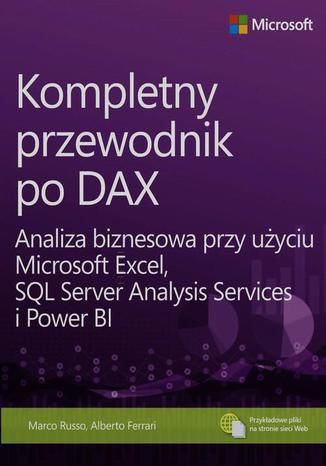
Alberto Ferrari, Marco Russo
Kompletny przewodnik po DAX to najbardziej wyczerpujący i autorytatywny podręcznik języka Microsoft DAX w zastosowaniach BI i analityce. Podczas gdy inne książki omawiają tylko podstawy, ten przewodnik zapewnia wiedzę na poziomie eksperckim potrzebnych średnio i wysoko zaawansowanym użytkownikom Excela i profesjonalistom BI, od podstaw po innowacyjne techniki wysokiej wydajności. Dwaj czołowi konsultanci i wykładowcy Microsoft BI przedstawiają język DAX poprzez realistyczne i przydatne przykłady, prezentujące typowe obliczenia pozwalające użytkownikom od razu uzyskiwać wyniki. Alberto Ferrari i Marco Russo rozjaśniają złożone zagadnienia pokazując czytelnikom, co się dzieje pod maską silnika DAX, gdy wykonywane są wyrażenia. Ferrari i Russo starannie przechodzą przez typowe scenariusze, w których działanie DAX może być trudne do zrozumienia; pokazują, jak optymalizować modele danych, aby wyrażenia DAX były szybko wykonywane; demonstrują, jak pisać szybki i odporny kod DAX; wyjaśniają, jak usuwać wąskie gardła z istniejącego kodu. Pokazują działanie DAX zarówno w środowisku SQL Server, jak i Microsoft Excel, ułatwiając pracę bez względu na to, którą platformę Microsoft BI preferuje czytelnik.
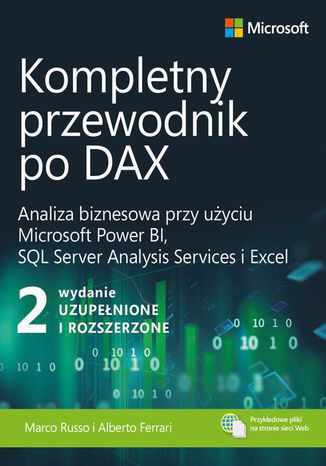
Alberto Ferrari, Marco Russo
WYDANIE DRUGIE uzupełnione i rozszerzone Najbardziej wyczerpujący przewodnik po języku DAX, obecnie rozszerzony i uzupełniony o najnowsze funkcje i nowoczesne zalecane praktyki, prezentujący opracowany w firmie Microsoft język na potrzeby analiz biznesowych i modelowania danych. Czołowi eksperci w dziedzinie Microsoft BI pomagają opanować wszystkie elementy systemu, od funkcji tablicowych po zaawansowany kod i optymalizację modelu. Dowiedz, co naprawdę dzieje się przy wykonywaniu poleceń DAX i jak użyć tej wiedzy do pisania szybkiego i niezawodnego kodu. Wydanie to skupia się na przykładach, które można budować i uruchamiać przy użyciu bezpłatnego narzędzia Power BI Desktop i pomaga wydobyć najwięcej korzyści ze składni zmiennych (VAR) w Power BI, Excelu lub Analysis Services. Pragniesz wykorzystać wszystkie możliwości języka ? To książka, której potrzebujesz. Wykonuj skuteczną analizę danych w programach Power BI, SQL Server i Excel Poznaj podstawowe koncepcje DAX, w tym kolumny obliczane, miary i obsługę błędów Wydajnie korzystaj z zaawansowanych funkcji tablicowych Opanuj istotę kontekstów wykonania oraz funkcje CALCULATE i CALCULATETABLE Wykonuj obliczenia czasowe i oparte na niestandardowych hierarchiach Korzystaj z grup obliczeń i elementów obliczanych Używaj składni zmiennych do tworzenia bardziej czytelnego, zrozumiałego kodu Wyrażaj różnorodne nietypowe relacje, w tym relacje wiele-do-wielu i filtry dwukierunkowe Opanuj zaawansowane techniki optymalizacyjne, aby zwiększyć wydajność agregacji Optymalizuj modele danych Mierz wydajność zapytań przy użyciu DAX Studio i dowiedz się, jak optymalizować kod DAX O tej książce Dla zaawansowanych użytkowników programu Excel oraz anlityków BI używających SQL Server Analysis Services lub Power BI O autorach Marco Russo i Alberto Ferrari są współzałożycielami strony sqlbi.com, w której regularnie publikują artykuły na temat Microsoft PowerPivot, DAX, Power BI oraz SQL Server Analysis Services. Występują też na głównych międzynarodowych konferencjach, takich jak TechEd, Ignite, PASS Summit czy SQLBits. Obydwaj wykładają teorię analizy biznesowej (BI) oraz technologie Microsoft BI począwszy od roku 1999. Książki ich autorstwa obejmują Excel 2013: Budowanie modeli danych przy użyciu PowerPivot, Analyzing Data with Power BI and Power Pivot for Excel oraz Introducing Microsoft Power BI.

Michał Kowalski
"Kontrola RODO krok po kroku" to kompleksowy przewodnik dla organizacji i osób odpowiedzialnych za ochronę danych osobowych. E-book wyjaśnia, jak przebiega postępowanie kontrolne, czego mogą spodziewać się podmioty kontrolowane oraz jakie obowiązki wynikają z przepisów RODO. Publikacja omawia także postępowania w sprawie naruszeń i wskazuje, jak skutecznie reagować, wykorzystując dostępne uprawnienia. Dzięki jasnym instrukcjom i praktycznym wskazówkom czytelnik zyskuje pewność w zarządzaniu procesem kontroli i ochroną danych.
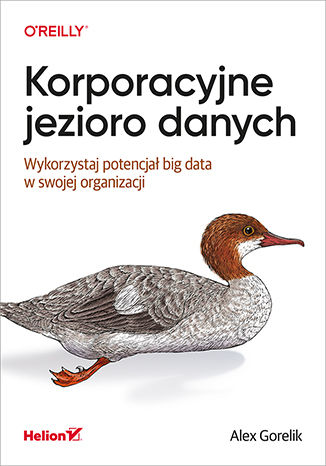
Korporacyjne jezioro danych. Wykorzystaj potencjał big data w swojej organizacji
Alex Gorelik
Koncepcja big data, nauka o danych i analityka danych wspomagają dziś procesy decyzyjne w przedsiębiorstwach w niespotykanym wcześniej zakresie. Zwiększają poziom efektywności pracy w wielu różnych branżach. Korporacje zaczęły więc eksperymenty z wykorzystaniem big data i technologii chmury, aby budować jeziora danych oraz tworzyć oparte na nich systemy podejmowania decyzji. Niejeden z tych projektów się nie powiódł, gdyż nie został dostosowany do kultury i potrzeb przedsiębiorstwa. Najwyraźniej zabrakło wiedzy, w jaki sposób skutecznie przeprowadzać tak radykalną transformację. Ta książka jest praktycznym przewodnikiem, który ułatwia wdrażanie architektury jeziora danych (ang. data lake) w przedsiębiorstwie. Omówiono tu różne podejścia do jej uruchamiania i rozwijania, w tym kałuże danych (analityczne piaskownice) i stawy danych (hurtownie danych), a także budowanie jezior danych od podstaw. Opisano konfigurowanie różnych stref, co pozwala na odpowiednie rozmieszczenie zarówno surowych, jak i starannie zarządzanych i przetworzonych danych. Wyjaśniono znaczenie zarządzania dostępem do stref. Zawarto tu również wskazówki umożliwiające zachowanie zgodności z regułami zarządzania danymi przedsiębiorstwa. W tej książce: wprowadzenie do hurtowni danych, big data i nauki o danych praktyczne techniki budowania jezior danych najlepsze praktyki dostarczania analitykom dostępu do danych projektowanie architektury jeziora danych oraz różne techniki implementacji zalety i wady różnych podejść do budowania magazynów danych i zarządzania nimi Jeziora danych i big data - ocean możliwości!
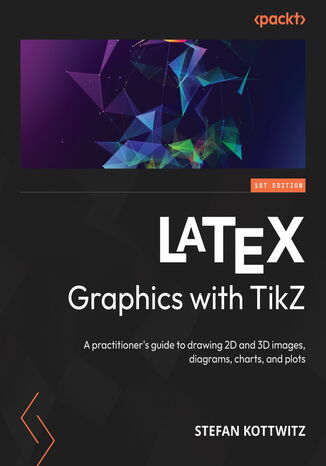
Stefan Kottwitz
In this first-of-its-kind TikZ book, you’ll embark on a journey to discover the fascinating realm of TikZ—what it’s about, the philosophy behind it, and what sets it apart from other graphics libraries. From installation procedures to the intricacies of its syntax, this comprehensive guide will help you use TikZ to create flawless graphics to captivate your audience in theses, articles, or books.You’ll learn all the details starting with drawing nodes, edges, and arrows and arranging them with perfect alignment. As you explore advanced features, you’ll gain proficiency in using colors and transparency for filling and shading, and clipping image parts. You’ll learn to define TikZ styles and work with coordinate calculations and transformations.That’s not all! You’ll work with layers, overlays, absolute positioning, and adding special decorations and take it a step further using add-on packages for drawing diagrams, charts, and plots.By the end of this TikZ book, you’ll have mastered the finer details of image creation, enabling you to achieve visually stunning graphics with great precision.
Doug Bierer
When it comes to managing a high volume of unstructured and non-relational datasets, MongoDB is the defacto database management system (DBMS) for DBAs and data architects. This updated book includes the latest release and covers every feature in MongoDB 4.x, while helping you get hands-on with building a MongoDB database app.You’ll get to grips with MongoDB 4.x concepts such as indexes, database design, data modeling, authentication, and aggregation. As you progress, you’ll cover tasks such as performing routine operations when developing a dynamic database-driven website. Using examples, you’ll learn how to work with queries and regular database operations. The book will not only guide you through design and implementation, but also help you monitor operations to achieve optimal performance and secure your MongoDB database systems. You’ll also be introduced to advanced techniques such as aggregation, map-reduce, complex queries, and generating ad hoc financial reports on the fly. Later, the book shows you how to work with multiple collections as well as embedded arrays and documents, before finally exploring key topics such as replication, sharding, and security using practical examples.By the end of this book, you’ll be well-versed with MongoDB 4.x and be able to perform development and administrative tasks associated with this NoSQL database.
Learn PostgreSQL. Build and manage high-performance database solutions using PostgreSQL 12 and 13
Luca Ferrari, Enrico Pirozzi
PostgreSQL is one of the fastest-growing open source object-relational database management systems (DBMS) in the world. As well as being easy to use, it’s scalable and highly efficient. In this book, you’ll explore PostgreSQL 12 and 13 and learn how to build database solutions using it. Complete with hands-on tutorials, this guide will teach you how to achieve the right database design required for a reliable environment.You'll learn how to install and configure a PostgreSQL server and even manage users and connections. The book then progresses to key concepts of relational databases, before taking you through the Data Definition Language (DDL) and commonly used DDL commands. To build on your skills, you’ll understand how to interact with the live cluster, create database objects, and use tools to connect to the live cluster. You’ll then get to grips with creating tables, building indexes, and designing your database schema. Later, you'll explore the Data Manipulation Language (DML) and server-side programming capabilities of PostgreSQL using PL/pgSQL, before learning how to monitor, test, and troubleshoot your database application to ensure high-performance and reliability.By the end of this book, you'll be well-versed with the Postgres database and be able to set up your own PostgreSQL instance and use it to build robust solutions.
Greg Deckler
To succeed in today's transforming business world, organizations need business intelligence capabilities to make smarter decisions faster than ever before. This updated second edition of Learn Power BI takes you on a journey of data exploration and discovery, using Microsoft Power BI to ingest, cleanse, and organize data in order to unlock key business insights that can then be shared with others.This newly revised and expanded edition of Learn Power BI covers all of the latest features and interface changes and takes you through the fundamentals of business intelligence projects, how to deploy, adopt, and govern Power BI within your organization, and how to leverage your knowledge in the marketplace and broader ecosystem that is Power BI. As you progress, you will learn how to ingest, cleanse, and transform your data into stunning visualizations, reports, and dashboards that speak to business decision-makers.By the end of this Power BI book, you will be fully prepared to be the data analysis hero of your organization – or even start a new career as a business intelligence professional.
Josephine Bush
SQL is a powerful querying language that's used to store, manipulate, and retrieve data, and it is one of the most popular languages used by developers to query and analyze data efficiently.If you're looking for a comprehensive introduction to SQL, Learn SQL Database Programming will help you to get up to speed with using SQL to streamline your work in no time. Starting with an overview of relational database management systems, this book will show you how to set up and use MySQL Workbench and design a database using practical examples. You'll also discover how to query and manipulate data with SQL programming using MySQL Workbench. As you advance, you’ll create a database, query single and multiple tables, and modify data using SQL querying. This SQL book covers advanced SQL techniques, including aggregate functions, flow control statements, error handling, and subqueries, and helps you process your data to present your findings. Finally, you’ll implement best practices for writing SQL and designing indexes and tables.By the end of this SQL programming book, you’ll have gained the confidence to use SQL queries to retrieve and manipulate data.
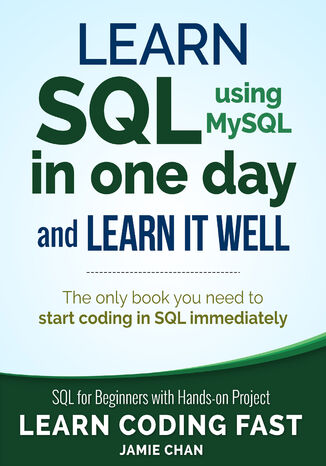
Learn SQL using MySQL in One Day and Learn It Well. SQL for beginners with Hands-on Project
Jamie Chan
Learn SQL (using MySQL) in One Day and Learn It Well is the ultimate guide for beginners aiming to grasp the complexities of SQL through hands-on learning. Starting with an introduction to the essence of databases, this book methodically advances through defining and manipulating tables, mastering data insertion, updates, deletions, and executing sophisticated data selection techniques across its comprehensive chapters. It further explores the creation and utility of views, the implementation of triggers to automate database responses, and the intricacies of variables, stored routines, control flow tools, and cursors, culminating in a capstone project that brings all concepts together.Culminating in a project , this book offers a unique opportunity to apply all the learned concepts in a practical, real-world scenario, reinforcing the skills and knowledge acquired throughout the chapters. The appendices provide additional resources including table definitions for practical exercises modeled on real-world scenarios.Embark on a learning journey that transitions you from novice to proficient in managing and querying databases with MySQL, empowering you with the skills to tackle real-world data challenges.
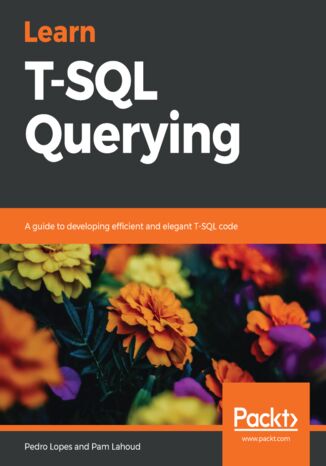
Learn T-SQL Querying. A guide to developing efficient and elegant T-SQL code
Pedro Lopes, Pam Lahoud
Transact-SQL (T-SQL) is Microsoft's proprietary extension to the SQL language used with Microsoft SQL Server and Azure SQL Database. This book will be a usefu to learning the art of writing efficient T-SQL code in modern SQL Server versions as well as the Azure SQL Database.The book will get you started with query processing fundamentals to help you write powerful, performant T-SQL queries. You will then focus on query execution plans and leverage them for troubleshooting. In later chapters, you will explain how to identify various T-SQL patterns and anti-patterns. This will help you analyze execution plans to gain insights into current performance, and determine whether or not a query is scalable. You will also build diagnostic queries using dynamic management views (DMVs) and dynamic management functions (DMFs) to address various challenges in T-SQL execution. Next, you will work with the built-in tools of SQL Server to shorten the time taken to address query performance and scalability issues. In the concluding chapters, this will guide you through implementing various features, such as Extended Events, Query Store, and Query Tuning Assistant, using hands-on examples.By the end of the book, you will have developed the skills to determine query performance bottlenecks, avoid pitfalls, and discover the anti-patterns in use.