
Biznes IT
Czy myśleliście kiedyś, w jaki sposób rozpocząć swój biznes w branży IT? Może już prowadzicie własną firmę i Chcecie, aby zaistniała ona w sieci? W tej kategorii znajdziecie książki, w których zawarty jest know-how związany z wieloma rodzajami działalności prowadzonych poprzez internet, czy w inny sposób związanych z nowoczesnymi technologiami w biznesie.
Znajdziecie informacje o systemach zarządzania informacjami o Klientach - popularnych CRM'ach, o zarządzaniu projektami IT, wykorzystaniu potencjału popularnych teraz portali społecznościowych do promocji swojej działalności, czy też poradniki, które pomogą Wam rozwinąć umiejętności pozatechniczne - równie ważne dla Waszych przedsięwzięć.

Funkcjonowanie e-biznesu. Zasoby, procesy, technologie
Maria Czajkowska, Maciej Malarski
W obecnych warunkach intensywnego rozwoju nowoczesnych technologii funkcjonowanie przedsiębiorstw zyskało nowe cechy i możliwości. Technologie obliczeniowe i elektronicznej wymiany informacji wielorako wpływają na sposoby działania firm. Z jednej strony stanowią narzędzia pomocne do usprawniania pracy przedsiębiorstw, z drugiej zaś mogą być podstawą do tworzenia nowych przedsięwzięć biznesowych. Wnioski zawarte w monografii ukazują konieczność pogłębiania wiedzy na temat zastosowania nowych technologii w zarządzaniu przedsiębiorstwem na wielu polach jego działalności. Uświadomienie sobie szans i zagrożeń, które pojawiają się wraz z nimi, zwiększa możliwości firm w walce konkurencyjnej.
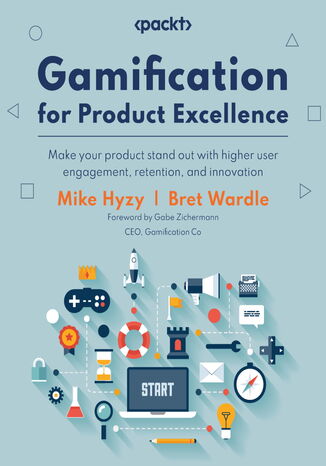
Mike Hyzy, Bret Wardle
Are you trying to build a product that your audience loves to use? Game mechanics and psychology have been used for decades to increase engagement, convert users to buyers, and increase audience retention. Learning when and where to implement these tools can take your product from the middle of the pack to a must-have!This book begins by helping you get a clear understanding of gamification, its key concepts, and how product managers can leverage it to drive user engagement in non-game scenarios. As you progress through the chapters, you’ll learn different gamification frameworks, mechanics, and elements with structured ways to implement them while designing a successful gamification strategy tailored to a business case. You'll get a chance to implement and test the designed strategy prototype with the users for feedback. You’ll also discover how to sell your strategy to stakeholders to get full buy-in from the top down, along with how to gamify your product development process to drive innovation, engagement, and motivation.By the end of this book, you'll be primed to harness the power of gamification, and will have benefited from proven case studies, best practices, and tips, ensuring you are well-equipped to apply gamification principles to your work as a product development professional.
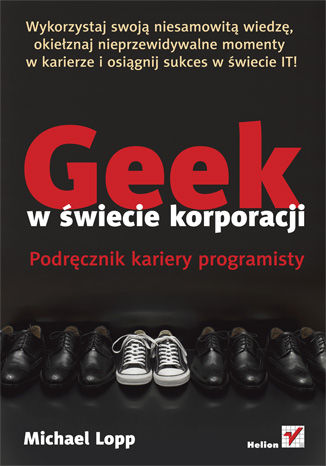
Geek w świecie korporacji. Podręcznik kariery programisty
Michael Lopp
Wykorzystaj swoją niesamowitą wiedzę, okiełznaj nieprzewidywalne momenty w karierze i osiągnij sukces w świecie IT! Jak zaplanować i realizować optymalną dla siebie ścieżkę rozwoju? Jak negocjować korzystne warunki swojej pracy i płacy? Jak współpracować z ludźmi o różnych typach osobowości? W umyśle geeka świat jest jak komputer- możliwy do zrozumienia i poznania oraz skończony. Życie jak każdy system da się opanować, wymaga to tylko odpowiedniej ilości czasu i wysiłku. Można zgłębić jego budowę i zrozumieć obowiązujące w nim reguły, a także otrzymać odpowiedź, co i jak należy robić, żeby odnieść pożądany sukces. Jednak choć w komputerze dołożenie dodatkowej pamięci zawsze w spodziewany sposób przyspiesza określone działania, tak w pełnym usterek życiu niestety nie zawsze się to sprawdza… Jak zatem zrobić karierę w świecie pełnym sytuacji niezgodnych z regułami, niemożliwych do zdefiniowania, niepasujących do struktury systemu, gdzie najczęstszym źródłem błędów okazują się ludzie, których nijak nie da się naprawić?! Jeśli przestało zadowalać cię samo pisanie kodu i pozycja eksperta w swojej dziedzinie, a zamarzyło Ci się stanowisko menedżera czy też kariera w większej firmie, musisz przygotować się na jeden pewnik - prędzej czy później trafisz na nieprzewidywalne zdarzenia, więc warto poznać reguły skutecznego stawiania im czoła. Oto zabawnie napisany podręcznik o robieniu poważnej kariery w świecie IT, napisany przez znanego amerykańskiego blogera Micheala Loppa — geeka z doświadczeniem w pracy dla takich firm, jak Apple, Netscape, Borland czy Symantec. Dzięki niemu nauczysz się, w jaki sposób podejmować najlepsze dla Twojej kariery decyzje i radzić sobie w czterdziestu zaskakujących sytuacjach, które dopadną Cię po drodze. Lopp omawia kompletny cykl zmiany pracy — od planowania kariery i rozmowy rekrutacyjnej, przez negocjowanie oferty, poznawanie firmy i współpracowników, aż po ostateczne uznanie, że pora poszukać czegoś nowego i bardziej rozwojowego. Dzięki tej książce nauczysz się między innymi, jak: dobierać pracodawcę, branżę i charakter pracy wybierać właściwy moment na zmianę pracy prześwietlać swojego przyszłego pracodawcę przejść z sukcesem przez rozmowę rekrutacyjną negocjować korzystne dla Ciebie warunki umowy pracować z ludźmi o różnych typach osobowości tworzyć i przedstawiać efektywne prezentacje poznać oczekiwania dyrektora wykonawczego radzić sobie z "kłamcami" i "ludźmi o niecnych zamiarach" zarządzać trudnym zespołem programistów Naucz się efektywnie współpracować z ludźmi i obracać wszelkie trudne sytuacje na swoją zawodową korzyść!
Josh Kalin
Developing Generative Adversarial Networks (GANs) is a complex task, and it is often hard to find code that is easy to understand.This book leads you through eight different examples of modern GAN implementations, including CycleGAN, simGAN, DCGAN, and 2D image to 3D model generation. Each chapter contains useful recipes to build on a common architecture in Python, TensorFlow and Keras to explore increasingly difficult GAN architectures in an easy-to-read format. The book starts by covering the different types of GAN architecture to help you understand how the model works. This book also contains intuitive recipes to help you work with use cases involving DCGAN, Pix2Pix, and so on. To understand these complex applications, you will take different real-world data sets and put them to use.By the end of this book, you will be equipped to deal with the challenges and issues that you may face while working with GAN models, thanks to easy-to-follow code solutions that you can implement right away.
Kailash Ahirwar
Generative Adversarial Networks (GANs) have the potential to build next-generation models, as they can mimic any distribution of data. Major research and development work is being undertaken in this field since it is one of the rapidly growing areas of machine learning. This book will test unsupervised techniques for training neural networks as you build seven end-to-end projects in the GAN domain.Generative Adversarial Network Projects begins by covering the concepts, tools, and libraries that you will use to build efficient projects. You will also use a variety of datasets for the different projects covered in the book. The level of complexity of the operations required increases with every chapter, helping you get to grips with using GANs. You will cover popular approaches such as 3D-GAN, DCGAN, StackGAN, and CycleGAN, and you’ll gain an understanding of the architecture and functioning of generative models through their practical implementation.By the end of this book, you will be ready to build, train, and optimize your own end-to-end GAN models at work or in your own projects.

Generatywne głębokie uczenie, wyd. II. Uczenie maszyn, jak malować, pisać, komponować i grać
David Foster
Generatywna sztuczna inteligencja (AI) jest dziś gorącym tematem w dziedzinie techniki. Ta praktyczna książka pokazuje inżynierom uczenia się maszyn, jak wykorzystywać TensorFlow i Keras, aby od zera tworzyć robiące wrażenie generatywne modele głębokiego uczenia, w tym wariacyjne autokodowanie (VAE), generatywne sieci przeciwstawne (GAN), transformery, przepływy normalizacyjne, modele oparte na energii i dyfuzyjne modele odszumiające. Książka zaczyna się od podstaw głębokiego uczenia i prowadzi do nowatorskich architektur. Dzięki wskazówkom i sztuczkom zrozumiesz, jak sprawić, aby nasze modele uczyły się bardziej skutecznie i stawały się bardziej kreatywne. - Dowiedz się, jak VAE pozwala zmienić wyraz twarzy na zdjęciu. - Naucz GAN generowania obrazów na podstawie własnego zbioru danych. - Zbuduj modele dyfuzyjne do tworzenia nowych odmian kwiatów. - Wyszkol swój własny GPT, aby generował tekst. - Dowiedz się jak są szkolone duże modele językowe jak ChatGPT. - Przeanalizuj najnowocześniejsze architektury jak StyleGAN2 i ViT-VQGAN - Skomponuj muzykę polifoniczną wykorzystując transformery i MuseGAN - Zrozum jak generatywne modele świata mogą rozwiązać zadania uczenia przez wzmacnianie. - Zanurz się w multimodalnych modelach jak DALL.E 2, Imagen i Stable Diffusion Książka ta analizuje także przyszłą generacyjną sztuczną inteligencję i sposób, w jaki ludzie i firmy mogą proaktywnie zacząć wykorzystywać tę niezwykłą nową technikę, aby zyskiwać przewagę konkurencyjną. "Generatywne głębokie uczenie to dostępne wprowadzenie do narzędzi głębokiego uczenia dla celów modelowania generatywnego. Jeśli jesteście kreatywnymi praktykami, kochającymi bawić się kodem i chcecie zastosować głębokie uczenie w swojej pracy, ta książka jest dla was." -David Ha Szef strategii, Stability AT "Doskonała książka, która zagłębia się wprost w podstawowe technik stanowiące aktualną wiedzę o generacyjnym głębokim nauczaniu. Jest to ekscytująca analiza jednej z najbardziej fascynujących dziedzin w ramach sztucznej inteligencji!" -Francois Chollet Twórca Keras
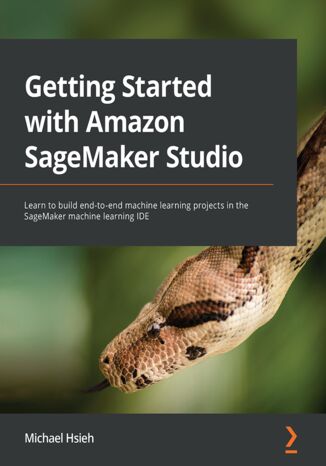
Michael Hsieh
Amazon SageMaker Studio is the first integrated development environment (IDE) for machine learning (ML) and is designed to integrate ML workflows: data preparation, feature engineering, statistical bias detection, automated machine learning (AutoML), training, hosting, ML explainability, monitoring, and MLOps in one environment.In this book, you'll start by exploring the features available in Amazon SageMaker Studio to analyze data, develop ML models, and productionize models to meet your goals. As you progress, you will learn how these features work together to address common challenges when building ML models in production. After that, you'll understand how to effectively scale and operationalize the ML life cycle using SageMaker Studio.By the end of this book, you'll have learned ML best practices regarding Amazon SageMaker Studio, as well as being able to improve productivity in the ML development life cycle and build and deploy models easily for your ML use cases.
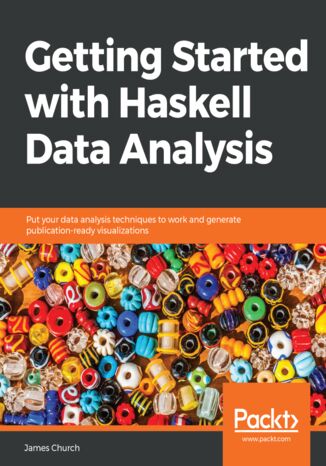
James Church
Every business and organization that collects data is capable of tapping into its own data to gain insights how to improve. Haskell is a purely functional and lazy programming language, well-suited to handling large data analysis problems. This book will take you through the more difficult problems of data analysis in a hands-on manner.This book will help you get up-to-speed with the basics of data analysis and approaches in the Haskell language. You'll learn about statistical computing, file formats (CSV and SQLite3), descriptive statistics, charts, and progress to more advanced concepts such as understanding the importance of normal distribution. While mathematics is a big part of data analysis, we've tried to keep this course simple and approachable so that you can apply what you learn to the real world.By the end of this book, you will have a thorough understanding of data analysis, and the different ways of analyzing data. You will have a mastery of all the tools and techniques in Haskell for effective data analysis.