
Robotyka
GitLab Quick Start Guide. Migrate to GitLab for all your repository management solutions
Adam O'Grady
Gitlab is an open source repository management and version control toolkit with an enterprise offering. This book is the ideal guide to GitLab as a version control system (VCS), issue management tool, and a continuous integration platform.The book starts with an introduction to GitLab, a walkthrough of its features, and explores concepts such as version control systems, continuous integration, and continuous deployment. It then takes you through the process of downloading and installing a local copy of the on-premise version of GitLab in Ubuntu and/or CentOS.You will look at some common work?ows associated with GitLab work?ow and learn about project management in GitLab. You will see tools and techniques for migrating your code base from various version control systems such as GitHub and SVN to GitLab.By the end of the book, you will be using Gitlab for repository management, and be able to migrate projects from other VCSs to GitLab.
Primož Gabrijelčič
Design patterns have proven to be the go-to solution for many common programming scenarios. This book focuses on design patterns applied to the Delphi language. The book will provide you with insights into the language and its capabilities of a runtime library.You'll start by exploring a variety of design patterns and understanding them through real-world examples. This will entail a short explanation of the concept of design patterns and the original set of the 'Gang of Four' patterns, which will help you in structuring your designs efficiently. Next, you'll cover the most important 'anti-patterns' (essentially bad software development practices) to aid you in steering clear of problems during programming. You'll then learn about the eight most important patterns for each creational, structural, and behavioral type. After this, you'll be introduced to the concept of 'concurrency' patterns, which are design patterns specifically related to multithreading and parallel computation. These will enable you to develop and improve an interface between items and harmonize shared memories within threads. Toward the concluding chapters, you'll explore design patterns specific to program design and other categories of patterns that do not fall under the 'design' umbrella.By the end of this book, you'll be able to address common design problems encountered while developing applications and feel confident while building scalable projects.
Jason Ventresco
This third edition of Implementing VMware Horizon 7.7 has been updated to get you up to speed with VMware Horizon 7.7 by showing you how to use its key features and deploying an end-user computing infrastructure for your own organization.The book begins by guiding you on how to deploy all the core requirements for a VMware Horizon infrastructure. It then moves on to show you how to provision and administer end-user computing resources using VMware Horizon. You’ll not only be able to deploy the core VMware Horizon features, but you’ll also be able to implement new features, such as the Just-in-Time Management Platform (JMP) and the Horizon Console. You’ll also focus on the latest features and components of the Horizon platform and learn when and how they are used.By the end of the book, you will have developed a solid understanding of how your organization can benefit from the capabilities VMware Horizon offers and how each of its components is implemented.
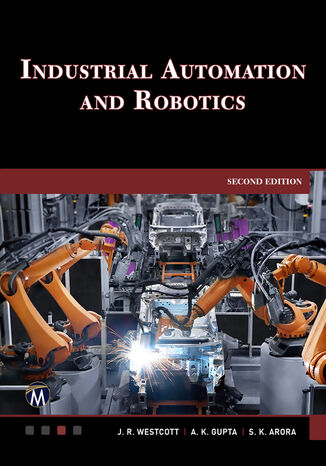
Industrial Automation and Robotics. A Comprehensive Guide to Automated Systems and Robotics
Mercury Learning and Information, Jean Riescher Westcott,...
This course offers an introduction to automation and robotics for industrial applications. It begins with essential concepts of hydraulics and pneumatics, explaining their roles in industrial automation. Next, it delves into circuits and their applications in hydraulic, pneumatic, and fluidic design. The latter part focuses on electric and electronic controls, ending with robotics, robotic programming, and their industrial applications. Understanding these concepts is crucial for anyone looking to work in automation, as they provide the foundation for designing and maintaining automated systems. The course covers everything from basic laws and principles to advanced topics like the use of UAVs and AI in industrial automation.Throughout the course, you'll explore real-world applications and see how these principles are applied in industry. This structured approach ensures you gain a comprehensive understanding, from fundamental concepts to advanced automation and robotics techniques, preparing you for a career in this dynamic field.
Marco Schwartz
If you are an experienced developer using classic Arduino boards and would like to extend your knowledge to the Intel Galileo board and polish your project building skills, this book is for you.
Pradeeka Seneviratne
Arduino is a small single-chip computer board that can be used for a wide variety of creative hardware projects. The hardware consists of a simple microcontroller, board, and chipset. It comes with a Java-based IDE to allow creators to program the board. Arduino is the ideal open hardware platform for experimenting with the world of the Internet of Things. This credit card sized Arduino board can be used via the Internet to make more useful and interactive Internet of things projects.Internet of Things with Arduino Blueprints is a project-based book that begins with projects based on IoT and cloud computing concepts. This book covers up to eight projects that will allow devices to communicate with each other, access information over the Internet, store and retrieve data, and interact with users—creating smart, pervasive, and always-connected environments. It explains how wired and wireless Internet connections can be used with projects and the use of various sensors and actuators. The main aim of this book is to teach you how Arduino can be used for Internet-related projects so that users are able to control actuators, gather data from various kinds of sensors, and send and receive data wirelessly across HTTP and TCP protocols.Finally, you can use these projects as blueprints for many other IoT projects and put them to good use. By the end of the book, you will be an expert in the use of IoT with Arduino to develop a set of projects that can relate very well to IoT applications in the real world.
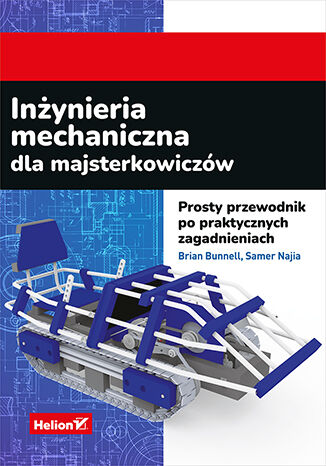
Inżynieria mechaniczna dla majsterkowiczów. Prosty przewodnik po praktycznych zagadnieniach
Brian Bunnell, Samer Najia
Majsterkowiczów wyróżnia ciekawość. Pasjonuje ich wyjaśnianie, jak działają poszczególne obiekty, i praktyczne zastosowanie wiedzy w coraz to ambitniejszych projektach. Bogatym źródłem inspiracji dla wszystkich złotych rączek jest inżynieria mechaniczna. Przydaje się również odrobina wiedzy o prawidłach fizyki i matematyki. Można ją zdobyć podczas lektury trudnych podręczników akademickich albo na wyczerpujących studiach inżynierskich. Nie jest to jednak droga dla każdego pasjonata czy amatora. Oto pozycja adresowana specjalnie do majsterkowiczów, którzy chcą poznać podstawowe zasady mechaniki, aby z powodzeniem kończyć swoje projekty. Znajdziesz w niej mnóstwo praktycznych informacji uzupełnionych elementami matematyki stosowanej, fizyki i inżynierii. Te dość trudne zagadnienia przedstawiono w bardzo zrozumiały, ciekawy i zabawny sposób, poprzez pokazanie praktycznego zastosowania opisywanych koncepcji. Zdobytą wiedzę wypróbujesz samodzielnie dzięki kilku projektom ― opisanym krok po kroku i bogato ilustrowanym. Do ich wykonania będziesz potrzebować jedynie powszechnie dostępnych, tanich materiałów i narzędzi. Z pewnością przydadzą Ci się również szczegółowe podpowiedzi, które sprawią, że wiele czynności wykonasz łatwiej i szybciej i unikniesz często popełnianych błędów. W książce znajdziesz: podstawy inżynierii mechanicznej podane specjalnie dla majsterkowiczów ciekawe informacje o różnorodnych materiałach, narzędziach i procesach wyjątkowo przydatne spostrzeżenia, wskazówki i ostrzeżenia przed błędami projekty do samodzielnego wykonania z użyciem tanich i powszechnych materiałów przystępne wyjaśnienia kluczowych koncepcji inżynierskich Mechanika - najlepsza przyjaciółka majsterkowicza!

Jak sztuczna inteligencja zmieni twoje życie
Marek Tłuczek
Poznaj podstawy i zastosowania sztucznej inteligencji Odkryj niesamowity świat AI Dowiedz się, jak powstała Zrozum, dokąd zmierza Sztuczna inteligencja staje się powoli nieodzownym składnikiem naszego życia. Przeszła długą drogę od modnego hasła pojawiającego się głównie w specjalistycznych publikacjach do technologii mającej realny wpływ na naszą codzienność. Z każdym dniem lepiej radzi sobie z coraz bardziej zaawansowanymi zadaniami, już nie tylko wygrywając mecze z arcymistrzami szachowymi, lecz również analizując ogromne zbiory danych, tłumacząc teksty, prowadząc samochody, rozpoznając ludzką mowę, przetwarzając obrazy, a nawet komponując muzykę i tworząc dzieła malarskie. Aby dogłębnie poznać szczegóły techniczne stojące za AI, trzeba dysponować pewną wiedzą informatyczną i sprawnie posługiwać się odpowiednim aparatem matematycznym. Na szczęście aby wkroczyć w świat sztucznej inteligencji i dowiedzieć się, co można dzięki niej zyskać, nie jest niezbędna żadna magia, wystarczy właściwy przewodnik! Jeśli chcesz to zrobić, dobrze trafiłeś! Ta publikacja pokaże Ci najciekawsze zastosowania AI i pomoże zrozumieć sposób działania tej technologii, a także spróbuje odpowiedzieć na pytanie, kiedy przekroczy ograniczenia swoich twórców. Być może zamierzasz zostać specjalistą od sztucznej inteligencji lub po prostu chcesz poznać podstawy tego zagadnienia. Jeśli tak, zrób pierwszy krok w tym kierunku! Historia sztucznej inteligencji Porównanie AI i ludzkiego mózgu Prawdopodobne scenariusze rozwoju AI Wykorzystanie AI w grach logicznych Rozpoznawanie mowy, języka pisanego i obrazu Medyczne zastosowania sztucznej inteligencji Wykorzystanie AI w autonomicznym transporcie Zagrożenia związane ze sztuczną inteligencją Nie czekaj! Już dziś poznaj technologię przyszłości! O książce i Autorze w mediach: Faktyczny Dom Kultury: Jak sztuczna inteligencja zmieni Twoje życie? Rozmowa Marka Tłuczka z Kamilem Bałukiem Radio Nowy Świat: Wywiad z autorem - prowadząca Katarzyna Kasia
Danny Staple, Kevin McAleer
Learn Robotics Programming, Third Edition, addresses a common challenge for developers, hobbyists, and newcomers: turning robotics ideas into building and programming real, functional robots. While many resources focus either on theory or isolated components, it can be difficult to bring together hardware, software, and intelligent behavior into a working robotic system.This book provides a structured, hands-on path to designing and building robots using Raspberry Pi and Python. You’ll start by assembling a mobile robot and setting up its core systems, then progressively add capabilities such as motor control, sensor integration, and remote operation through web interfaces. As you advance, you’ll implement vision and voice features using OpenCV and ML voice models and explore intelligent behaviors, including localisation and sensor fusion, to help your robot navigate and respond to its environment.By the end of the book, you’ll have built a fully functional robot and developed the skills to design, program, and extend your own robotic systems. Whether you are getting started or already have programming experience, you’ll learn how to combine hardware and software into cohesive solutions and apply practical techniques for creating responsive, intelligent robots.*Email sign-up and proof of purchase required
Kassandra Perch
There has been a rapid rise in the use of JavaScript in recent times in a variety of applications, and JavaScript robotics has seen a rise in popularity too. Johnny-Five is a framework that gives NodeBots a consistent API and platform across several hardware systems.This book walks you through basic robotics projects including the physical hardware builds and the JavaScript code for them. You'll delve into the concepts of Johnny-Five and JS robotics.You'll learn about various components such as Digital GPIO pins, PWM output pins, Sensors, servos, and motors to be used with Johnny-Five along with some advanced components such as I2C, and SPI. You will learn to connect your Johnny-Five robots to internet services and other NodeBots to form networks. By the end of this book, you will have explored the benefits of the Johnny-Five framework and the many devices it unlocks.
Samarth Shah, Serge Schneider
If you have a passion for technology and want to explore the world of Raspberry Pi, then this book provides you with all the tools and information you are looking for. Although being familiar with basic programming concepts is useful, you can still learn a lot from this book as a wide variety of topics are covered.
Alok Mani Tripathi
Robotic Process Automation (RPA) enables automating business processes using software robots. Software robots interpret, trigger responses, and communicate with other systems just like humans do. Robotic processes and intelligent automation tools can help businesses improve the effectiveness of services faster and at a lower cost than current methods.This book is the perfect start to your automation journey, with a special focus on one of the most popular RPA tools: UiPath.Learning Robotic Process Automation takes you on a journey from understanding the basics of RPA to advanced implementation techniques. You will become familiar with the UiPath interface and learn about its workflow. Once you are familiar with the environment, we will get hands-on with automating applications such as Excel, SAP, Windows and web applications, screen and web scraping, working with user events, and we'll cover exceptions and debugging. By the end of the book, you'll not only be able to build your first software robot, but you'll also wire it up to perform various automation tasks with the help of best practices for robot deployment.
Lentin Joseph
If you are an engineer, a researcher, or a hobbyist, and you are interested in robotics and want to build your own robot, this book is for you. Readers are assumed to be new to robotics but should have experience with Python.
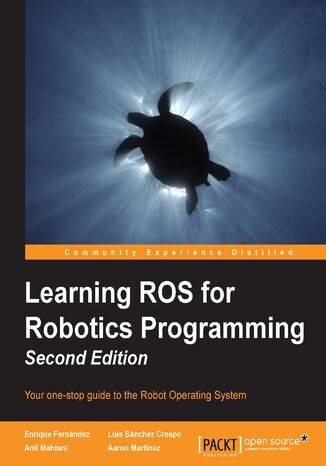
Anil Mahtani, Aaron Martinez
If you have ever tried building a robot, then you know how cumbersome programming everything from scratch can be. This is where ROS comes into the picture. It is a collection of tools, libraries, and conventions that simplifies the robot building process. What’s more, ROS encourages collaborative robotics software development, allowing you to connect with experts in various fields to collaborate and build upon each other's work.Packed full of examples, this book will help you understand the ROS framework to help you build your own robot applications in a simulated environment and share your knowledge with the large community supporting ROS.Starting at an introductory level, this book is a comprehensive guide to the fascinating world of robotics, covering sensor integration, modeling, simulation, computer vision, navigation algorithms, and more. You will then go on to explore concepts like topics, messages, and nodes. Next, you will learn how to make your robot see with HD cameras, or navigate obstacles with range sensors. Furthermore, thanks to the contributions of the vast ROS community, your robot will be able to navigate autonomously, and even recognize and interact with you in a matter of minutes.What’s new in this updated edition? First and foremost, we are going to work with ROS Hydro this time around. You will learn how to create, visualize, and process Point Cloud information from different sensors. This edition will also show you how to control and plan motion of robotic arms with multiple joints using MoveIt! By the end of this book, you will have all the background you need to build your own robot and get started with ROS.
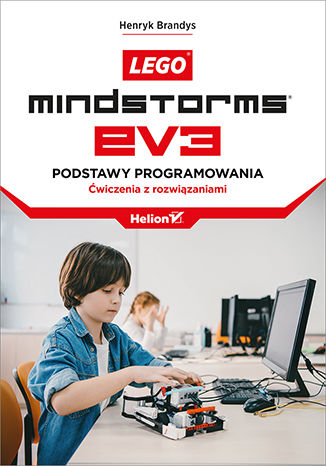
LEGO Mindstorms EV3. Podstawy programowania. Ćwiczenia z rozwiązaniami
Henryk Brandys
Zostań programistą robotów Lego(R) Mindstorms(R) EV3! Poznaj metody programowania Twórz rozwiązania mające zastosowania w praktyce Utrwal swoją wiedzę, rozwiązując zadania do samodzielnego wykonania Lego(R) Mindstorms(R) EV3 to spełnienie marzeń wszystkich uczniów o zacięciu inżynierskim. Bo któż z nas nie marzył kiedyś o zbudowaniu własnego robota, samobieżnego pojazdu, autonomicznie poruszającego się cyberzwierzątka, zegara cyfrowego czy mechanizmu wykonującego jakąś złożoną czynność? Któż nie chciał zasmakować satysfakcji, jaką daje nie tylko zbudowanie fizycznego modelu, lecz również całościowe oprogramowanie projektu? Może posiadasz Lego(R) Mindstorms(R) i nie wiesz, od czego zacząć swoją przygodę z tym zestawem? A może jesteś uczniem szkoły średniej bądź podstawowej i masz zajęcia z programowania robotów Lego? Albo jesteś po prostu hobbystą, który chciałby nauczyć się w pełni wykorzystywać możliwości swojego zestawu? Niezależnie od tego, jakiej odpowiedzi udzielisz, ta książka jest właśnie dla Ciebie! Wykonując krok po kroku poszczególne ćwiczenia, nauczysz się z poziomu komputera tak programować klocek EV3 (jednostkę sterującą), aby kierował układem złożonym z czujników oraz silników w założony przez Ciebie sposób. Twój robot będzie: wyświetlał na ekranie określone informacje generował dźwięki i komunikaty kontrolował sposób podświetlania przycisków pobierał dane z czujników i uzależniał od nich swoje działanie przeprowadzał obliczenia matematyczne wykonywał działania logiczne, podejmował decyzje precyzyjnie sterował pracą silników reagował na polecenia wydawane za pomocą pilota Wkrocz w pasjonujący świat mechatroniki!
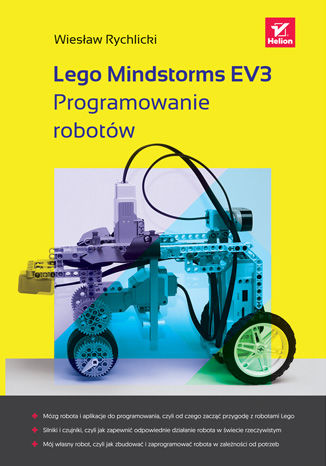
Lego Mindstorms EV3. Programowanie robotów
Wiesław Rychlicki
Mózg robota i aplikacje do programowania, czyli od czego zacząć przygodę z robotami LEGO Silniki i czujniki, czyli jak zapewnić odpowiednie działanie robota w świecie rzeczywistym Mój własny robot, czyli jak zbudować i zaprogramować robota w zależności od potrzeb Robotyka jest jedną z dziedzin szybko rozwijających się we współczesnym świecie. Roboty świetnie sprawdzają się w najróżniejszych warunkach, a umiejętność ich programowania jest coraz bardziej ceniona na rynku pracy. To wszystko prawda, ale nie można zapominać o tym, że programowanie robotów może także stanowić świetną zabawę. Zwłaszcza jeśli dotyczy to robotów LEGO MINDSTORMS! Nie trzeba być dzieckiem, by poczuć ekscytację związaną z samodzielnym zaprojektowaniem zachowań robota, który wykona wszystkie wymagane od niego czynności. A zatem — do dzieła! W tej książce znajdziesz wszystkie elementy niezbędne do rozpoczęcia pracy z LEGO MINDSTORMS. Jej autor pokaże Ci, jak działa kostka EV3 i jakie aplikacje możesz wykorzystać do programowania Twoich robotów. Poprowadzi Cię przez krainę danych liczbowych, operacji logicznych, arytmetycznych i innych, a także instrukcji sterujących. Zapozna Cię z możliwościami w zakresie tworzenia podprogramów i programowania wielowątkowego. Dzięki niemu poznasz silniki i czujniki oraz bloczki służące do ich programowania. Zobaczysz, jak można łączyć ze sobą kostki EV3, a potem przyjrzysz się trzem ulubionym robotom autora. To z pewnością zainspiruje Cię do wymyślania własnych konstrukcji LEGO i sterującego nimi oprogramowania! Mózg robota LEGO MINDSTORMS EV3 Zaczynamy programowanie w aplikacji LEGO MINDSTORMS EV3 Podstawowe operacje na danych Silniki i czujniki LEGO MINDSTORMS EV3 Programowanie wybranych konstrukcji robotów Budujemy własne roboty Pliki graficzne i dźwiękowe w zasobach aplikacji Edycja obrazów dla kostki EV3 i edycja dźwięków Programowanie muzyki na podstawie zapisu nutowego Rysowanie figur geometrycznych i konstrukcje Matematyczne podstawy sterowania pojazdem Sprawdź, jak ożywić Twoje LEGO!