
Bezpieczeństwo sieci
Bezpieczeństwo sieci komputerowych jest aktualnie ważnym, lecz coraz bardziej skomplikowanym zagadnieniem. Książki zebrane w tej kategorii przedstawiają praktycznie wszystkie jego aspekty. Nauczycie się implementacji bezpiecznych połączeń z wykorzystaniem szeregu różnych protokołów sieciowych, a także wykorzystywać protokół SSH do pracy na zdalnych systemach.
Opanujecie ponadto umiejętność konfiguracji tuneli VPN z wykorzystaniem protokołów SSL i IPSec. Dzięki wiedzy zawartej w tym dziale, nauczycie się skutecznie bronić przed włamaniami, atakami DDoS czy działaniom typu IP-spoofing.
Andrew Taylor
Microsoft Intune is a powerful cloud-managed mobile device management (MDM) tool that empowers you to manage your end-user device estate across various platforms. While it is an excellent platform, the initial setup and configuration can be a daunting process, and mistakes made early on can be more challenging to resolve later. This book addresses these issues by guiding you through the end-to-end configuration of an Intune environment, incorporating best practices and utilizing the latest functionalities.In addition to setting up your environment, you’ll delve into the Microsoft Graph platform to understand the underlying mechanisms behind the web GUI. This knowledge will enable you to automate a significant portion of your daily tasks using PowerShell.By the end of this book, you’ll have established an Intune environment that supports Windows, Apple iOS, Apple macOS, and Android devices. You’ll possess the expertise to add new configurations, policies, and applications, tailoring an environment to your specific requirements. Additionally, you’ll have the ability to troubleshoot any issues that may arise and package and deploy your company applications. Overall, this book is an excellent resource for anyone who wants to learn how to use Microsoft Intune to manage their organization's end-user devices.
Dwayne Natwick
Cloud technologies have made building a defense-in-depth security strategy of paramount importance. Without proper planning and discipline in deploying the security posture across Microsoft 365 and Azure, you are compromising your infrastructure and data. Microsoft Security, Compliance, and Identity Fundamentals is a comprehensive guide that covers all of the exam objectives for the SC-900 exam while walking you through the core security services available for Microsoft 365 and Azure.This book starts by simplifying the concepts of security, compliance, and identity before helping you get to grips with Azure Active Directory, covering the capabilities of Microsoft’s identity and access management (IAM) solutions. You'll then advance to compliance center, information protection, and governance in Microsoft 365. You'll find out all you need to know about the services available within Azure and Microsoft 365 for building a defense-in-depth security posture, and finally become familiar with Microsoft's compliance monitoring capabilities.By the end of the book, you'll have gained the knowledge you need to take the SC-900 certification exam and implement solutions in real-life scenarios.
Steve Miles, Junaid Mumtaz
As cyber threats continue to evolve, the demand for security analysts who can effectively detect, investigate, and respond effectively is higher than ever. Earning the SC-200 certification validates these in-demand skills—but preparing for the exam can be overwhelming without structured guidance. This exam guide simplifies complex security concepts to help you master Microsoft security technologies and take the SC-200 exam with confidence.Through real-world scenarios, hands-on labs, and expert insights, this book provides a practical, exam-focused approach to learning. You’ll explore threat detection, incident response, and proactive threat hunting while gaining in-depth knowledge of Microsoft Defender XDR’s integrated security capabilities, Sentinel’s SIEM and SOAR functionalities, and Defender for Cloud’s proactive protection measures. What’s more, it includes mock exams, practice questions, and exam tips to reinforce learning and enhance your exam readiness.By the end of this book, you’ll be able to apply Microsoft security best practices in real-world environments, analyze security incidents, implement detection strategies, and enhance security operations using Microsoft’s cutting-edge security tools—everything you need to become a certified Microsoft Security Operations Analyst.
Andrew J Plue
Microsoft System Center 2012 Endpoint Protection (previously known as Forefront Endpoint Protection 2012) protects client and server operating systems against threats with leading malware detection technologies. Built on Configuration Manager, it provides a unified infrastructure for client security and compliance management and Microsoft System Center 2012 Endpoint Protection Cookbook will help you get to grips with vital tasks for implementing this security tool.With the release of System Center 2012 Endpoint Protection, Microsoft is continuing its commitment to offering a cutting edge, enterprise- ready Anti-Virus solution. With its practical and easy to follow recipes, Microsoft System Center 2012 Endpoint Protection Cookbook fully prepares you for a simple, headache-free migration. This hands-on, practical cookbook will have you equipped with the knowledge to install and manage System Center 2012 Endpoint Protection like a pro in no time by following step by step recipes.You'll gain insight into a wide range of management tasks, such as building your SCEP infrastructure, deploying SCEP clients and building the perfect AV policies for your workstation and servers. You'll also benefit from a complete SCEP walk-through in a bonus appendix chapter.With Microsoft System Center 2012 Endpoint Protection Cookbook in hand, you will have the confidence to tackle essential tasks like deployment, policy and much more for SCEP.
Raghu Boddu, Rod Trent, Sami Lamppu
Tired of dealing with fragmented security tools and navigating endless threat escalations? Take charge of your cyber defenses with the power of Microsoft's unified XDR and SIEM solution.This comprehensive guide offers an actionable roadmap to implementing, managing, and leveraging the full potential of the powerful unified XDR + SIEM solution, starting with an overview of Zero Trust principles and the necessity of XDR + SIEM solutions in modern cybersecurity. From understanding concepts like EDR, MDR, and NDR and the benefits of the unified XDR + SIEM solution for SOC modernization to threat scenarios and response, you’ll gain real-world insights and strategies for addressing security vulnerabilities. Additionally, the book will show you how to enhance Secure Score, outline implementation strategies and best practices, and emphasize the value of managed XDR and SIEM solutions. That’s not all; you’ll also find resources for staying updated in the dynamic cybersecurity landscape.By the end of this insightful guide, you'll have a comprehensive understanding of XDR, SIEM, and Microsoft's unified solution to elevate your overall security posture and protect your organization more effectively.

Oleg Afonin, Vladimir Katalov
Investigating digital media is impossible without forensic tools. Dealing with complex forensic problems requires the use of dedicated tools, and even more importantly, the right strategies. In this book, you’ll learn strategies and methods to deal with information stored on smartphones and tablets and see how to put the right tools to work.We begin by helping you understand the concept of mobile devices as a source of valuable evidence. Throughout this book, you will explore strategies and plays and decide when to use each technique. We cover important techniques such as seizing techniques to shield the device, and acquisition techniques including physical acquisition (via a USB connection), logical acquisition via data backups, over-the-air acquisition. We also explore cloud analysis, evidence discovery and data analysis, tools for mobile forensics, and tools to help you discover and analyze evidence.By the end of the book, you will have a better understanding of the tools and methods used to deal with the challenges of acquiring, preserving, and extracting evidence stored on smartphones, tablets, and the cloud.

Timothy Speed, Darla Nykamp, Mari Heiser, Joseph...
The threat of hacking may be the most damaging on the internet. Mobile technology is changing the way we live, work, and play, but it can leave your personal information dangerously exposed. Your online safety is at risk and the threat of information being stolen from your device is at an all- time high. Your identity is yours, yet it can be compromised if you don't manage your phone or mobile device correctly.Gain the power to manage all your mobile devices safely. With the help of this guide you can ensure that your data and that of your family is safe. The threat to your mobile security is growing on a daily basis and this guide may just be the help you need.Mobile Security: How to Secure, Privatize, and Recover Your Devices will teach you how to recognize, protect against, and recover from hacking attempts and outline the clear and present threats to your online identity posed by the use of a mobile device.In this guide you will discover just how vulnerable unsecured devices can be, and explore effective methods of mobile device management and identity protection to ensure your data's security. There will be special sections detailing extra precautions to ensure the safety of family members and how to secure your device for use at work.

David Flores, Christian Adell, Josh VanDeraa, Eric...
As modern IT services and software architectures such as microservices rely increasingly on network performance, the relevance of networks has never been greater. Network observability has emerged as a critical evolution of traditional monitoring, providing the deep visibility needed to manage today’s complex, dynamic environments. In Modern Network Observability, authors David Flores, Christian Adell, and Josh VanDeraa share their extensive experience to guide you through building and deploying a flexible observability stack using open-source tools.This book begins by addressing the limitations of monolithic monitoring solutions, showing you how to transform them into a composable, flexible observability stack. Through practical implementations, you’ll learn how to collect, normalize, and analyze network data from diverse sources, build intuitive dashboards, and set up actionable alerts that help you stay ahead of potential issues. Later, you’ll cover advanced topics, such as integrating observability data into your network automation strategy, ensuring your network operations align with business objectives.By the end of this book, you'll be able to proactively manage your network, minimize downtime, and ensure resilient, efficient, and future-proof operations.
Monitoring i bezpieczeństwo sieci
Chris Fry, Martin Nystrom
Poznaj najskuteczniejsze metody obrony sieci korporacyjnych Jak stworzyć profesjonalny system kontroli zabezpieczeń? Jak utrzymać solidne źródła danych? Jak określić rodzaje zdarzeń niezbędne do wykrywania naruszeń reguł? Wszędobylskość i niesamowite możliwości współczesnych złośliwych programów sprawiają, że nikt dziś nie może polegać wyłącznie na oprogramowaniu antywirusowym — nawet jeśli jest ono wciąż aktualizowane. Z powodu ciągle zmieniającego się zagrożenia dla systemu informatycznego organizacji niezbędne stało się aktywne monitorowanie sieci. Autorzy tej książki proponują Ci taki właśnie nowoczesny, skuteczny system zabezpieczeń. Jeśli spróbujesz wdrożyć u siebie kilka z ich zaleceń, w znacznym stopniu podniesiesz bezpieczeństwo sieci korporacyjnej. Jeśli natomiast zrealizujesz wszystkie zalecenia, masz szansę stworzyć jeden z najlepszych na świecie systemów monitorujących! Zatem do dzieła! Książka "Monitoring i bezpieczeństwo sieci" zawiera zestaw wyjątkowych metod, służących do wykrywania incydentów w sieciach globalnych. Autorzy — eksperci do spraw bezpieczeństwa — najpierw podają elementy niezbędne do prowadzenia skutecznego monitorowania sieci, a następnie pokazują, jak stworzyć ukierunkowane strategie oraz wdrożyć pragmatyczne techniki ochrony. Z tego podręcznika dowiesz się, w jaki sposób definiować reguły dotyczące bezpieczeństwa, regulacji i kryteriów monitorowania. Nauczysz się zbierać informacje o infrastrukturze poddawanej obserwacji, wybierać cele i źródła monitorowania. Dzięki temu samodzielnie stworzysz niezawodny system kontroli zabezpieczeń! Implementowanie reguł monitorowania Rodzaje reguł Taksonomia sieci Wybieranie celów monitorowania Wybieranie źródeł zdarzeń Automatyczne monitorowanie systemów Telemetria sieci Zarządzanie adresami IP Zabezpiecz sieć — wykorzystaj najskuteczniejsze, nowoczesne metody monitorowania systemów informatycznych!
Alan S Wijntje
Monitoring increasingly complex IT environments can pose quite a challenge. Virtualization and cloud-based applications are finding their way into many IT estates over the world. Keeping a watchful eye out for your infrastructure is now more important than ever, and Opsview allows you to do just that.Monitoring with Opsview is a practical guide to the entire Opsview product range, consisting of various examples and screenshots to help you get up and running with Opsview. This book will show you the powerful features and modules available in Opsview, and will help you create an Opsview-based monitoring system suited for your needs.Starting with the installation of your own Opsview Core system, we will then go through the basic configuration followed by the various special features of the system, using practical examples to show how we can make use of these features. After covering the Core system, we will later look at the Pro and Enterprise offerings and how their additional features can benefit you.You will learn about the unique features of Opsview like viewing (and interacting with) your IT estate from mobile devices like smartphones and tablets, creating special views with keywords, and using templates for fast configurations. From there, we will move on to the Pro and Enterprise systems, looking at the powerful modules available like distributed monitoring and reporting, and finishing it all off with a discussion of the eye-catching dashboards.Monitoring with Opsview will show you the power of the Opsview system, keywords, attributes, dashboards, and all the tools you need to get that single view into your entire IT estate.

Mroczne odmęty phishingu. Nie daj się złowić!
Christopher Hadnagy, Michele Fincher, Robin Dreeke (Foreword)
Ofensywne i defensywne strony ataków e-mailowych Ataki za pomocą specjalnie spreparowanych wiadomości e-mail stały się jednym z najczęstszych i najbardziej uciążliwych zagrożeń. Mimo kampanii edukacyjnych i szeroko zakrojonych programów bezpieczeństwa phishing wciąż jest niezwykle skuteczną bronią przestępców. Jest tak, gdyż wykorzystuje odruchy, którymi kieruje się znakomita większość ludzi. Aby więc ochronić się przed atakiem, trzeba poznać zarówno podstawy ataków e-mailowych, jak i pewnych zasad psychologii i metod manipulacji ludzkim postępowaniem. Trzymasz w ręku świetny przewodnik po mrocznym świecie phishingu. Opisano tu formy tego rodzaju ataków, przedstawiono sposoby rozpoznawania fałszywych wiadomości e-mail czy sklonowanych stron internetowych. Omówiono również socjotechniczne aspekty phishingu, dzięki czemu lepiej zrozumiesz psychologiczne mechanizmy rządzące postępowaniem ofiary. Po lekturze tej książki będziesz również wiedział, jak udoskonalić firmowy system bezpieczeństwa, aby skutecznie odpierać ataki e-mailowe — nawet te bardzo wyrafinowane! W tej książce: opis słynnych włamań dokonanych za pomocą spreparowanych e-maili analiza celów ataku i korzyści, jakie osiągają atakujący psychologiczne i socjologiczne podstawy phishingu analiza przyczyn nieskuteczności firmowych programów budowania świadomości bezpieczeństwa informacji metody rozpoznawania ataków metody ochrony systemu informatycznego przed phishingiem Nie daj się złapać na haczyk! Strzeż swego bezpieczeństwa! Christopher Hadnagy jest założycielem spółki Social-Engineer. Od ponad 15 lat zajmuje się kwestiami bezpieczeństwa informacji. Specjalizuje się w badaniu socjotechnicznych metod zdobywania nieuprawnionego dostępu do informacji. Wzięty autor i aktywny uczestnik wielu konferencji. Michele Fincher jest behawiorystką, badaczką i ekspertką w dziedzinie bezpieczeństwa informacji. Pracowała dla Sił Powietrznych USA, gdzie zajmowała się bezpieczeństwem informacji, włączając w to wykłady w Air Force Academy. Obecnie przyczynia się do sukcesu firmy Social-Engineer.
Nate Chamberlain, Peter Rising
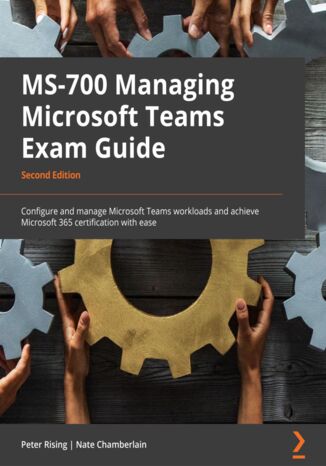
MS-700 Managing Microsoft Teams Exam Guide, Third Edition provides a thorough exploration of Microsoft Teams administration, charting a clear pathway to mastering deployment, management, and optimization within the Microsoft 365 ecosystem. Devoted to empowering users to harness the full potential of Microsoft 365 tools, Nate Chamberlain draws from his extensive experience as a Microsoft Certified Trainer and Project Management Professional, to infuse this guide with educational insights into Microsoft Teams administration.This edition equips you with the latest features and essential knowledge to navigate the Teams admin center and use PowerShell for comprehensive management. This guide instills confidence for the MS-700 certification exam while serving as a handy reference for daily administration. Through concise chapters, you'll uncover Teams policies, essential settings, and configuration nuances crucial for any Teams administrator. Complex concepts are distilled into actionable strategies and best practices, preparing you for real-world challenges in deploying and managing Teams. It also includes web-based exam prep resources like mock exams, interactive flashcards, and valuable exam tips.By the end of this book, you’ll be primed to excel in the exam and advance in your role as a skilled Microsoft Teams administrator.
Peter Rising, Nate Chamberlain
Exam MS-700: Managing Microsoft Teams tests your knowledge and competence in the deployment, management, and monitoring of Microsoft Teams features within the Microsoft 365 platform.This book will teach you how to effectively plan and implement the required services using both the Teams admin centre within Microsoft 365 and Windows PowerShell. Throughout the chapters, you'll learn about all the policies relating to messaging, teams, meetings, and more; get to grips with the settings; and explore configuration options that a Teams administrator would encounter in their day-to-day responsibilities. You'll also discover best practices for rolling out and managing Teams services for users within your Microsoft 365 tenant as you explore each objective in detail.By the end of this Microsoft Teams book, you'll have covered everything you need to pass the MS-700 certification exam and have a handy, on-the-job desktop reference guide.

Nagendra Kumar Nainar, Yoram Orzach, Yogesh Ramdoss
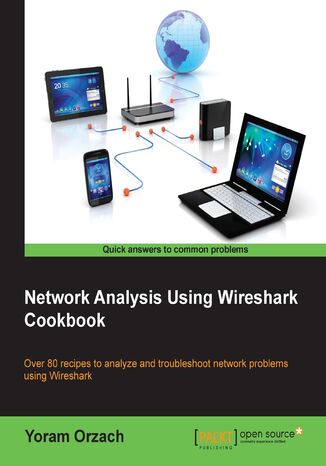
This book contains practical recipes on troubleshooting a data communications network. This second version of the book focuses on Wireshark 2, which has already gained a lot of traction due to the enhanced features that it offers to users. The book expands on some of the subjects explored in the first version, including TCP performance, network security, Wireless LAN, and how to use Wireshark for cloud and virtual system monitoring. You will learn how to analyze end-to-end IPv4 and IPv6 connectivity failures for Unicast and Multicast traffic using Wireshark. It also includes Wireshark capture files so that you can practice what you’ve learned in the book. You will understand the normal operation of E-mail protocols and learn how to use Wireshark for basic analysis and troubleshooting. Using Wireshark, you will be able to resolve and troubleshoot common applications that are used in an enterprise network, like NetBIOS and SMB protocols. Finally, you will also be able to measure network parameters, check for network problems caused by them, and solve them effectively. By the end of this book, you’ll know how to analyze traffic, find patterns of various offending traffic, and secure your network from them.
Yoram Orzach
Is your network slow? Are your users complaining? Disconnections? IP Telephony problems? Video freezes? Network analysis is the process of isolating these problems and fixing them, and Wireshark has long been the most popular network analyzer for achieving this goal. Based on hundreds of solved cases, Network Analysis using Wireshark Cookbook provides you with practical recipes for effective Wireshark network analysis to analyze and troubleshoot your network.Network analysis using Wireshark Cookbook highlights the operations of Wireshark as a network analyzer tool. This book provides you with a set of practical recipes to help you solve any problems in your network using a step-by-step approach.Network analysis using Wireshark Cookbook starts by discussing the capabilities of Wireshark, such as the statistical tools and the expert system, capture and display filters, and how to use them. The book then guides you through the details of the main networking protocols, that is, Ethernet, LAN switching, and TCP/IP, and then discusses the details of application protocols and their behavior over the network. Among the application protocols that are discussed in the book are standard Internet protocols like HTTP, mail protocols, FTP, and DNS, along with the behavior of databases, terminal server clients, Citrix, and other applications that are common in the IT environment.In a bottom-up troubleshooting approach, the book goes up through the layers of the OSI reference model explaining how to resolve networking problems. The book starts from Ethernet and LAN switching, through IP, and then on to TCP/UDP with a focus on TCP performance problems. It also focuses on WLAN security. Then, we go through application behavior issues including HTTP, mail, DNS, and other common protocols. The book finishes with a look at network forensics and how to search and find security problems that might harm the network.
Yoram Orzach, Deepanshu Khanna
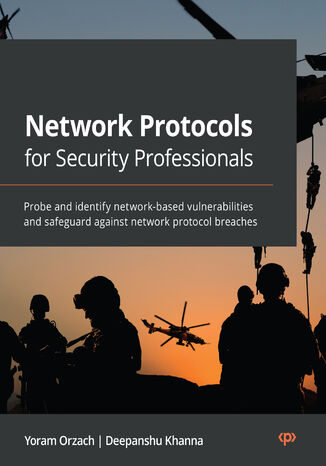
With the increased demand for computer systems and the ever-evolving internet, network security now plays an even bigger role in securing IT infrastructures against attacks. Equipped with the knowledge of how to find vulnerabilities and infiltrate organizations through their networks, you’ll be able to think like a hacker and safeguard your organization’s network and networking devices. Network Protocols for Security Professionals will show you how.This comprehensive guide gradually increases in complexity, taking you from the basics to advanced concepts. Starting with the structure of data network protocols, devices, and breaches, you’ll become familiar with attacking tools and scripts that take advantage of these breaches. Once you’ve covered the basics, you’ll learn about attacks that target networks and network devices. Your learning journey will get more exciting as you perform eavesdropping, learn data analysis, and use behavior analysis for network forensics. As you progress, you’ll develop a thorough understanding of network protocols and how to use methods and tools you learned in the previous parts to attack and protect these protocols.By the end of this network security book, you’ll be well versed in network protocol security and security countermeasures to protect network protocols.