
Informatyka
Eric Narro
While data analysts, data scientists, and BI experts have the tools to analyze data, build models, and create compelling visuals, they often struggle to translate these insights into practical, user-friendly applications that help end users answer real-world questions, such as identifying revenue trends, predicting inventory needs, or detecting fraud, without wading through complex code.This book is a comprehensive guide to overcoming this challenge. This book teaches you how to use Taipy, a powerful open-source Python library, to build intuitive, production-ready data apps quickly and efficiently. Instead of creating prototypes that nobody uses, you'll learn how to build faster applications that process large amounts of data for multiple users and deliver measurable business impact. Taipy does the heavy lifting to enable your users to visualize their KPIs, interact with charts and maps, and compare scenarios for better decision-making. You’ll learn to use Taipy to build apps that make your data accessible and actionable in production environments like the cloud or Docker.By the end of this book, you won’t just understand Taipy, you'll be able to transform your data skills into impactful solutions that address real-world needs and deliver valuable insights.*Email sign-up and proof of purchase required
Jonathan Bowen
Talend Open Studio for Data Integration (TOS) is an open source graphical development environment for creating custom integrations between systems. It comes with over 600 pre-built connectors that make it quick and easy to connect databases, transform files, load data, move, copy and rename files and connect individual components in order to define complex integration processes.Getting Started with Talend Open Studio for Data Integration illustrates common uses and scenarios in a simple, practical manner and, building on knowledge as the book progresses, works towards more complex integration solutions.TOS is a code generator and so does a lot of the heavy liftingù for you. As such, it is a suitable tool for experienced developers and non-developers alike. You'll start by learning how to construct some common integrations tasks ñ transforming files and extracting data from a database, for example. These building blocks form a toolkitù of techniques that you will learn how to apply in many different situations.By the end of the book, once complex integrations will appear easy and you will be your organization's integration expert!Best of all, TOS makes integrating systems fun!
Getting Started with Terraform. Infrastructure automation made easy
Kirill Shirinkin
Terraform is a tool used to efficiently build, configure, and improve production infrastructure. It can manage existing infrastructure as well as create custom in-house solutions. This book shows you when and how to implement infrastructure as a code practices with Terraform. It covers everything necessary to set up complete management of infrastructure with Terraform, starting with the basics of using providers and resources. This book is a comprehensive guide that begins with very small infrastructure templates and takes you all the way to managing complex systems, all using concrete examples that evolve over the course of the book. It finishes with the complete workflow of managing a production infrastructure as code – this is achieved with the help of version control and continuous integration. At the end of this book, you will be familiar with advanced techniques such as multi-provider support and multiple remote modules.
Getting Started with Terraform. Manage production infrastructure as a code - Second Edition
Kirill Shirinkin
Terraform is a tool used to efficiently build, configure, and improve the production infrastructure. It can manage the existing infrastructure as well as create custom in-house solutions. This book shows you when and how to implement infrastructure as a code practices with Terraform. It covers everything necessary to set up the complete management of infrastructure with Terraform, starting with the basics of using providers and resources. It is a comprehensive guide that begins with very small infrastructure templates and takes you all the way to managing complex systems, all using concrete examples that evolve over the course of the book. The book ends with the complete workflow of managing a production infrastructure as code—this is achieved with the help of version control and continuous integration. The readers will also learn how to combine multiple providers in a single template and manage different code bases with many complex modules. It focuses on how to set up continuous integration for the infrastructure code.The readers will be able to use Terraform to build, change, and combine infrastructure safely and efficiently.
Ricky Sun, Jason Zhang, Yuri Simione
Graph Query Language is becoming the go-to standard for graph databases, especially with its support for interconnected analytics and GenAI capabilities. This book comes from a team of industry veterans who know exactly how to break down the fundamental GQL concepts, graph terms, definitions, catalog systems, and everything that matters in actual work.You’ll get to grips with graph data types, value expressions, graph matching patterns, and modifying statements through practical GQL examples. Once you've got the basics down, you’ll tackle advanced GQL topics such as path modes, complex path matching patterns, shortest path queries, composite statements, session and transaction commands, and procedures. You’ll also learn to create extensions and understand the design of graph databases to solve industry issues. The authors cover techniques like property graphs to help you optimize your graph queries and offer insights into the future of GQL and graph technology.By the end of this book, you’ll confidently query and update graph data, run graph algorithms, create visualizations, and apply your learnings to a real-world use case of money flow analysis for assessing bank client behaviors and detecting transaction risks.*Email sign-up and proof of purchase required
Victor Quinn
The book is intended for software developers, DevOps engineers, and other professionals who make heavy use of the terminal in their daily workflow. Some familiarity with the terminal is useful but no prior experience with tmux or other terminal multiplexers (such as GNU Screen) is required.
Emanuele Palazzetti
If you are an Android developer who wants to learn how to use UDOO to build Android applications that are capable of interacting with their surrounding environment, then this book is ideal for you. Learning UDOO is the next great step to start building your first real-world prototypes powered by the Android operating system.
Francesco Sapio
Want to get started in the world of 2D game development with Unity? This book will take your hand and guide you through this amazing journey to let you know exactly what you need to build the games you want to build, without sacrificing quality. You will build a solid understanding of Unity 5.x, by focusing with the embedded tools to develop 2D games. In learning about these, along with accurate explanations and practical examples, you will design, develop, learn how to market and publish a delectable Tower Defense game about cupcakes versus pandas.Each chapter in this book is structured to give you a full understanding on a specific aspect of the workflow pipeline. Each of these aspects are essential for developing games in Unity. In a step-by-step approach, you will learn about each of the following phases: Game Design, Asset Importing, Scripting, User Interfaces, Animations, Physics, Artificial Intelligence, Gameplay Programming, Polishing and Improving, Marketing, Publishing and much more.This book provides you with exercises and homework at the end of each chapter so that you can level up your skills as a Unity game developer. In addition, each of these parts are centered on a common point of discussion with other learners just like you. Therefore, by sharing your ideas with other people you will not only develop your skills but you will also build a network.
Cedric Rajendran
This book is intended for server administrators and storage administrators who would like to successfully build and scale a VSAN-backed vSphere infrastructure. A basic understanding of vSphere concepts and storage fundamentals will be helpful.
Rob Manson
WebRTC delivers web-based real-time communication and is set to revolutionize our view of what the Web really is. Streaming audio and video from browser to browser, as well as opening raw access to the camera and microphone, is already creating a whole new dynamic web. WebRTC also introduces real-time data channels that will allow interaction with dynamic data feeds from sensors and other devices. This really is a great time to be a web developer!Getting Started with WebRTC provides all of the practical information you need to quickly understand what WebRTC is, how it works, and how you can add it to your own web applications. It includes clear working examples designed to help you get started building your own WebRTC-enabled applications right away.Getting Started with WebRTC will guide you through the process of creating your own WebRTC application that can be applied in a number of different real-world situations, using well documented and clearly explained code examples.You will learn how to quickly and easily create a practical peer-to-peer video chat application, an audio only call option, and how a Web-Socket-based signaling server can also be used to enable real-time text-based chat. You will also be shown how this same server and application structure can easily be extended to include simple drag-and-drop file sharing with transfer updates and thumbnail previews.
Craig Thomas Ellrod
This is a step-by-step, task-based, practical guide to learning and getting your basic XenDesktop 7.x site up and running. It is fast, easy, and makes learning desktop and application virtualization simple. If you are a system administrator, consultant, or beginner who wants to implement and administer Citrix XenDesktop sites, then this book is for you. Familiarity with virtualization of desktops and applications and datacenter concepts will be helpful. The ability to read network diagrams and understand servers, data flow, clients, devices, and the interworking of these pieces will be beneficial.
Getting Things Programmed. Droga do efektywności
Michał Bartyzel
Na pracę programisty składa się bardzo wiele zadań. Nawet jeżeli 90% czasu spędzamy na "klepaniu w klawiaturę", to w trakcie tych działań wykonujemy całą gamę najróżniejszych czynności. Sprawne sterowanie swoją uwagą, planowanie zadań czy umiejętność ich oszacowania to wiedza, której brakuje większości programistów. Często nie zdajemy sobie nawet sprawy z istnienia problemów spowalniających naszą pracę. W niniejszej książce Autor przedstawia bogaty wachlarz wyzwań stojących przed świadomym programistą. Nie poprzestaje na tym: wysuwa propozycje samodoskonalenia. Opisuje sprawdzone recepty pomagające zrozumieć codzienne problemy, rozbija je na czynniki pierwsze i przygotowuje do walki o lepszą organizację czasu. Maciej Aniserowicz, Programista i szkoleniowiec, twórca bloga devstyle.pl oraz podcasta devtalk.pl
David Álvarez Pérez
Ghidra, an open source software reverse engineering (SRE) framework created by the NSA research directorate, enables users to analyze compiled code on any platform, whether Linux, Windows, or macOS. This book is a starting point for developers interested in leveraging Ghidra to create patches and extend tool capabilities to meet their cybersecurity needs.You'll begin by installing Ghidra and exploring its features, and gradually learn how to automate reverse engineering tasks using Ghidra plug-ins. You’ll then see how to set up an environment to perform malware analysis using Ghidra and how to use it in the headless mode. As you progress, you’ll use Ghidra scripting to automate the task of identifying vulnerabilities in executable binaries. The book also covers advanced topics such as developing Ghidra plug-ins, developing your own GUI, incorporating new process architectures if needed, and contributing to the Ghidra project.By the end of this Ghidra book, you’ll have developed the skills you need to harness the power of Ghidra for analyzing and avoiding potential vulnerabilities in code and networks.
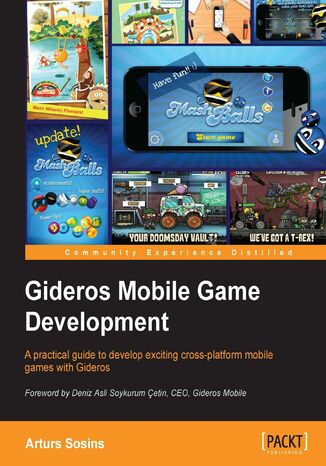
Arturs Sosins
Have you ever had an interesting idea for a mobile game? Have you ever wanted to jump on the mobile app bandwagon? Developing a mobile game has never been so fun and easy, and with the vast amount of smartphone users, it may also become a profitable thing to do. Gideros is a Lua-based framework that facilitates effortless native iOS and Android application development along with hardware acceleration. Gideros also comes with a built-in box2D physics engine and extended memory management features to make mobile game development a breeze.Gideros Mobile Game Development shows you how to develop an original and exciting game in Gideros, helping you create your very first project and guiding you through the configuration of settings and assets to help you target devices with different resolutions.This book teaches you everything you need to know about Gideros, from installing Gideros on your operating system to creating and efficiently managing your Gideros projects and creating your very first game, all with the help of well explained examples.You will learn how to quickly create game prototypes in Gideros, how to test and set up projects to automatically target devices with different resolutions, and how to polish your prototype with animations, sounds, tweens, and even physics to create your very first cross-platform game.By the end of this book, you will have learned everything you need to create visually stunning physics and exciting cross-platform games using Gideros.

Giełda. Poznaj podstawy i zacznij inwestować w papiery wartościowe
Krzysztof Kochan
Poznaj najważniejsze zasady obowiązujące na giełdzie Świat, a zatem także otoczenie rynkowe, w którym funkcjonują giełdy, zmienia się nieustannie. W XVII wieku europejskie spółki giełdowe zarabiały głównie na handlu cukrem i kawą, które docierały na Stary Kontynent z Ameryki. Na XIX-wiecznej giełdzie w USA królowały spółki kolejowe. Aktualnie warszawska Giełda Papierów Wartościowych umożliwia między innymi inwestowanie w firmy produkujące gry komputerowe i rozwiązania bazujące na sztucznej inteligencji. Czasy się zmieniają, jednak najważniejsze reguły rynku giełdowego pozostają stałe. I właśnie o nich opowiada ta książka. Poradnik jest przeznaczony dla osób początkujących, które zastanawiają się nad zainwestowaniem środków w papiery wartościowe. Można to zrobić za pośrednictwem rozmaitych instrumentów finansowych - autor omawia je wszystkie, a przy tym przedstawia szanse i zagrożenia, jakie wiążą się z poszczególnymi wyborami. Jeśli chcesz zrozumieć, jak działa giełda i od czego zależą wzrosty i spadki notowań spółek, a także poznać najważniejsze terminy, jakimi posługują się bywalcy rynków finansowych, i tajemnice skutecznych inwestorów - ten podręcznik będzie dla Ciebie idealny. Indeksy giełdowe Obligacje Akcje Instrumenty pochodne ETF-y Kontrakty terminowe Opcje Produkty strukturyzowane Analiza wykresów Ryzyko i dywersyfikacja Książka w mediach: Recenzja w Parkiet.com Qltura słowa- Bookstagram Recenzja w Books4Business - Bookstagram
GIMP. Ćwiczenia praktyczne. Wydanie II
Włodzimierz Gajda
Rysuj i retuszuj w GIMP-ie! Od czego zacząć, skąd wziąć GIMP i jak się nim posługiwać Co to są warstwy, jak obrabiać fragment zdjęcia i manipulować jego elementami Jak pisać, rysować, dodać tekst do obrazu i stworzyć własną grafikę GIMP to wspaniały, darmowy program do tworzenia grafiki rastrowej oraz jej obróbki. W wielu sytuacjach potrafi zastąpić drogiego Photoshopa, współpracuje z różnymi systemami operacyjnymi i obsługuje wszystkie najważniejsze formaty plików graficznych. Daje użytkownikom możliwość kadrowania, klonowania, zmiany tła, kolorystyki, nasycenia barw, pracy z warstwami, zaznaczania, wyostrzania, konwersji zdjęć z kolorowych na czarno-białe, tworzenia własnej grafiki i tekstu… czyli wszystko to, co zapewnić powinien przyzwoity program do retuszowania fotografii oraz komponowania własnych obrazów. Jeśli chcesz wykorzystać atuty GIMP-a, pora poznać jego interfejs i nauczyć się go używać. Najłatwiej zrobić to za pomocą praktycznych ćwiczeń, których mnóstwo znajdziesz w tej książce. Dowiesz się stąd, jak zainstalować i skonfigurować program, stosować narzędzia selekcji i pracować na warstwach. Odkryjesz, jak można zrobić szkic na podstawie zdjęcia, używać aerografu do malowania skopiowanymi obrazami i wstawiać oraz modyfikować ścieżki. Poznasz sposoby odbijania, obracania i skalowania obrazu, wielowymiarowej korekcji jego kolorystyki, poprawiania ostrości i usuwania zabrudzeń. Każde ćwiczenie zajmie Ci dosłownie parę minut. A efekt? Murowany! Podstawy pracy w GIMP-ie Selekcja Warstwy Narzędzia do rysowania Ścieżki Przekształcenia Korekta fotografii Wypróbuj GIMP-a i doceń go!
GIMP. Praktyczne projekty. Wydanie II
Włodzimierz Gajda
Poznaj darmowego konkurenta Photoshopa! Interfejs, przybornik i okna dialogowe, czyli jak zacząć pracę z programem Zmiana kolorów, skali i jasności fotografii, czyli co zrobić w pierwszej kolejności Zaznaczenia, warstwy i maski, czyli jak radykalnie poprawić jakość zdjęcia Program GIMP, służący do obróbki obrazów cyfrowych, nie jest tak popularny jak Photoshop, ponieważ wciąż niewiele osób wie, że jest równie potężny jak jego komercyjny odpowiednik. Jednak od niedawna z coraz większym impetem przebija się on do świadomości licznych miłośników poprawiania i przetwarzania zdjęć czy grafiki rastrowej. GIMP jest nie tylko znakomitej jakości, kompletną i bardzo użyteczną aplikacją, ale także poważnym zagrożeniem dla sztandarowego produktu firmy Adobe — ze względu na swoją dostępność oraz ogromne możliwości, obejmujące korekcję kolorów i jasności, pracę z warstwami, skalowanie, obracanie i mnóstwo filtrów. Jeśli szukasz programu, który nie obciąży Twojej kieszeni, a pozwoli na uzyskanie doskonałych rezultatów, GIMP będzie właściwym rozwiązaniem. Książka "GIMP. Praktyczne projekty. Wydanie II" to zbiór ponad 100 ćwiczeń, które pomogą Ci zrozumieć działanie programu i opanować jego narzędzia. Podczas każdego z nich będziesz pracować nad przykładowymi fotografiami, które znajdują się na płycie DVD dołączonej do tej książki, i poznasz kilkadziesiąt sposobów na poprawienie ich jakości. Autor wytłumaczy Ci, jak wykorzystywać warstwy i gradienty, kadrować i skalować, pracować ze ścieżkami i zaznaczeniami, rozmywać i wyostrzać obraz oraz dodawać fantazyjne napisy. W dodatku dostaniesz do dyspozycji i dowolnego (w tym komercyjnego) wykorzystania bazę około 3 tysięcy znakomitych zdjęć. Przybornik i okna dialogowe Tekst i praca z warstwami Modyfikacja kolorów i rozjaśnianie fotografii Rozmycie i wyostrzanie Kopiowanie i wklejanie całych obrazów Obramowanie i maska warstwy Obwiednia i poświata napisu Filtry, gradienty i ścieżki Selekcja i operacje na zaznaczeniach Narzędzia do przekształcania warstw, ścieżek i zaznaczeń Narzędzia rysowania, retusz zdjęć i wtyczki Dostosowywanie GIMP-a do własnych potrzeb GIMP — odkryj dla siebie ten świetny program!
GIMP. Praktyczne projekty. Wydanie III
Włodzimierz Gajda
Jeśli coś jest za darmo, to jest... po prostu dobre! GIMP to program do tworzenia i obróbki grafiki. Na pewno kiedyś się z nim zetknąłeś, może nawet zainstalowałeś go na swoim komputerze. Skonfigurowałeś, uruchomiłeś i co dalej? Dzieli Cię tylko krok od poznania jego dużych możliwości. Nie bez przyczyny program ten stał się głównym konkurentem płatnego Photoshopa. GIMP jest darmowy, stale rozwijany i współpracuje z systemami Windows, Linux oraz MacOs. Autor tej książki pokaże Ci, jak wykorzystać GIMP w praktyce. Zaczniesz od zadań prostszych i stopniowo przejdziesz do poważniejszych wyzwań. Przewodnik GIMP. Praktyczne projekty. Wydanie III to zbiór ponad 100 ćwiczeń, które pomogą Ci zrozumieć działanie programu i opanować jego narzędzia. Będziesz pracować na fotografiach umieszczonych na dołączonej do książki płycie — znajdziesz tam blisko 3 tysiące zdjęć do dowolnego wykorzystania! Nauczysz się poprawiać ich jakość i dowiesz się, jak przekształcić jedną fotografię w taki sposób, by otrzymać najróżniejsze, całkiem inne efekty końcowe. Poznaj pełnię możliwości GIMP-a: Praca na tekstach Warstwy i ich zastosowanie Sprawna obróbka fotografii Łączenie obrazów lub wycinanie ich fragmentów Rysunek i tworzenie własnych grafik Filtry GIMP-a Własny przybornik najbardziej potrzebnych narzędzi
Ferdinando Santacroce
Since its inception, Git has attracted skilled developers due to its robust, powerful, and reliable features. Its incredibly fast branching ability transformed a piece of code from a niche tool for Linux Kernel developers into a mainstream distributed versioning system. Like most powerful tools, Git can be hard to approach since it has a lot of commands, subcommands, and options that easily confuse newcomers.The 2nd edition of this very successful book will help you overcome this fear and become adept in all the basic tasks in Git. Building upon the success of the first book, we start with a brief step-by-step installation guide; after this, you'll delve into the essentials of Git. For those of you who have bought the first edition, this time we go into internals in far greater depth, talking less about theory and using much more practical examples.The book serves as a primer for topics to follow, such as branching and merging, creating and managing a GitHub personal repository, and fork and pull requests. You’ll then learn the art of cherry-picking, taking only the commits you want, followed by Git blame. Finally, we'll see how to interoperate with a Subversion server, covering the concepts and commands needed to convert an SVN repository into a Git repository.To conclude, this is a collection of resources, links, and appendices to satisfy even the most curious.
Richard E. Silverman
Podręczny przewodnik po Git! Jeszcze do niedawna wśród systemów kontroli wersję fotel lidera zajmował SVN. Jednak ta sytuacja w ostatnich latach ulega diametralnej zmianie. Rynek systemów kontroli wersji opanowały systemy rozproszone, z Gitem na czele. Czemu zdobyły taką popularność? Dzięki zastosowaniu Gita każdy programista dysponuje swoją lokalną, kompletną kopią całego repozytorium. Pozwala to na błyskawiczne wykonywanie typowych zadań i korzystanie z możliwości kontroli wersji bez wpływu na repozytoria innych osób. Aż do momentu, gdy stwierdzisz, że chcesz podzielić się efektami pracy z innymi. Brzmi interesująco? Jeśli chciałbyś zgłębić system Git, trafiłeś na doskonałą książkę. Dzięki jej niewielkim rozmiarom możesz mieć ją zawsze przy sobie. Zmiana SVN na Git oprócz poznania nowych pojęć wymaga zmiany sposobu myślenia. Ten leksykon pozwoli Ci w każdej chwili sprawdzić, jak stworzyć nowe repozytorium czy gałąź oraz jak wprowadzić zmiany i przesłać je na centralny serwer. Ponadto dowiesz się, jak śledzić zdalne repozytoria, przeglądać historię zmian i scalać wersje. To doskonała lektura dla wszystkich osób chcących błyskawicznie poznać możliwości Gita i zacząć stosować go w codziennej pracy. Dzięki tej książce: poznasz filozofię pracy z Gitem stworzysz repozytorium i zaczniesz z niego korzystać nauczysz się pracować z gałęziami kodu biegle opanujesz system Git Poznaj rozproszony system kontroli wersji!
Git: Mastering Version Control
Aske Olsson, Jakub Narębski, Ferdinando Santacroce, Rasmus...
Git is one of the most popular types of Distributed Version Control System. Since its inception, it has attracted skilled developers due to its robust, powerful, and reliable features. Like most powerful tools, Git can be hard to approach for the newcomers. However, this learning path will help you overcome this fear and become adept at all the basic and advanced tasks in Git. This course starts with an introduction to version control systems before you delve deeply into the essentials of Git. This serves as a primer for the topics to follow such as branching and merging, creating and managing a GitHub personal repository, and fork and pull requests. You'll also learn how to migrate from SVN using Git tools or TortoiseGit and migrate from other VCSs, concluding with a collection of resources, links, and appendices.As you progress on to the next module, you will learn how you can automate the usual Git processes by utilizing the hook system built into Git. It also covers advanced repository management, including different options to rewrite the history of a Git repository before you discover how you can work offline with Git, how to track what is going on behind the scenes, and how to use the stash for different purposes.Moving forward, you will gain deeper insights into Git's architecture, its underlying concepts, behavior, and best practices. It gives a quick implementation example of using Git for a collaborative development of a sample project to establish the foundation knowledge of Git operational tasks and concepts. By exploring advanced Git practices, you will attain a deeper understanding of Git’s behavior, allowing you to customize and extend existing recipes and write your own.This Learning Path is a blend of content, all packaged up keeping your journey in mind. It includes content from the following Packt products:• Git Essentials, Ferdinando Santacroce• Git Version Control Cookbook, Aske Olsson and Rasmus Voss• Mastering Git, Jakub Nar?bski
Michael Kaufmann
Say goodbye to tedious tasks! GitHub Actions is a powerful workflow engine that automates everything in the GitHub ecosystem, letting you focus on what matters most.This book explains the GitHub Actions workflow syntax, the different kinds of actions, and how GitHub-hosted and self-hosted workflow runners work. You’ll get tips on how to author and debug GitHub Actions and workflows with Visual Studio Code (VS Code), run them locally, and leverage the power of GitHub Copilot. The book uses hands-on examples to walk you through real-world use cases that will help you automate the entire release process. You’ll cover everything, from automating the generation of release notes to building and testing your software and deploying securely to Azure, Amazon Web Services (AWS), or Google Cloud using OpenID Connect (OIDC), secrets, variables, environments, and approval checks.The book goes beyond CI/CD by demonstrating recipes to execute IssueOps and automate other repetitive tasks using the GitHub CLI, GitHub APIs and SDKs, and GitHub Token. You’ll learn how to build your own actions and reusable workflows to share building blocks with the community or within your organization.By the end of this GitHub book, you'll have gained the skills you need to automate tasks and work with remarkable efficiency and agility.
Igor Irić
Navigating the world of collaborative software development can be daunting, especially for young coders just starting their programming journey. This book is designed to take you on a coding adventure, transforming you from a curious beginner into a confident GitHub user.The book builds a solid foundation and explains the Git version control system in depth, helping you understand how to track changes, collaborate effectively, and manage your projects with ease. You'll master repositories, the building blocks of your coding projects, and learn branching strategies to experiment and work seamlessly with others. The chapters will teach you about GitHub Actions, guiding you through workflow syntax, exploring environments and secrets management, and providing hands-on exercises to solidify your understanding. You’ll also discover how to craft a compelling GitHub profile that highlights your achievements and discover the exciting world of open-source projects where you can contribute and give back to the community. To get you started with AI, you’ll also learn how to leverage Copilot and ChatGPT together to write faster, cleaner code.By the end of this book, you’ll be well prepared to contribute to real-world projects on GitHub, equipped with the skills to thrive in the world of collaborative software development.
Ayodeji Ayodele, Irshad Burtally, Ali Condah
Progress from the basics of version control to excelling at collaborative development with the GitHub Foundations Certification Guide, your go-to resource for mastering Git and GitHub. You'll learn how to use Git to accurately track and manage code changes, and discover why GitHub is the leading platform for collaboration, project management, and open-source development. Written by Ayodeji Ayodele, Senior Customer Success Architect at GitHub with expertise in DevOps, Agile coaching, and software engineering, this book provides a structured path to Git/GitHub proficiency. Through hands-on tutorials, projects, and self-assessment questions, you’ll harness the potential of open source, navigate the GitHub platform with ease, employ advanced Git techniques, and gain practical code management skills. The book then explores secure collaboration, automation, and key features of the GitHub Desktop app. You’ll prepare for the certification exam with practice questions, mock exams, and invaluable study tips. By the end of this book, you’ll be ready to take the GitHub Foundations exam and advance your developer career.